
A gate at CUHK first had to cross the sea in pieces
Before Ju Ming’s bronze gate became a CUHK landmark, Taiwanese welders had to reassemble its shipped sections in Hong Kong. Years later, the artist returned to change how people approached it.
A familiar opening, an unfamiliar journey
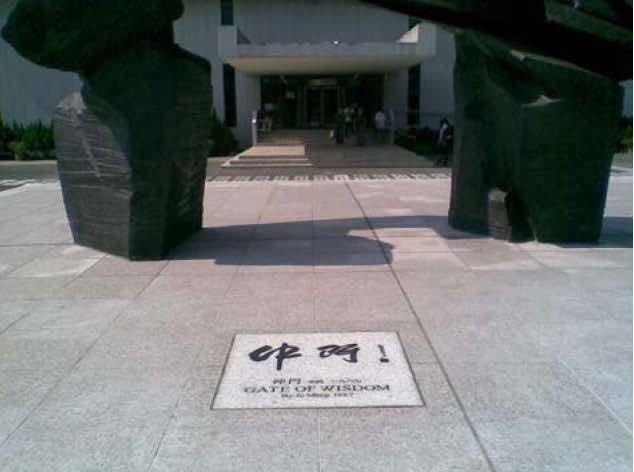
Outside the Chinese University of Hong Kong’s University Library, two heavy bronze forms lean towards each other and leave an opening below. Ju Ming’s sculpture, now called the Gate of Wisdom, is a campus landmark. Its apparent solidity conceals a journey: this Taiwanese work reached Hong Kong in separate sections before it could stand here as a gate.
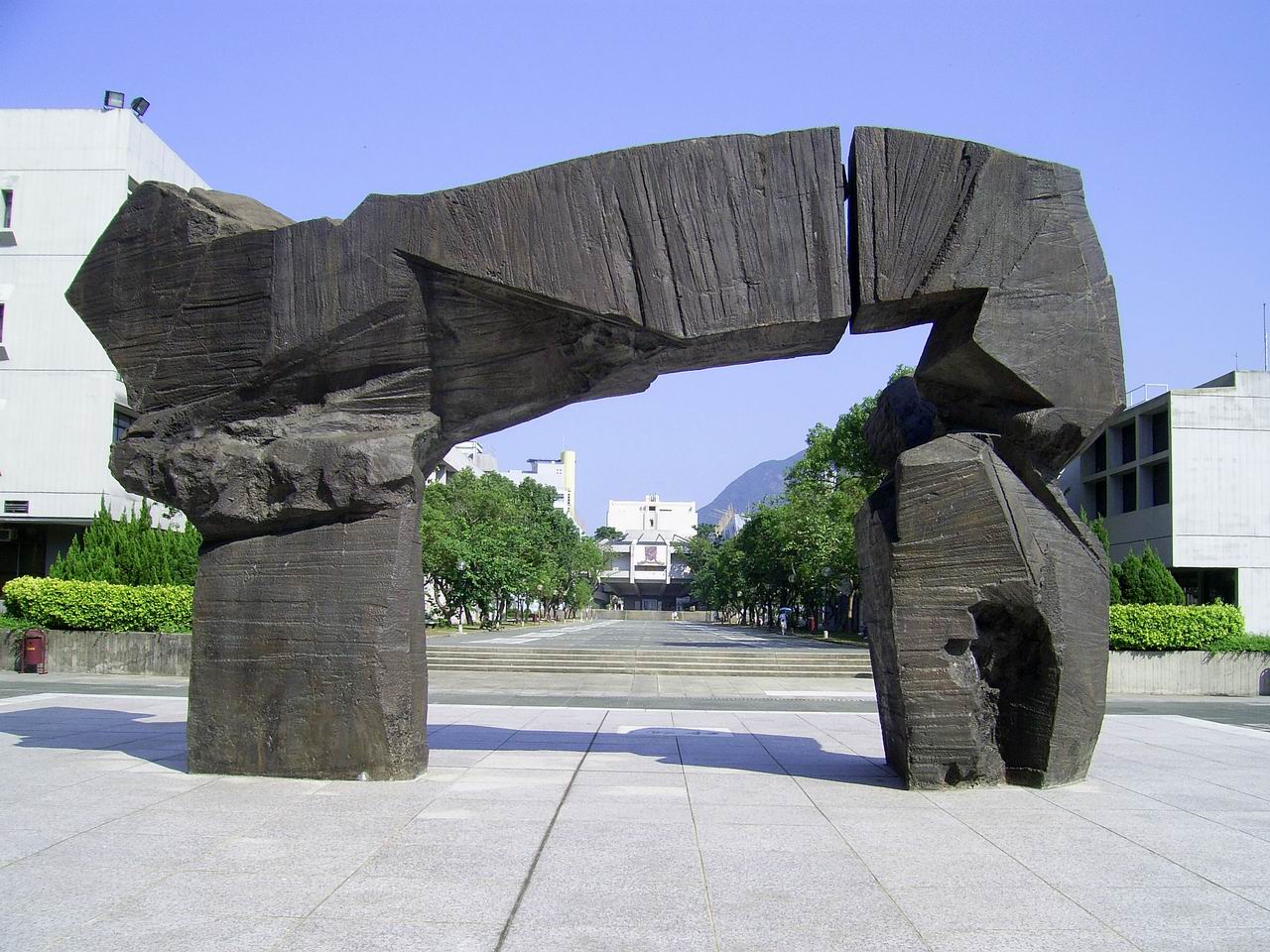
Completed in 1987, the gate acquired a written account of its journey in the January 1992 university newsletter. That account brings the shipping container and the welding crew into a story usually told through the finished artwork.
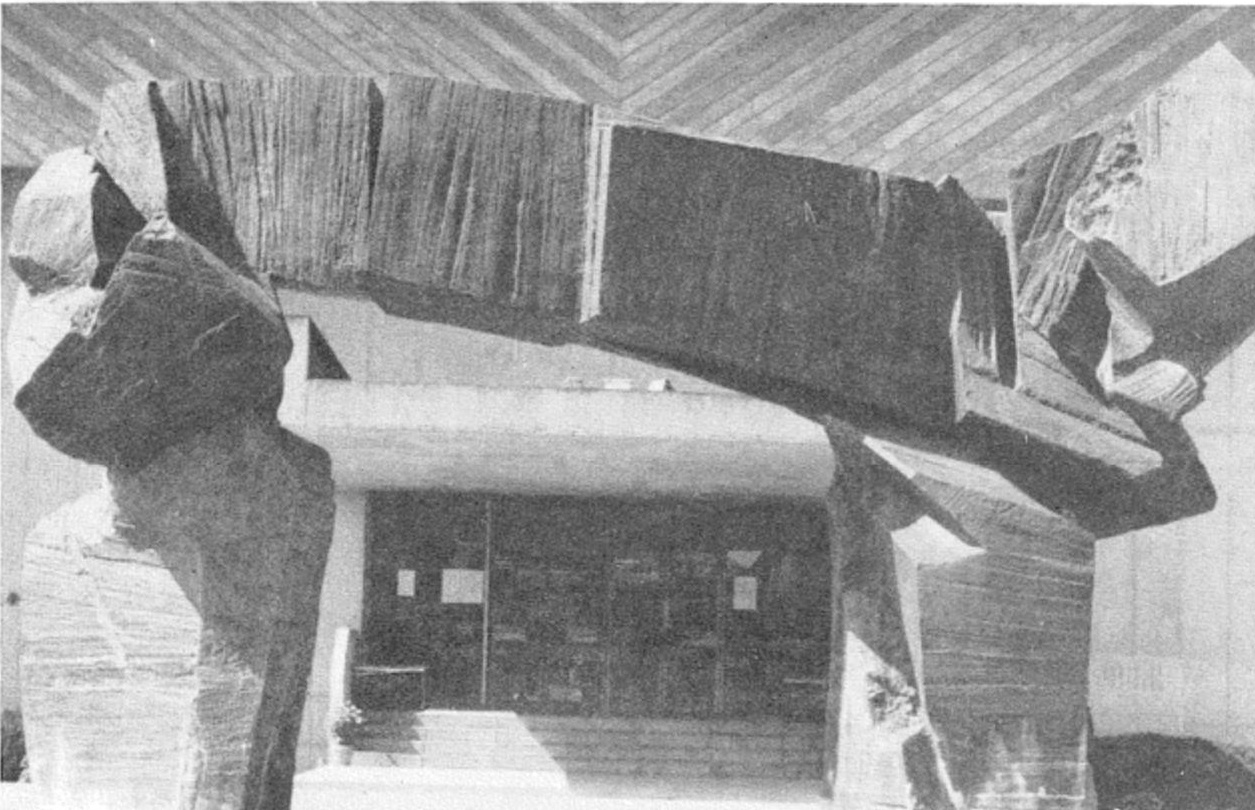
The container set a limit
Architect and CUHK benefactor Szeto Wai invited Ju to make the work. Ju visited the campus before deciding its form. The newsletter describes a choice attentive to the surroundings: the sculpture’s shape had to sit with the architecture and landscape, rather than simply arrive as an object with a destination.
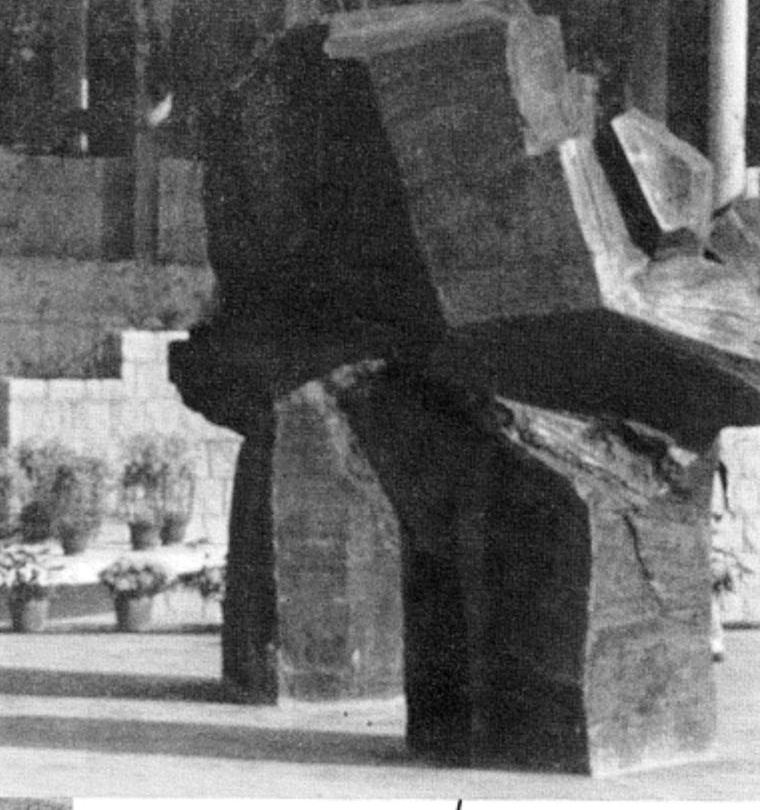
At more than five tonnes, the bronze gate could not be shipped whole inside a container. It was divided for the voyage from Taiwan. In Hong Kong, cranes lifted the sections onto the platform, where welders brought over from Taiwan joined them. Transport and welding took a week. The work depended on people able to turn separated metal back into a standing sculpture, far from the place where it had been made.
A second visit changed its name
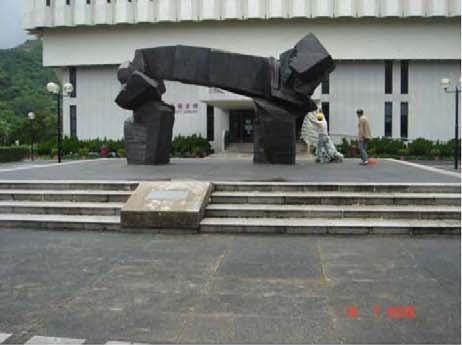
The gate’s life on campus did not end with installation. When Ju returned in 2006 to supervise maintenance and repairs, he heard a rumour that students who walked through it would fail to graduate. This was a campus belief, not a property of the sculpture, but it affected the relationship he wanted people to have with it.
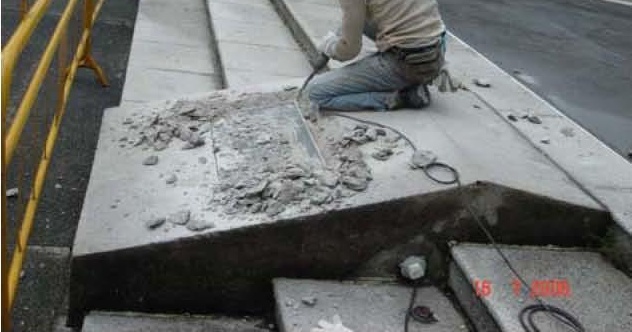
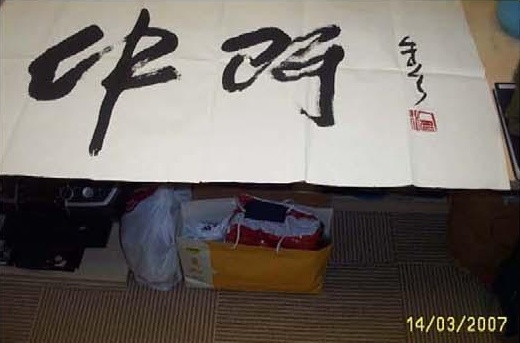
According to the university’s account, Ju wanted students to feel free to approach, touch and walk through the work. He discussed a new name with CUHK and wrote its Chinese characters himself. A plaque bearing that calligraphy was installed in August 2007. The Gate became the Gate of Wisdom, or Zhong Men. The decision addressed how a sculpture was used and understood, years after the welding was finished. The new name records Ju Ming’s invitation; it does not establish that every student changed their behaviour.
Another decision in Jinshan
In Jinshan, on Taiwan’s northern coast, Ju initially bought land to store his large sculptures. As the collection and the grounds grew, he saw what sculpture could become in a green setting. A place to keep the work gradually became a plan for a museum.
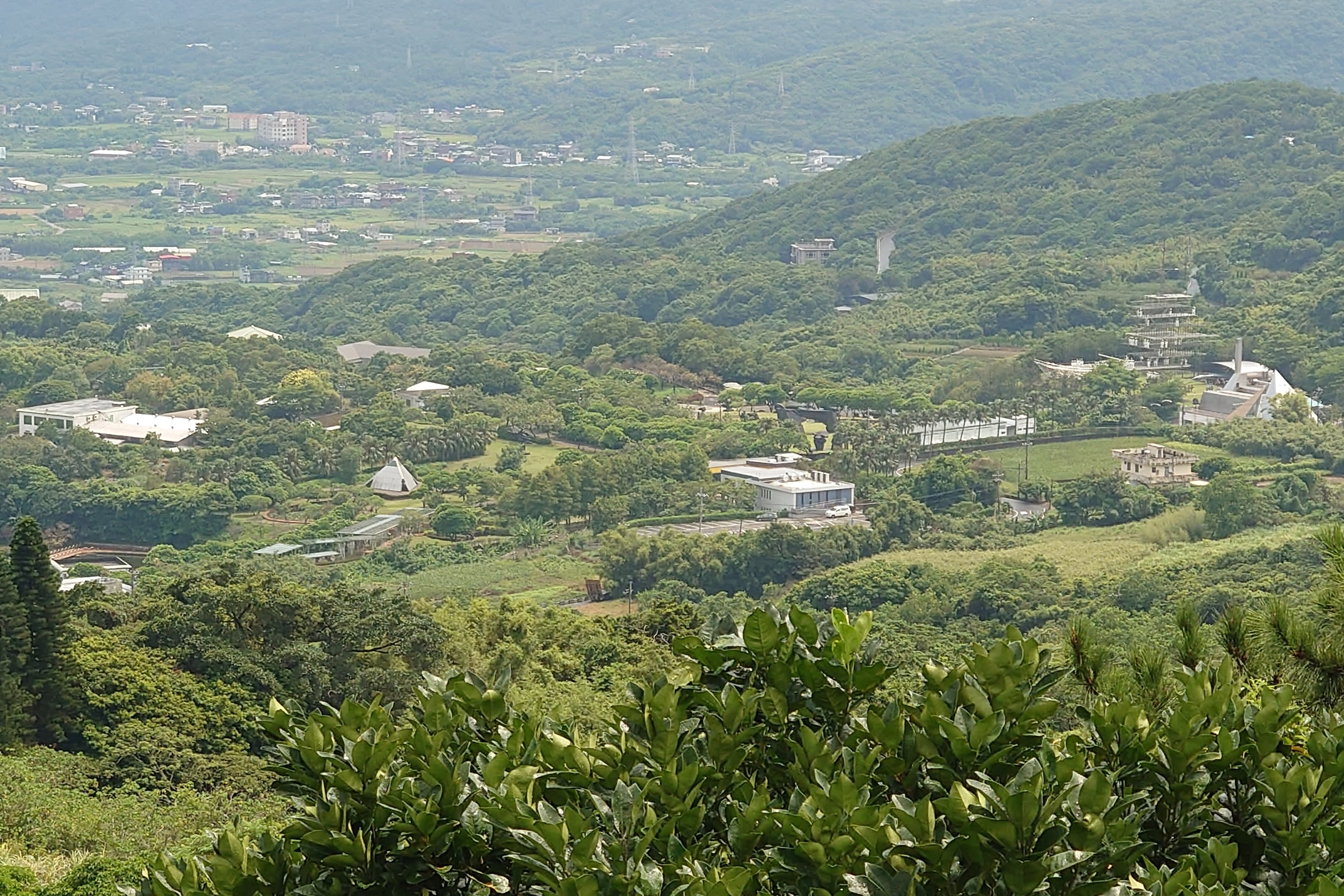
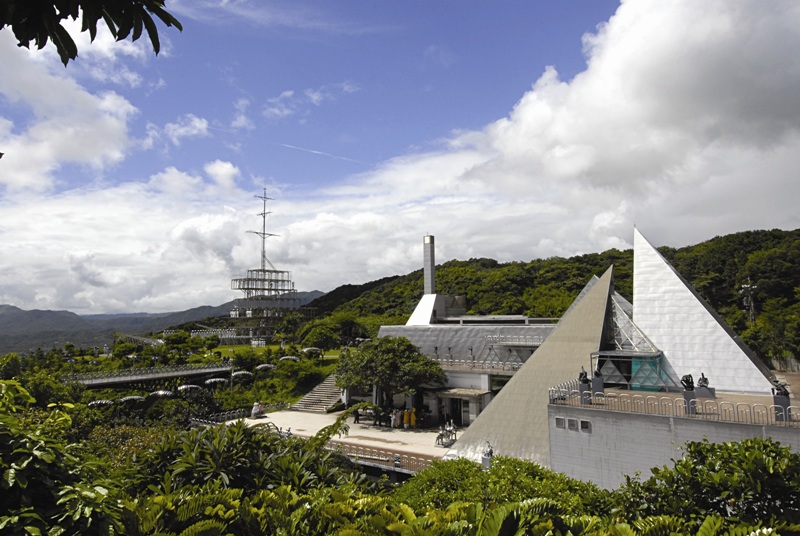
The museum dates that work from 1987 to its opening on 19 September 1999. Ju planned its landscape, planting and buildings himself. The 2024 photograph shows the result as a place: buildings, outdoor spaces and paths set into wooded hills. It does not show the CUHK gate transplanted to Taiwan. It shows the environment Ju made for a much wider body of work.
Looking for the work behind the object
Ju’s training had begun with carving and painting under Lee Chin-chuan when he was fifteen. At thirty he became a pupil of sculptor Yuyu Yang. His later practice moved through wood, clay, foam, bronze and stainless steel. The Hong Kong gate makes one consequence of that expanding practice unusually tangible: a large work needed site visits, lifting equipment and skilled joining as well as a sculptor’s decisions.
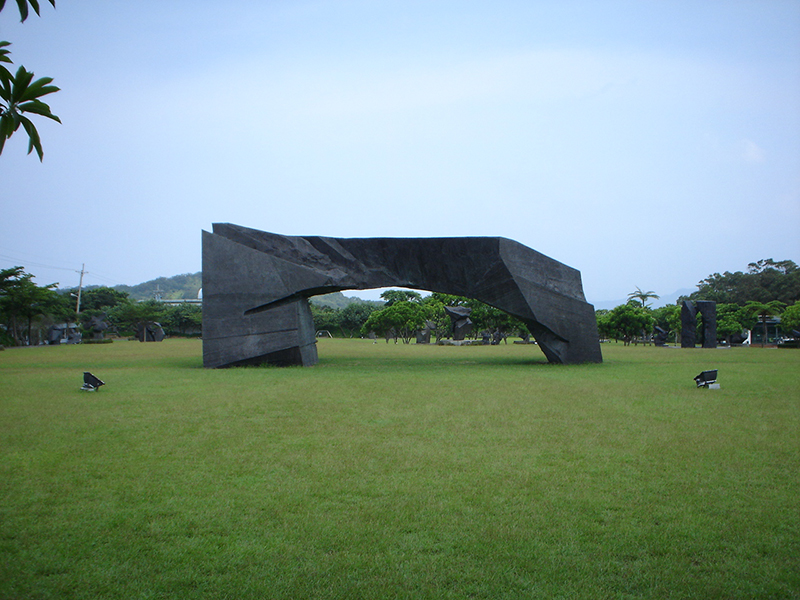
At Juming Museum in Jinshan, continue with that attention to scale and setting. Use the current site map to explore the outdoor display areas, noticing the space a large sculpture needs around it. The Hong Kong work remains a particular object with a particular journey. The Taiwanese museum offers another close view of its maker’s sustained choice to give sculpture room in everyday life.
Plan a visit in Taiwan
Juming Museum, 2 Xishihu, Jinshan District, New Taipei. The Hong Kong Gate is not at this museum.
10:00–17:00, last ticket sales 16:00; closed Mondays except national holidays. Check current notices.
Keep off lawns November–April. Annual closure currently announced for 21–25 December 2026.
Route716 from Tamsui runs weekends and national holidays in November–April; low-floor departures do not stop at the museum. Check both directions and last bus. Alternatively, bus to Jinshan District Office and transfer to a taxi.
Follow the current museum map and staff instructions; archival photographs do not guarantee the same works are on display today.
Sources & historical context
The photographs come from CUHK’s 1992 newsletter and 2006–2007 maintenance record, a 2008 Hong Kong view, a 2024 Jinshan campus view, and the Juming Museum’s collection images. They depict different dates and places. The 1987 division and welding are documented in writing; no photograph here is presented as an image of that work. The original image authors and applicable terms are listed below.
- Chong Fat · 2008-10-19 · CC BY-SA 3.0 · Original image · License
Original site image unchanged in article; proportionally fitted with a subtle camera push in film.
- Yu tptw · 2024-09-07 · CC BY-SA 4.0 · Original image · License
Original site image unchanged in article; proportionally fitted with a subtle camera push in film.

