Two neighbours, one wall, on a Hong Kong screen
Two people live in the same apartment building. One turns left on leaving home, the other right, unaware that they live so near. The 2003 film Turn Left, Turn Right builds a romance around this pattern of proximity and missed encounters. Hong Kong filmmakers Johnnie To and Wai Ka-fai co-directed it, with Milkyway Image among the production companies. Its starting point was Taiwanese illustrator Jimmy Liao’s picture book of the same name, first published in 1999.
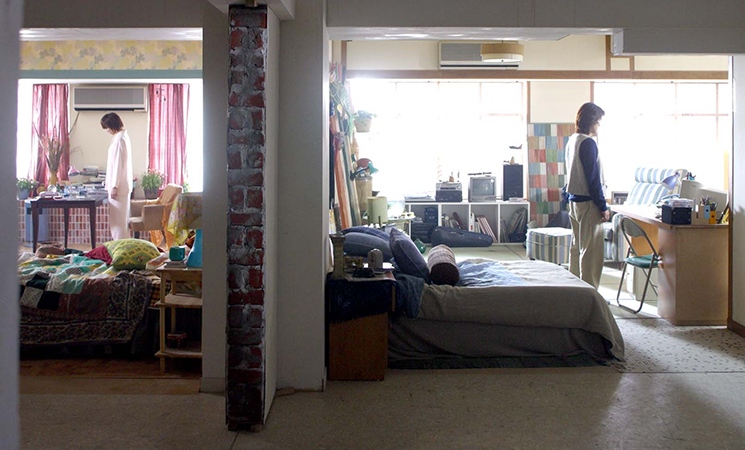
The film’s male character is a violinist; its female character makes a living through translating and writing. Jimmy’s official film account describes them passing through revolving doors in opposite directions, travelling up and down in lifts, and standing on different sides of a platform. Ordinary urban structures bring them close without bringing them together. These details make the connection between the Taiwanese picture book and the Hong Kong film tangible, beyond a shared title.
Return to the book, and notice the habits
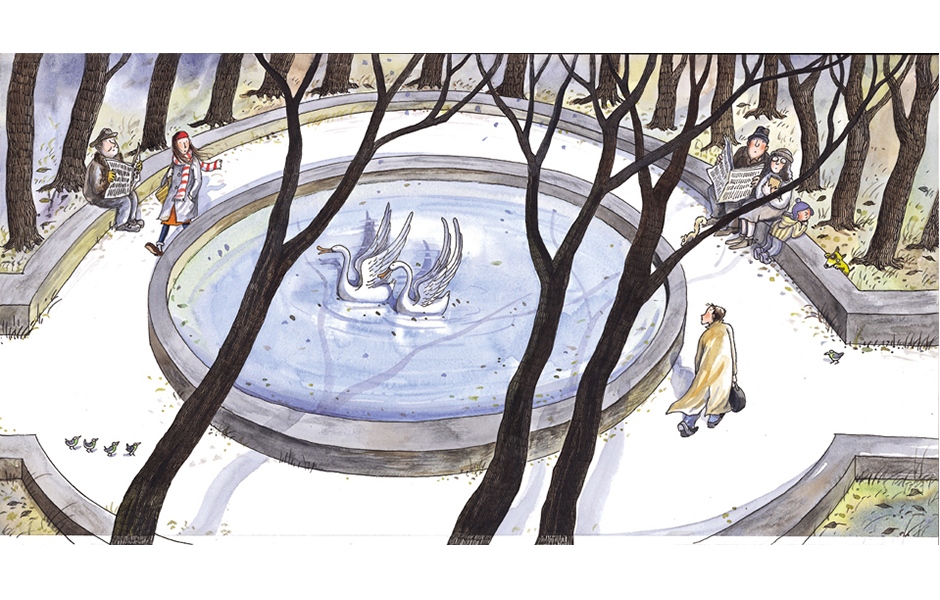
Dakuai first published the picture book in February 1999. Through images and brief text, Jimmy presents a city that is familiar yet easy to become lost in. People follow familiar routes past familiar sights; habits offer security but can also narrow a life. When reading, notice more than where each character is. Notice which direction each chooses again and again.
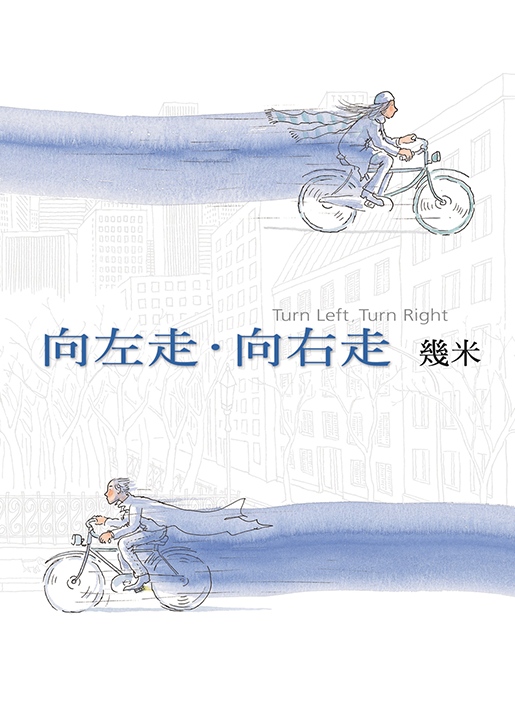
The two people in the book finally meet and exchange telephone numbers, only for that line of contact to break. Seasons pass while they continue in their familiar directions. Meeting does not automatically end loneliness. The story leaves a question inside everyday life: when everything follows an established habit, how can people notice those around them? Carrying that question from the book to the film and then into a place gives the images something to connect around.
From the screen to Yilan, keep reading the original
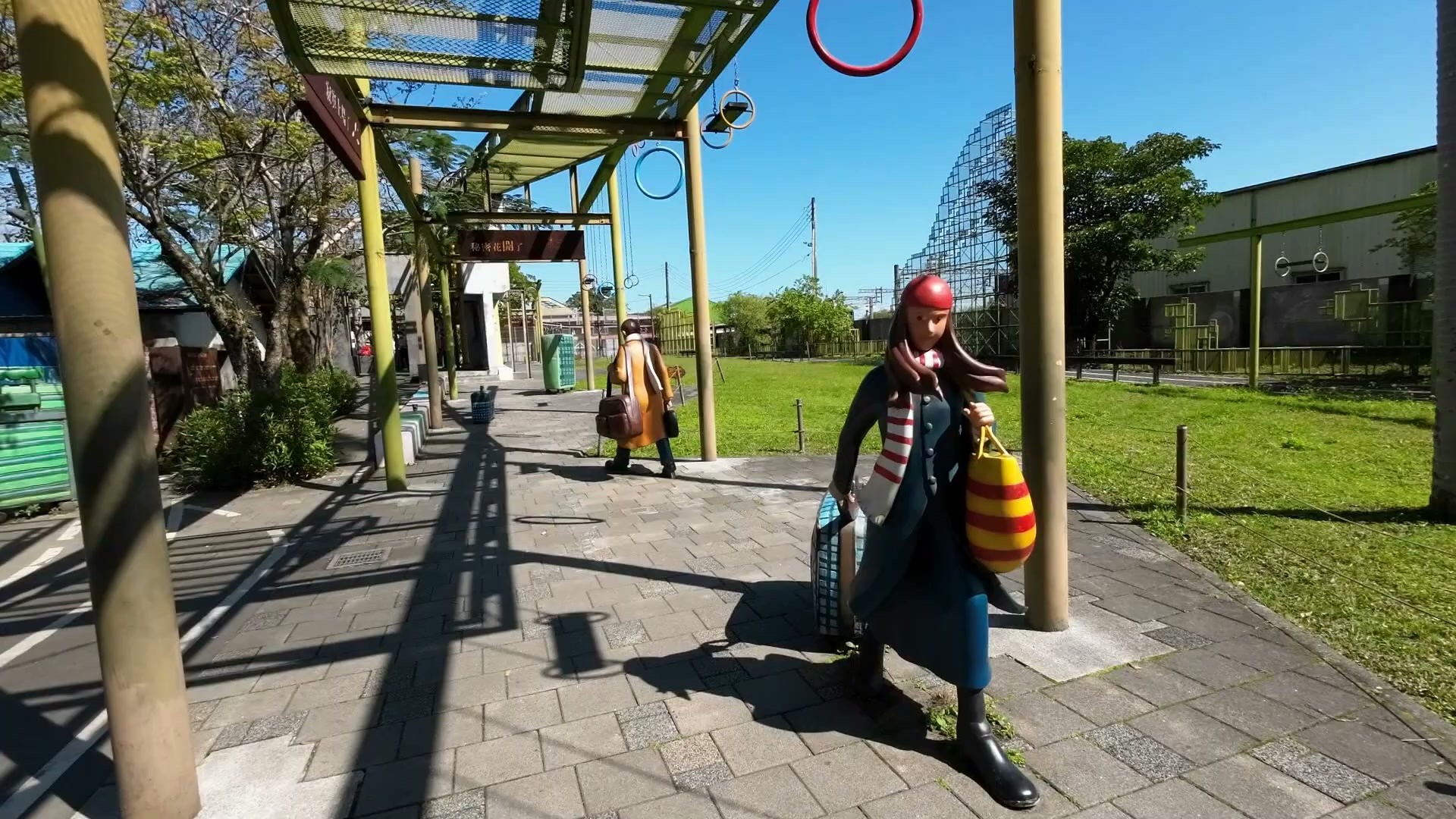
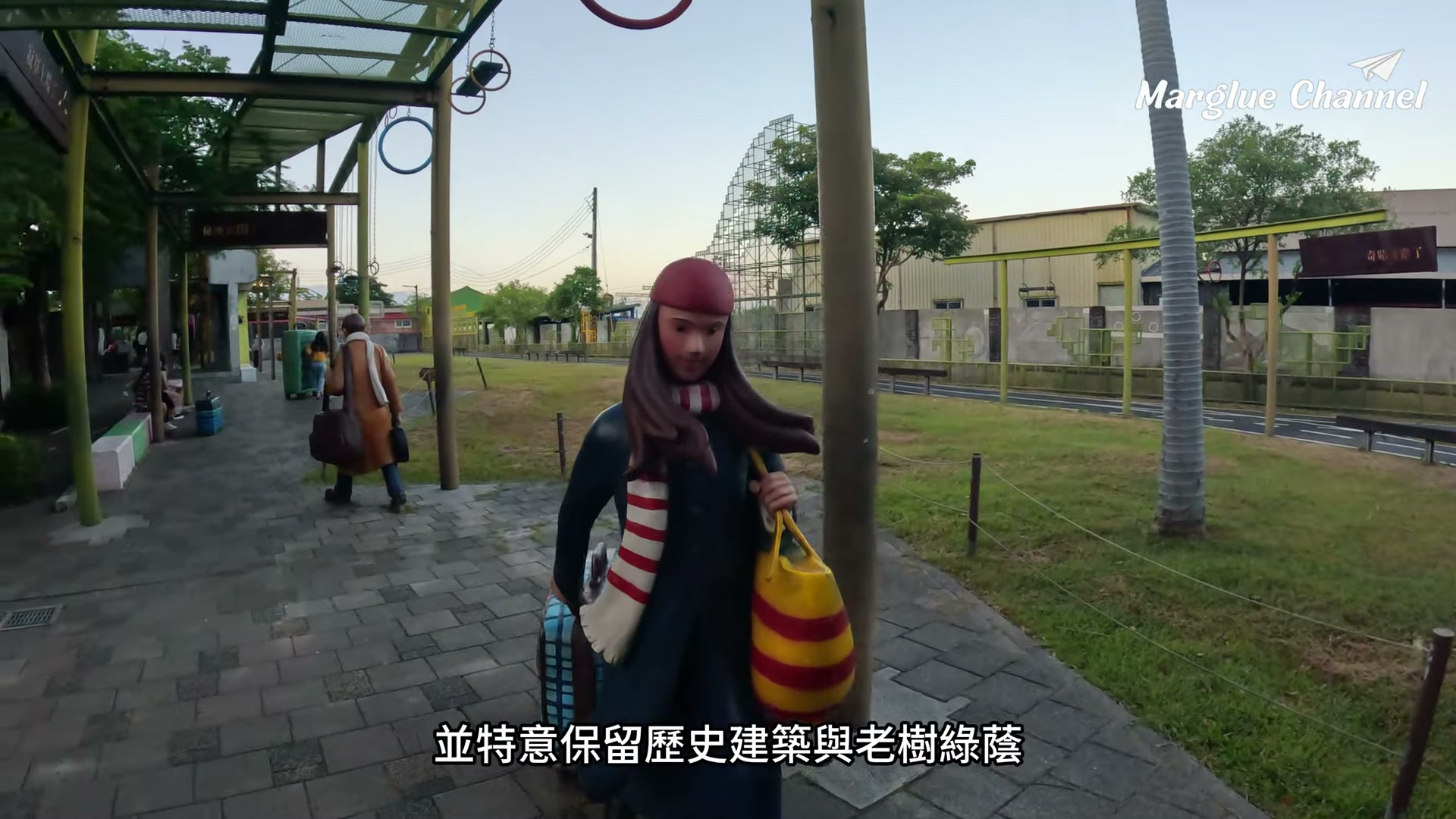
In 2013, the former railway dormitory site south of Yilan Station became Jimmy Square. The county’s public-art project drew on three books—Turn Left, Turn Right, The Starry Starry Night and The Subway—placing characters, luggage and imagination among the retained houses, trees and passages. Visitors enter public art developed from the books here. The locations used to shoot the film are a separate matter.
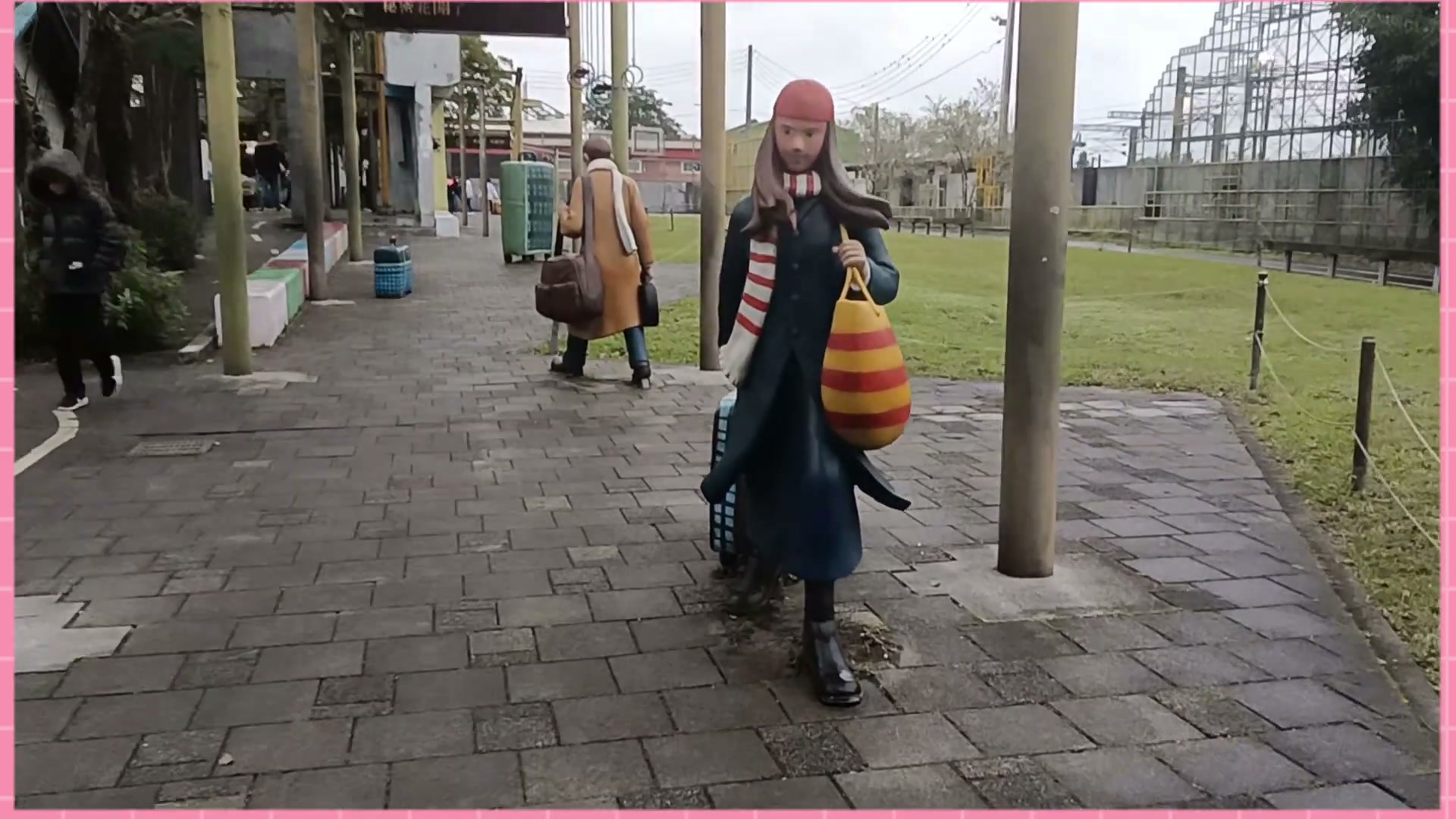
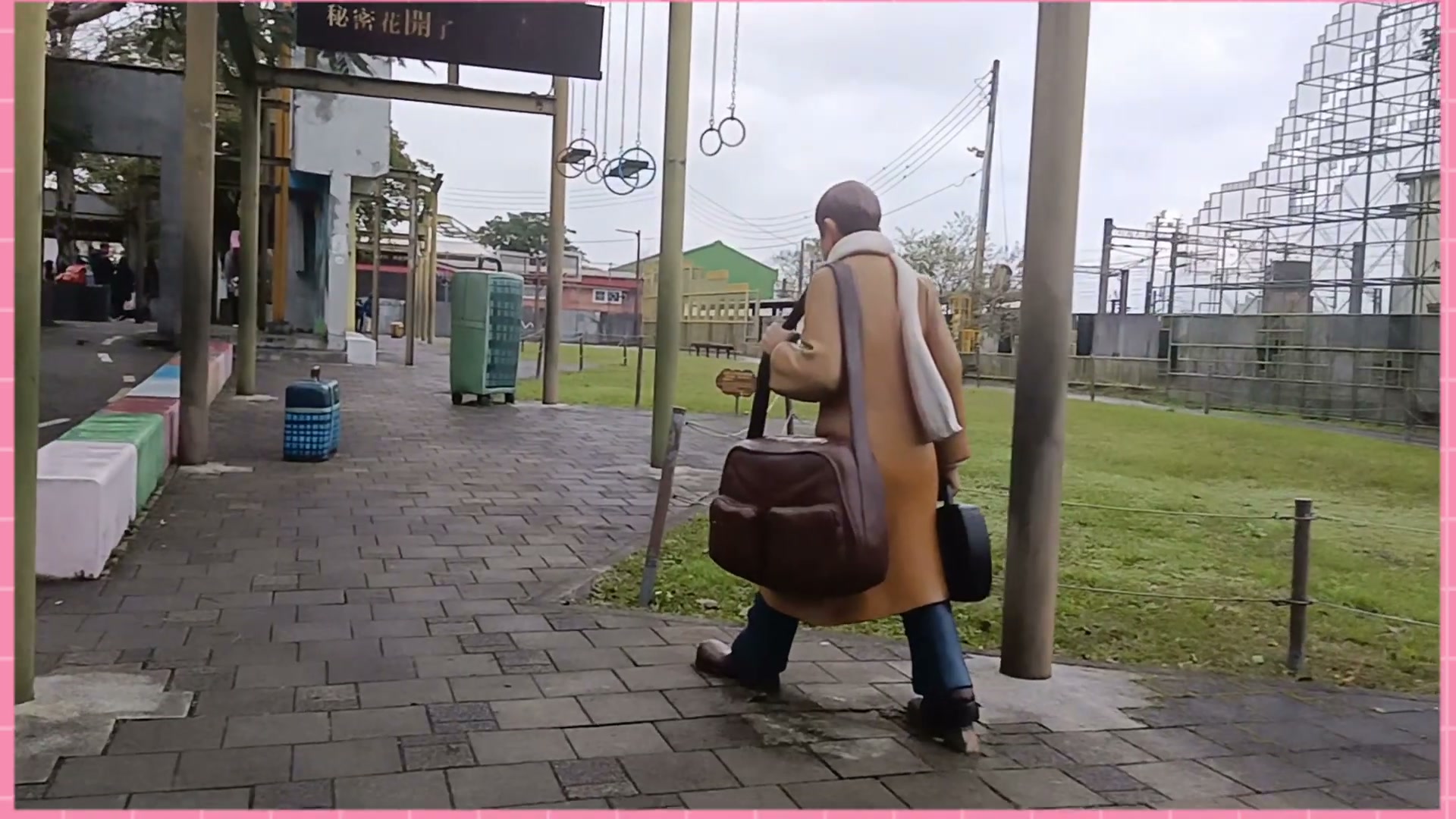
Find the male traveller with his instrument case and bag, then look for the female traveller pulling her luggage. The sculptures are not arranged as a pair facing each other. Each moves forward in a separate direction. Follow one direction, then turn and find the other character. With the story in mind, distance, turning and lines of sight become things to notice alongside a photograph.
Different books share the square
Other characters and pieces of luggage share the square; they do not all belong to Turn Left, Turn Right. The boy and girl waiting for a bus come from The Starry Starry Night, while luggage installations carry the travel imagery of The Subway. Recognising these different sources makes it easier to see how Jimmy approaches departure, waiting and encounter through several stories, and why a transport setting can hold them together.
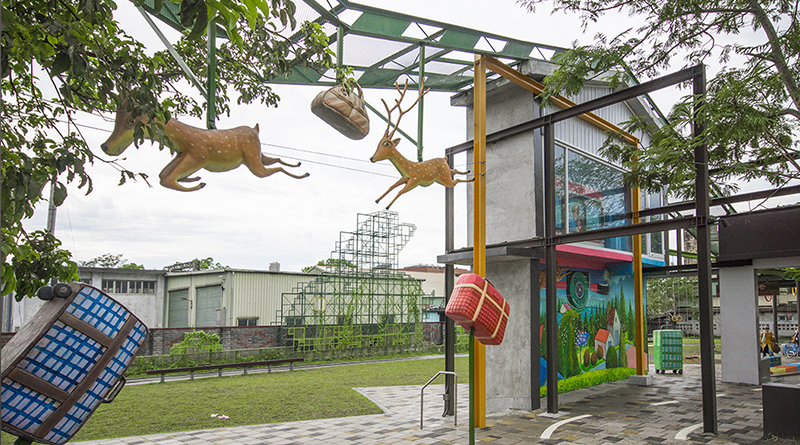
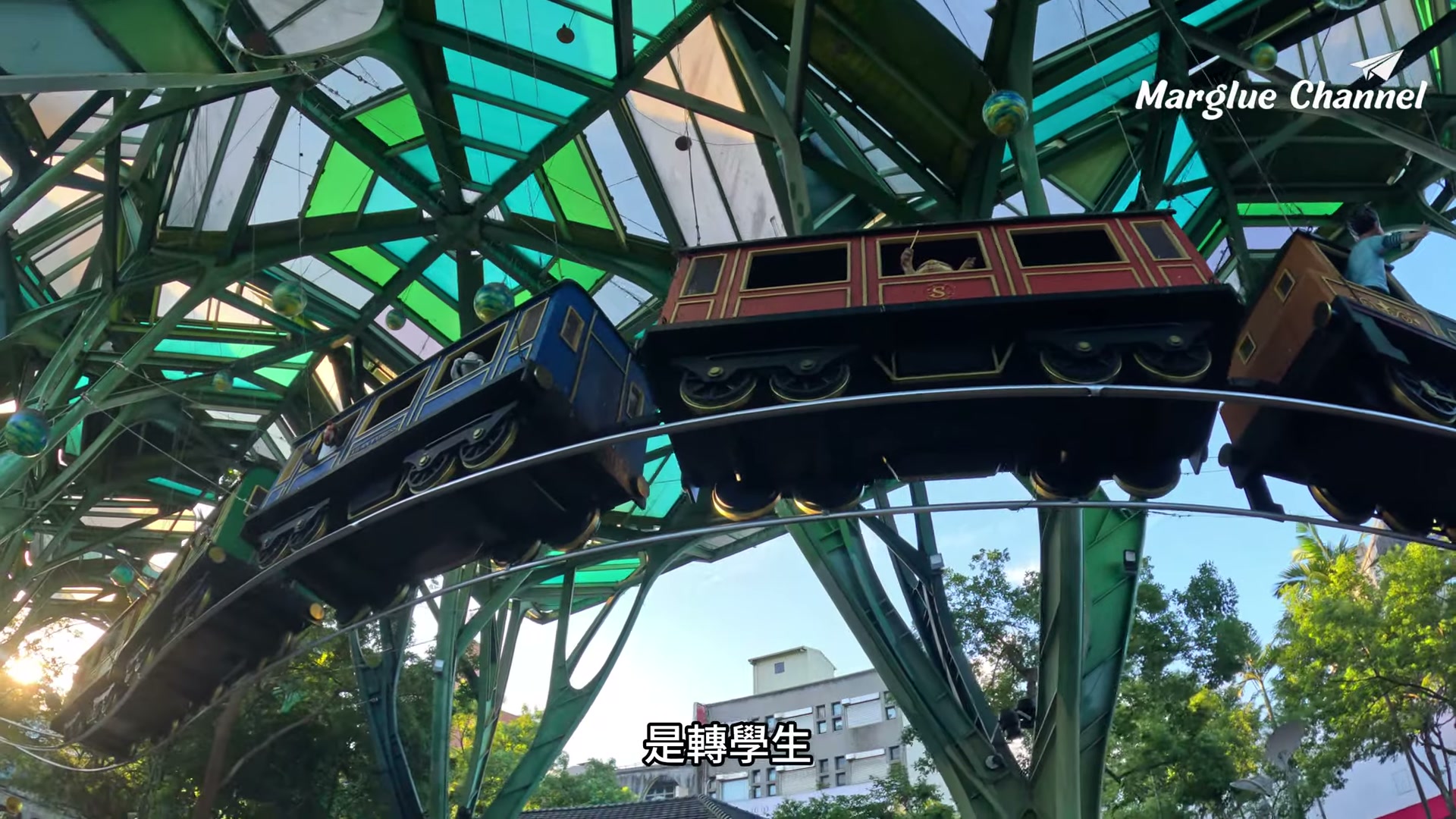
Keep Diudiudang Forest Park opposite the station distinct from Jimmy Square to its south. The former contains large steel tree structures and a suspended train; the latter places picture-book characters within the old dormitory site. They can be visited on one walk. For this story, the focus remains on the two travellers: a Taiwanese original, interpreted through Hong Kong cinema, provides a cultural thread that can also be followed on foot.
Arrive from the station, and leave another way
Approach Jimmy Square from the south side of Yilan Station’s front entrance. Yilan’s official tourism site lists the square and Diudiudang Forest Park on one attraction page, at 240, Section 1, Yixing Road, and estimates a walk of about one to two minutes from the station. The square is an outdoor public space listed as open around the clock. Check temporary works, maintenance or event notices before setting out, and take care on paths in wet weather.
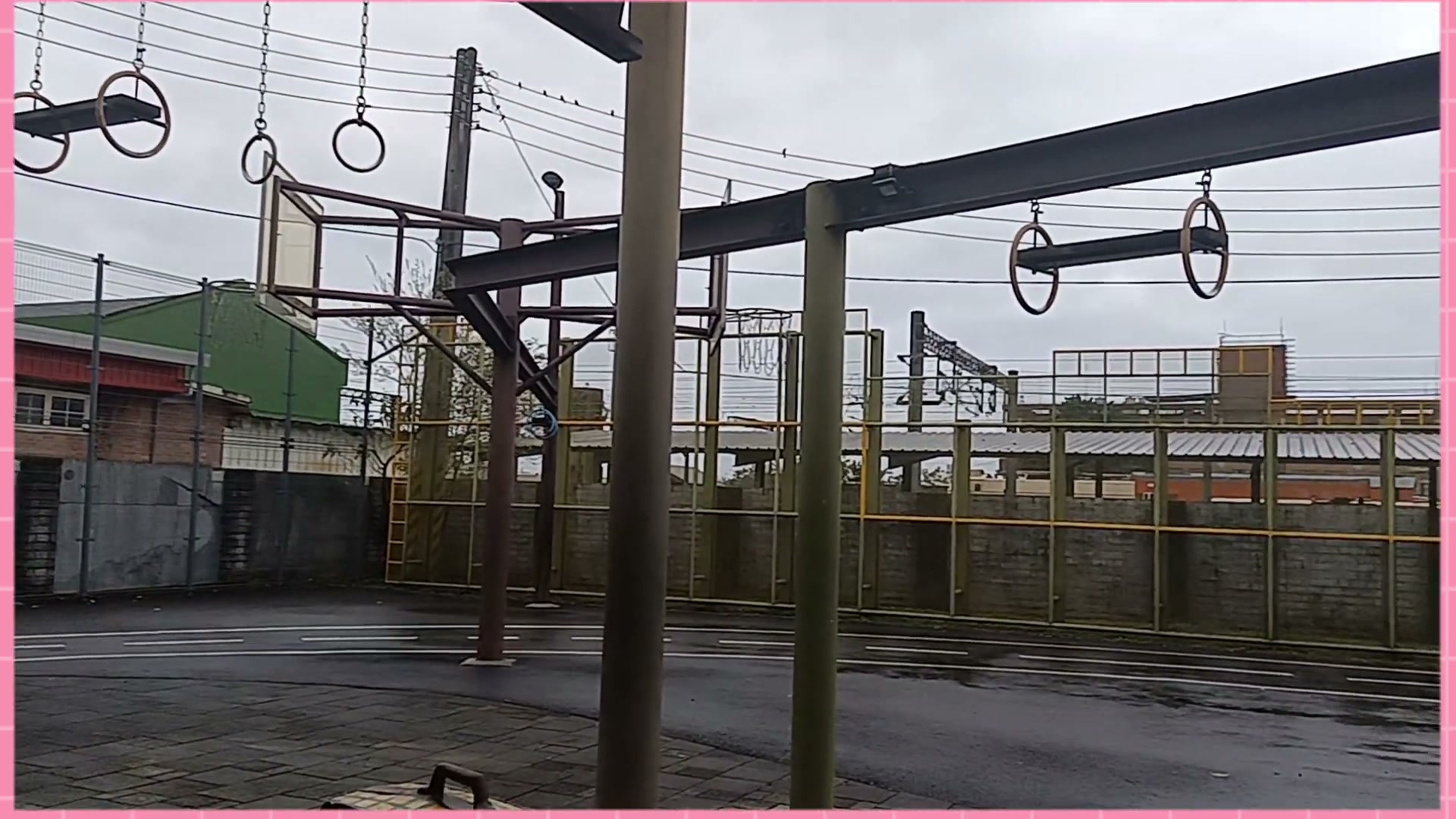
Begin by seeing both characters in full, read the work’s on-site explanation, then take a different direction through the passages. A film familiar to Hong Kong viewers can reconnect here with the images and everyday feelings of its Taiwanese picture-book source. Getting to know Taiwan through a story, then entering its setting, can offer more than proof of a visit. A book can prompt a question about how many encounters remain beyond a habitual route through the same city.