
One character took a week
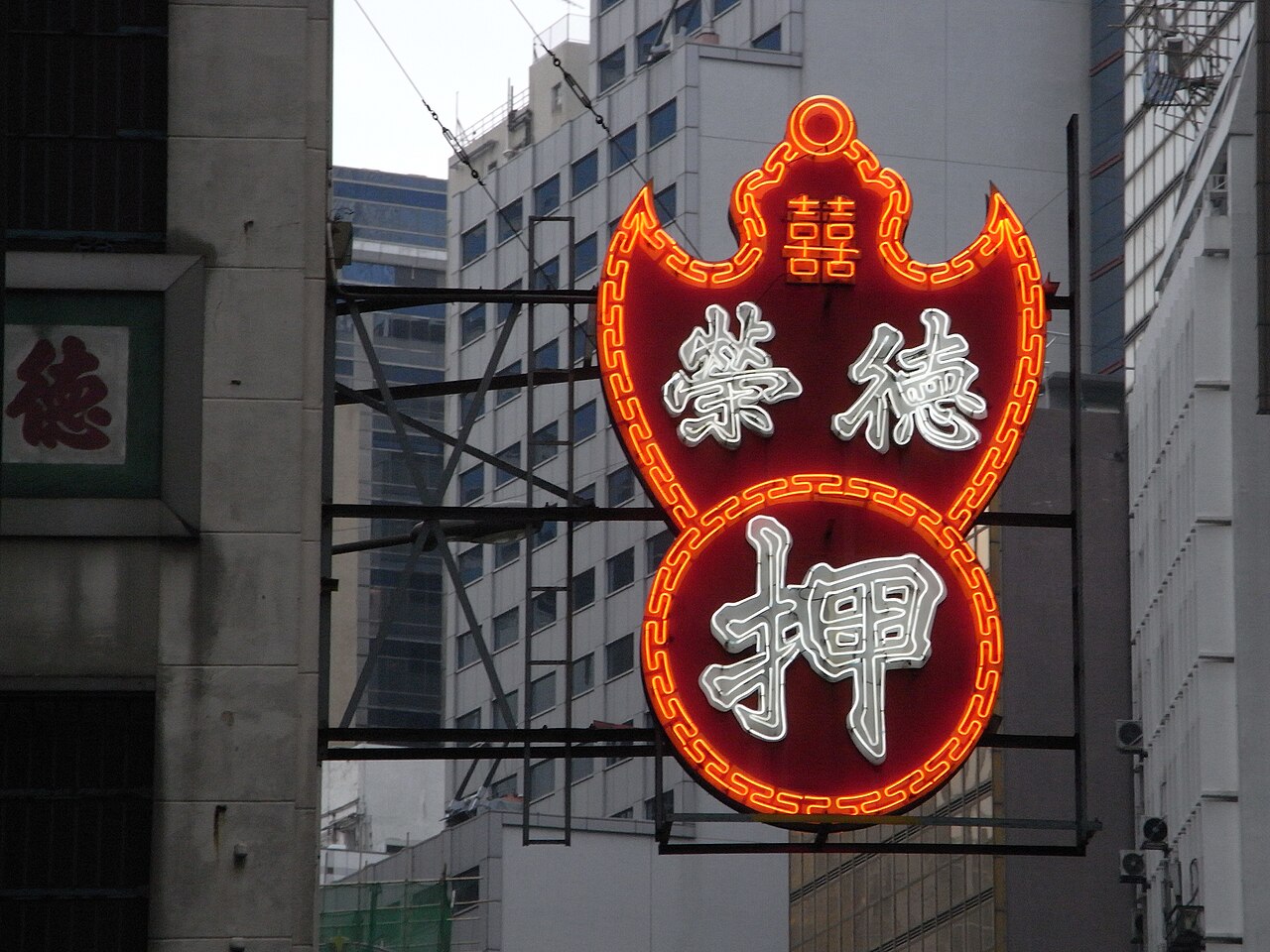
In Jive Lau’s Hong Kong studio, the character 夢—dream—marks a practical turning point. A magazine director’s commission in early 2021 asked for a tube thickness different from the one he had learned to handle. Lau later recalled spending a week testing burners and joints for that single character. By his December 2024 interview, an equivalent job took two or three hours.
For a city whose restaurants and shops once made their names visible in neon, preserving a light also meant preserving the ability to make another one. Lau had trained in multimedia design. With few systematic courses available locally, he travelled to Taiwan twice in 2019, then practised back in Hong Kong alongside his design work.
The Taiwanese teacher had also changed his work
His teacher, Huang Shan-lo, came from Baoshan in Hsinchu. Huang established a neon advertising company in 1985 and a personal studio in 1995, turning experience from commercial production, research and teaching towards art. In 2014 he moved his studio back to Baoshan. He brought a working history of his own to the exchange, rather than simply supplying a technique that Hong Kong had lost.
Crafts on Peel later facilitated further exchange between the two. In Taiwan, Lau studied glass shaping, plasma-neon techniques and advanced production theory with Huang. The exhibition catalogue records how that knowledge changed the ways he adapted tools and gave form to ideas. Teaching could continue beyond the first course because the next object raised new technical questions.
A joint that had to work
For Plasma Dreams, Huang and Lau made petals, stems and leaves as separate glass components. They used bending, blowing, joining and sculpting. Assembling the pieces proved difficult: small connection holes made the fine tubes hard to join, while coloured and clear glass created different pressure points. The makers had to solve these problems together for the sculpture to exist.
In Hong Kong, Lau also looked for uses small enough to enter homes and for teaching formats that let others begin. Neon could become an indoor object or a workshop, while its future still depended on finding customers and people willing to learn. His Taiwan training continued through work that had to be practised, adapted and shared.
Follow the glass to Hsinchu
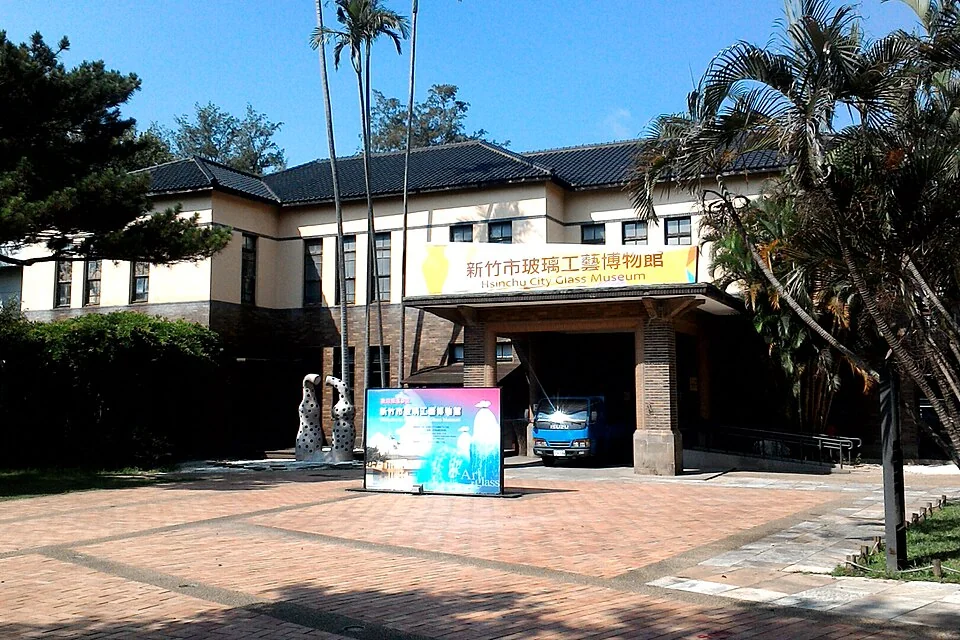
Hsinchu’s Glass Museum has collected Huang’s works, including 一馬當先 in 2003 and 夜色 in 2005, according to the local glass association’s artist record. A visit offers a public setting in which to read the city’s glassmaking, while the current exhibition list must determine what can actually be seen. A collection record does not put every work on display.
When a labelled neon work is on view, start with the shape of the tube and its junctions before reading the colour. Those are the places where the maker’s decisions remain visible. Lau’s journey from Hong Kong leads here through a specific Taiwanese teacher and the skilled work of making light hold its form.