A familiar novel enters Kwai Tsing Theatre
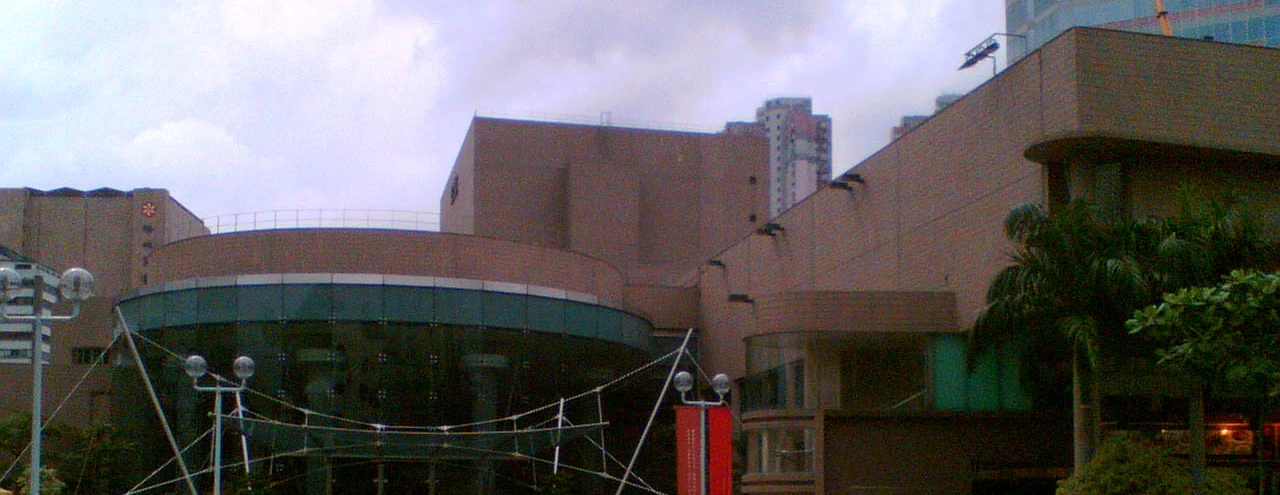
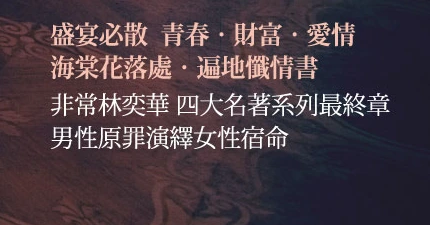
The January 2015 programme at Hong Kong’s Kwai Tsing Theatre placed familiar characters in an unfamiliar setting. Male hosts in a luxurious entertainment venue told Red Chamber to female patrons; narration became acting, and host and guest could exchange positions. The Mandarin production, with Chinese surtitles, offered Hong Kong audiences a different route into the novel.
The company’s description turns the old household’s relationships towards the pressures of contemporary life. A family can behave like a large organisation: an assistant must remain useful, a superior must protect a position, and affection becomes entangled with power. For readers navigating work, status and relationships in Hong Kong, these questions bring the novel close to daily life. The production begins with what people lack and what they try to hold onto.
A commission gives the questions time to grow
This cross-sea relationship had begun before Red Chamber. In a December 2014 interview, Lam recalled Taiwan’s National Theater and Concert Hall asking him for a creative plan that could develop beyond a single production. He chose the four classic Chinese novels. The series began in 2006 and reached Red Chamber eight years later. A Taiwanese institution had given the Hong Kong director a continuing framework in which to return to familiar literature.
In early November 2014, actor photographs and a chart of the novel’s characters went up on the studio walls. Lam and the team used clues to test relationships and reorganise the story’s time. The actors had something concrete to work against: a name in the book now had to become a relationship onstage.
An actor has to join the thinking
Taiwanese actor Mok Chi-yee described the difficulty from inside this process. Interviewed in early November for a piece published on 20 November 2014, he was already rehearsing Red Chamber but did not yet know which role he would play. He explained that working with Lam required keeping up with the director’s ideas and creating alongside him. The unsettled role was part of that particular rehearsal stage; it shows how an actor’s work could begin before the character assignment was fixed.
Other Taiwan collaborators brought distinct kinds of work. Yang Chao was the literary adviser, Su Wei-chia worked on choreography and Huang Yu-lin on physical performance guidance. The cast included women, among them Chou Heng-yin and Yeh Li-chia, as well as men taking on the novel’s female characters. The theme song Sìcéng (似曾) joined Lam’s lyrics with Chen Chien-chi’s composition and William Wei’s singing. Literature, bodies and a song all had to meet on the same stage.
Taipei watches first; the work returns to Hong Kong
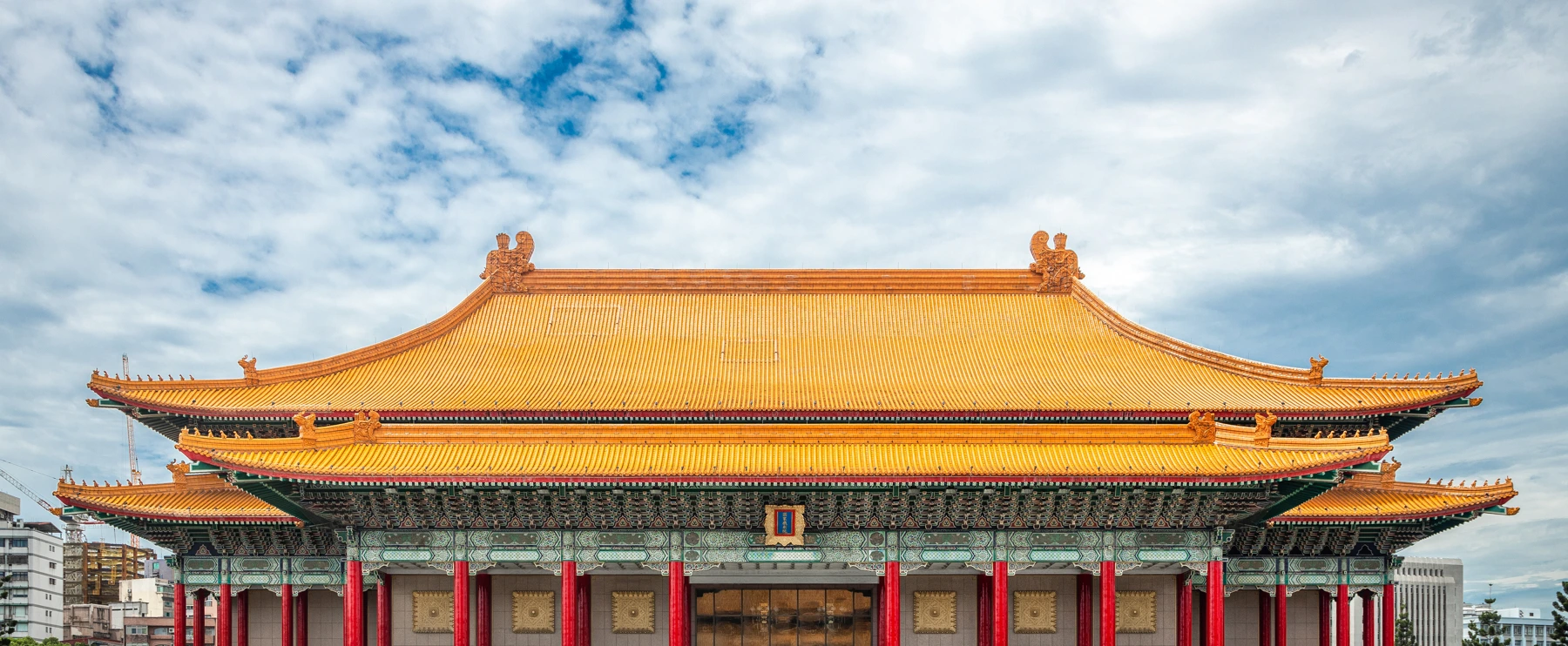
Red Chamber premiered at Taipei’s National Theater on 26–28 December 2014. A review by Lai Yanyan (賴妍延), written after the 28 December afternoon performance, recorded the combination of classical language, contemporary suits and men interpreting the female characters. It also noted that shouting or overlapping speech sometimes made the words hard to catch. This response reveals a practical pressure on the production: an ambitious reinterpretation still had to reach the ears of an audience.
The company’s performance archive then places the work in Kwai Tsing Theatre on 23–25 January 2015 and the Hong Kong Cultural Centre on 17–19 July that year. What returned to Hong Kong was a production already shaped through Taiwan’s actors and collaborators and presented to a Taipei audience. Those dates outline a working relationship built through a continuing commission, rehearsal, performance and reception.
Walk into the place where the work first met its audience
In Taiwan today, the National Theater offers a concrete place to continue this story. Its public areas open daily from 11:30 to 21:00, except during Lunar New Year and maintenance closures. Outside performance periods, the theater’s ground-floor doors 1 and 2 are the public entrances. Begin with the building and its public spaces, where a Hong Kong director’s questions once became an encounter with Taipei audiences.
The venue recommends Exit 5 of C.K.S. Memorial Hall MRT station. A Mandarin or English guided tour offers another way to examine the performance spaces: it takes about 60–70 minutes, with the route adjusted to the day’s availability. Book a current tour or choose a current programme to go further inside. On the return journey, use the same station and the Red Line towards Taipei Main Station. Bring the rehearsal question with you: how does an actor make another person’s position understandable?