
A Hong Kong filmmaker needed a different place to work
Dragon Inn was made in Taiwan by Union Film and released in 1967. King Hu had left Hong Kong’s Shaw Brothers for the Taiwanese company. TFAI’s film-education account identifies this as a turning point: fewer restrictions on production and subject matter gave him room to develop the work. The crossing was a filmmaker’s working decision before it became a classic’s journey.
The film’s inn gathers people whose intentions cannot be read from their clothes alone. Hu drew on theatrical characterisation and movement, while making conduct, disguise and concealed loyalties central to the suspense. Taiwan was not merely a landscape behind the action: a Taiwanese production team made the rhythm, images and performances that later travelled back to Hong Kong and other Asian markets.
An old film does not remain watchable by itself
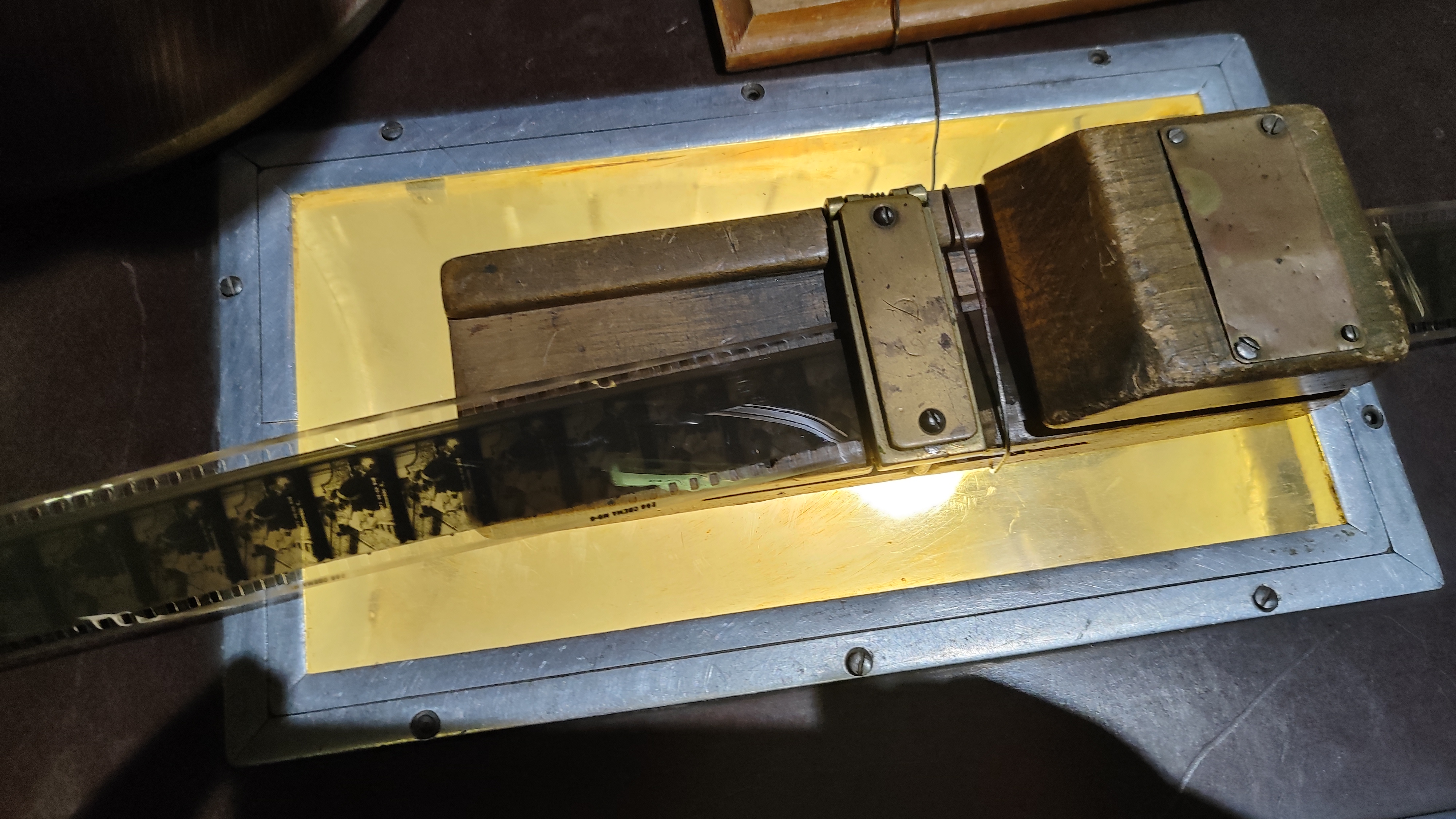
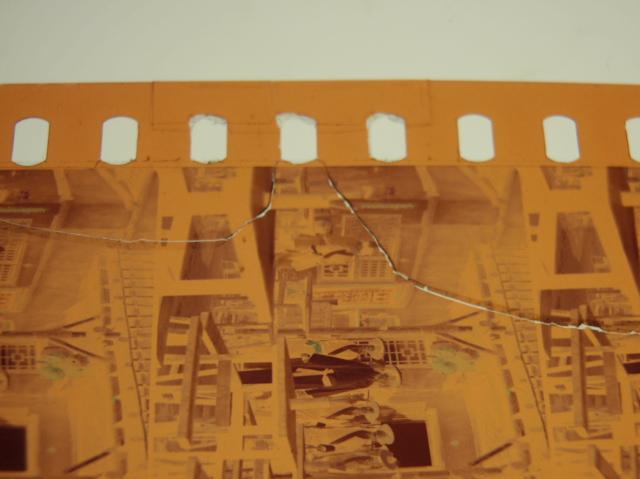
Decades later, the original picture negative was in relatively good condition overall, but the repair report identifies a tear extending across seven frames. That local injury demanded frame reconstruction and brightness adjustment. The obstacle was precise: possessing the film did not mean every surviving image was ready to project again.
The team used a 4K wet-gate scan to reduce the visibility of scratches before further digital work. Sound required separate treatment for distortion and noise. These were different tasks with different materials; calling the result simply a sharper copy would miss the labour that made both the moving image and the soundtrack usable.
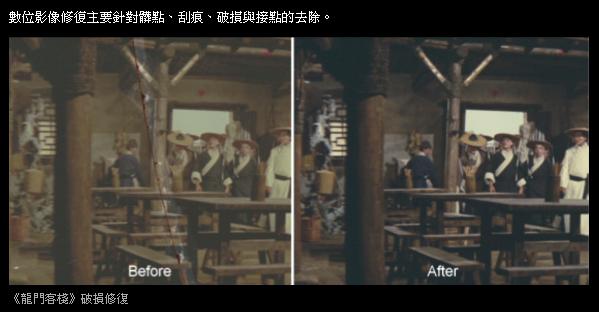
The Chinese Taipei Film Archive sent the material to L’Immagine Ritrovata in Italy. Its technicians reconstructed the torn images and adjusted brightness. Other work addressed instability, dirt and scratches. Colour decisions also needed the Taiwan archive’s notes and research: the restoration account says no vintage reference print was available.
Lin Wen-chi took preservation into circulation
The archive’s task did not end at a completed digital file. Its record describes director Lin Wen-chi and the classic-film marketing team taking the restoration abroad, alongside actor Shih Chun, for the 2014 Cannes presentation. The film subsequently appeared in other festivals. Preservation needed people willing to programme, introduce and discuss what had been saved.
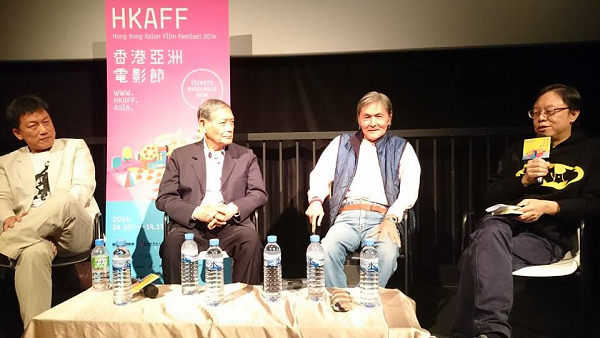
The archive’s Hong Kong record brings Shih Chun and Bai Ying together with Lin and filmmaker Shu Kei at the Asian Film Festival. An actor’s remembered work and an archivist’s present work occupied the same occasion. Hu’s film returned to a city connected with his earlier career, carrying both the performances of 1967 and the repair that allowed another meeting in 2014.
Which Dragon Inn is being remembered?
The film in this story is King Hu’s 1967 Taiwanese production. Its restored return should not be confused with later remakes carrying related titles. Starting with the production year and credits lets a Hong Kong viewer follow a particular object across the sea instead of treating several generations of martial-arts cinema as one event.
The useful consequence of the restoration is not that time was erased. A damaged film could be screened and introduced again, and surviving makers could take part in that encounter. The difference between a film existing in storage and being available to audiences is the human work connecting those two states.
In Xinzhuang, follow the institution rather than the set
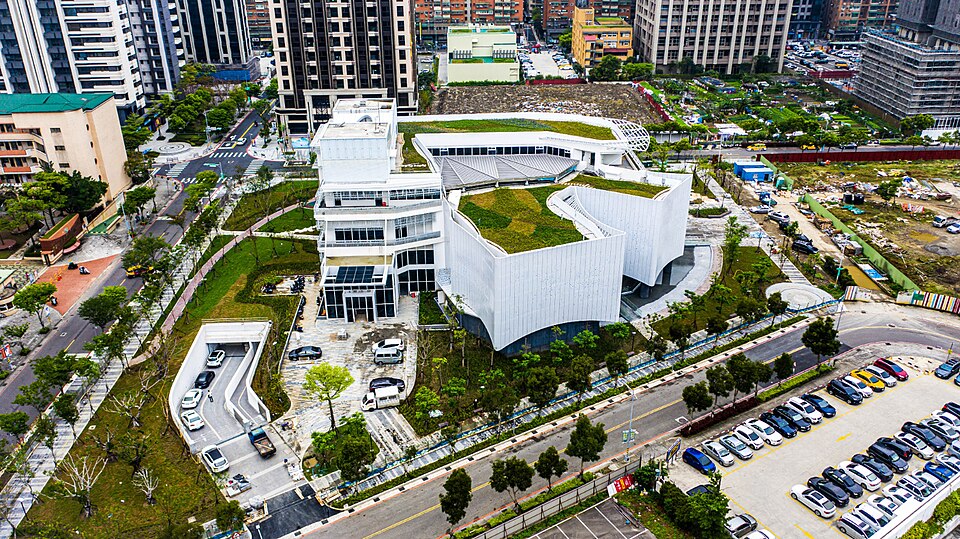
Today, Taiwan Film and Audiovisual Institute is in Xinzhuang, New Taipei. This is the successor institution connected with the restoration, not the original inn set and not a promise that Dragon Inn is currently playing. Its public exhibition spaces and scheduled screenings offer an honest next step into the life of films after production.
Look at how a programme identifies a version, a restoration or a screening format. If this film is scheduled, book that specific session; otherwise choose the current exhibitions or another film. The Hong Kong reunion leads here through the work of keeping a culture watchable, rather than through an invented journey to a movie location.

