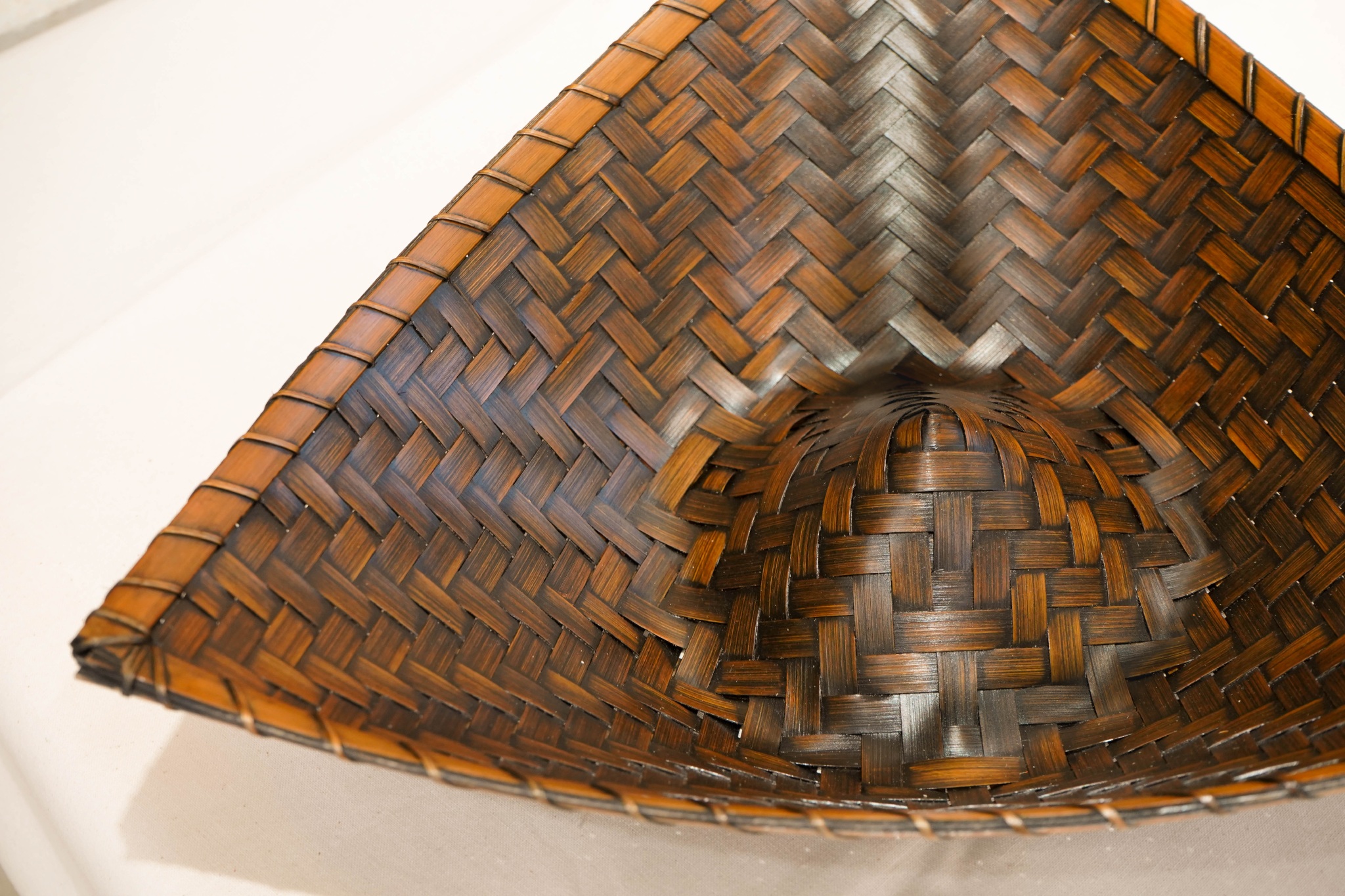
The basket selected in Hong Kong
In 2020, Hong Kong’s Crafts on Peel included Chen Yung-sheng’s Boat-Shaped Hexagonal Fruit Basket in its bamboo exhibition. An arched handle joins the ends, while intersecting strips give the body its curve. An everyday container became an introduction to a maker from Taiwan. The curators had sought out bamboo practitioners in Taiwan and Japan whose handwork still had a place in contemporary life; Chen was among the makers they selected.
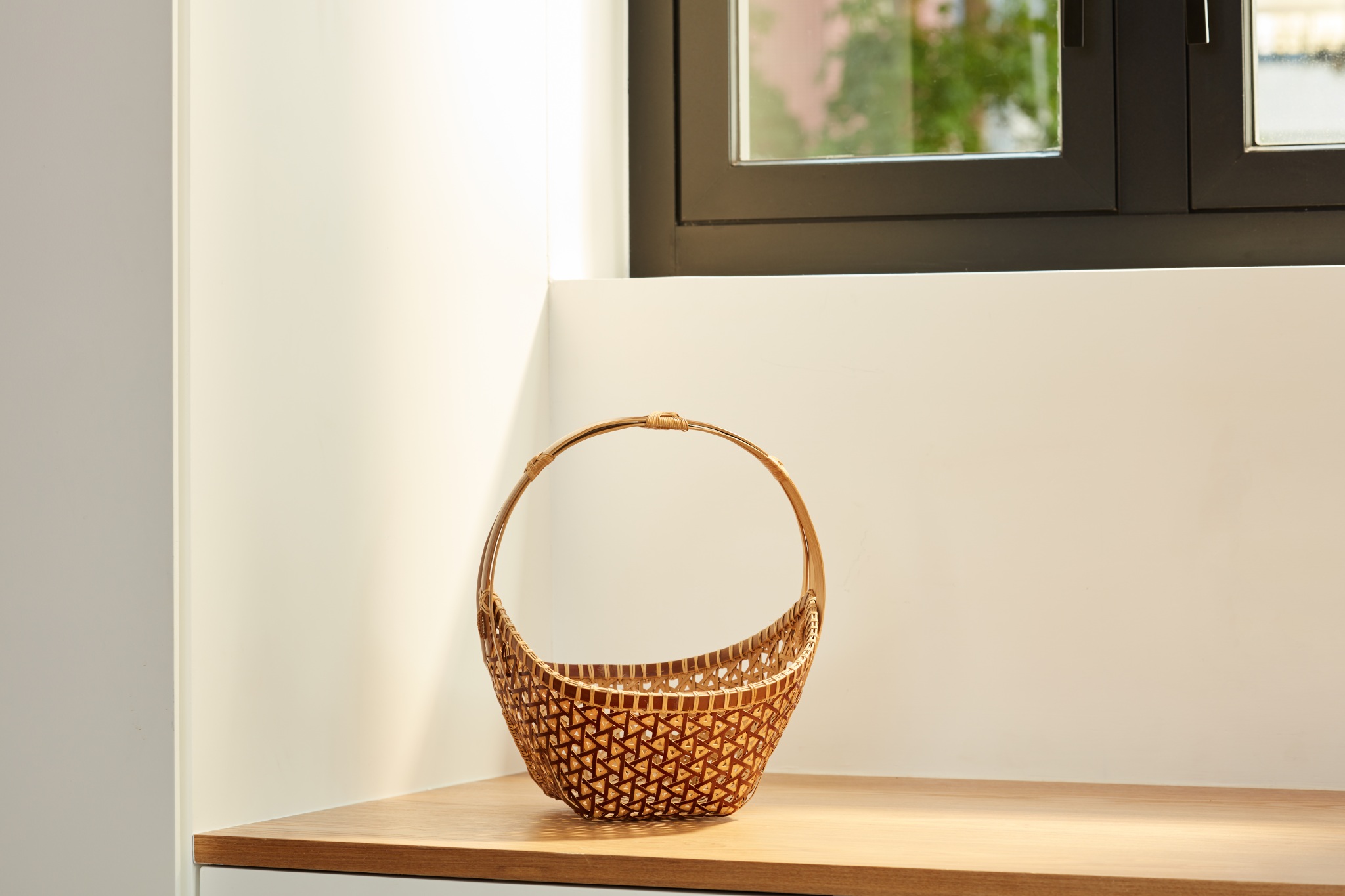
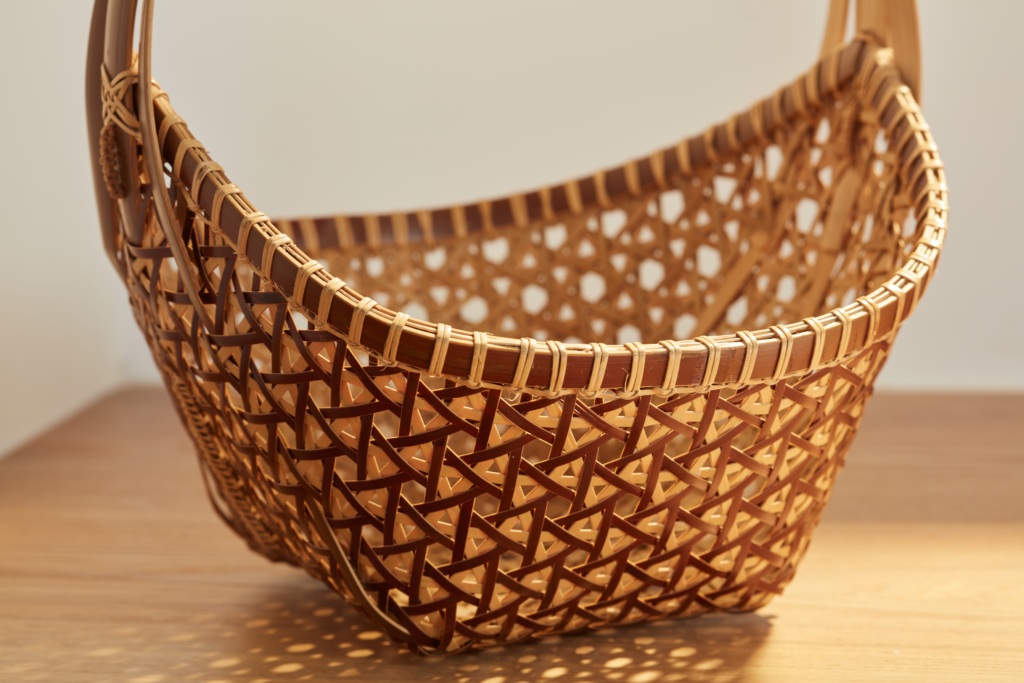
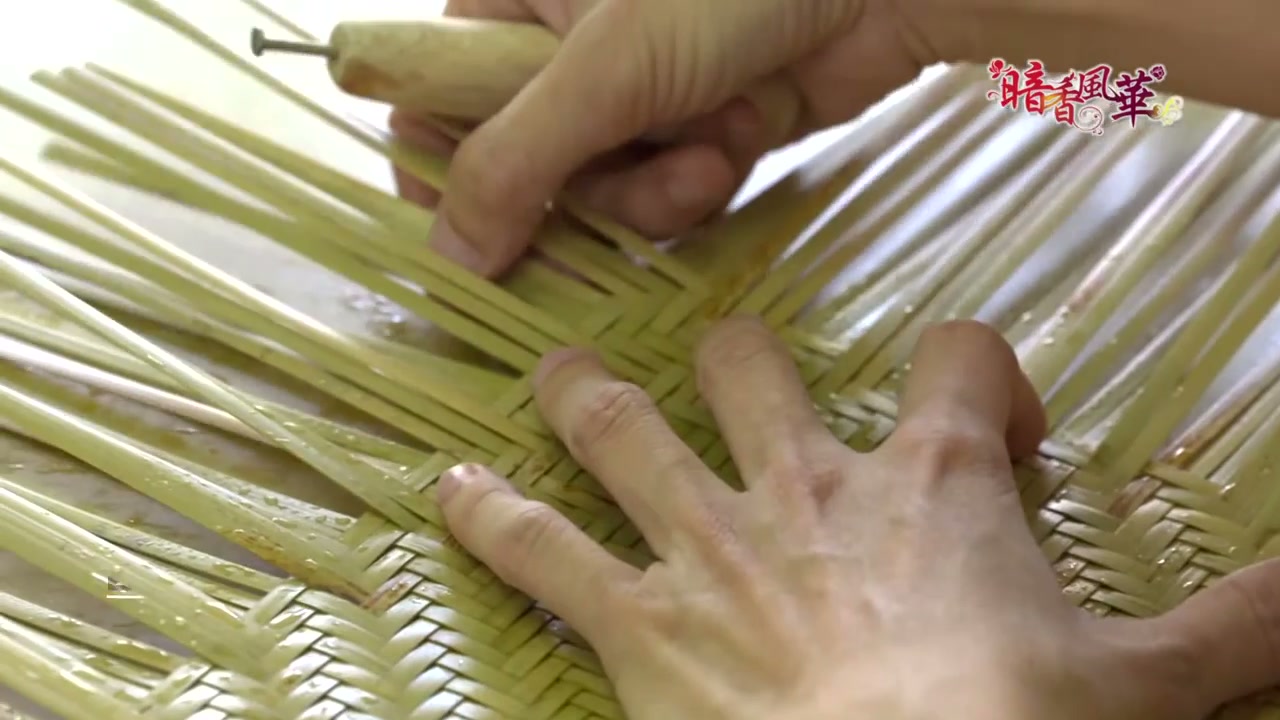
A closer look makes the basket’s small hexagons visible. The organizer describes a hexagonal foundation into which further strips are inserted in different directions. Chen’s learning in Taiwan and Japan comes together in this everyday fruit basket. Following its strips back leads to the work of preparing material, practising repeatedly and bringing those skills into objects people can use.
Before the pattern comes the material
Born in Kaohsiung, Chen encountered bamboo craft while studying cultural heritage. His teaching biography at Fengshan Community University records that he began learning from Tu Su-ying in 2004, studying both everyday bamboo objects and ways to teach their making. He founded Sheng Bamboo in 2008. Behind the finished basket selected in Hong Kong is this longer apprenticeship. Heritage is held not only in collected objects, but also in people who can make, repair and explain them.
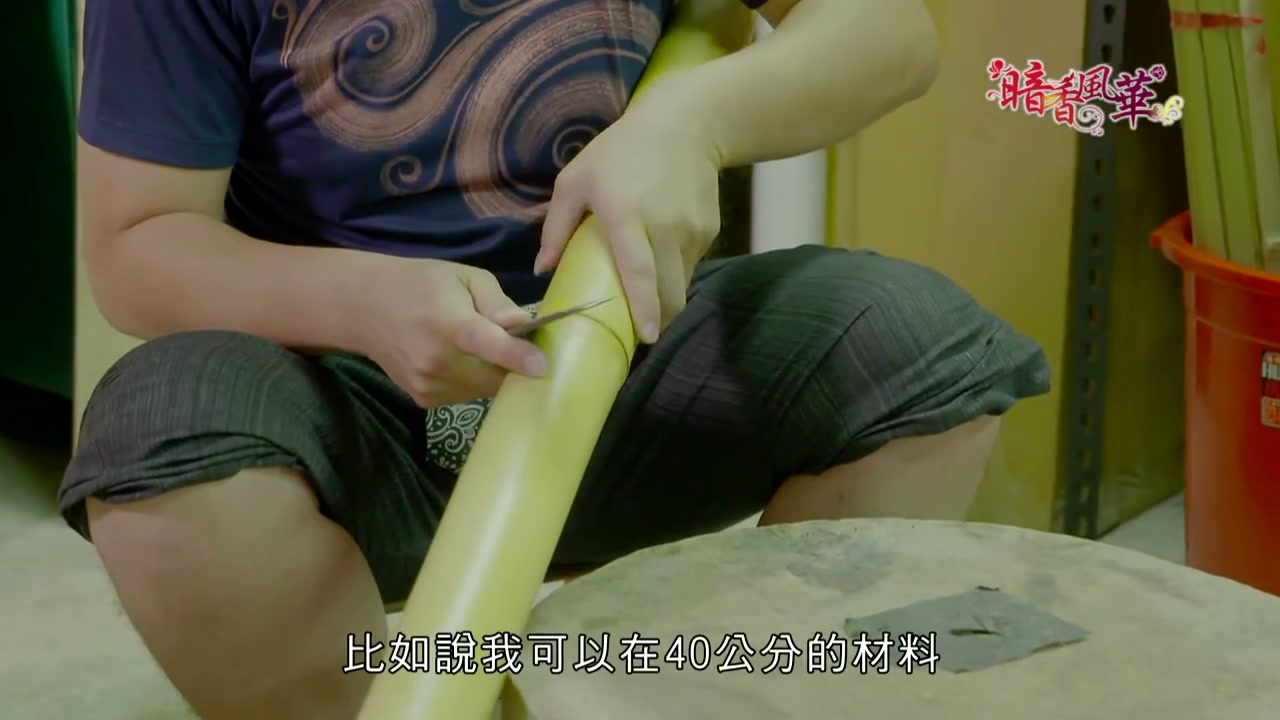
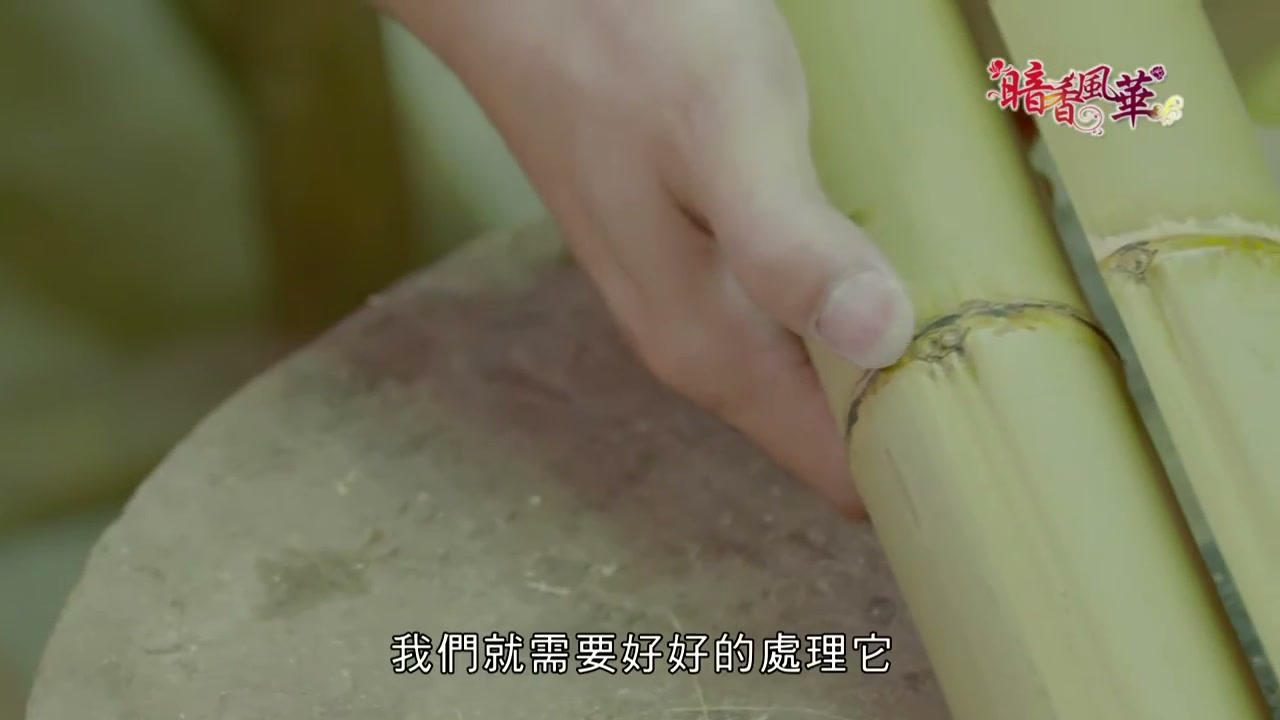
A bamboo culm does not arrive as a supple weaving strip. Chen’s course distinguishes material preparation from weaving: splitting and refining the bamboo comes before building the form. HakkaTV’s 2017 programme shows him explaining a culm, then working through splitting and trimming. The node, width and thickness all affect what can be woven afterwards. Seeing that preparation gives the finished basket another dimension: its construction begins long before its decorative pattern appears.
Learning to make, learning to teach
Chen learned from senior makers in Taiwan and sought other forms of expression abroad. A Kaohsiung Youth Bureau account names Huang Tu-shan and Tu Su-ying; the Hong Kong organizer’s profile records his learning with Japanese bamboo artist Hajime Nakatomi. Everyday objects remained part of his work through these exchanges. Sheng Bamboo combines making with surveying, reproducing and restoring bamboo objects, giving older methods a route back into contemporary use as well as into exhibitions.
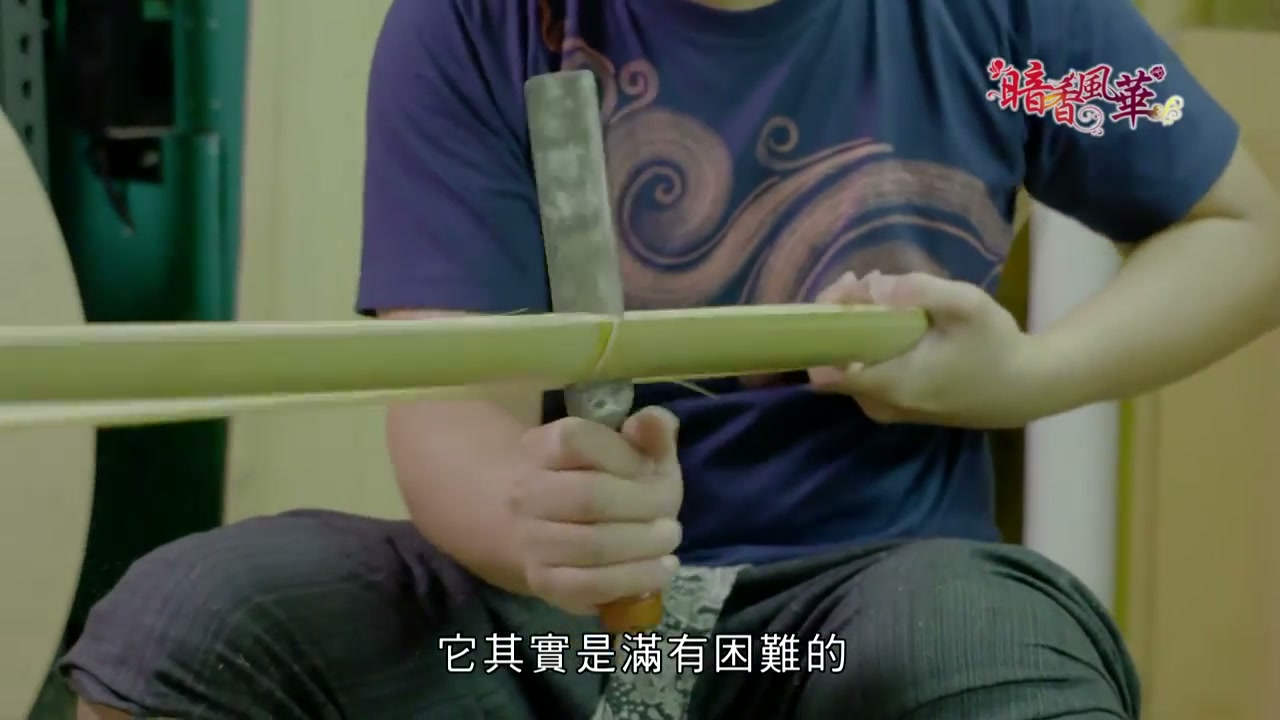
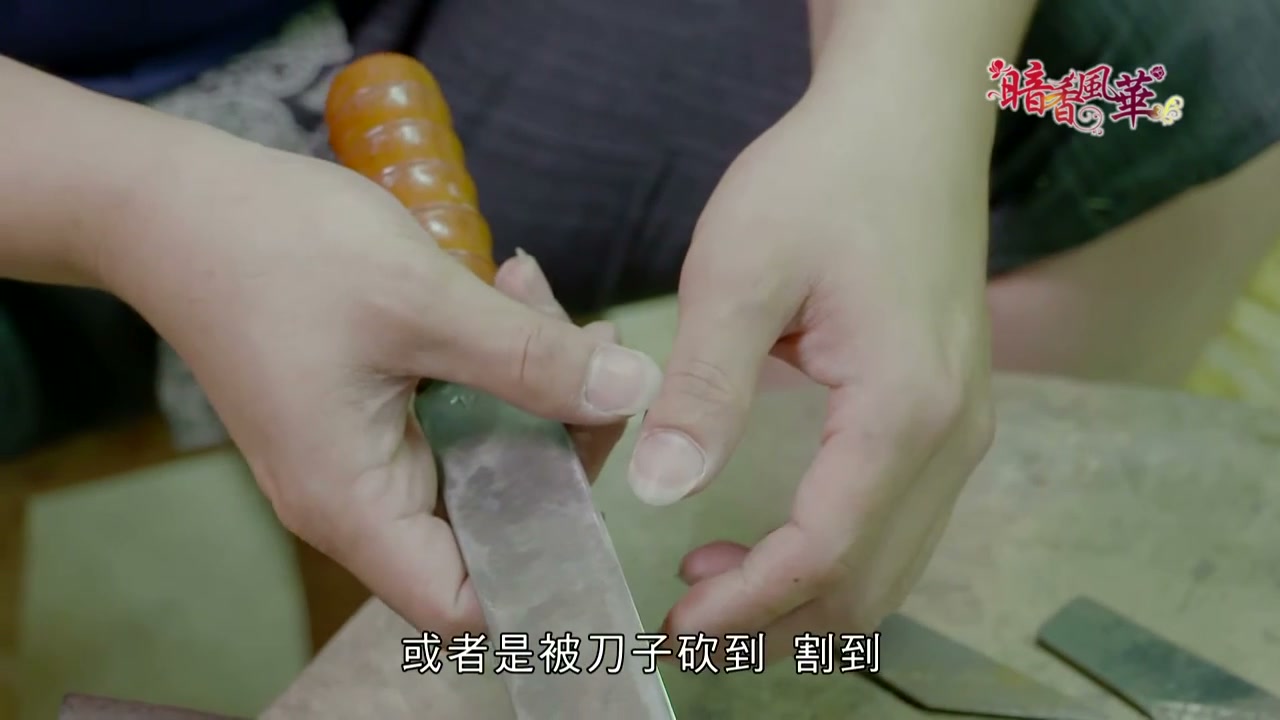
Another difficulty is teaching a skill built through repeated practice to someone touching the material for the first time. Teaching methods were part of what Tu Su-ying passed on to him. As an instructor, Chen breaks complex techniques into more accessible foundations. The aim goes beyond showing a finished object: learners need to understand when the material still needs work and what action should come next.
Where another pair of hands begins
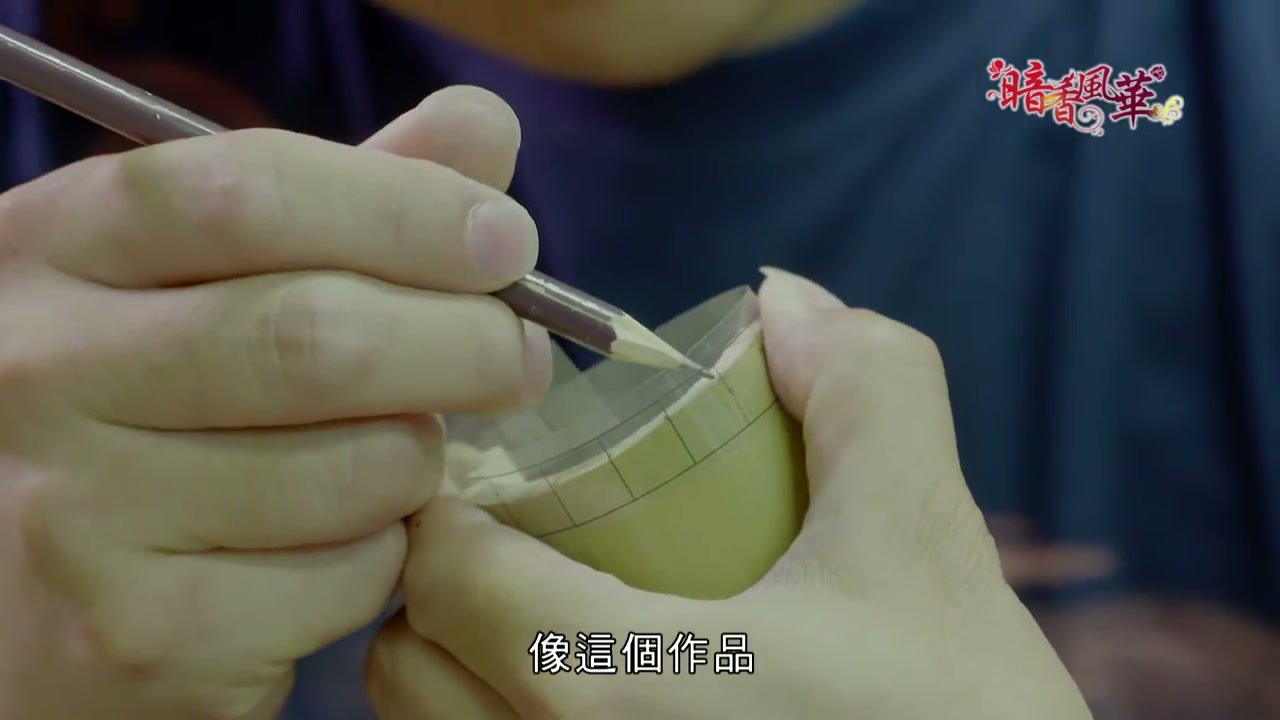
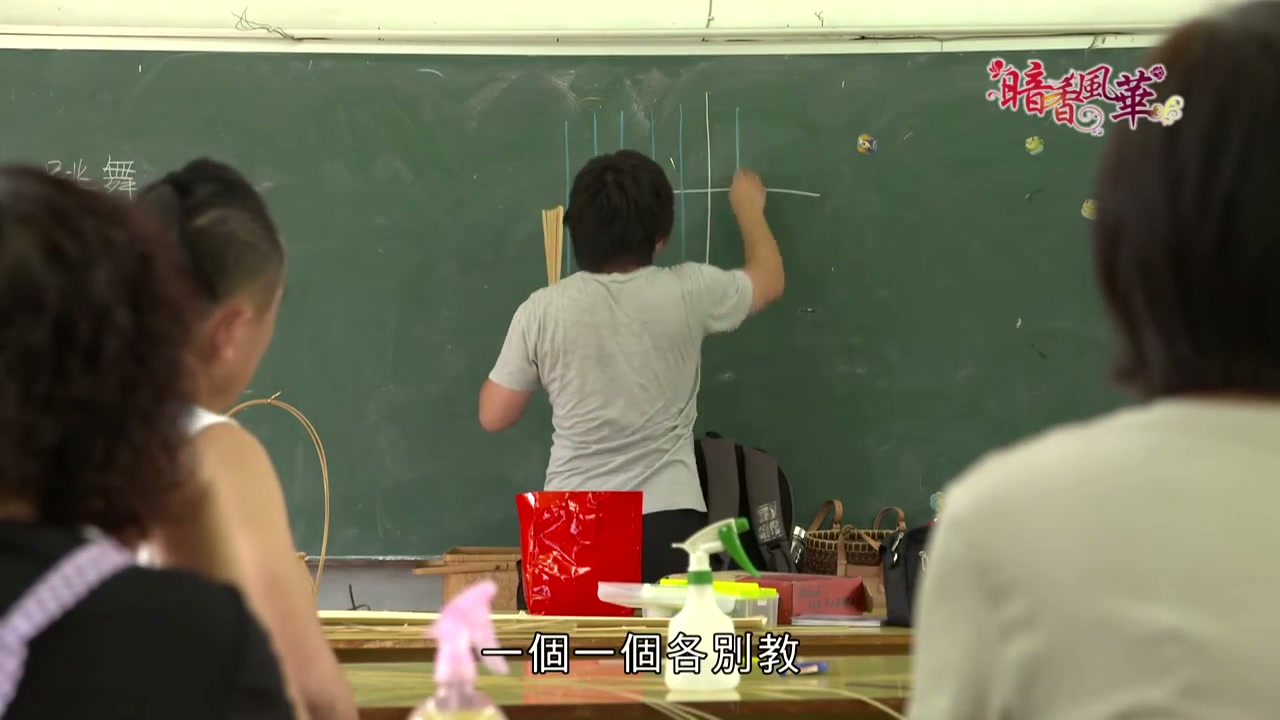
In footage of a Fengshan community class from 2017, weaving hands, a basket used to explain structure and lines drawn on a blackboard appear together. Objects, material and diagrams give learners more than a demonstration of an accomplished maker’s speed. This is a concrete setting in which bamboo craft continues in Taiwan: someone explains how strips cross, and someone else begins working through an unfamiliar action.
Passing on a craft also depends on being able to keep teaching it. The Youth Bureau’s 2026 account describes Chen’s difficulty in moving from individual making and instruction towards a stable course market. It reports that he was planning a teaching website and digital content to reach beyond physical venues. Those plans, alongside his existing public courses, show another part of sustaining the craft: future learners need a practical way to find a starting point.
From the Hong Kong object to a class in Taiwan
To follow the basket’s story in Taiwan, begin with Chen’s course listings at Fengshan Community University. Its autumn 2026 bamboo-material course includes learning about the material, splitting and refining strips, and practical work. Chimei Community University also lists his Satoyama Life: Bamboo course. These are term-based classes rather than drop-in attractions; the current Chimei listing is full. Check the organizers’ next intake or public activities before arranging a visit.
In Hong Kong, an exhibition brought a Taiwanese maker’s basket into view. Following it back to Taiwan shifts attention from the pattern to the material, then to the person learning to use it. At a public class, look beyond the final object: notice how strips are prepared, how the teacher explains a structure and how a beginner joins the work. The object leads back to daily life. A skill continues through people who can understand it, use it and pass it into another pair of hands.