A book gives Hanoi a Taiwanese village
On 24 September 2018, Hanoi’s University of Social Sciences and Humanities launched Gánh vác ngọt ngào with its author, Wu Sheng—Ngô Thịnh in Vietnamese—present. A local reader could begin with a familiar question: what does a parent carry for a child? The title makes responsibility approachable before the reader knows the writer’s village. There is already a person on the other side of the water, doing work a household can recognise.
The publisher identifies the title with a poem about a parent’s love and responsibility. Its selection pairs poetry and prose around shared themes. That form offers two entrances. A reader can first meet a feeling in a poem, then look for circumstances in the accompanying prose. The book’s title carries a burden, but its arrangement leaves room to approach it at different speeds.
The writer remains close to the ground
Wu Sheng comes from Zhenliao in Xizhou, Changhua. Alongside poems and essays, his life includes farm work. The location gives the translated book a specific ground. A Vietnamese reader does not have to treat the village as a model of every Taiwanese place. One writer’s work begins from somewhere particular, where family and land can enter the same account of responsibility.
The Vietnamese critic Nguyễn Hữu Sơn read the collection through rural change and environmental damage, and considered those concerns relevant to Vietnamese readers. The response has a location of its own. A reader in Vietnam can bring local questions to a book from Changhua without erasing the place that produced it. Translation makes that encounter possible; criticism records what someone on the receiving shore chooses to ask.
Two translators make room between languages
Nguyễn Thu Hiền, 阮秋賢, and Nguyễn Thanh Diên, 阮青延, translated the volume through cooperation between their Hanoi faculty and National Cheng Kung University. The publication has working names behind it. The Taiwanese poems do not simply arrive: two teachers have to decide how another reader can encounter them. Their work gives the author’s village a Vietnamese reading life.
The translation took more than six months. Taiwan’s literature museum and the two universities worked with Vietnam’s Văn học publishing house to bring it to readers. The time and the division of labour matter together: translation requires attention to sentences, publication requires an edition, and a launch gives people an occasion to respond. A cross-sea relationship becomes concrete through these successive jobs.
The reader may have trouble with the form
Nguyễn Hữu Sơn also noted a difficulty: translated poetry cannot retain every original quality, and the poem-and-prose pairing is not automatically easy to receive. His response preserves effort on both sides. A translated book can open a conversation while still demanding patience from its reader. Agreement and immediate familiarity need not be the measure of whether the encounter has mattered.
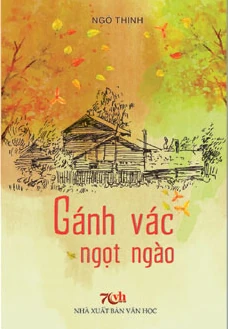
The publisher lists an edition released in September 2018 and credits both translators on its book page. The Vietnamese cover supplies an object to return to after the launch. Look at the title, the author’s Vietnamese name and the publication mark, then turn to the translators in the book’s information. A reader meets a voice through an object prepared by several people.
The reading returns to Taipei
On 8 March 2019, the Vietnamese edition was presented at Taipei’s Qi Dong Poetry Salon. Wu Sheng and Nguyễn Thanh Phong read in alternating Chinese and Vietnamese; Wu Chih-ning sang Load. The printed work became an event with more than one voice. A person listening could hear a language arrive before understanding every word, while the performers made space for one another in the same programme.
Wu Sheng said the project mattered for future cultural and literary exchanges between Taiwan and Vietnam. A launch then becomes part of a longer task. Translators, teachers and readers can continue after the author’s visit has ended. What travelled across the sea was a particular selection, and what came back was an occasion for people in Taipei to hear it differently.
Read again in the former poetry salon
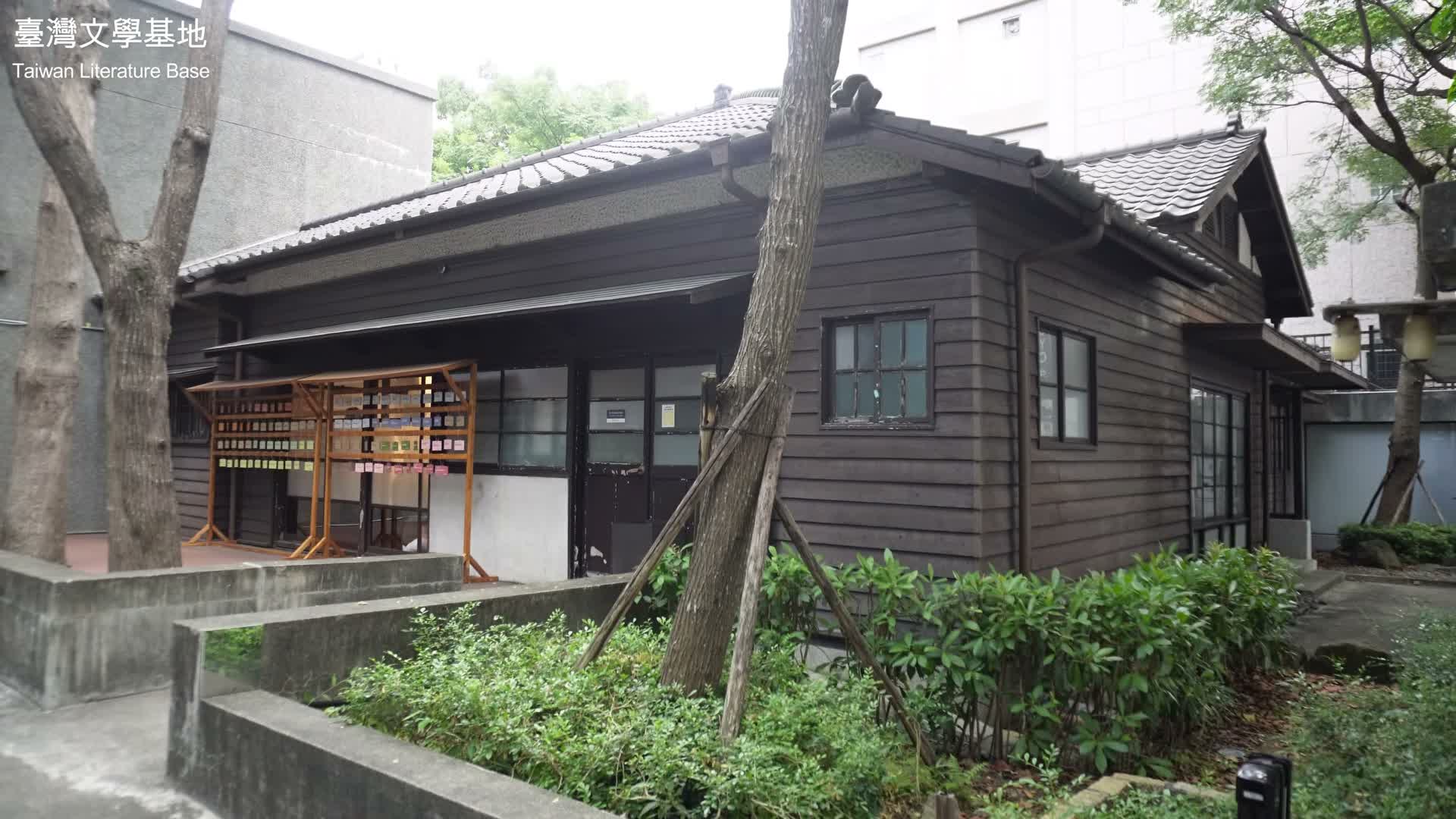
The former Qi Dong Poetry Salon became part of Taiwan Literature Base, whose seven restored dormitories opened together in 2021. Today the wooden Qi Dong She sign gives the earlier name a visible place. The 2019 reading is over, but the literary site has another life. Visit with a poem or an essay, and look for how the buildings make room for a person to spend time with words.
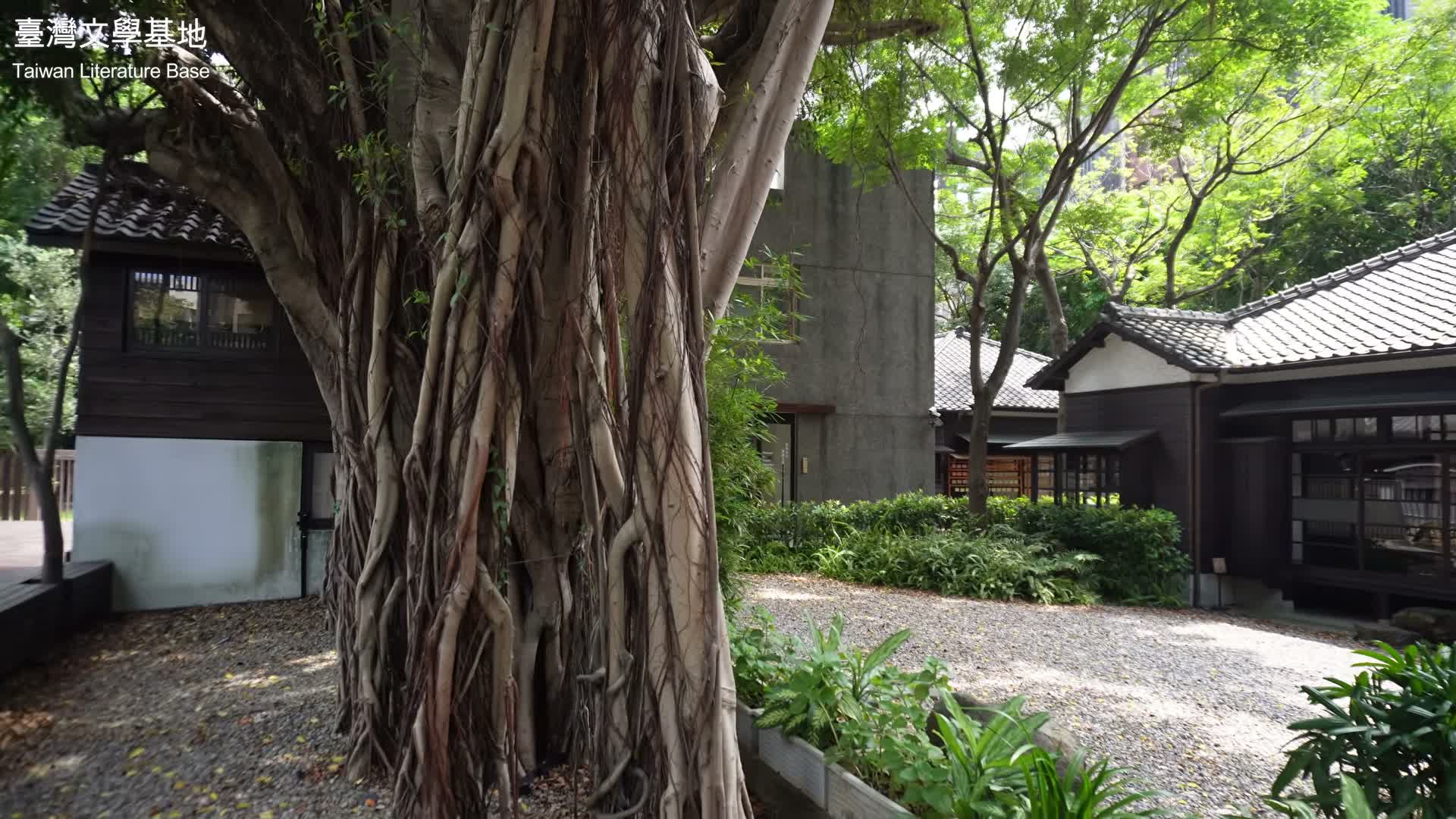
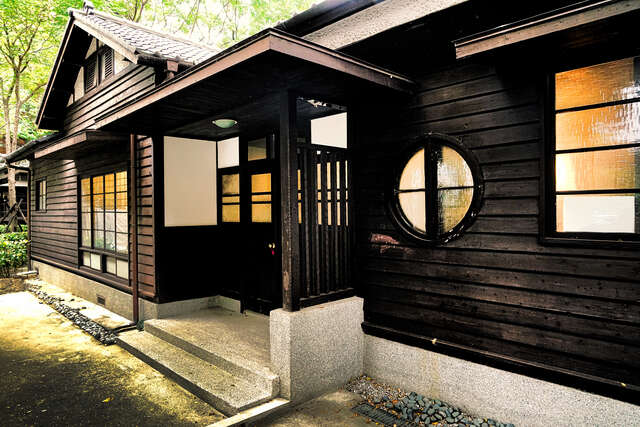
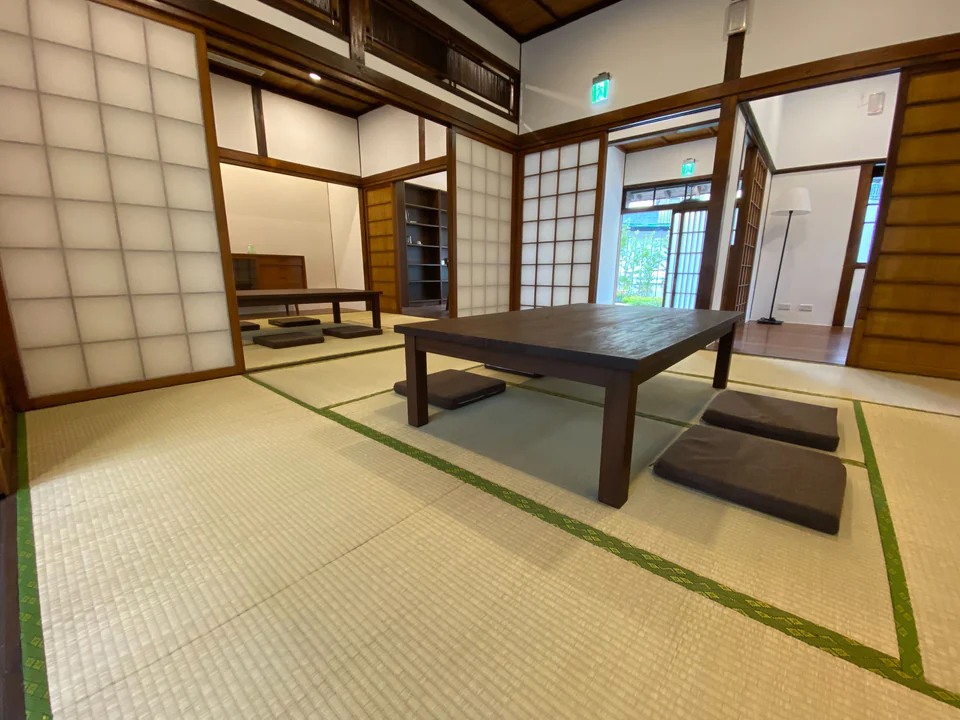
Choose one passage about family or land and read it slowly in the public areas open that day. Then notice the empty room in the institution’s photograph of the Base’s writers’ residence, Muse Courtyard (繆思苑): timber, tatami and a place to pause. The Vietnamese book and this Taipei site meet through the work of reading. You do not need to recreate the launch to continue its question—what becomes possible when another person gives a familiar responsibility different words?