A Hanoi writer’s map begins elsewhere
A run beside Hanoi’s Red River is one of the images Trang Hạ placed in her 2017 account of becoming a runner. Her map reaches back to Kaohsiung: in May 2005, she began running the hills around Sizihwan. A Vietnamese reader can follow that reversal—from a familiar writer at home to an earlier life on another shore. The bay was already part of a life being worked through, long before it became a place to visit through her books.
Trang Hạ writes from Hanoi about women, families and young people seeking a life of their own. Her work also includes translation from Chinese. That position matters to this journey: she can carry a place home in words, then let people who never travelled there read it. The crossing does not end when a plane returns. It continues whenever a Vietnamese sentence gives a Taiwanese place or encounter a second setting.
Six months became six years
In 2003, she arrived in Taiwan as an exchange student. A six-month leave from family duties became six years on the island. The initial arrangement has a practical size: time away has to be discussed with the people who remain at home. The extended stay changes the scale. What began as a temporary absence becomes a period with enough time for study, work and the repeated encounters that a short visit seldom holds.
Wenzao’s library and internet opened up her reading; everyday encounters drew her writing toward nonfiction. The lesson was not confined to a degree. A writer who gains access to more books also has to decide what to notice outside them. Her account gives Taiwan a human scale: the next person she meets may change what she considers worth writing, and ordinary life can supply a subject that an earlier plan did not contain.
The body finds a way forward
In that 2017 account, she connects the Kaohsiung runs to money pressures, work trouble and disappointment. Later she moved to Taipei to seek an international press card. Her own sequence makes the Taiwanese years feel less like a settled success story. Running and professional movement sit beside unfinished problems. One action can happen before the rest of a life has been resolved; a writer can move while still having things to work out.
Back in Vietnam, the movement gained another family setting. At the 2017 Vietnam Mountain Marathon she ran a first ten-kilometre distance with her nine-year-old son. The route now held two generations. A practice begun during time away could become something shared at home. Her account leaves a concrete consequence of the journey: the family’s next memory is made through doing something together.
The bay enters Vietnamese sentences
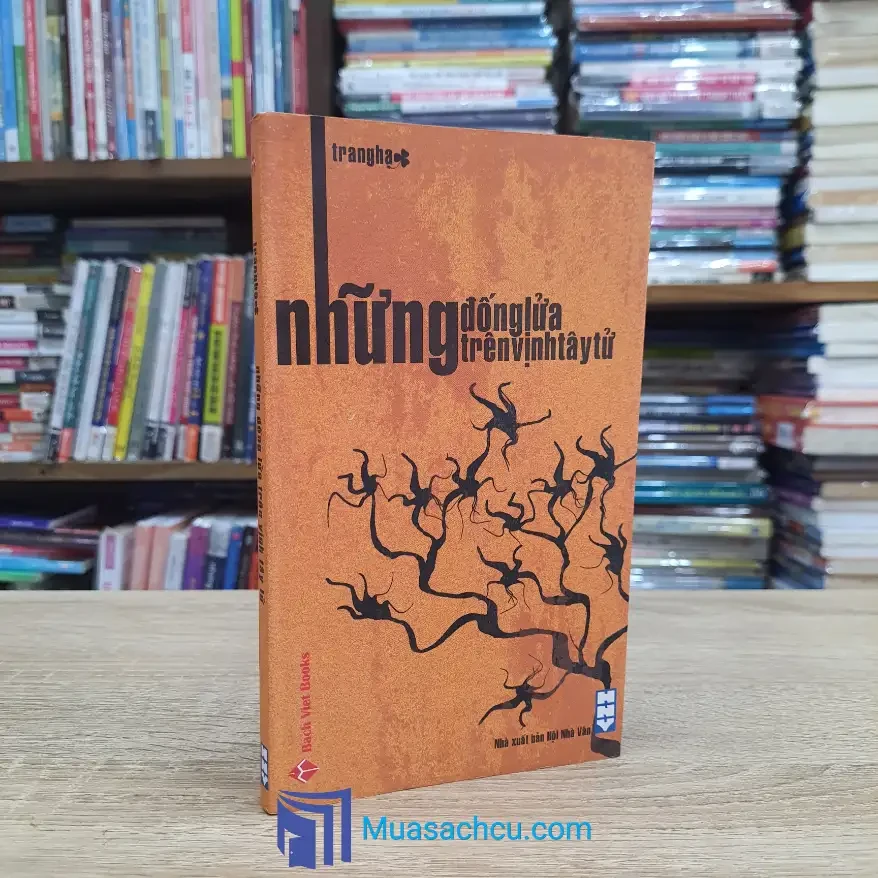
Những Đống Lửa Trên Vịnh Tây Tử, commonly rendered as The Fires on Sizihwan Bay, gives the place a Vietnamese title. Its title story is fiction. A departure from Kaohsiung airport and a relationship beside the bay belong to its narrator’s world. Reading them as literature allows the city to become more than a scenic name, while leaving the author free to make characters rather than requiring every event to be a record of her own life.
Another novel, Chồng xứ lạ, puts domestic work inside a Taiwanese marriage. In the published excerpt, the narrator sees her husband cook, clean and shop, yet also encounters his expectations about pregnancy. The detail complicates an easy account of freedom abroad. A household can offer care and make demands at the same time. In fiction, the woman has room to describe that mixed experience in her own voice.
Readers carry the journey further
Some readers told her they chose Taiwan for study or travel after reading her books. Those are reported responses, each with a future journey attached. The writer brings a place into a language; a reader may then put that place into a family’s plans. There is a new decision between the book and the departure. Literature has supplied an opening, while the person reading still chooses how to use it.
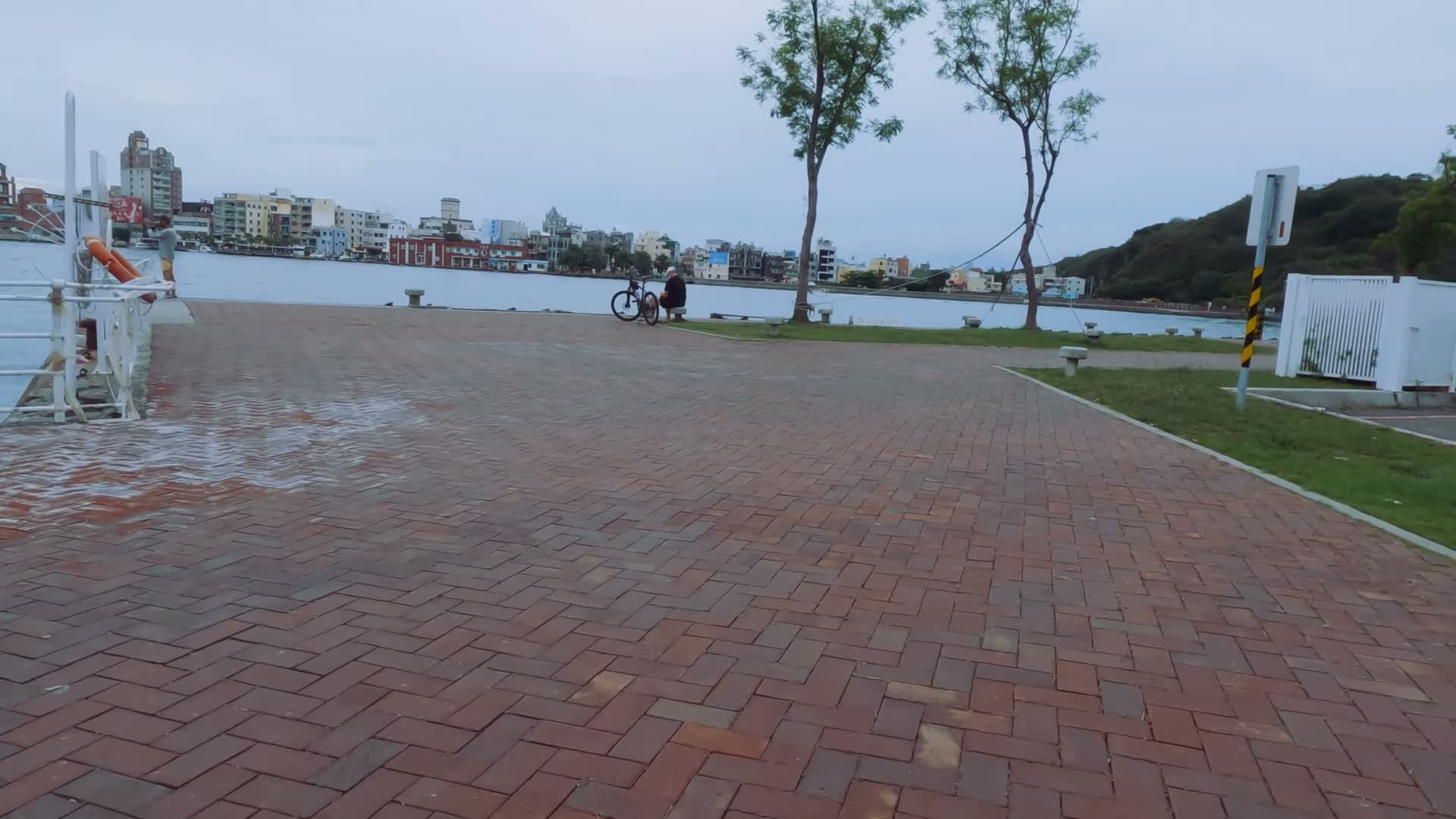
She also said Taiwanese women’s independence informed her writing. The point follows the reader back into daily life. Who can choose time for study? Who takes responsibility for the home when someone goes away? These are questions a book can keep active after the page is turned. Her Taiwanese years enter Vietnamese conversation through the ordinary arrangements that determine whose life can change.
At Sizihwan, read a working shore
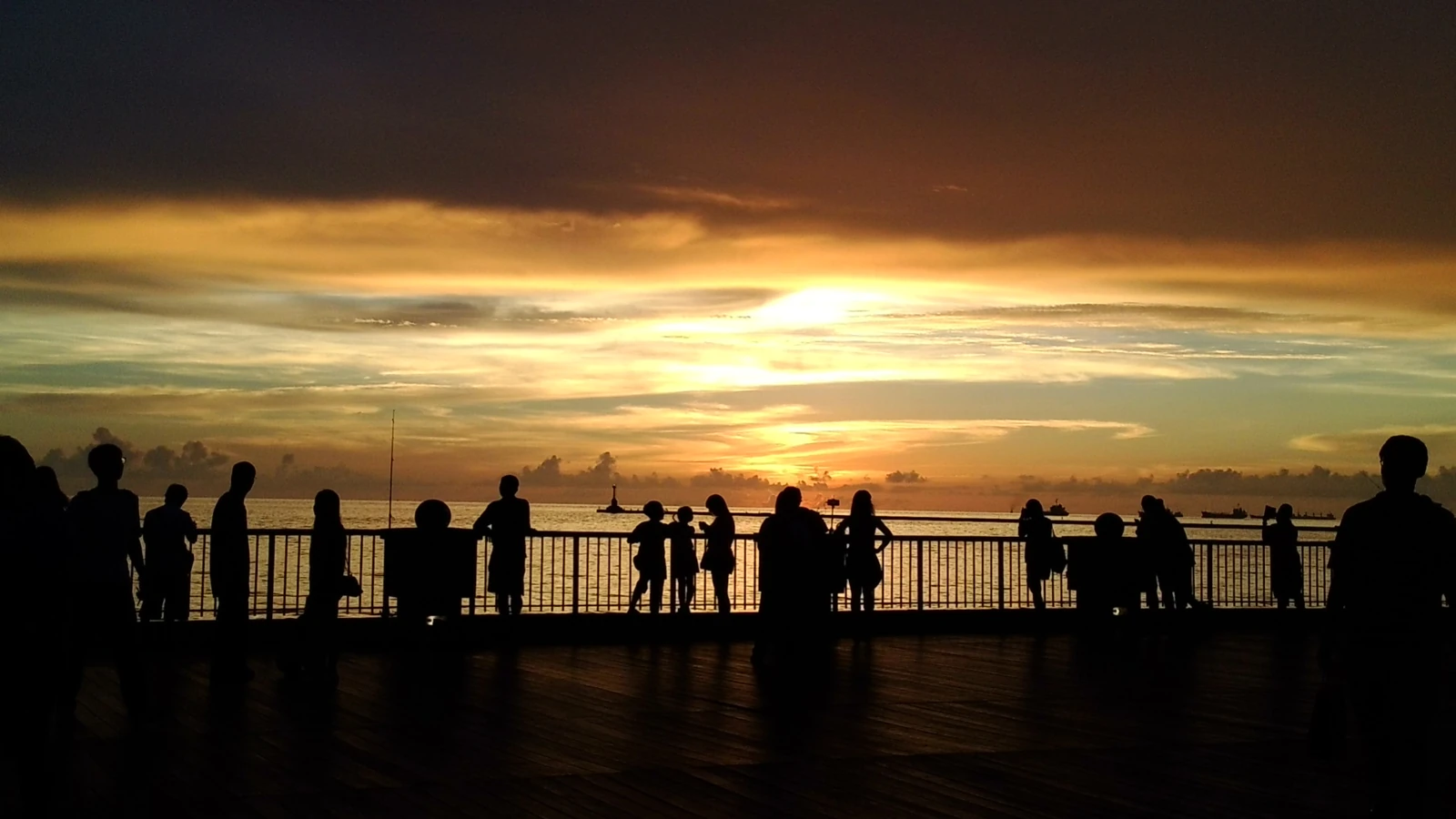
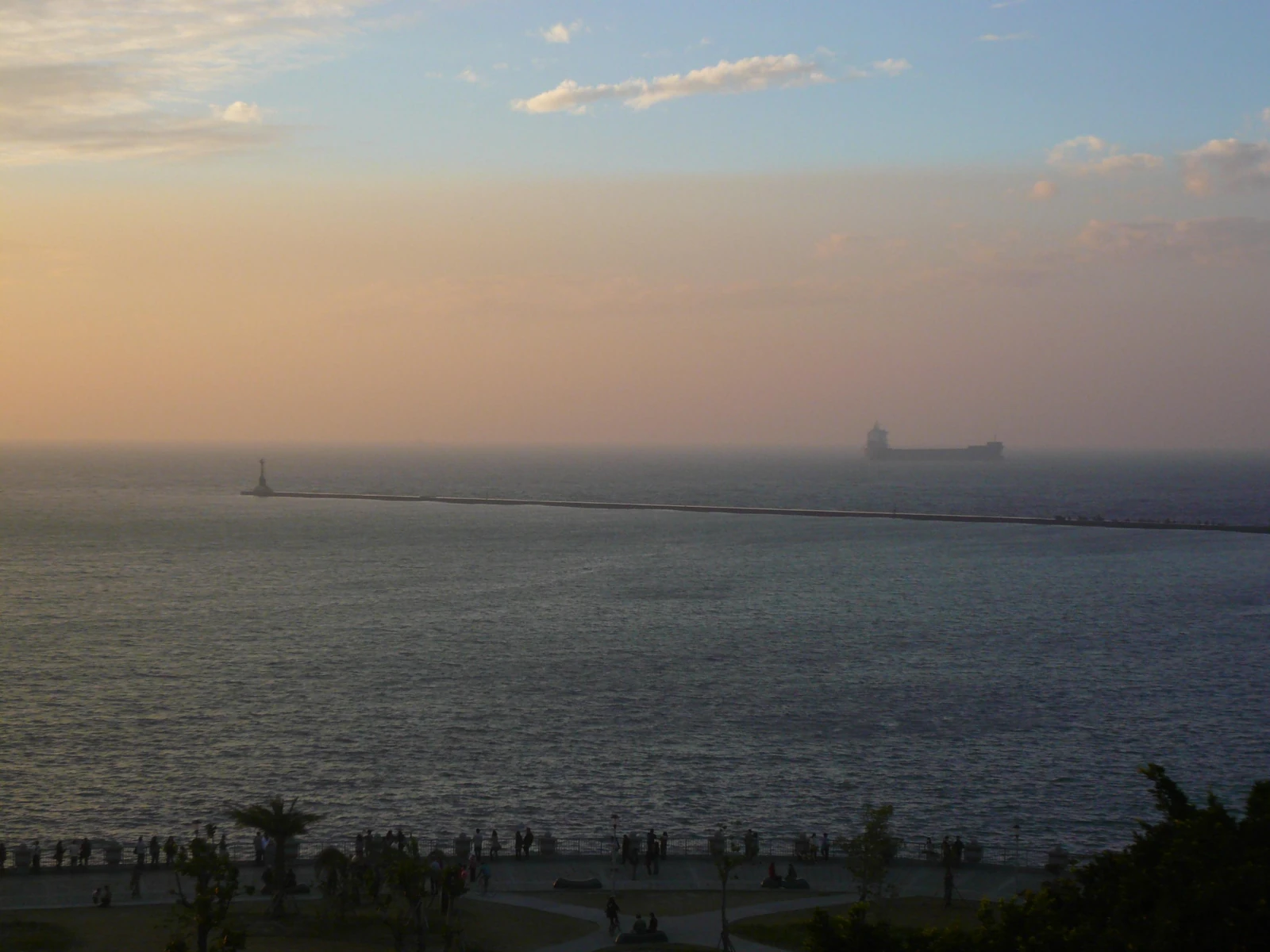
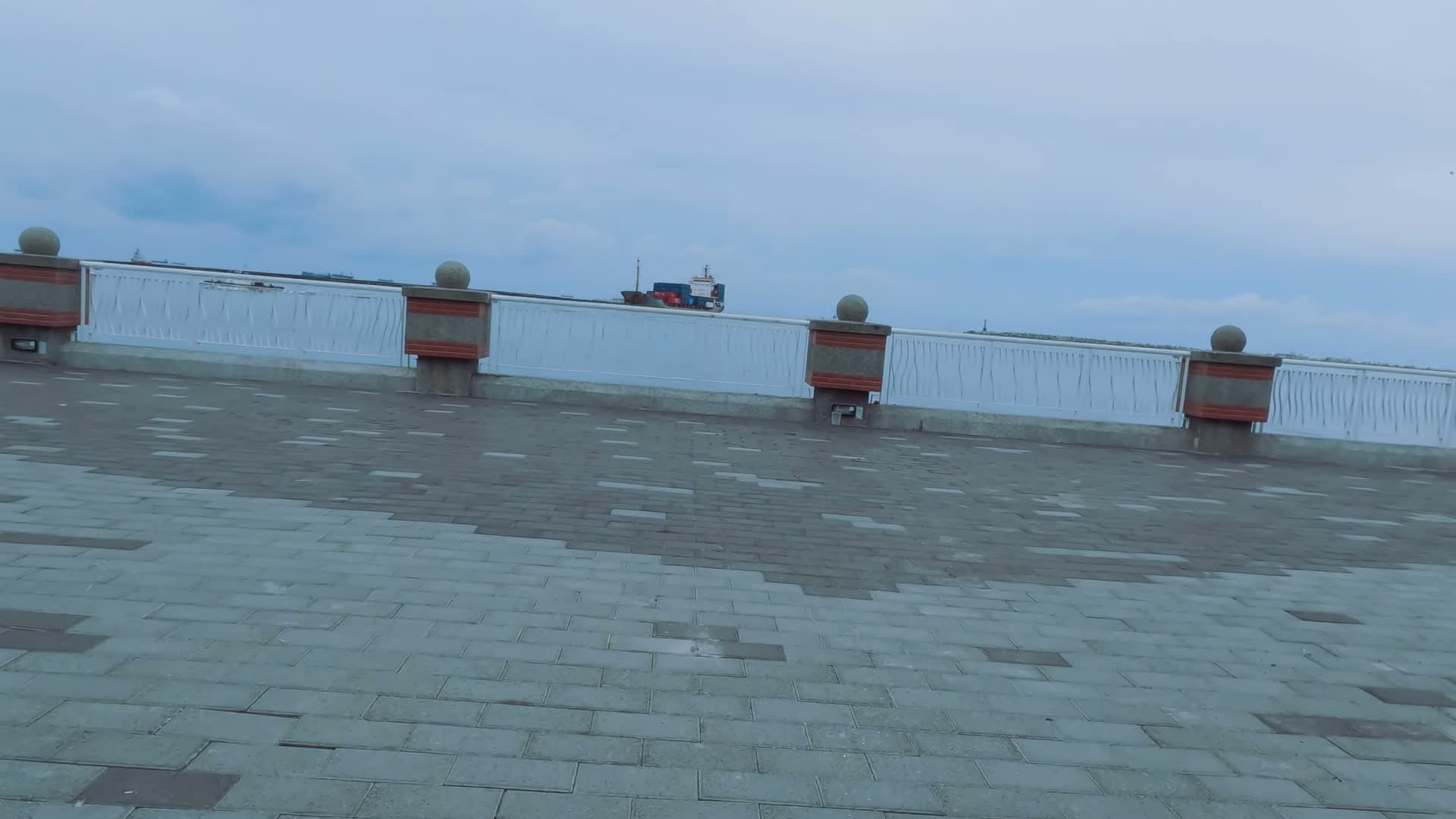
Today, Sizihwan’s public waterfront offers views of the sea and Kaohsiung harbour. Begin with the coastline in front of you, then read a short passage that names the bay. The words and the place will not have the same frame: a sentence can follow a character’s departure, while the shore opens onto a wider city. Looking between the two lets the reader keep both the writer’s choices and the present landscape in view.
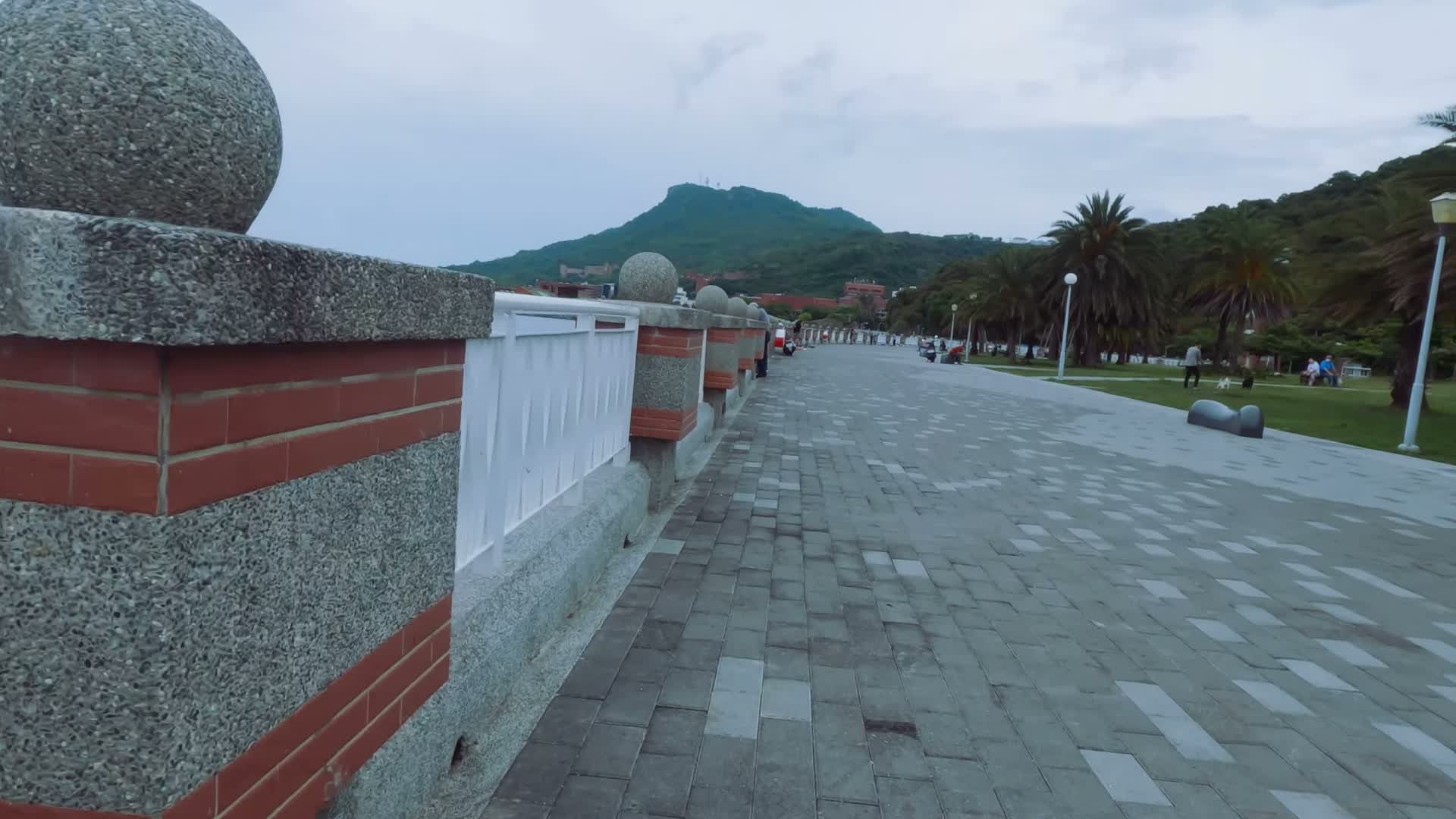
The two landscape photographs here were made in 2013 and 2016. They offer dated views, not the exact hills she ran in 2005. On your visit, choose a public place to pause, read and look again. Notice what the book asks you to attend to, then let the place supply details of its own. The journey begun in Vietnamese words can end with a reader making a new observation in Kaohsiung.