A place for books, and for meeting their writers
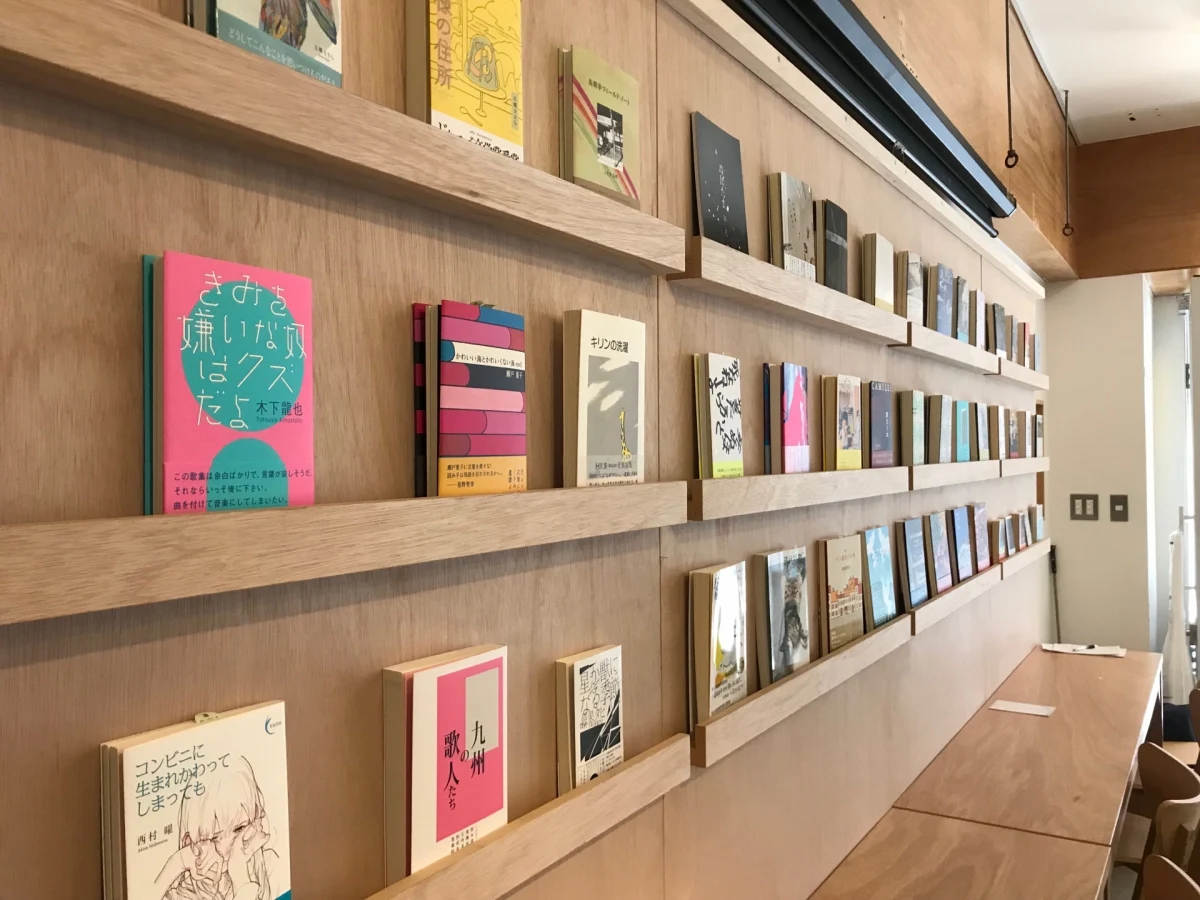
Ajiro is a bookshop and café in Tenjin, Fukuoka. Its shelves concentrate on literature from abroad and poetry, while readings, conversations and book groups bring people into the same room. A translated book can therefore have several lives here: a book to take home, a passage to hear aloud, and a reason to meet the person who wrote it.
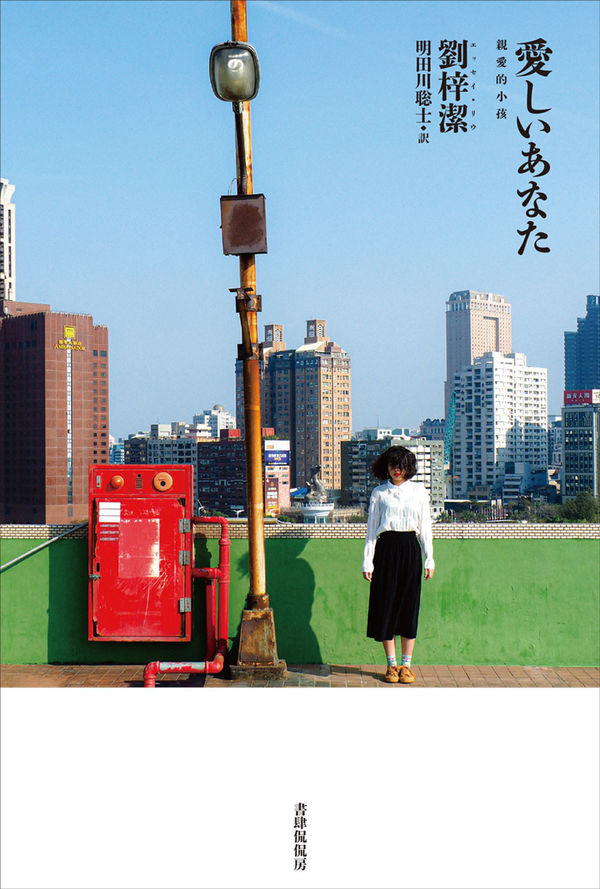
The publisher Shoshi Kankanbou chose this setting for Essay Liu’s visit. It published her collection as 愛しいあなた, Itoshii Anata, in its Contemporary Taiwanese Literature series in October 2022. The Japanese title means roughly Dear You; the Taiwanese original is 親愛的小孩, My Dear Child. A new title was now part of the work’s arrival in another language.
Ten years of stories before a new language
Liu’s first short-story collection appeared in Taiwan in 2013. Ten stories brought together work developed over a decade. The book follows people caught in love, disappointment and questions about having children. The experiences belong to particular characters, told with an eye for awkward encounters and abrupt changes in a relationship. Those characters, rather than an introduction to Taiwan, were what crossed the sea.
Liu also works across prose, screenwriting and film. Her earlier Father’s Seven Days became a film for which she wrote the screenplay and co-directed. Moving a story between forms was already part of her practice. Japanese publication brought a different task: her words would be carried by a translator, and readers would meet the scenes without necessarily sharing the Taiwanese setting.
Taipei remains inside the Japanese sentences
Satoshi Aketagawa translated the collection. In the opening of its title story, a woman wants a child; her friends recall the years when seeing small children on the Taipei metro could make them cry. The place name remains in the Japanese passage. A reader meets the city through someone’s unease on an ordinary journey, rather than through a list of sights.
The passage then turns to a restaurant’s last orders. The narrator imagines time as a courteous waiter repeatedly asking for a decision, and a kitchen that will eventually close. This is a small, concrete image to compare between the Chinese and Japanese openings. Following one image across languages offers a way into the book, before forming a view of the collection as a whole.
The author comes to Tenjin
For 25 February 2023, Kankanbou arranged a conversation between Liu and Hitomi Kanehara, who had written a recommendation for the Japanese edition. The event was titled 愛はいつも痛い, Love Always Hurts. Aketagawa was invited to host, with an interpreter supporting the encounter. The author, the translator and a Japanese novelist could each approach the same book from a different working position.
Liu later recalled the visit in a Taiwanese essay. The Japanese edition had given her an unexpected chance to return to Japan, she wrote; the publisher held a small book launch in Fukuoka, where she talked with Kanehara. That recollection gives the announcement a human continuation. A Taiwanese writer made the journey, and a bookshop became the place where the translated book brought them together.
Follow the original back to Taichung
Ajiro continues to sell overseas literature and to organise literary gatherings. The 2023 conversation belongs to its history; today’s visit follows its current programme. In Taiwan, My Dear Child also has a museum record: Taichung Literature Museum holds a copy of the original publication. Translation and collection preserve different things—one enables another language of reading, while the other keeps a published object within a city’s literary memory.
At Taichung Literature Museum on Lequn Street, begin with the permanent displays about literary communities and writers. Notice how a date, a magazine or an author’s working life is used to introduce a piece of writing. The collected copy of Liu’s book is not guaranteed to be on display. Bring the questions raised by its Japanese journey instead: who writes a city’s lives, who translates them, and how are the works kept for the next reader?