
01
A market visit changed what he planted
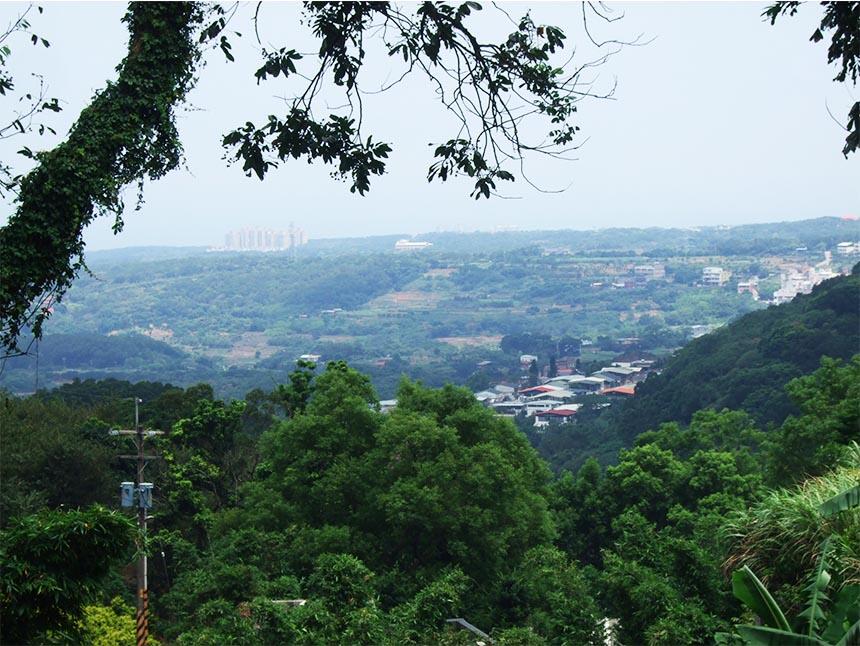
Before it became known for flowers, Fengshuhu was a hillside farming settlement above Tamsui. Its crops changed as livelihoods changed. The district’s local history describes tea growers turning to citrus as mechanised tea production challenged older methods. The later flower fields belong to this history of households looking for a crop they could sell, rather than to a landscape created solely for visitors.
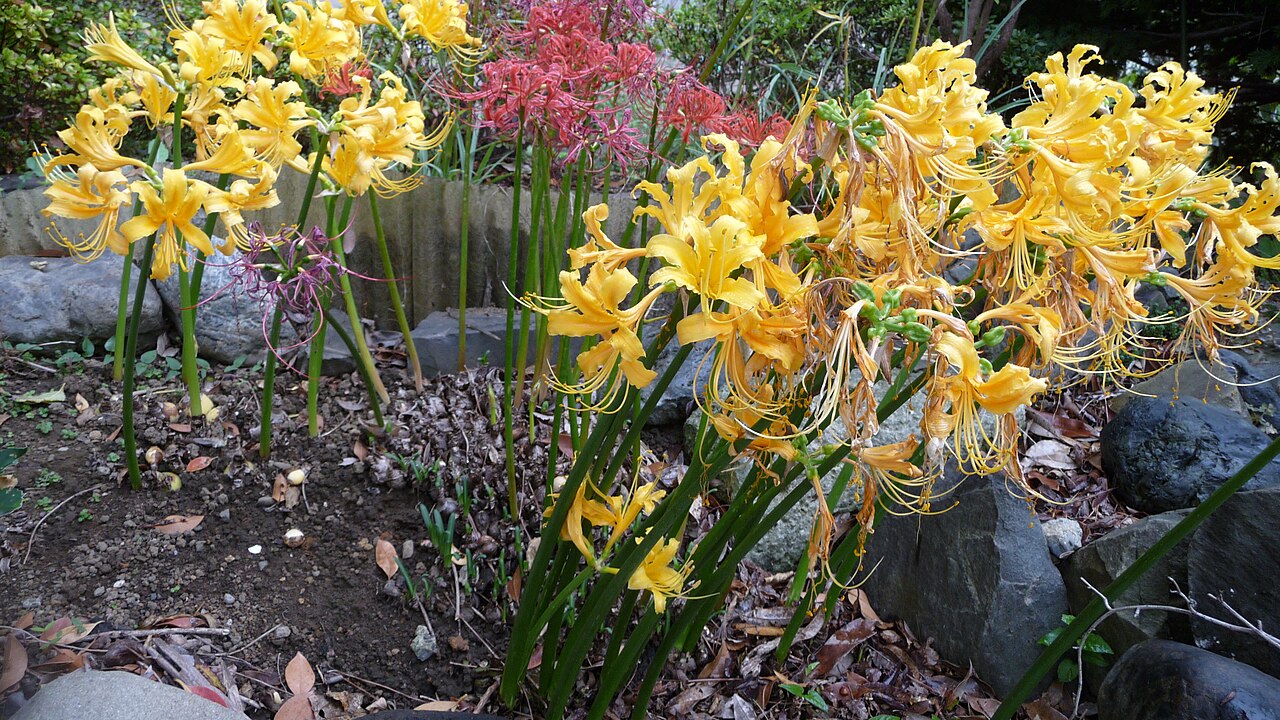
In 1976, grower Chang Shih-shih encountered golden spider lilies from Yilan while selling gladioli on Taipei’s Jiuquan Street. He bought bulbs and tried growing them at home; neighbours subsequently joined in. The local account records one grower’s experiment, not the first appearance of the species in Taiwan. A trading street had supplied both a place to sell and a new idea to take back uphill.
02
The order could not make the flowers open
The crop reached overseas in two forms. Agricultural research records autumn cut-flower exports to Japan and bulb exports to Japan and the Netherlands. The distinction matters to anyone buying flowers: a stem supplies a bloom now, while a bulb supplies material for another growing season. These were different uses for the same plant, not a single journey ending at the same kind of shop.
A 2016 account by New Taipei’s Agriculture Department puts a grower back into that export story. Production-group leader Huang Chin-fu described how a dry July and August had delayed flowering. When the plants finally began to bloom, the short life of fresh cut flowers made air transport important for the Japanese market. Weather in a Taiwanese field and the time left in a cut stem both mattered before the flower could become an arrangement abroad.
That episode also changes how to read a flower-season advertisement. A calendar gives a usual season, not a guarantee for a particular visit. Behind a display are decisions about irrigation, harvesting and delivery. The grower must work with the plant’s timing while also dealing with the buyer’s timing; the photograph of an open flower shows only the moment when those demands briefly meet.
03
Read a working hillside
For a Dutch reader, a catalogue listing Lycoris aurea can offer a recognisable starting point. It does not identify the buyer of a particular shipment from Fengshuhu. The documented connection is the export of planting material to the Netherlands; a modern catalogue should not be used to invent a historical purchase by a named company or city.
On a visit to Fengshuhu, observe the relationship between farm lanes, plots and public paths. The field continues to be someone’s workplace outside the flowering season. Stay on permitted routes, leave flowers and bulbs in place, and check access before travelling. The separate Tamsui waterfront walk offers another local outing, but neither its transport nor its walking time covers the hillside journey.