
A small event opens a larger question
In May 2026, Associated Press reported on Cheng Jen-shou’s snail race in Fenglin, an idea that followed the 2024 earthquake. The unlikely sporting image offers an easy way into a town on Taiwan’s east coast.
Fenglin received international Cittaslow certification in 2014; the Taiwan alliance followed in 2017. A designation can give a visitor a name to remember. Understanding the place takes another step: asking what people were doing here before the word “slow” appeared on a travel itinerary.
Consider a working building rather than a finish line. A tobacco barn has an opening in its roof, walls shaped around heat, and a history tied to a crop. Those features redirect attention towards people who had to watch a process closely. A leisurely visit can begin with the recognition that someone else’s life involved demanding work.
The barn kept people close to the fire
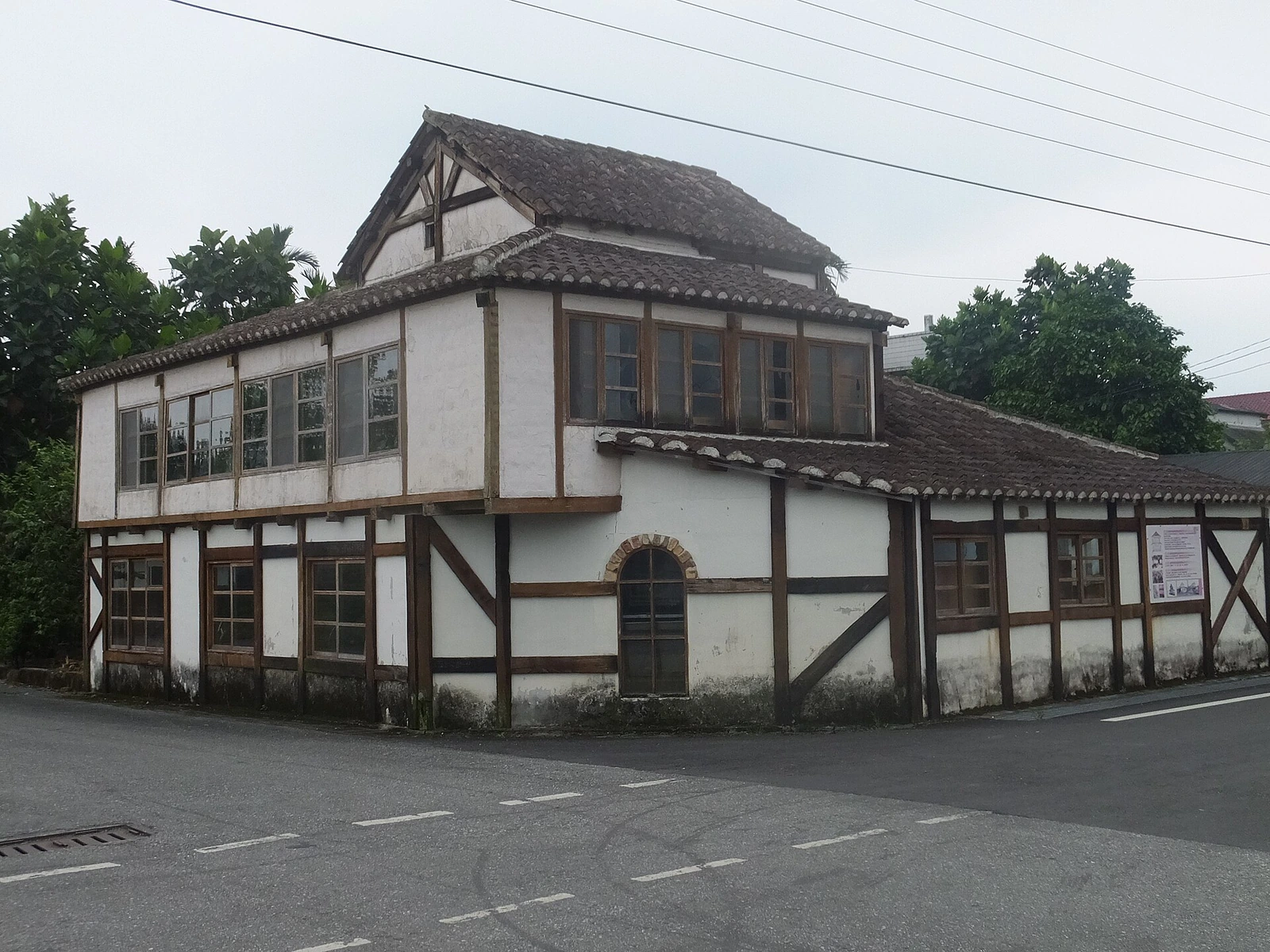
Hualien’s Hakka affairs office describes families who migrated to Fenglin and worked in tobacco cultivation and curing. Keeping the fire supplied and the temperature steady was part of their work. A harvest still required attention after it left the field.
The surviving modified Osaka-style barns have a raised roof vent. Their bamboo, earth and straw walls formed part of a building used for heat-intensive curing. Later changes in curing technology reduced the old structures’ working role.
The change in use matters as much as the shape. A building once organised around a crop can become something a visitor studies from outside. Its survival gives the work a visible outline, but the outline needs explanation. Look at the relationship between the opening, the wall and the space beneath the roof, and read the practical questions the structure answered.
An ordinary stove holds several kinds of work
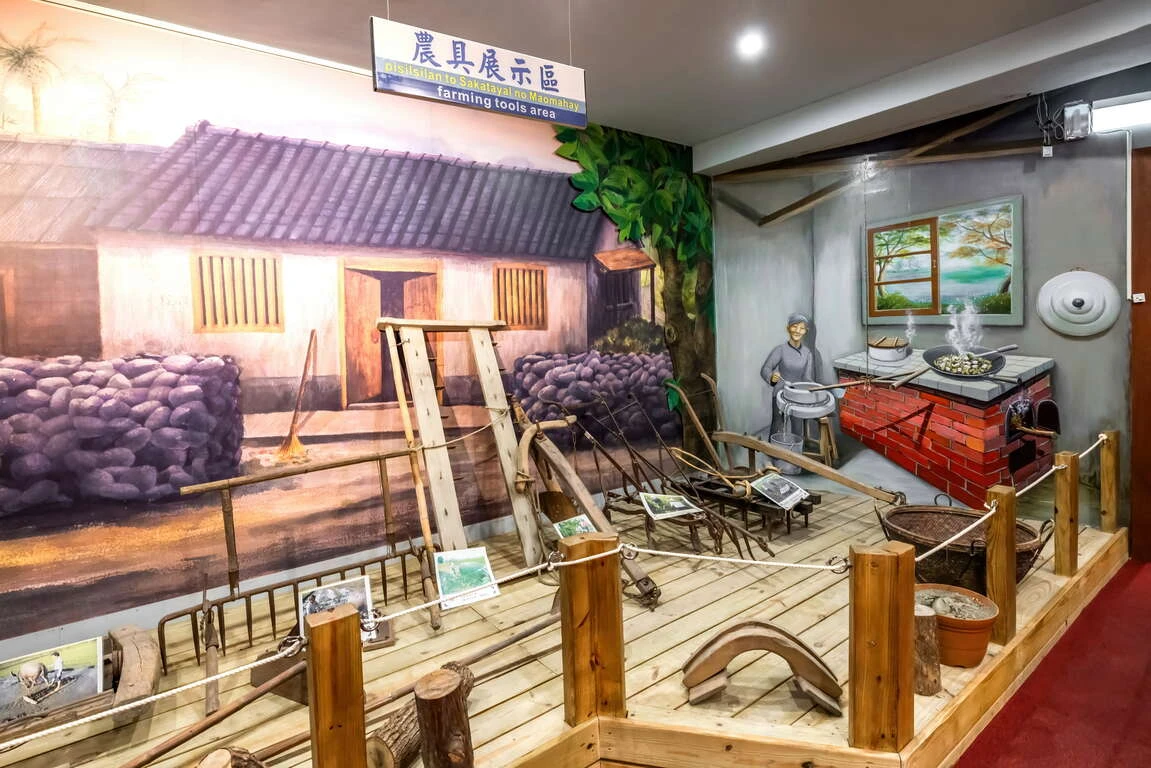
The township’s account of household life describes a stove with three openings. One carried the chimney, while the other two held different-sized cooking vessels, used for meals, hot water or feed. Three holes did not mean three places to cook.
The same account describes a farmer’s woven rain cape, later displaced by plastic rainwear. The material changed while the practical need remained: a person working outside needed protection from rain.
These are useful ways to read ordinary objects. A cooking vessel belongs to feeding a household, fuel belongs to keeping it hot, and rainwear belongs to work that continues outside. Instead of treating an old tool only as a decoration, ask what task it made possible and whose time it took. The answer brings a place’s history closer to the scale of a day.
Residents put their own objects into the record
The county’s museum introduction notes that local residents donated farming implements to the Fenglin Hakka Museum. Objects from households entered a shared account of the town, carrying work into a place where others could learn about it.
A donation changes an object’s audience. Something once handled for a practical task can be read by a person who has never done that task. The useful question is how an exhibition reconnects the two: the thing on display and the person who knew how to use it.
The county’s current cultural itinerary also includes plant-dyeing or wooden-pen making with a teacher. Here the visitor’s role can change again, from looking to following instructions. Booking an available workshop gives the maker’s knowledge a place in the visit; simply collecting another stop on a map does less to explain the work.
Make the visit small enough to notice
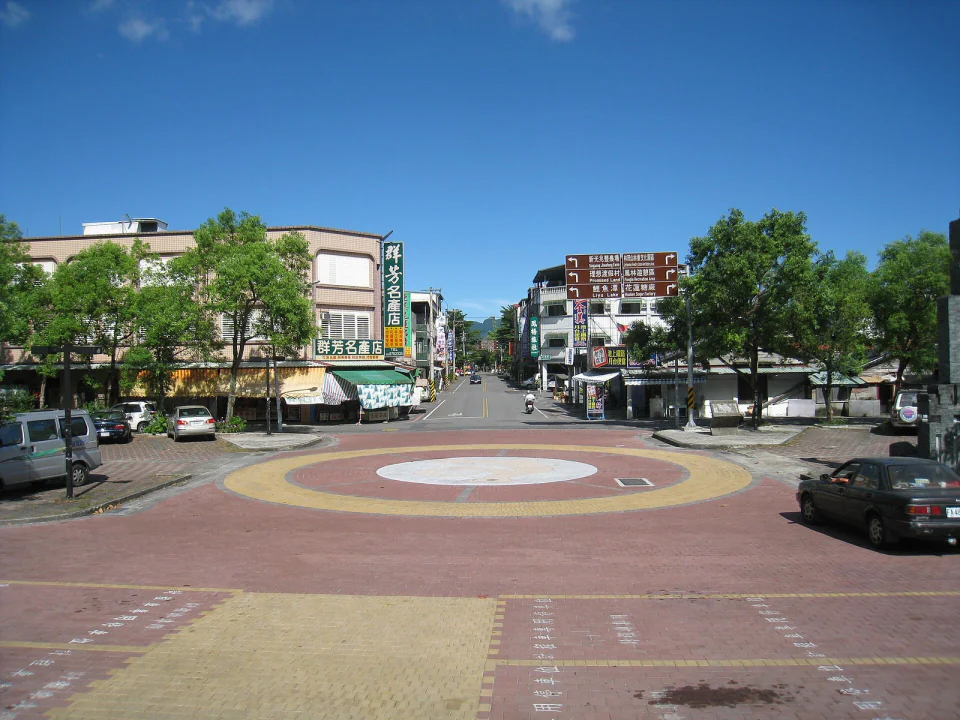
Begin with the Fenglin Hakka Museum in Zhonghua Park. It provides a named public destination for a story that otherwise moves between a news event, old working buildings and household memories. The museum and the town can hold the visit together without requiring a race to be taking place.
Choose one question to carry with you: what did people need to keep working, and what did they choose to keep afterwards? Read the labels at the exhibition actually open that day. In the street, look at how a surviving building meets the present town, giving room to the people using the area now.
Leave space in the schedule for a pause and the return journey. A slower trip is partly a choice made by the visitor: fewer compulsory stops, enough time to read, and no expectation that residents should perform a remembered way of life. The work behind the town remains worth discovering at that pace.