
A familiar king, an unfamiliar distribution of roles
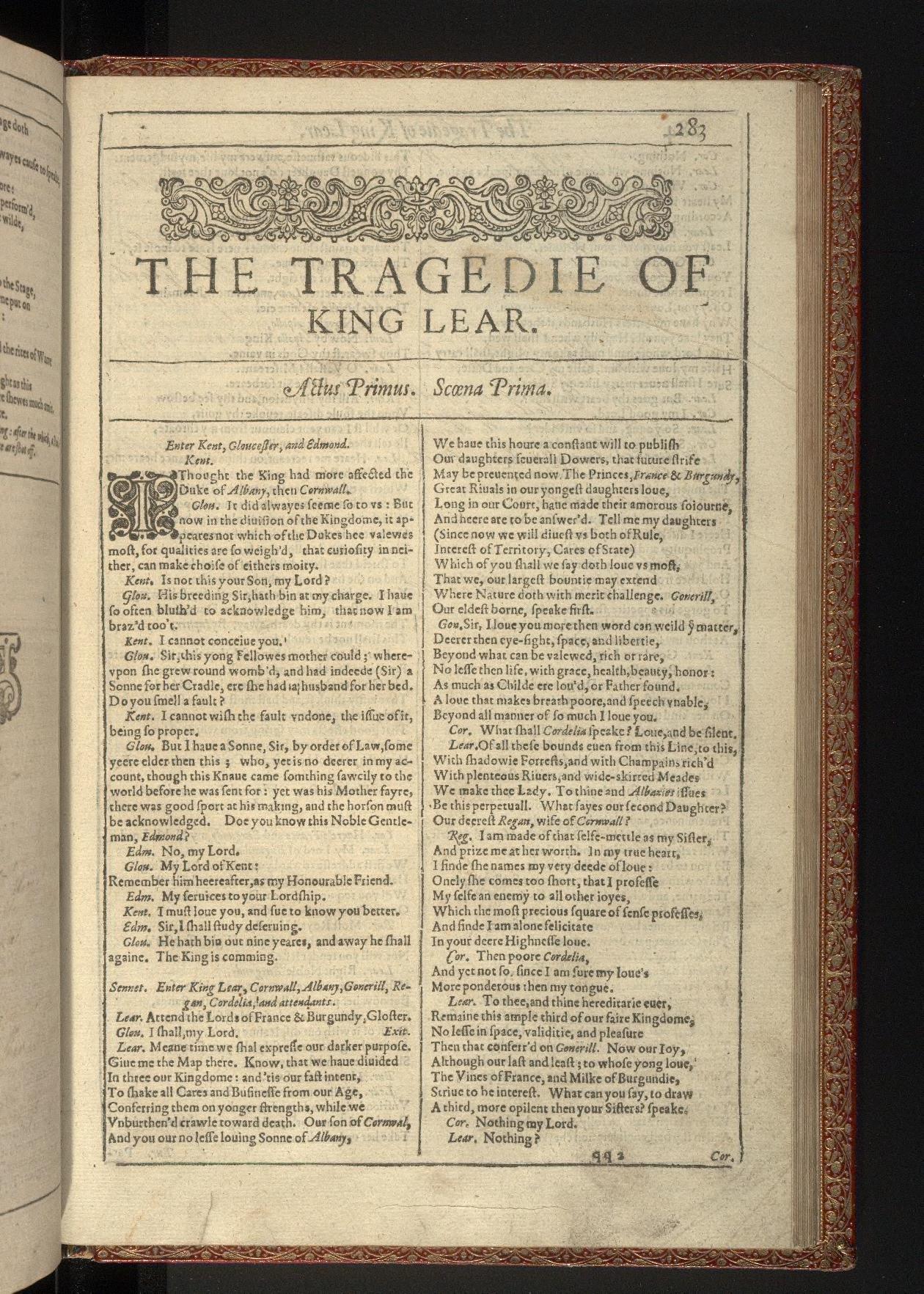
For an Edinburgh theatre audience, King Lear comes with familiar expectations: an ageing ruler, his daughters and a kingdom divided. In 2011, Taiwanese performer Wu Hsing-kuo brought a production in which the principal acting burden rested on one person. The Royal Lyceum presentation was part of the Edinburgh International Festival. Its archive later recalled this visit when inviting him back with a different work in 2013.
The production was not simply Shakespeare translated into Mandarin. Wu’s King Lear, known in Chinese as Li Er Zai Ci, reworked the play through singing, speech and physical techniques associated with Peking opera. Taiwan’s Contemporary Legend Theatre had made a new structure for it. The overseas event made those choices visible to viewers who might know the original story but not the actor’s training.
Before Edinburgh, a troupe had stopped
The work grew from a rupture in Wu’s own practice. In a 2020 interview, he recalled suspending Contemporary Legend Theatre in 1998 after a proposal to adapt Waiting for Godot was turned down. Success with earlier adaptations had not made every new experiment possible. The difficulty was how to keep making theatre when the next artistic direction could not proceed.
During a teaching visit to Ariane Mnouchkine’s company in France in 2000, he developed a short King Lear fragment. The following year, the full solo work marked the Taiwanese troupe’s return. Edinburgh therefore encountered something already bound up with an artist’s decision to begin again. The British invitation was part of that work’s journey, not the origin of the Taiwanese production.
Changing character meant examining the performer
Wu performed Lear, the daughters and other figures, moving among different role types rather than remaining inside the king. In the Taiwanese programme record, the work has three parts: The Play, Playing and A Player. That structure interrupts a straightforward retelling. The actor himself becomes part of the question about identity.
A solo actor is still supported by a production. The 2020 National Theater record names producer Lin Hsiu-wei and teams responsible for music, costumes, lighting and stage design. It preserves the work as an organised collaboration. Praising the person onstage should not make the people who enable each transformation disappear from its history.
The closing announcement concerned his own performance
When the work returned to Taiwanese stages in 2020, Wu announced a closing chapter in his own performance of it. A contemporary interview records him making up younger performer Chu Po-cheng as Lear at the announcement. He distinguished his own departure from the younger generation’s future. The gesture made transmission a public decision, rather than treating the creator’s body as indefinitely available.
The National Theater archive documents the September 2020 Taipei engagement. It is evidence of a particular production, not a current booking or proof of an unchanged cast today. Following the Edinburgh visit back to that record shows a Taiwanese cultural task continuing beyond an overseas appearance: finding ways to pass on techniques, roles and responsibility.
Visit the Taiwanese theatre with its history in hand
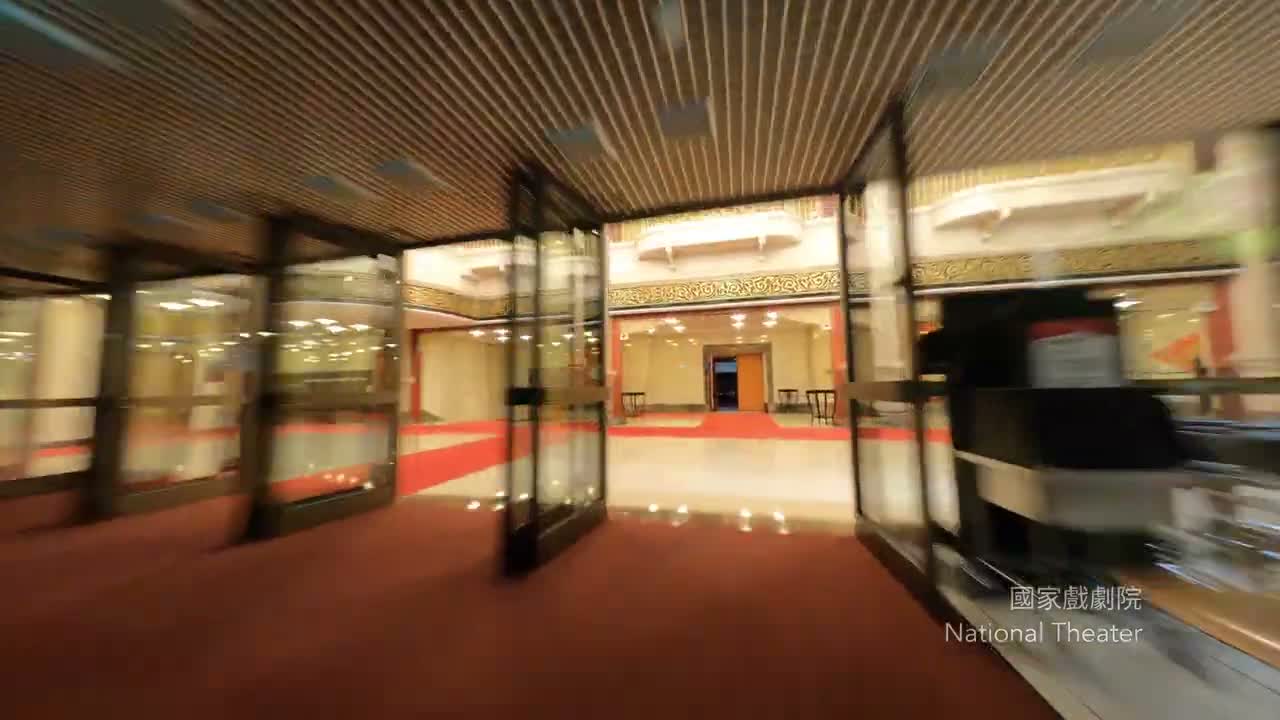
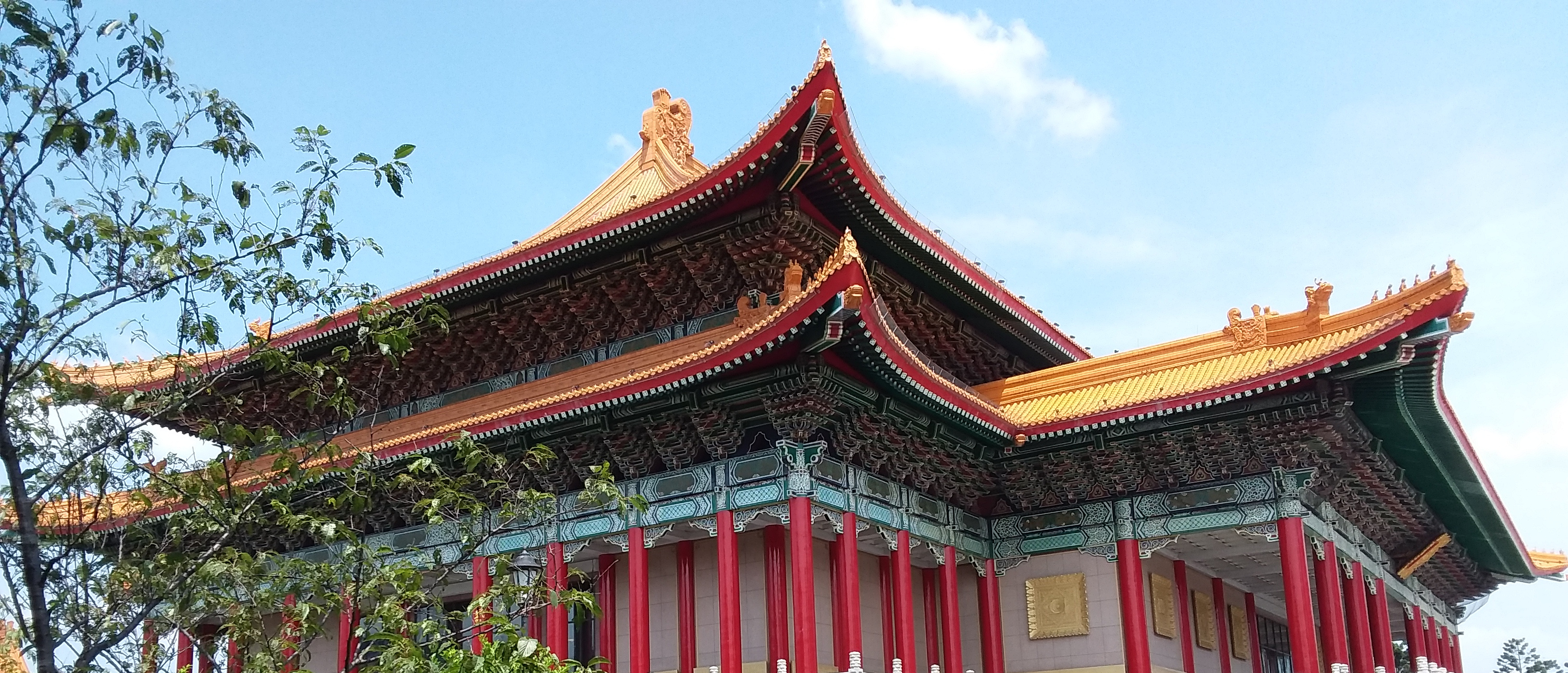
Taipei’s National Theater is a direct local connection because it hosted that documented engagement. Start with the programme archive before visiting the public parts of the venue. The building is not a permanent King Lear installation, and entry to a lobby does not include access to the auditorium, rehearsals or costumes. A current performance requires its own announcement and ticket.
From a familiar Shakespeare title in Edinburgh, the route leads to a Taiwanese maker who used it to reconsider his own practice, and later to reconsider who would perform after him. That gives a visitor something specific to notice in a theatre programme: names, duties and successive casts are part of a work’s life, not merely small print below its famous title.

