
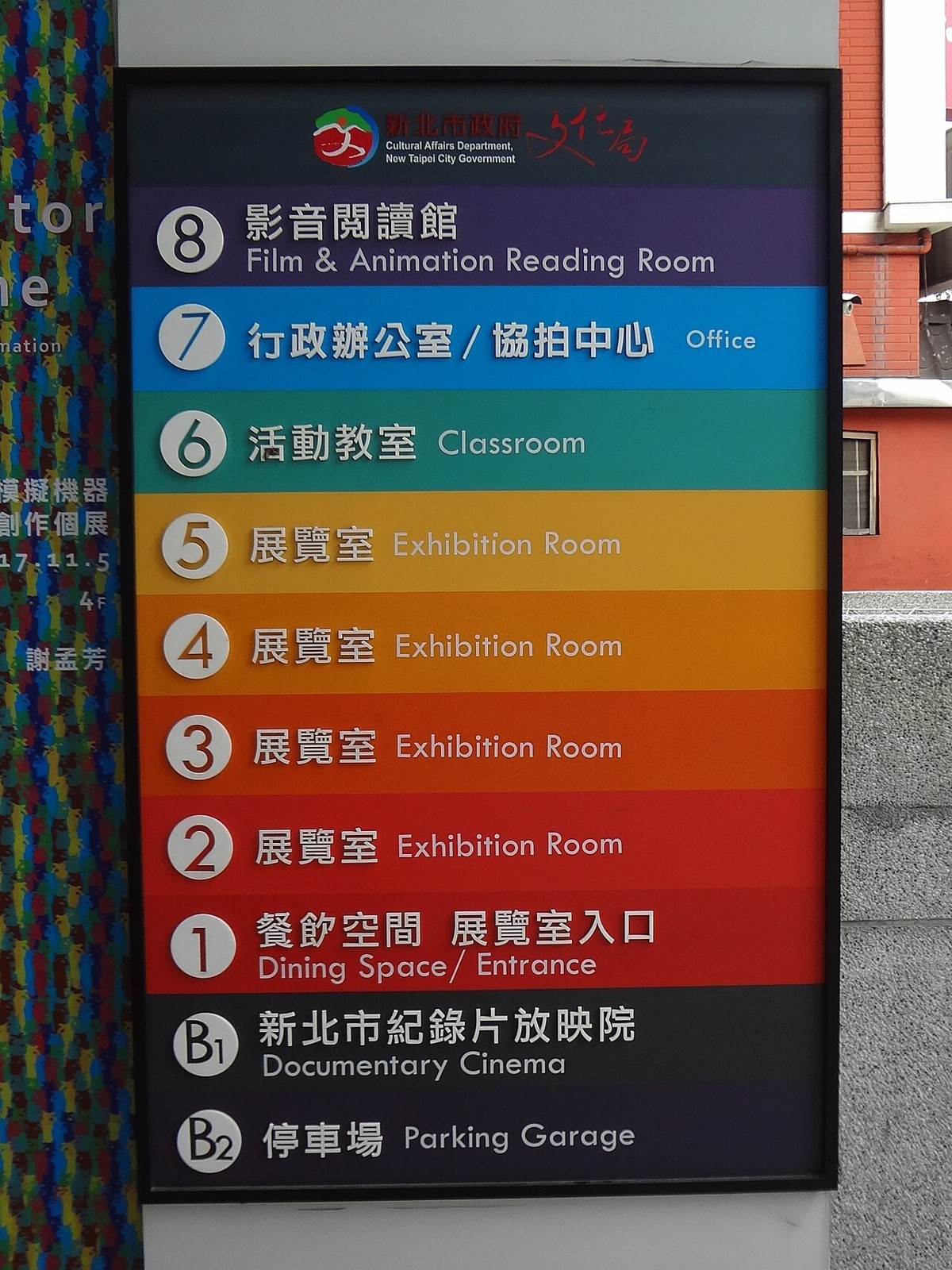
A film ends in her own language
The closing song of Out/Marriage was written and sung in Vietnamese by its director, Nguyễn Kim Hồng. In a 2014 interview, she explained that the film followed Vietnamese women and included extensive filming in Vietnam, so she wanted the music to carry that connection too. The voice was a practical creative choice: the person who had crossed the sea was also deciding how the story should be heard.
Kim Hồng comes from Đồng Tháp province. Vietnamese readers may know the film under Ly hôn ký sự. Taiwan’s documentary database dates it to 2012 and credits her as director and editor, with Taiwanese filmmaker Tsai Tsung-lung as producer and co-editor. In an interview with the couple, Tsai described watching films and discussing interview questions together. He also acknowledged moments of trust between women that he felt a male filmmaker could not have captured. Her experience was not merely material passed to someone else: she helped decide how it became a film.
Why the plan changed
Kim Hồng moved from Vietnam to Taiwan through marriage in 2000. That marriage later ended after domestic violence. She joined a migrant women’s organization, met Tsai and began learning to use a camera. In the Public Television interview, she did not present herself as someone who had always known the film world. She recalled asking basic questions and starting by recording activities around her.
She had intended to film her mother. Then friends around her were divorcing, while outsiders showed little interest in why their marriages had ended or what followed. She changed her project. TaiwanDocs describes Out/Marriage as following four women and asking about their next steps, their children and the practical effects of family breakdown. A familiar label, “migrant spouse,” was opened into different lives.
The work continues on both sides of the sea
The cross-sea story did not end with her own arrival in Taiwan. Vietnam’s Thanh Niên reported on the 2017 release of See You, Lovable Strangers, co-directed by Kim Hồng and Tsai. It followed Vietnamese migrant workers whose lives had become separated from home. One woman had helped achieve the goal of building a house in Vietnam but still had not returned to live in it, and missed her son’s wedding. The fulfilled family project and the absent family member occupied the same story.
That Vietnamese report also recorded workers’ responses to a film made by a Vietnamese director in Taiwan. This was another route across the sea: lives taking place in Taiwan were reported to readers in Vietnam. It cannot tell us how every Vietnamese viewer reacted. It does show why authorship and language could change who recognized a story as something worth watching.
From a film to a place to speak
In 2017, Kim Hồng founded Việt–Taiwan Cultural Space, known in Chinese as 越在嘉文化棧, in Minxiong, Chiayi County. In a 2020 Thanh Niên interview, she described wanting a place where Vietnamese people in Taiwan could meet and where others could learn about their culture. Tsai supported the continuing work. This was not a film set: maintaining a place brought repeated organizational tasks after an event had ended.
The work also acquired Taiwanese partners beyond the film team. A 2025 interview published by Chang Gung University of Science and Technology records joint activities with its community program. Kim Hồng described a playback-theater class: participants tell an experience in Chinese and professional actors improvise it. The arrangement makes speaking and listening a shared activity, rather than making one person explain an entire culture.
Take the next step through a real screening place
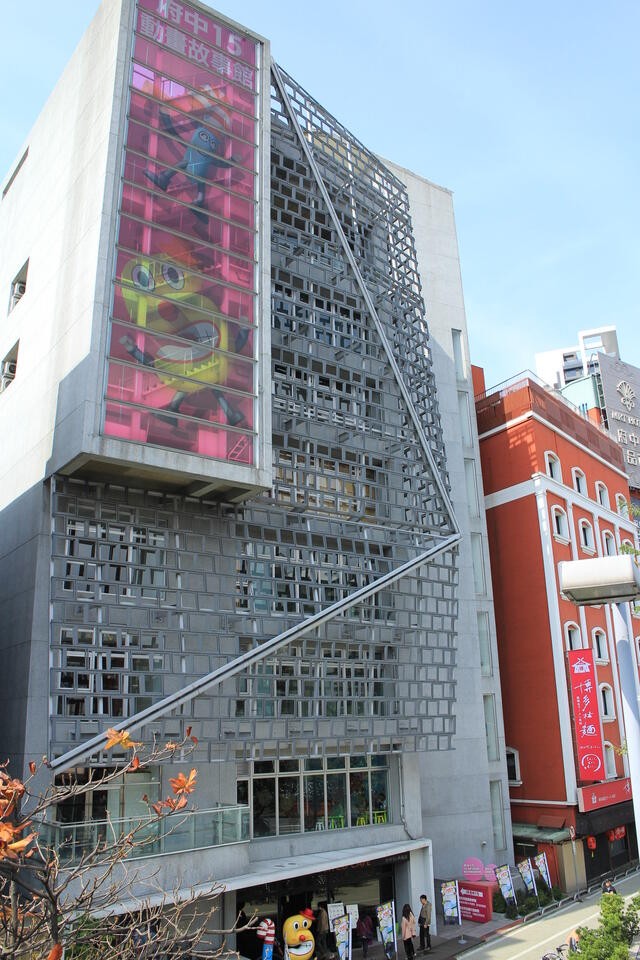
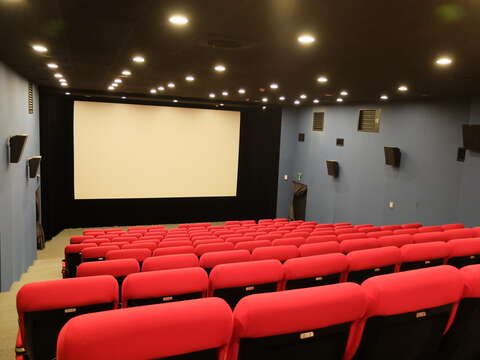
Out/Marriage reached the Taiwan International Documentary Festival in 2014; the published schedule included Fuzhong 15 in Banqiao. That actual screening connection offers a public place to continue the story today. The cinema’s program now changes with its seasons. Visiting does not mean the film is currently playing, but choosing a documentary can renew the attention that Kim Hồng asked audiences to give to lives usually compressed into a label.
The cultural space in Chiayi remains part of Kim Hồng’s documented work, but this account does not promise drop-in access or an encounter with her. A film can be watched without turning its maker or subjects into a visitor attraction. What travels onward is the question she acted on: when somebody’s life changes, who will stay long enough to ask what happened next?