
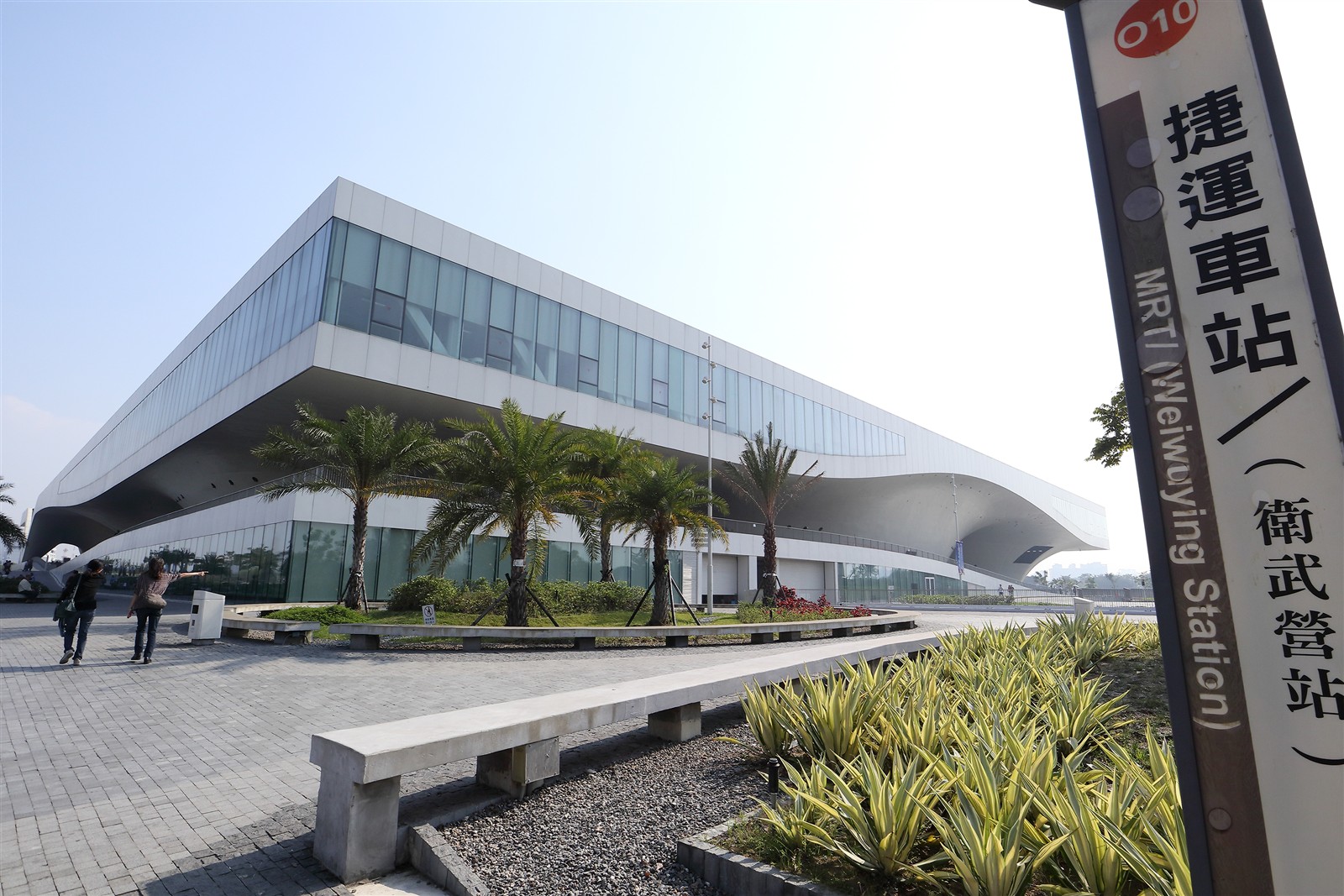
A different question for the architect
When Mecanoo discussed Weiwuying’s steel skin with shipbuilders, the conversation surprised its technical director, Friso van der Steen. He later told RIBA Journal that the builders first asked for the building’s total weight. They approached a vast cultural centre through knowledge learned from ships. A complicated drawing had reached people who had their own way of reading it.
That exchange makes a useful starting point for readers familiar with the Netherlands’ maritime cities. The link to Taiwan is a named building and a working relationship: the project credits identify Mecanoo and the local Archasia Design Group, with Centraal Staal in Groningen and Ching Fu responsible for the steel skin. Similar-looking harbours are only the background. The connection lies in what people actually made together.
The tree was already there
Houben’s proposal began with a visit to the former military site and its banyan trees. In a 2018 interview, she described an interest in activities happening beneath trees and in the street: eating, dancing and performing outside a formal auditorium. The broad canopy offered a way to connect those activities with a major arts institution.
The resulting Banyan Plaza runs between the enclosed performance spaces. That distinction matters: an arts centre can have ticketed halls while also offering a place to pass through or rest. A visit can therefore begin with a route under the building, before any decision about a performance. The architecture gives an ordinary walk a place within the institution.
Someone had to make it buildable
The Taiwanese design team’s account adds work that a completed photograph cannot show. Architect Lo Hsing-hua and his colleagues explained that the foreign team led the early planning, while the local team supplied information about climate, regulations and the site. After preliminary design, the local architects took on detailed design, coordinated specialists and later supervised construction.
Their interview describes suppliers learning unfamiliar systems and some testing having to be carried out overseas because local equipment could not meet the required standards. These are not invisible finishing touches after the design. They are decisions that allow a public building to operate. Keeping these workers in view changes the story from a visiting architect’s signature into a shared undertaking.
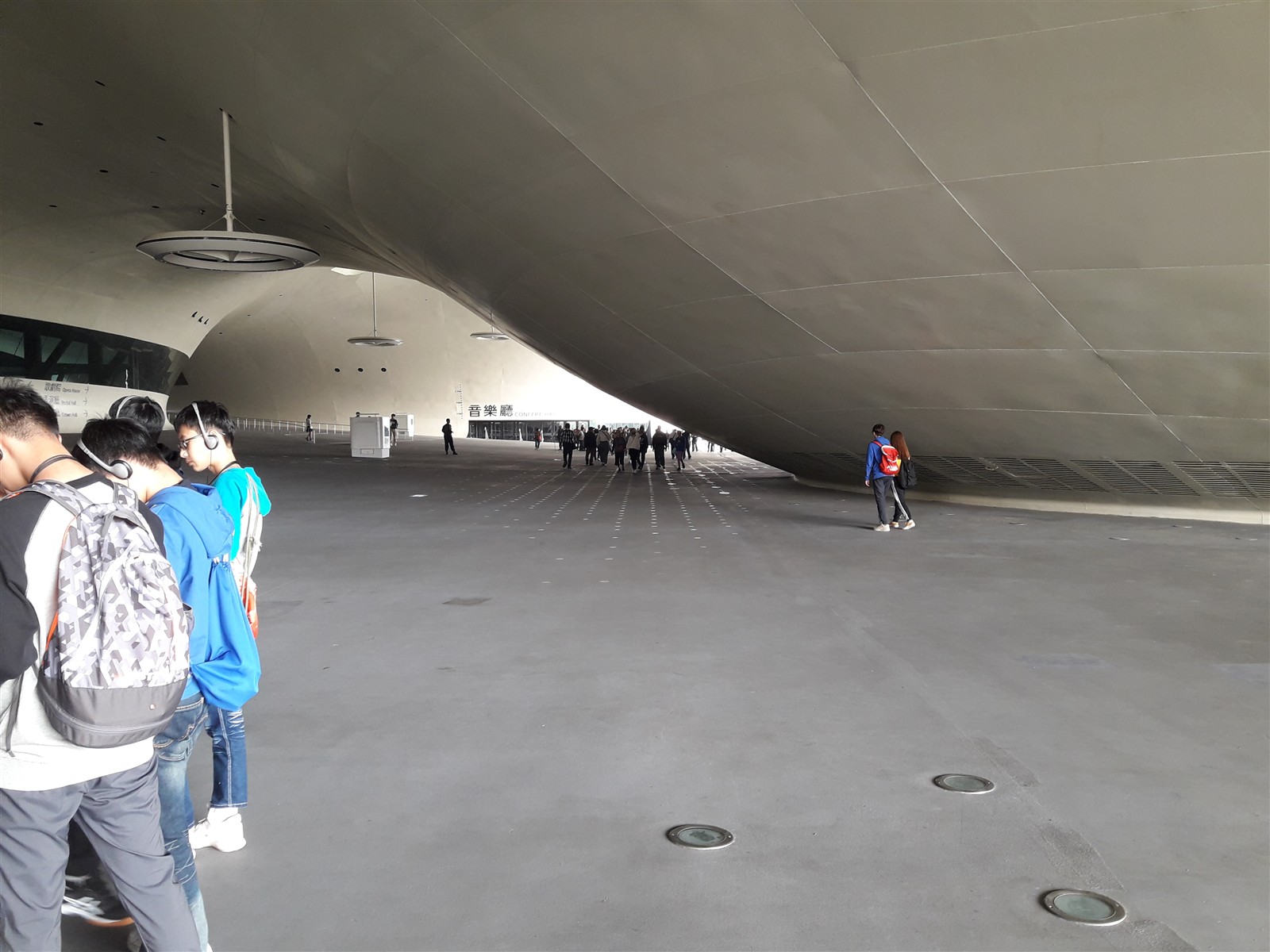
Steel carries more than a shape
Shipbuilding offered experience in forming curved steel, while structural and architectural teams had to fit it into a building. Van der Steen described a process in which drawings moved between Delft and Kaohsiung. The credits and interviews establish the collaboration, but they do not let a visitor identify the origin of each plate by looking at it. What the visible surface offers is a reason to ask how it was assembled.
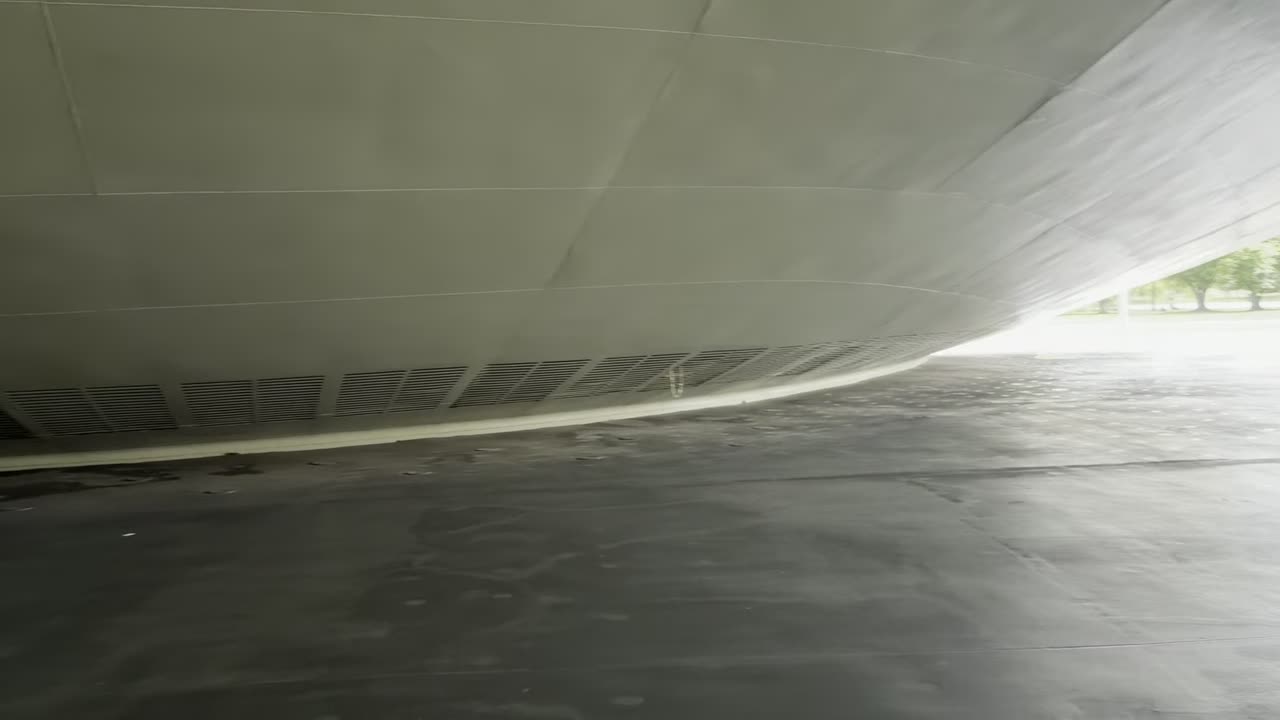
The later book Construction Symphony documented the project through six challenges, including management, structure, steel skin, roofing and acoustics. Its editor, Wang Chun-hsiung, stressed the cooperation of designers, engineers and workers. His account also helps separate the steel skin of the plaza from the outer roof and its many layers. The building’s continuous appearance contains several different kinds of labour.
Walk through the collaboration
Weiwuying opened on 13 October 2018. Its current official introduction describes Banyan Plaza as open around the clock, while the building lists separate indoor opening hours. For a first visit, start outside and notice where the park becomes covered space, where the halls interrupt or guide a route, and how people choose places to stop. Those observations address the original public-space question directly.
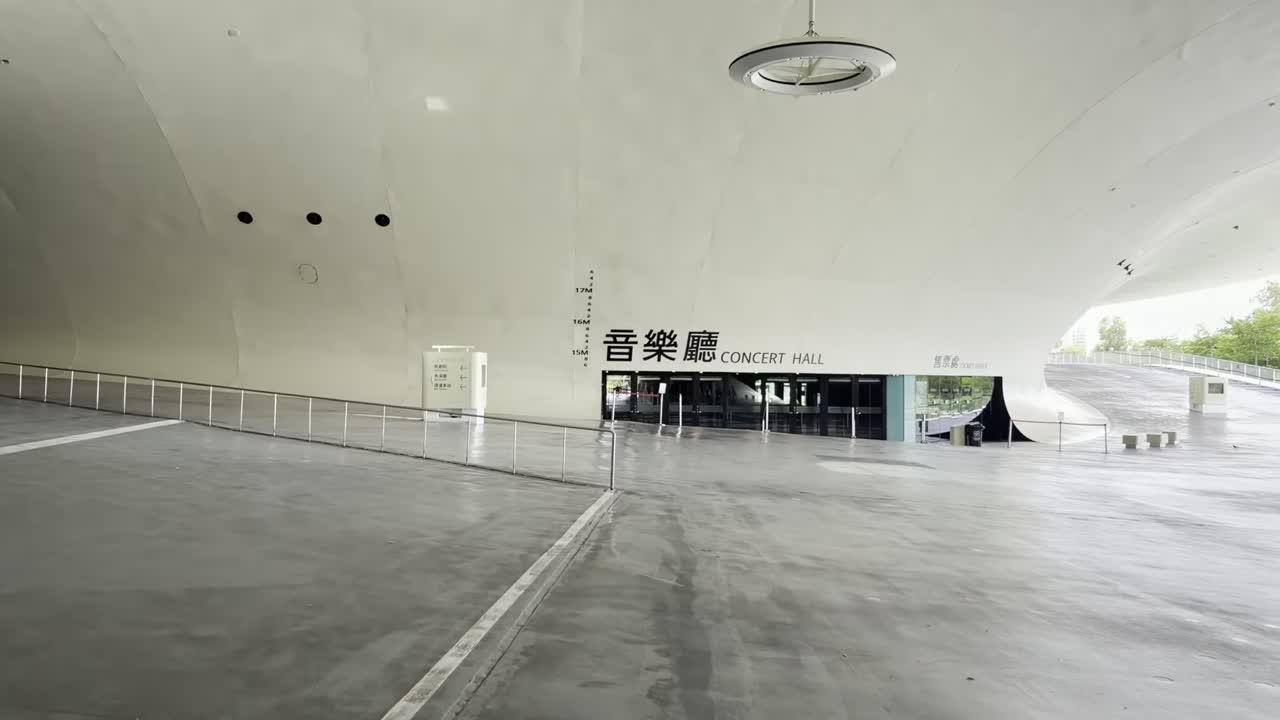
Allow time to look upward and then return your attention to ground level. A curve is easier to admire than to construct; a public space is easier to announce than to keep useful. At Weiwuying, the Dutch idea and Taiwanese work remain available to inspect through the building itself. A performance can extend the visit, but the first encounter is already there beneath the canopy.