
Daikanyama, 27 July 2013
Chun Shui Tang’s Japanese opening announcement named 27 July 2013 and Daikanyama, Tokyo. For someone who has had tea there, the story can be traced back a year: Yuzo Sekiya (關谷有三) first visited Taiwan, then became a partner in opening overseas.
The April 2012 visit was followed by negotiations and a joint venture in June 2013. Before the name appeared on a Tokyo sign, an encounter had to become an arrangement for a shop.
A change in serving tea on Siwei Street
Chun Shui Tang’s own history starts with Liu Han-Chieh (劉漢介) establishing Yang Xian Tea Shop on Taichung’s Siwei Street on 20 May 1983. A bar shaker entered the preparation of cold tea, changing how a drink was made and served.
That detail draws attention to an action rather than only a drink’s name. Brewed tea could be changed in temperature and preparation; service changed with it. Before going abroad, this tea had already been part of rearranging how people could drink it in Taiwan.
Recipes and materials crossed too
A 2013 report on the Daikanyama opening recorded Taiwanese recipes and imported ingredients including pearls and syrup. Opening involved more than choosing an address. Making a drink in another city required a connection between supply and working methods.
The opening-era interior included stone, iron, timber and flowers, with power outlets for customers using computers. Drinks and a place to sit were planned together. A takeaway cup and time spent in a teahouse share the name while serving different uses.
Back in Taichung, read the menu and the room
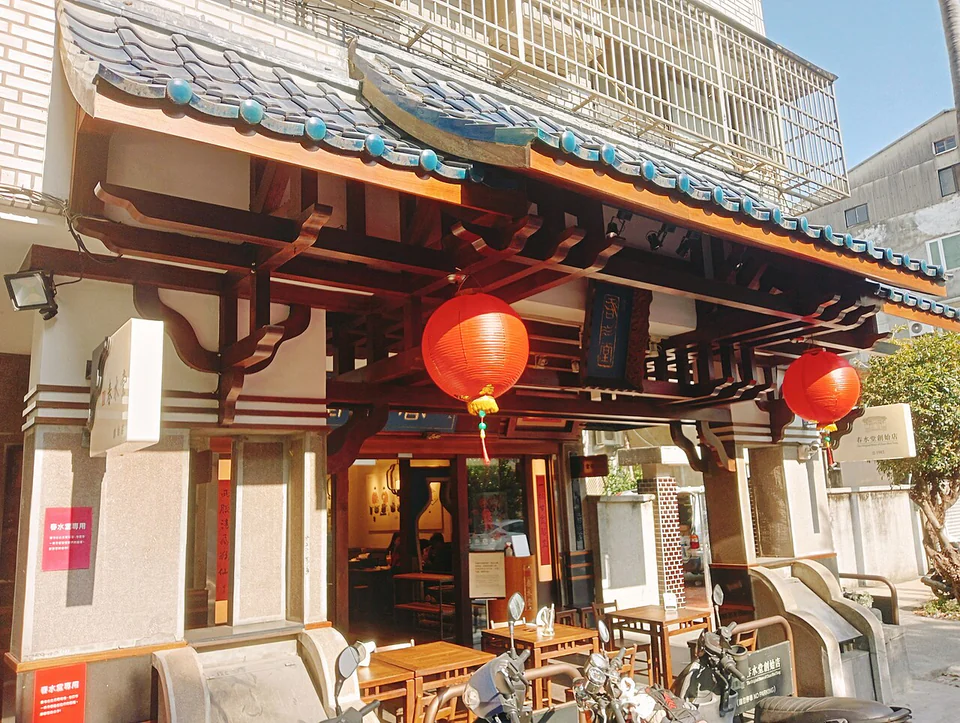
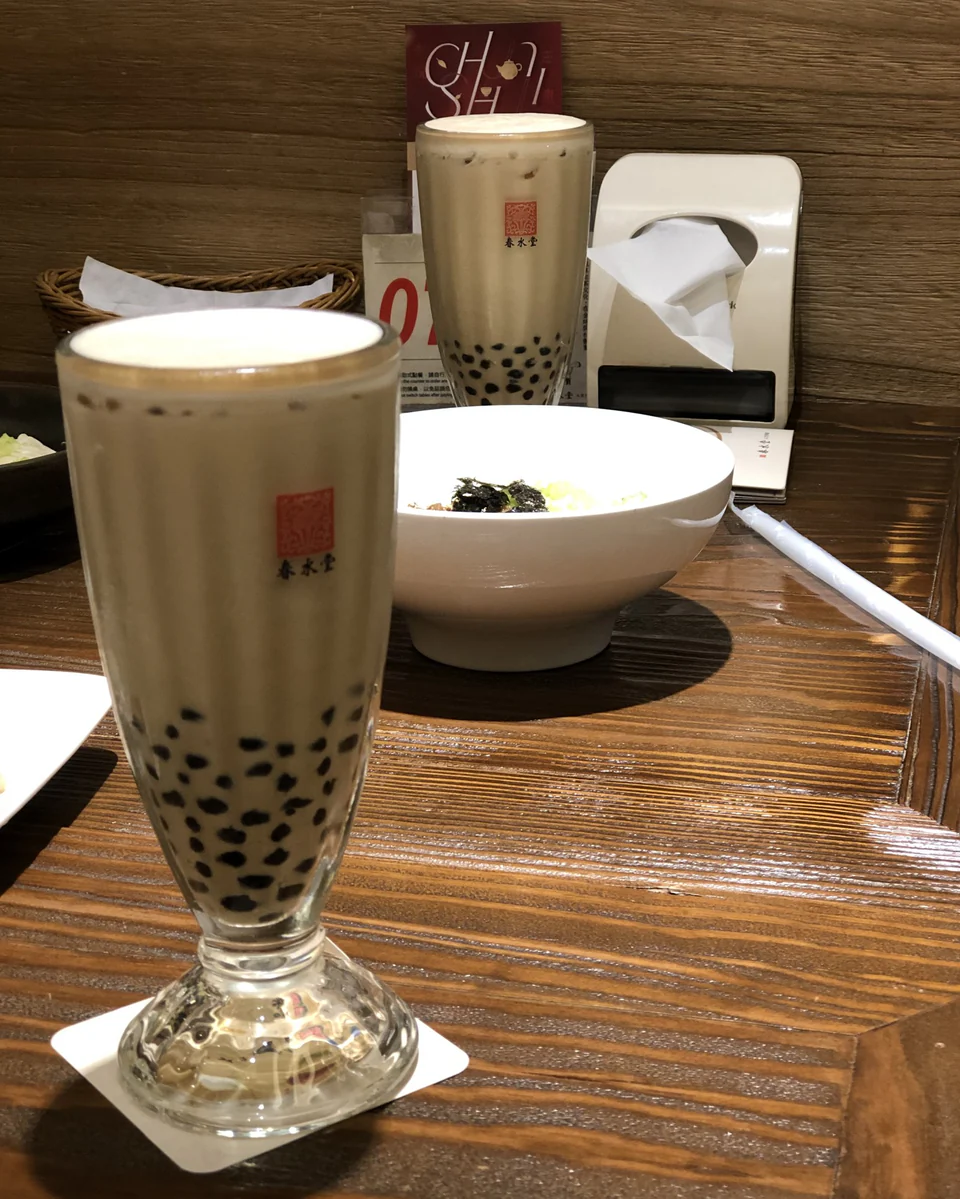
The original store on Siwei Street in Taichung brings the connection back to its starting point. Compare plain tea and milk tea, then look at how food and drinks are offered together. At the table, tea can be part of a meal or a pause on its own.
Today’s shop need not be treated as a reconstruction of 1983. The useful connections are changes in service, the work of opening overseas, and the tea you choose now. A name familiar from Daikanyama can lead into an ongoing part of life in Taichung.