A place that someone could enter
Hong Kong’s New Holiday included Chimei Museum in its January 2024 Tainan guide. A museum can be a stop between other plans. Following this one’s beginnings changes the question: what work turns a person’s collection into a place other people can use?
The museum records Shi Wen-long’s childhood visits to the Tainan Prefectural Education Museum and his later wish for a public museum.
Sharing began with learning materials: in 1977 the foundation acquired films, posters and books for Tainan teachers and company employees to use.
Sharing needs continuing work
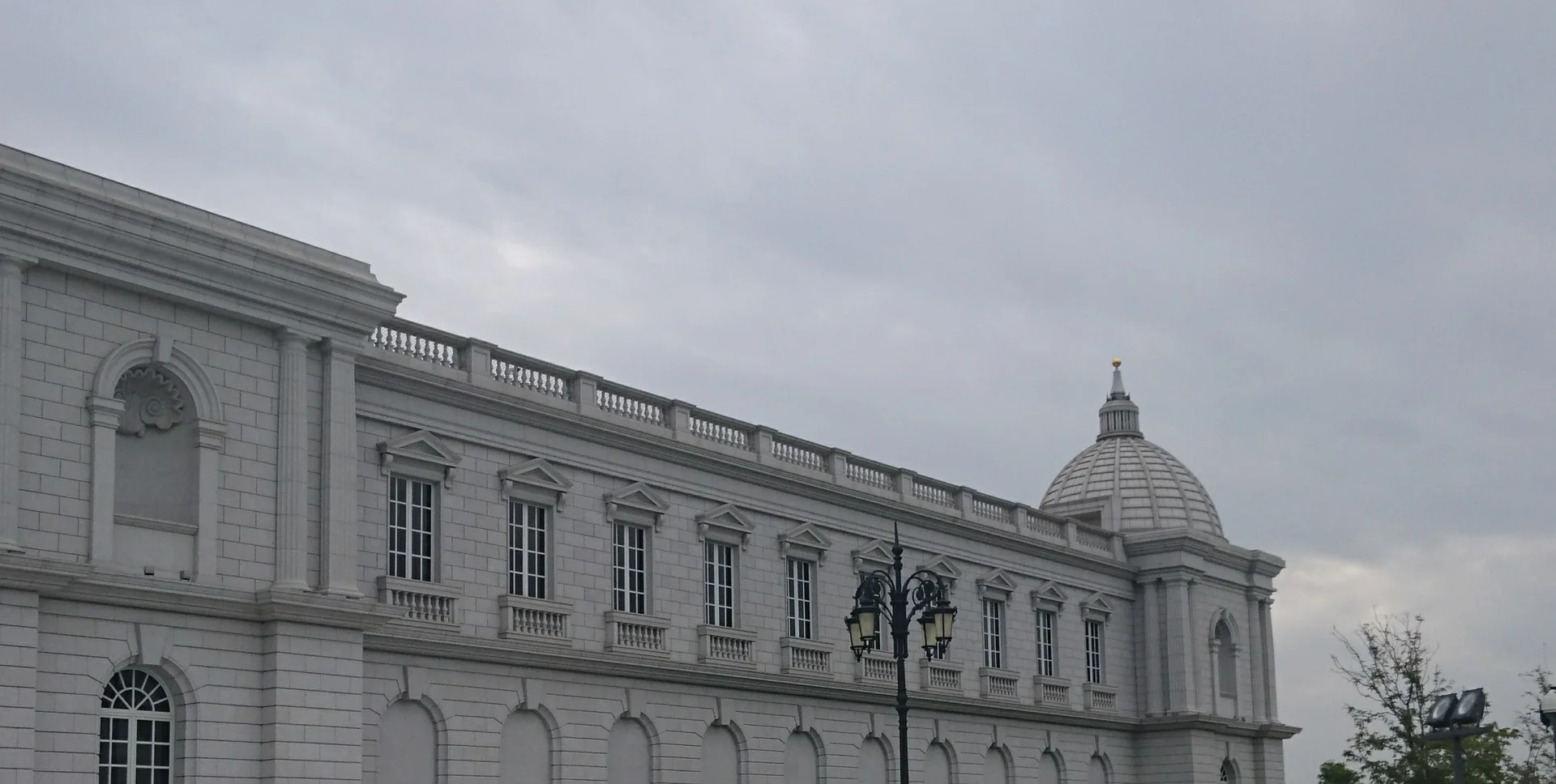
A free museum opened in the Rende factory in 1992. The 2015 new building brought together local government, Taisugar and Chimei: land, planning and construction enabled public access.
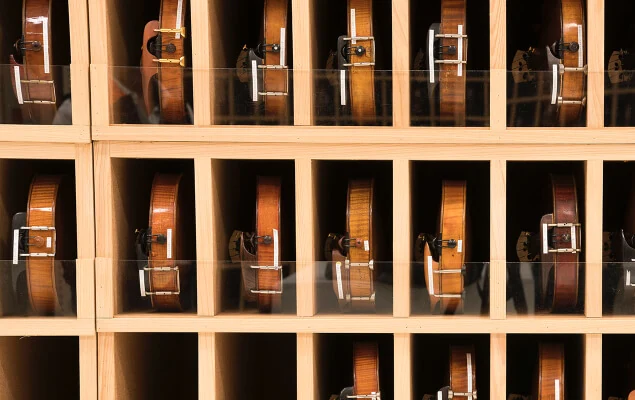
Better instruments can become a repeated expense as a violin student advances. Shi responded by collecting instruments to lend. By about 2005, the museum had defined a systematic collection around important violin and bow makers; historically significant examples could be included even when they could not be played.
Restoration staff and the Amati Workshop maintain the collection, together with stable storage and display conditions. An instrument on view depends on the care of people who inherit that work.
The visitor’s way in
The museum’s instrument-loan route requires an application and review. Music students must study bowed-string instruments and provide a teacher’s recommendation. This lending process is separate from a gallery visit; visitors do not enter storage or the restoration workshop as part of ordinary admission.
Start with one instrument rather than a race through every gallery. Look at the material and shape, then read who made it and how it sounds. A travel list has brought you to the door; staying with one object lets the work of sharing come into focus.