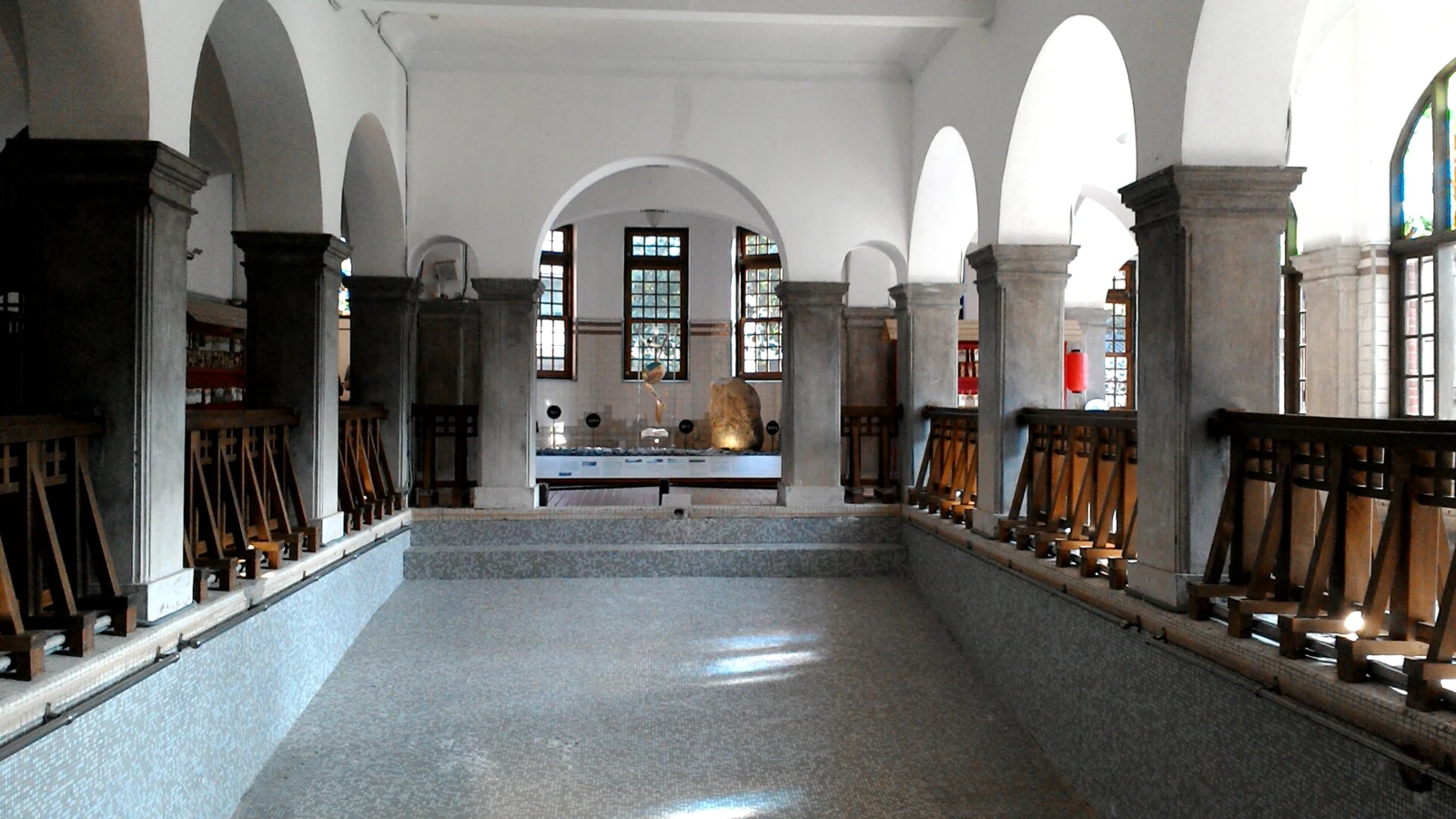
A return visit, grounded in daily operations
In April 2024, Li Jitian (李吉田), chair of Taiwan's hot-spring tourism association, led a delegation to Korea. Visits to Magumsan and Bugok covered operating models, spring-water management and visitor services. The two associations signed a memorandum on 16 April, with Korean association chair Kim Seong-guk (김성국) taking part. You Tengzai (游騰在), then chair of the Shamaoshan hot-spring association in Taipei, was among the Taiwanese delegates. Technical exchanges, training and shared resources were directions proposed for future cooperation.
On 15 April 2025, Korean association representatives and a Busan Ilbo reporter came to Shamaoshan. At Huangchi, the reporter observed visitors staying for a meal after bathing, and recorded the Taiwanese association's account of water distribution, bridge improvements and access planning. Kim called for greater attention from Busan's local government. The exchange connected the two places through practical work: keeping a hot-spring destination welcoming involves water, roads, facilities and food.
Keeping part of the everyday life going
Shamaoshan had difficulties of its own. Interviewed in January 2025, You Tengzai described ageing buildings and the choices operators faced over repairs and applications to rebuild. Some were waiting for building permits. That interview preceded the Korean visit. The exchange and local redevelopment each had their own timeline.
By May 2026, You Tengzai was speaking as the owner of Huangchi's restaurant. He described waiting for a permit at the old site while preparing to move the dining operation to Chengde Road, Section 7. Many returning customers, he said, liked Huangchi's clay-pot congee. A new address could keep that meal available while the old site's future remained pending. The new restaurant serves food and does not provide bathing facilities.
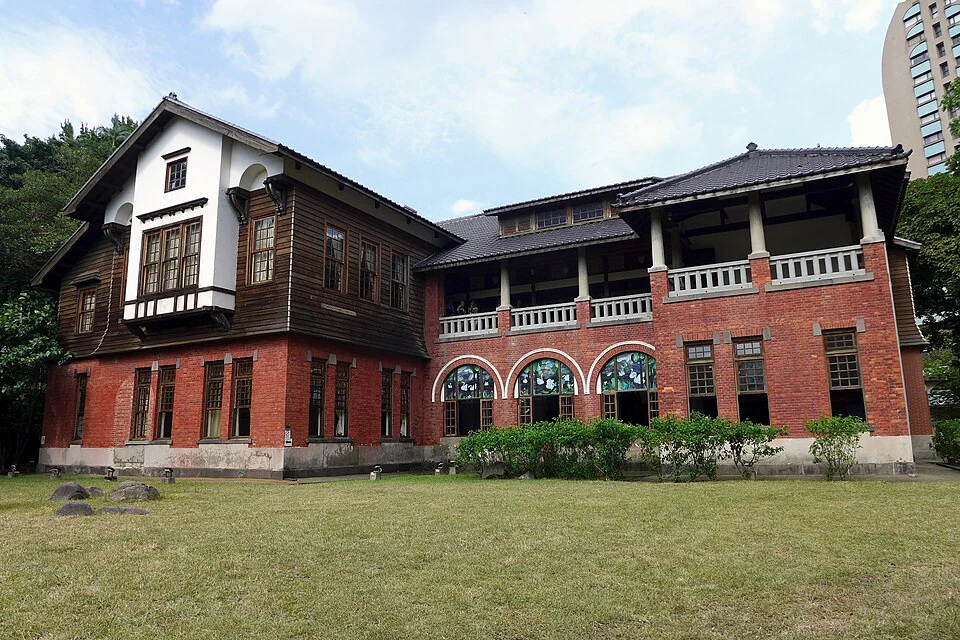
Following the story to a table in Taiwan
Huangchi's current official website now lists its address at No. 1, Section 7, Chengde Road, together with lunch and dinner hours and a menu. It provides a real place to continue the story: visit Beitou and read a meal alongside the working history of Shamaoshan. The new restaurant and the hillside hot-spring area are separate destinations; transport between them needs to be planned.
The Korean visitors were looking at how a hot-spring destination could keep operating. Taiwanese operators were also dealing with the practical choices of renewing facilities and continuing to welcome guests. Following this actual exchange adds people and their decisions to the landscape.