A series with Taiwan in its name
Marvin Lipofsky helped establish glass as a medium for sculpture in American art education. In 1964 he began a glass program at the University of California, Berkeley. For someone familiar with the Bay Area, his work opens a route from a California classroom to a workshop in Taiwan.
The title Group Taiwan marks a later working encounter. It leads to Hsinchu in 1995, where an invitation involved both speaking about glass and making work. The connection took shape through people working with the material.
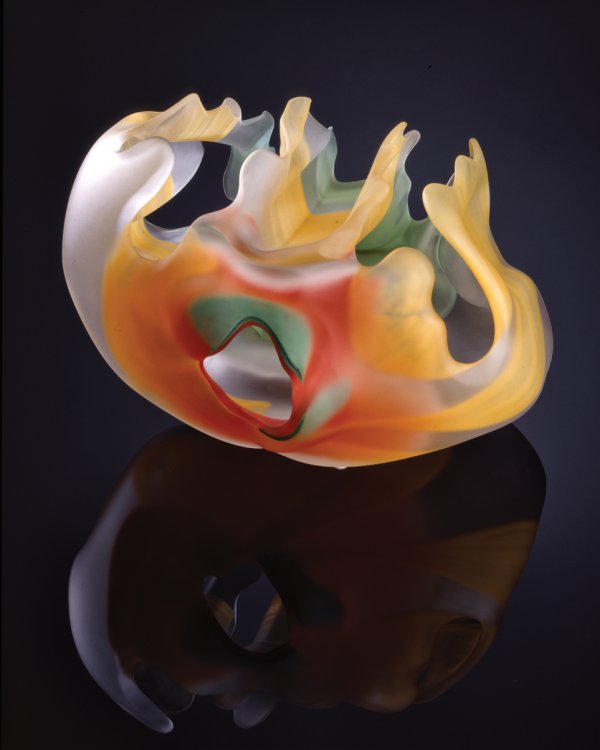
The published caption identifies the pictured work as Group Taiwan 1995 #1: made in Taipei with help from Tsai Sung-Ping, then finished by Lipofsky in his Berkeley studio. This particular sculpture connects Taiwan’s workshop labour with the artist’s return to California.
Tsai invited him to work
Tsai Sung-Ping of Royal Li Land Art Glass Company invited Lipofsky to participate and lecture at Hsinchu’s first International Festival for Glass Arts in 1995. Lipofsky’s studio chronology also records that he worked in Tsai’s studio/factory. The visit extended beyond a public talk into a place where glass was made.
Exchange also happened beyond the exhibition floor: glassworkers in Hsinchu provided a place where work could be made. Reading Group Taiwan means paying attention to the local workshop that made the encounter possible, alongside its American artist.
A factory skill finds another direction
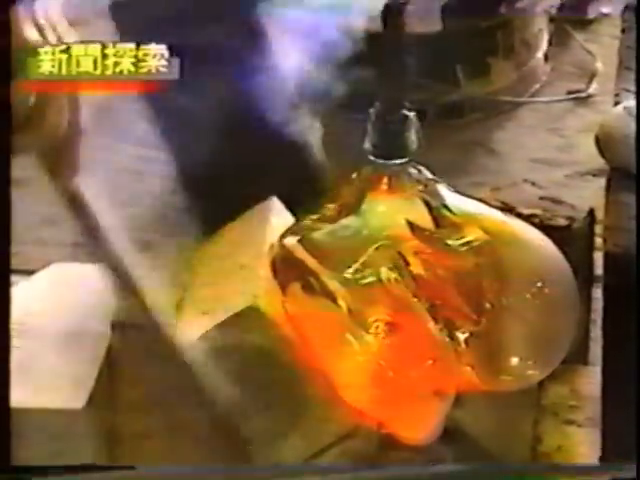
Tsai already had years of glassworking behind him. Hsinchu’s cultural records trace his experience through industrial glassmaking and his own company. They describe his concern about the decline of traditional glass industry and his interest in the possibilities of glass art.
In 1992 he studied with Fritz Dreisbach at Pilchuck Glass School in the United States. Hsinchu’s exhibition account connects that learning, and American studio-furnace concepts, with his promotion of studio-based glassmaking in Taiwan. By the 1995 invitation, Tsai was actively looking for ways to carry local skills into a changing field.
Making room for the next learner
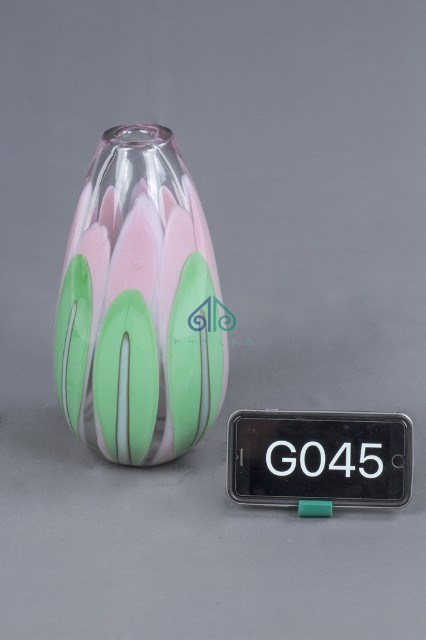
Tsai’s work also moved into teaching and organisation. Hsinchu’s cultural-bureau biography records his advocacy for the Hsinchu glass association, support for the glass museum’s planning, assistance with a glass-skills class at Fuli Junior High School, and opportunities for university students to study glassworking.
These are practical ways for a specialised skill to remain accessible: a place to organise, a place to see work, and a place to learn. The local story continues through the people who create those opportunities. The 1995 collaboration belongs within that wider effort. The association’s public display of members’ work offers another way to meet the makers.
Look for the work in Hsinchu
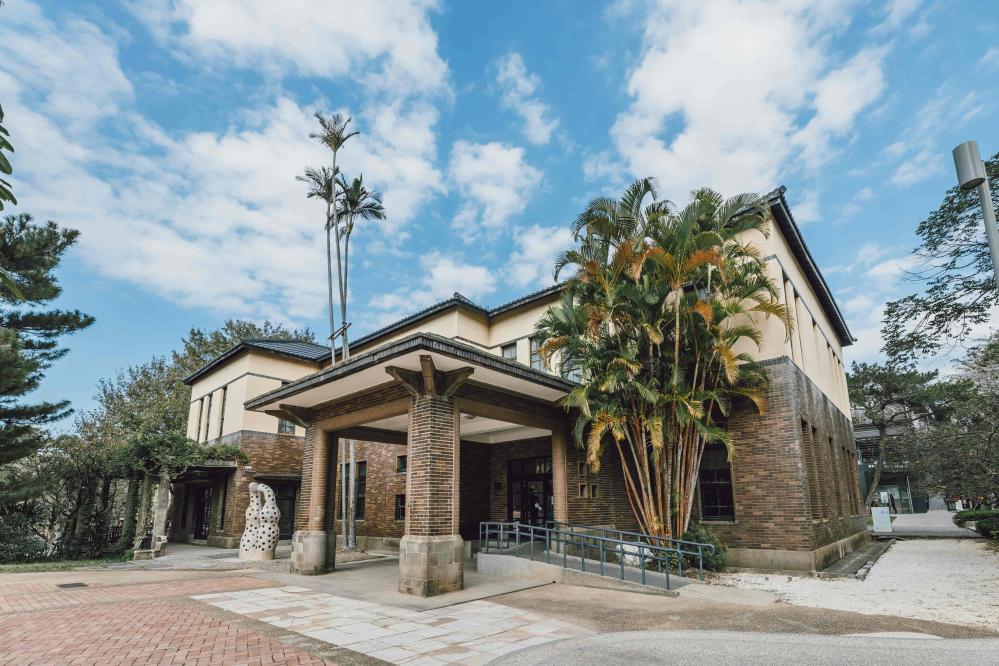
Begin a visit at the Glass Museum of Hsinchu City in Hsinchu Park. As you look at a work, read the maker’s name and date, then notice how the shape and the way it was made are presented. The museum offers a public setting for following the city’s glass story.
A visit does not guarantee that Group Taiwan is on display, or that Tsai’s workshop is open to walk-in visitors. Check the museum’s current exhibition and visiting arrangements before travelling. Any glassworking demonstration or class needs its own announced schedule.