The paintings inside a familiar Beijing landmark
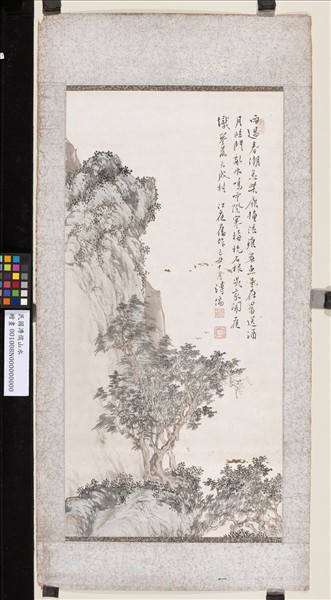
Beijing’s Prince Gong Mansion is associated with courtyards, gardens and an aristocratic household. It was also the birthplace of Pu Hsin-yu, whose given name was Pu Ru. The family’s paintings and calligraphy gave him unusual access to older models. The mansion’s museum and Taiwanese collections both describe this background to his study; it should not be mistaken for a claim that any particular childhood painting remains on display there today.
In 1949 he crossed to Taiwan. Through Huang Chun-pi’s recommendation, he taught ink painting at what is now National Taiwan Normal University, while also receiving pupils in his home under the name Hanyutang. Moving the knowledge into these settings required teaching it to people who had not grown up among the same collections.
Reading and writing belonged in the painting lesson
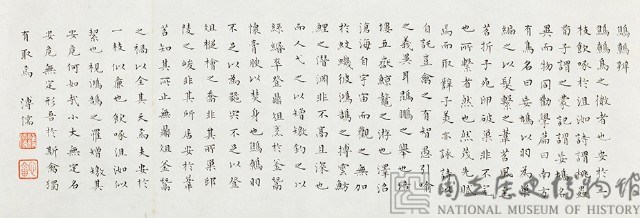
His teaching did not begin and end with copying a recognisable landscape. The National Museum of History explains his insistence on bringing calligraphic brushwork into painting, supported by literature and poetry. For pupils seeking a usable technique, the lesson therefore included a larger programme of study. What he was passing on was an approach to making a picture as well as an image to imitate.
Researcher Lin Shiang-chin examined accounts by pupils and conducted interviews with former students. Her study records Sun Chia-chin’s recollections of classroom demonstrations, and Liu Kuo-sung’s memory of a teacher whose familiarity with classical texts far exceeded the students’. These are later, attributed memories, not transcripts of a lesson we can pretend to have attended.
Students had work of their own to do
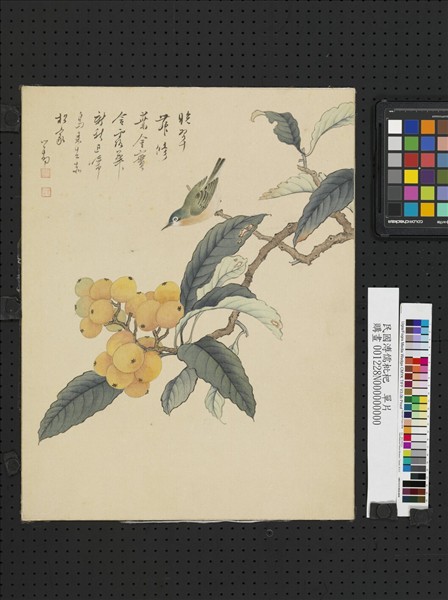
Sun, then a class representative, also arranged transport for Pu to come to class. His recollections connect the admired teacher with the practical work of bringing a person into the teaching room. The study describes Pu demonstrating while explaining, and adjusting inscriptions when the arrangement on a student’s painting needed attention. Learning occurred through actual pictures and their particular problems.
The pupils did not all describe what they learned in the same way. Lin cites Chiang Chien-fei, who remembered attending faithfully yet only later understanding what he had gained from the teacher’s conduct and outlook. That difference leaves room for students’ own judgement. Transmission was not a guarantee that every learner would repeat the same style or understand it at the same moment.
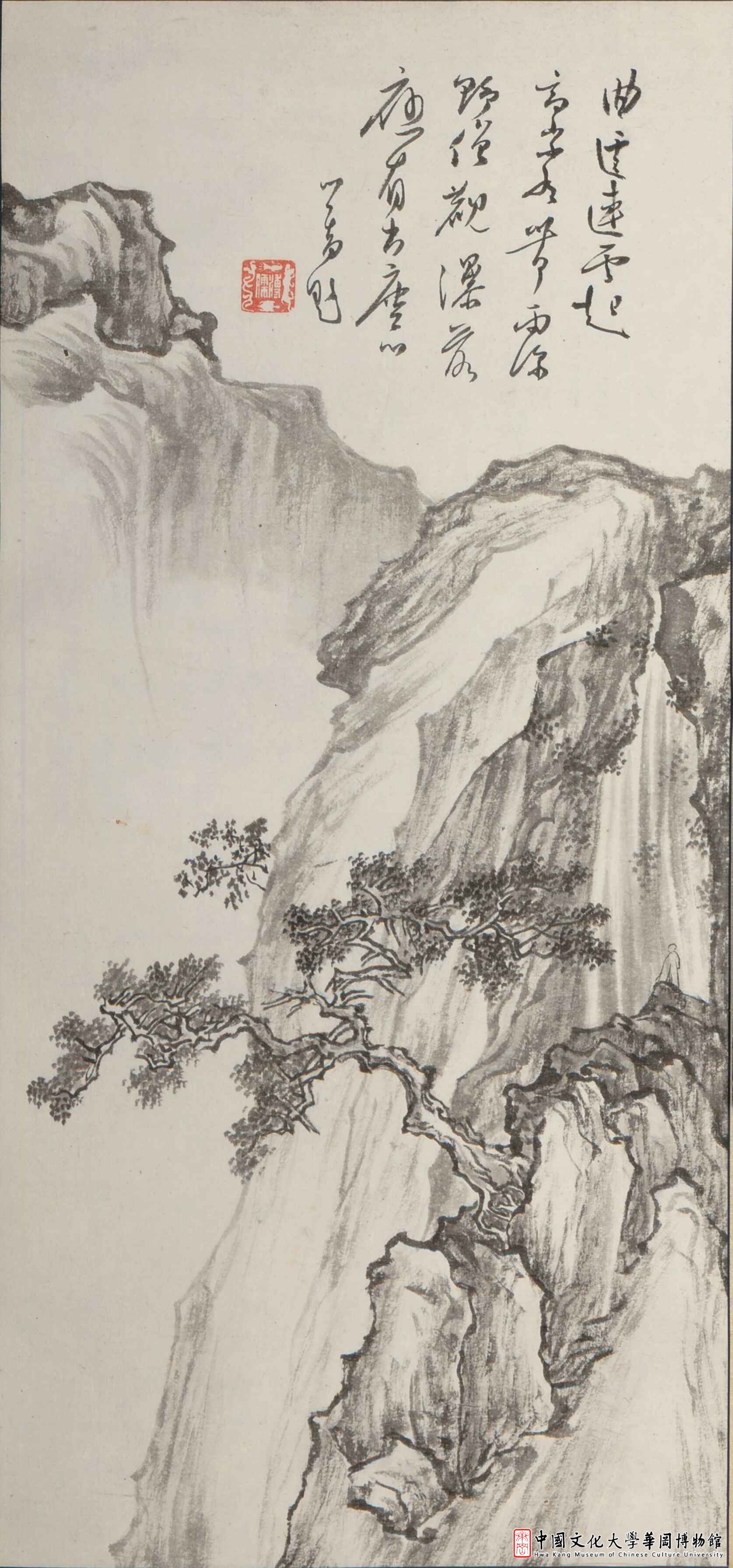
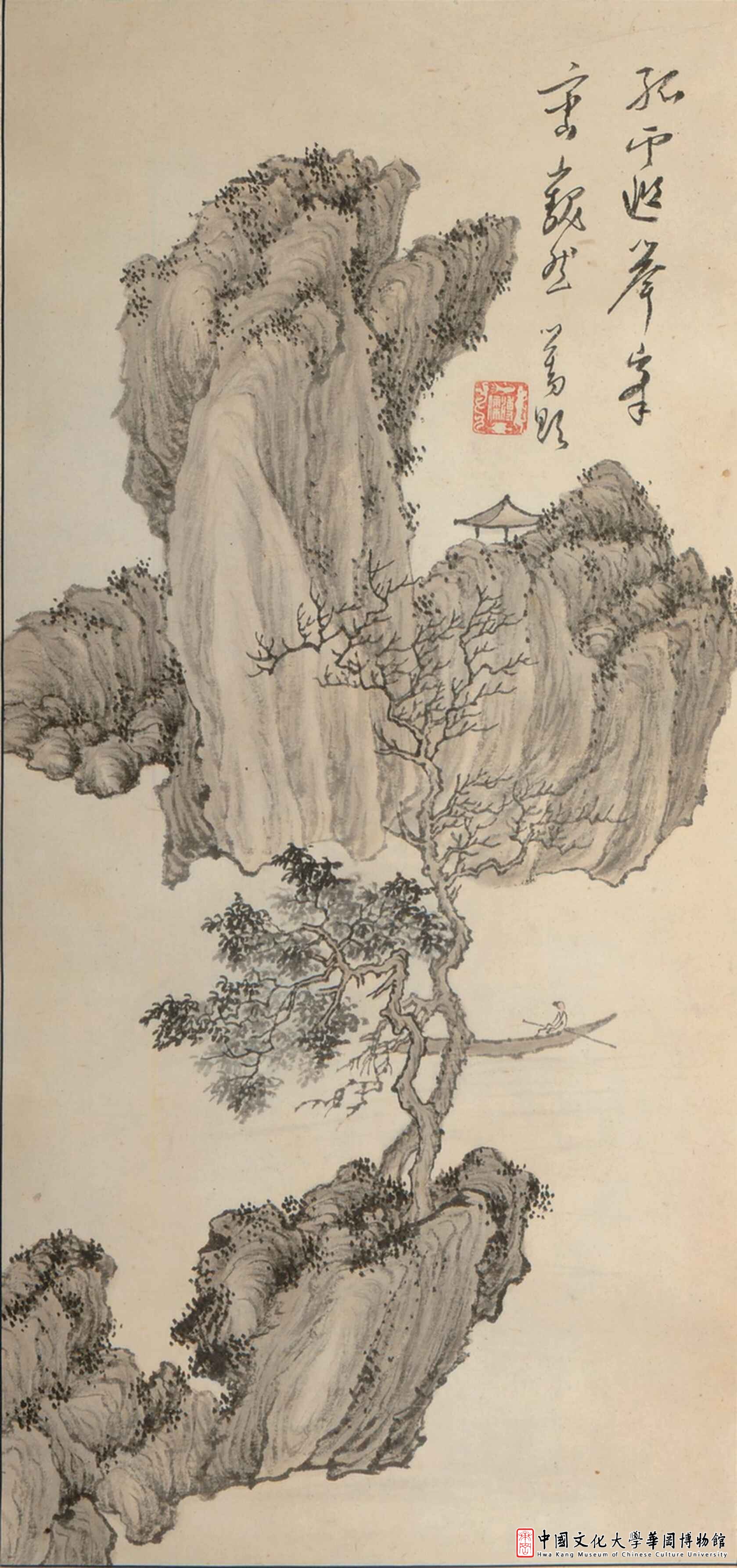
A family’s teaching papers became a research collection
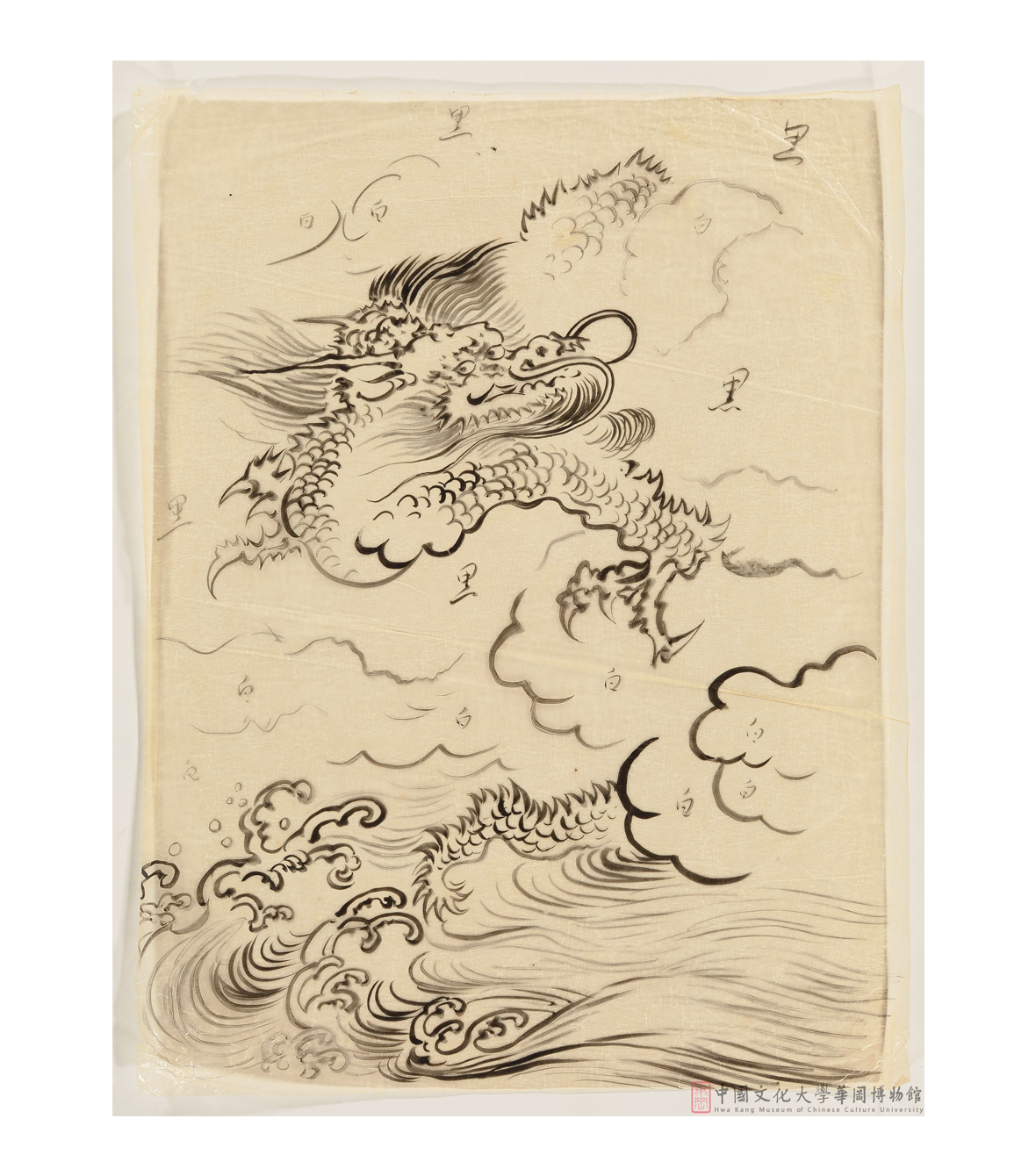
Pu died in 1963, but the teaching materials did not cease to be useful. His daughter-in-law Yao Chao-ming and son Pu Hsiao-hua subsequently taught at Chinese Culture University, beginning in 1969 and 1972 respectively. Hwa Kang Museum identifies more than two thousand family teaching drafts as a resource for studying Hanyutang’s transmission. The family’s later work is part of the story, rather than a footnote after the master’s death.
The university established a Pu Hsin-yu teaching and research centre in 2023. Its 2026 exhibition places some teaching drafts alongside works by Pu and named pupils. That comparison changes the viewing task: a sheet can be considered as a tool for learning, and a pupil’s work can be read in relation to it. The published exhibition outline supports this comparison; it does not provide a complete inventory of everything hanging on any particular day.
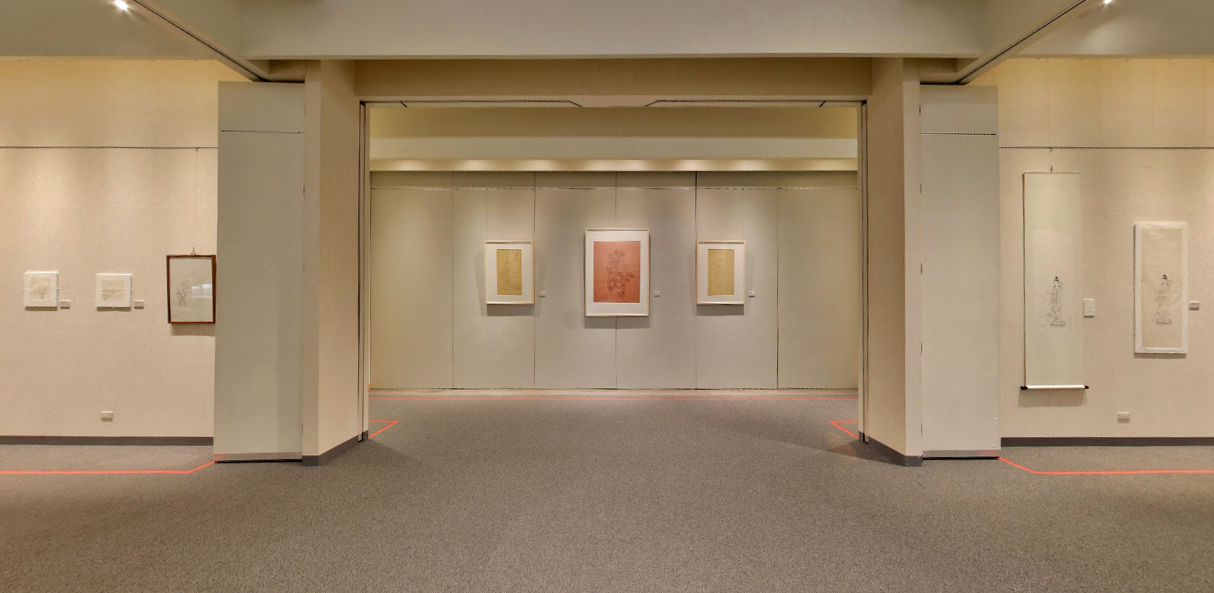
Go to Hwa Kang to look at how the work was taught
Hwa Kang Museum’s exhibition Wangsun Yidao: The Calligraphy and Painting Legacy of Hanyutang is announced for 14 September 2026 to 15 January 2027 in its fourth-floor special-exhibition area. The outline names subjects including landscapes, birds, plants, people and animals. Begin with the teaching purpose of the sheets rather than treating every mark as a finished painting made for sale.
This is a Taipei museum connection supported by the family, teaching materials and research programme. It is not an invitation into Pu’s former private home. The journey from a Beijing mansion ends with other people’s work: taking lessons, preserving drafts, comparing versions and deciding how the next viewer might learn from them.