A Thai sound worker remembers an earlier collaboration
Akritchalerm Kalayanamitr first worked with Apichatpong Weerasethakul on Tropical Malady. In a day’s 2021 Thai-language interview, he also recalled making Fever Room with Koichi Shimizu and duck unit. The director’s work reached a room through people who could develop the sounds he was trying to describe.
His account places an early version of an imagined impact sound in Fever Room, before its later development in Memoria. These stages have separate working histories. For a Thai filmgoer, listening for that earlier experiment offers a route beyond the director’s name, towards the people who kept testing what a sound could become.
The first stage experiment leaves room to learn
In 2015, Apichatpong described Fever Room as his first experiment in theatre, commissioned by Gwangju’s Asian Arts Theatre. The curator had given him freedom. A filmmaker accustomed to making images now had to learn what an audience and a shared room could do to the work.
In that interview, he connected the stage work with Cemetery of Splendour and its concerns with sleeping and escape. He also spoke of working in Khon Kaen, his hometown. A place familiar to him supplied material, while the new format let it move into another kind of encounter with viewers.
Taichung has to make a different room
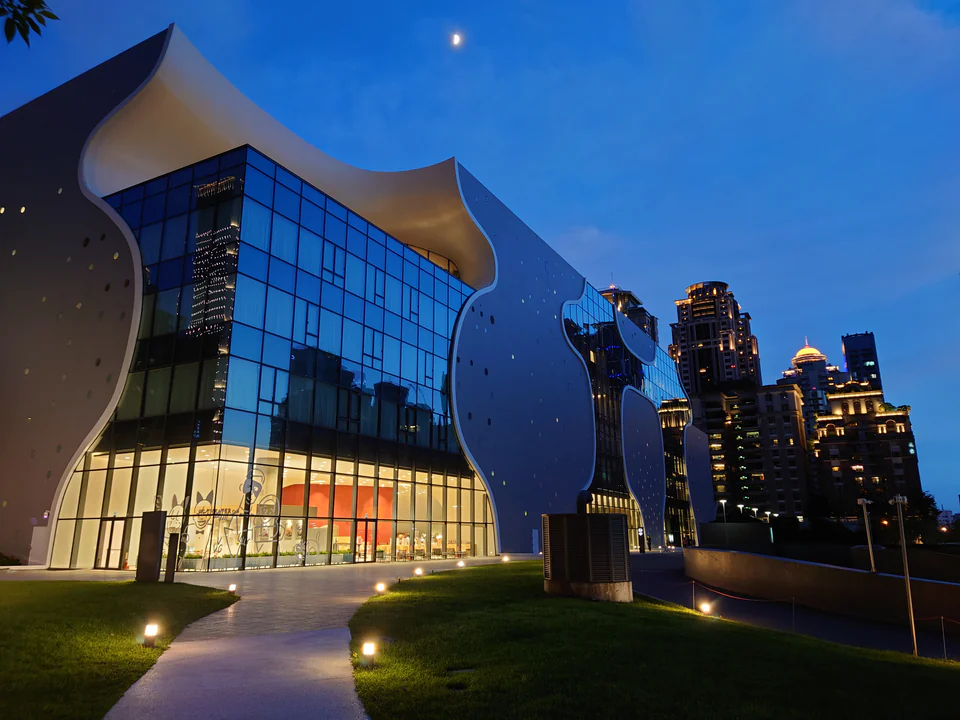
For the 2018 Taichung staging, the theatre team arranged only two hundred places in the Grand Theater, with the audience seated on the stage. The building’s ordinary seating arrangement could no longer define the meeting. The working question shifted to how people, equipment and projection would share that stage.
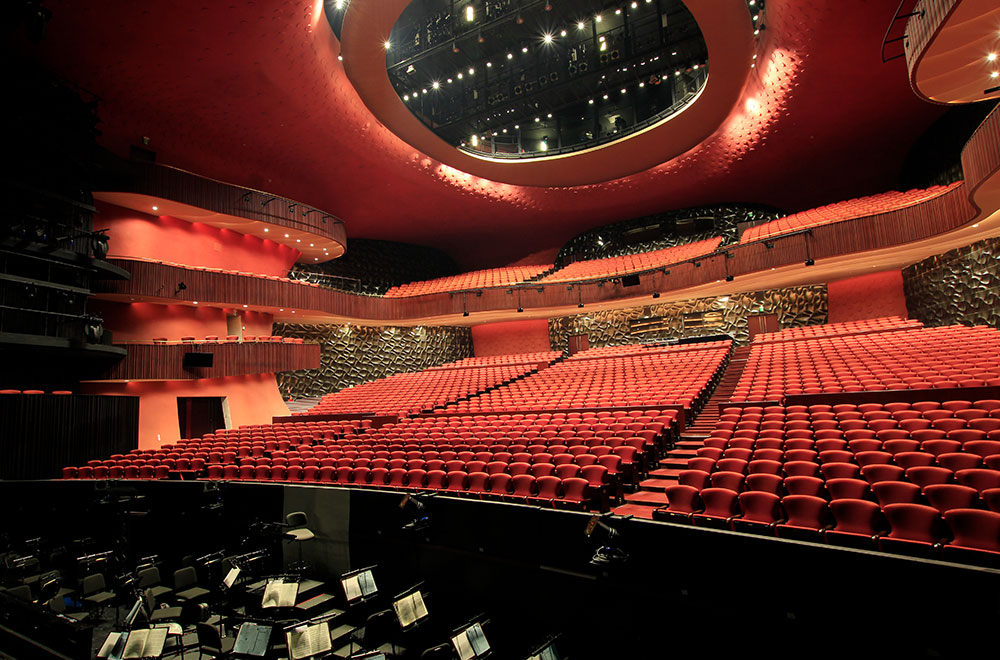
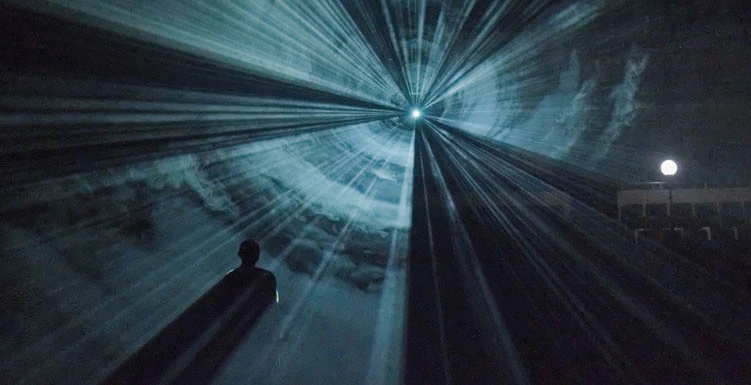
The team mobilised thirty-nine smoke and fog machines and used the theatre’s array speakers for the first time. The equipment count gives the abstract word “dream” a practical weight. Someone had to find, place and coordinate these machines so the effect could happen in this particular theatre.
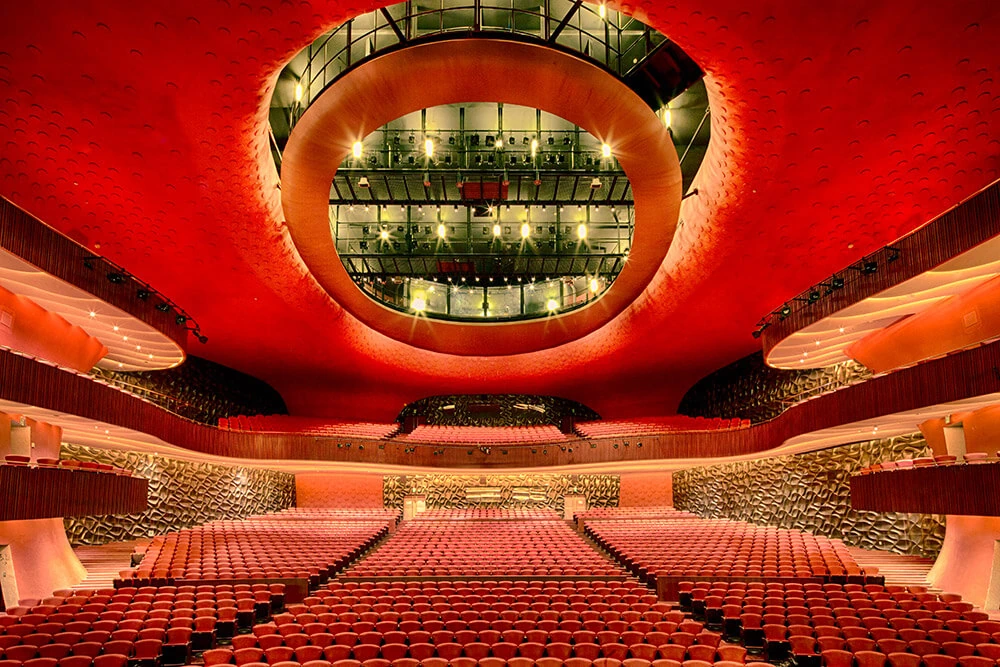
The programme asks a body to share the projection
The 2018 official programme described Thai images, sound, smoke and light extending into the theatre, with floor seating. Looking could involve more than following one screen. The viewer’s position in the room became part of the presentation, as light crossed the space between an image and a person.
The official pages linked the work to Jen and Itt, the figures who also appear in Cemetery of Splendour. Their dreams provided a thread, while the physical room changed how the audience approached it. A film’s related world could continue beyond a finished feature without becoming the same viewing experience.
A spectator records what happened after the plan
Che Hsiao-yu’s review records attending the final Taichung performance on 29 April 2018. She described finding the seating on stage and seeing the screen arrangement change. Her account brings the planned production into a completed encounter, through a named person’s observation rather than a promised experience.
That experience belongs to the 2018 event. The photograph preserves the production’s light and smoke, while the building continues to host different work. Keeping those times apart lets the old performance retain its particularity and gives today’s theatre programme the space to offer something of its own.
Enter the present theatre with a new listening question
The National Taichung Theater currently opens Tuesday to Sunday and national holidays from 11:30 to 21:00. Public spaces and bookable tours offer a present-day approach to the building. This visit follows a working theatre; Fever Room remains a past production, with no current performance promised here.
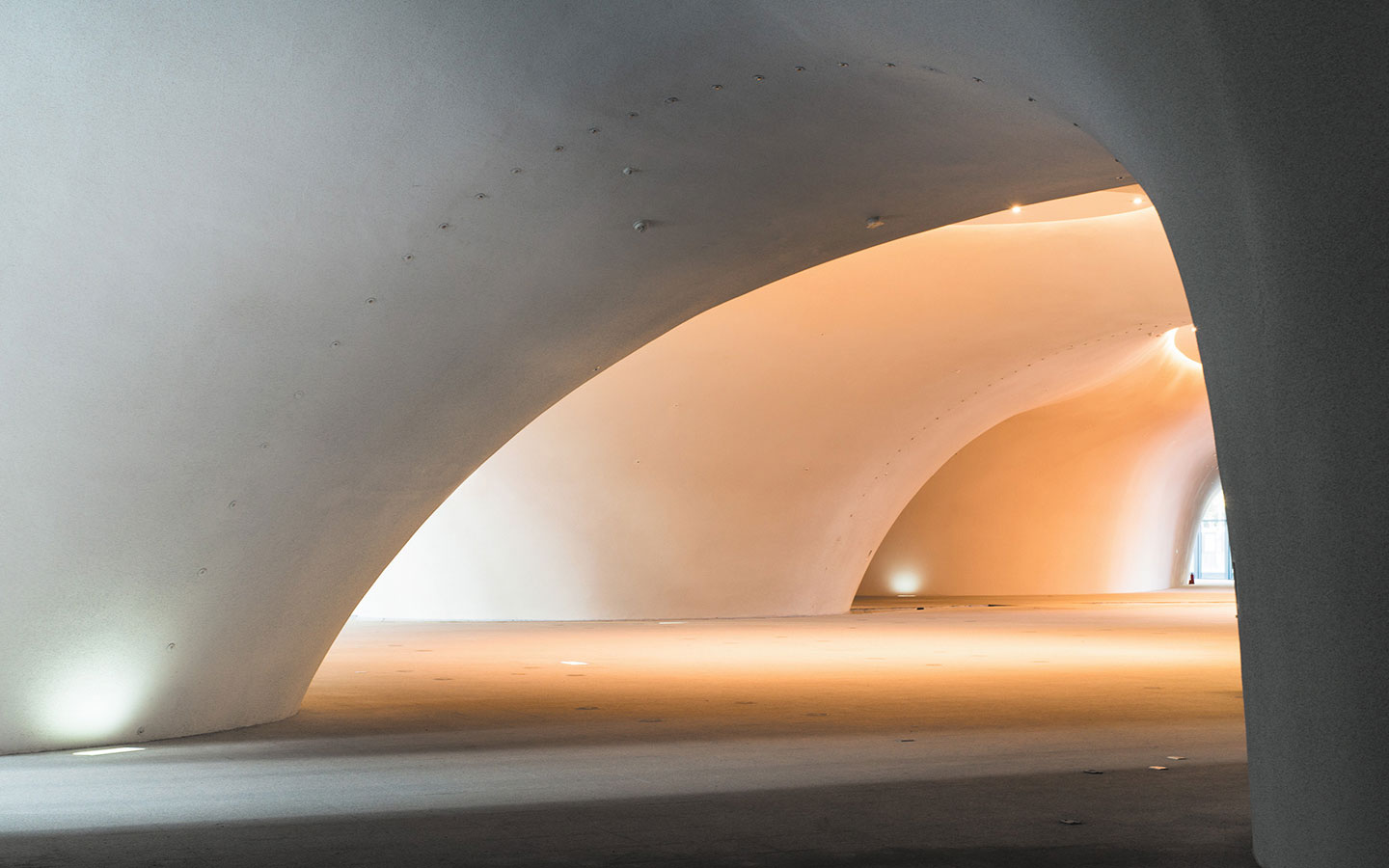
In an allowed public area, pause and notice a nearby sound and a more distant one. At your chosen performance, watch how the seat or stage position affects what reaches you. These are new observations for your own visit, prompted by the makers’ questions about how a room can change listening.