An Amsterdam question travels
Droog’s own history begins with Renny Ramakers and Gijs Bakker preparing a presentation of Dutch designers for Milan in 1993. Ordinary and reused materials carried humour and stories; some objects reached shops, while others remained prototypes. For readers who know this strand of Amsterdam design, an object’s meaning can be as important as its polished surface.
Bakker later became creative director for Yii, a Taiwanese initiative linking craft and contemporary design. The route crossed several places: Amsterdam supplies the design background, Taiwan supplied the makers and material knowledge, and Milan was the 2011 exhibition destination. The work was commissioned and developed through Taiwan’s craft institutions, with Taiwanese designers proposing objects from their own surroundings.
A drawing meets a material
Taiwan’s craft sector had already been looking for ways beyond competing on manufacturing cost. In 2007, the National Taiwan Craft Research and Development Institute began pairing craftspeople with designers. The problem included how to bring elaborate skills back into ordinary use, so that a buyer could recognise a particular object and the decisions behind it.
One proposal was the Bubble Sofa by designer Yu-Jui (Kevin) Chou and bamboo artist Su-Jen Su. Its repeated units were handwoven bamboo balls. Bakker’s 2011 project announcement described a modular sofa made from 999 of them. The repetition made the design legible at a glance, while placing the burden of achieving that form on the people who had to weave it.
Su-Jen Su solves the enlarged ball
Su’s later account in Taiwan Crafts makes the difficulty concrete. The balls were much larger than the traditional size. They also had to bear weight, so she selected tough guizhu bamboo. That choice answered the question of strength and immediately created another: the material was difficult to bend and weave into a sphere of the required size.
She eventually brought in male collaborators whose larger hands and greater strength, in that particular production, helped form the oversized balls. The account describes a practical change in how the work was made. The finished sofa depended on choosing a species, adjusting scale and finding people able to handle the material. Su’s contribution can be followed through those choices, rather than disappearing behind the finished design.
What crossed the sea
In April 2011, Yii presented its work at the Triennale in Milan, with Bakker as creative director and nendo responsible for exhibition design. The institute’s later account records that the exhibition took place. Bubble Sofa belonged to a collection drawing on Taiwanese daily life, alongside objects such as porcelain versions of disposable tableware and lighting connected with familiar street forms.
The traceable result is a made object and an international presentation. It does not tell us how much Su earned, how many sofas sold, or whether an entire industry recovered. It does show an exchange with a visible Taiwanese contribution: an international design framework depended on a craftsperson working through the resistance of a local material.
Return to the institution that made the pairing possible
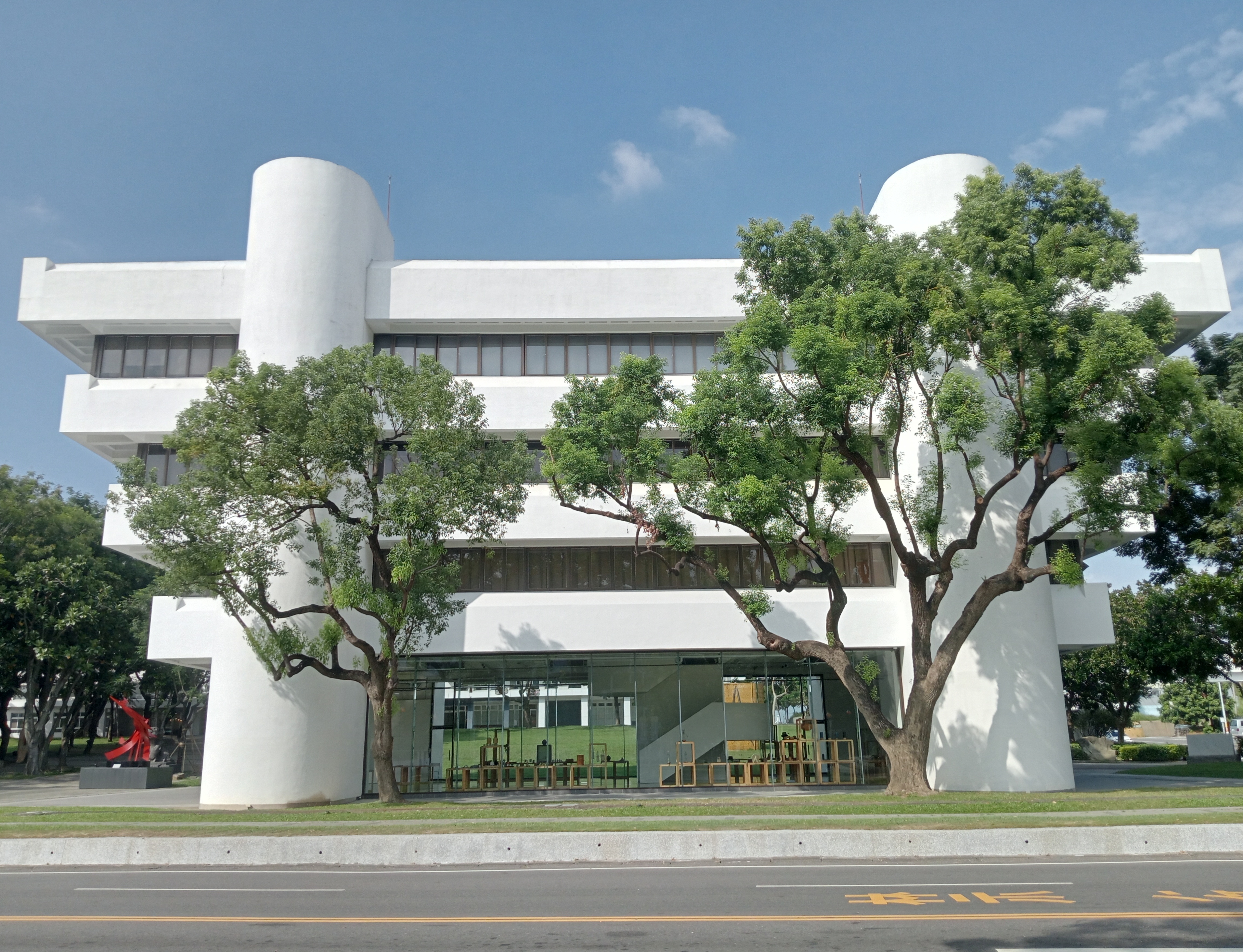
In Taiwan, the related public destination is the Taiwan Craft Cultural Park in Caotun, home to the institute that initiated Yii. Its exhibition and learning spaces let visitors look at how materials become useful objects. A useful question to take into a current craft display is where a maker had to change a drawing, a joint or a method to make the object work.
This is a visit to the project’s initiating institution. Bubble Sofa and the 2011 exhibition are historical subjects; their present display has not been confirmed. The connection remains useful without promising the original sofa: after following Su’s decisions, the eye has something specific to look for in bamboo structure, repeated units and the labour that joins them.