The mountain name is already on the shelf
HOJO’s Malaysian shop presents Ali Shan Cha as a Taiwanese high-mountain oolong and distinguishes cultivar and processing in its product description. A buyer in Malaysia can therefore meet the mountain through a packet before knowing the villages that make its tea. The useful next question is smaller than a whole region: which people and which work stand behind one tea-making address?
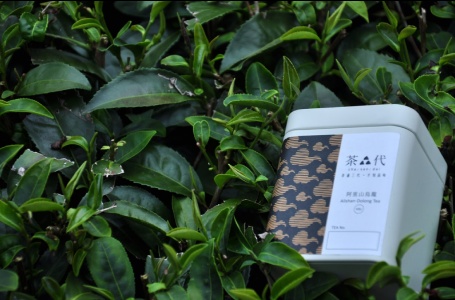
Image information
In October 2025, Oriental Daily’s deeper-travel account included Tea3Gen in Ruili, where visitors could learn about fresh leaves and tea-making. The name also appeared among the partners introduced at the Kuala Lumpur Alishan promotion. Malaysian readers now had a producer’s name and a place to follow, beyond the mountain name on a tea packet.
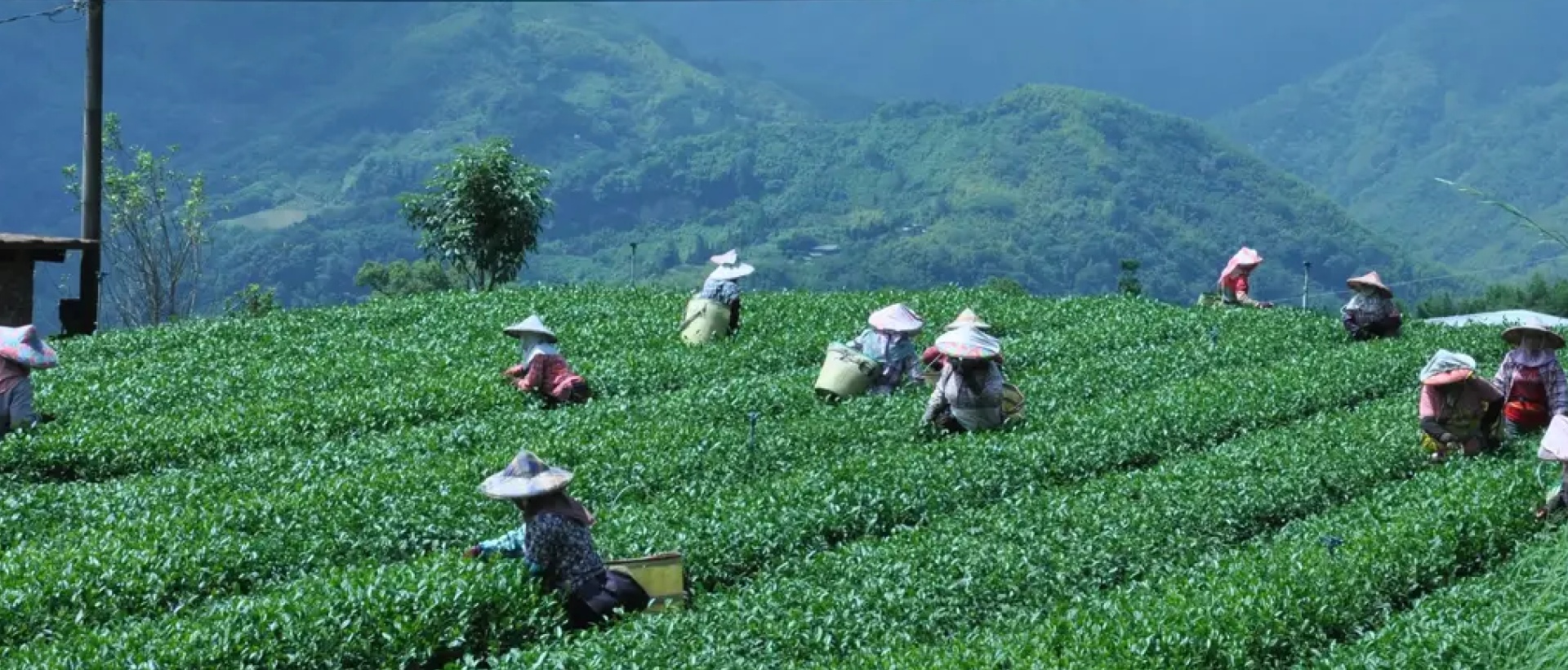
Image information
Returning meant learning beside his father
Tea3Gen belongs to the family behind Mingyuan Tea in Ruili. In a 2018 account, Hsu Jin-chia had returned the previous year and created the new brand. His father, Hsu Tsung-hsiang, continued making tea. The change was not a replacement of one generation by another: the new name sat beside a working practice the younger man still needed to learn.
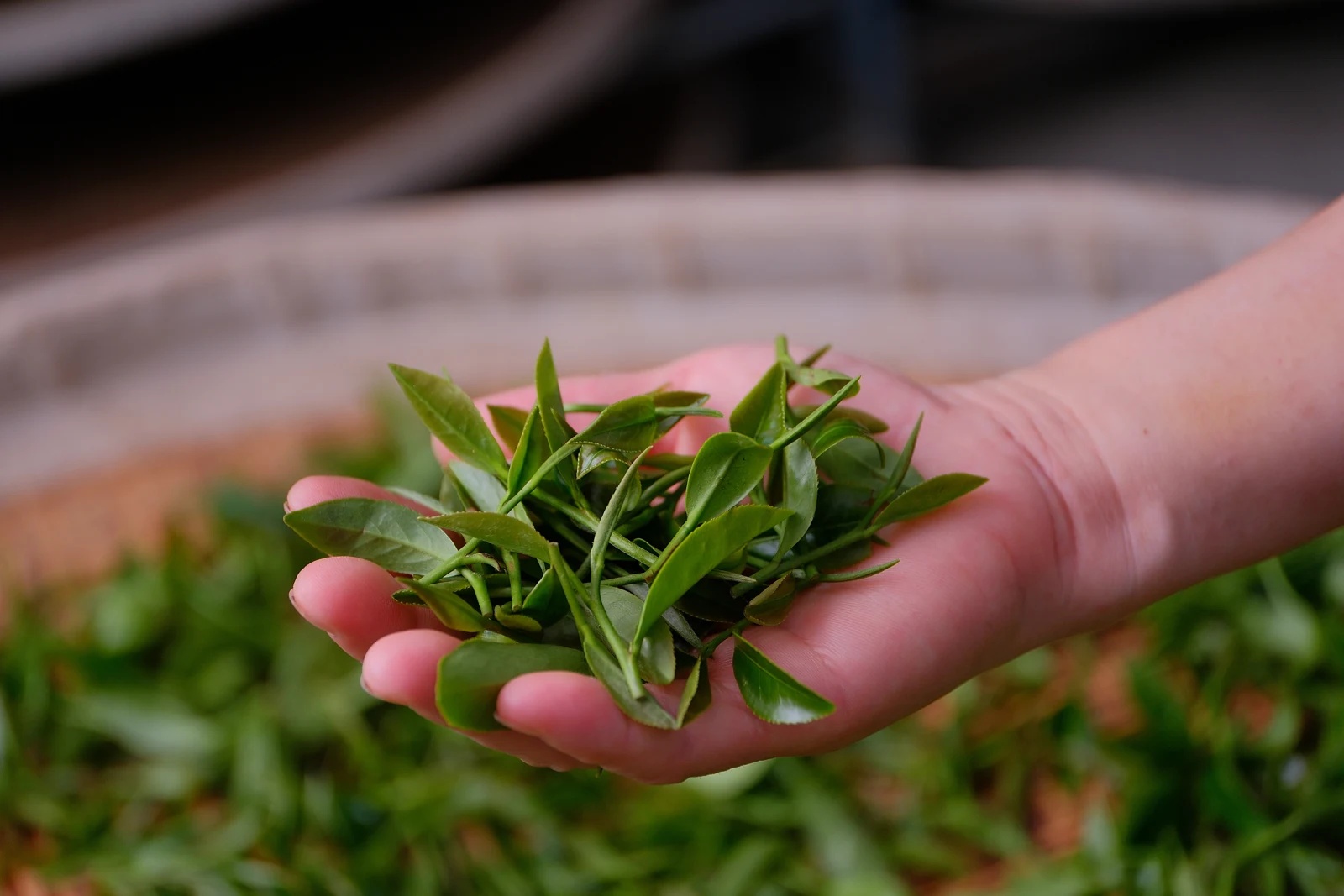
Image information
Jin-chia described leaving home after primary school because the mountain community had no junior high school. Coming back was therefore a return after years of learning to live elsewhere. Tea work gave that return an everyday shape: cultivation, handling leaves and understanding the place with someone who had watched it for decades. A family business asked for both new ideas and the patience of an apprentice.
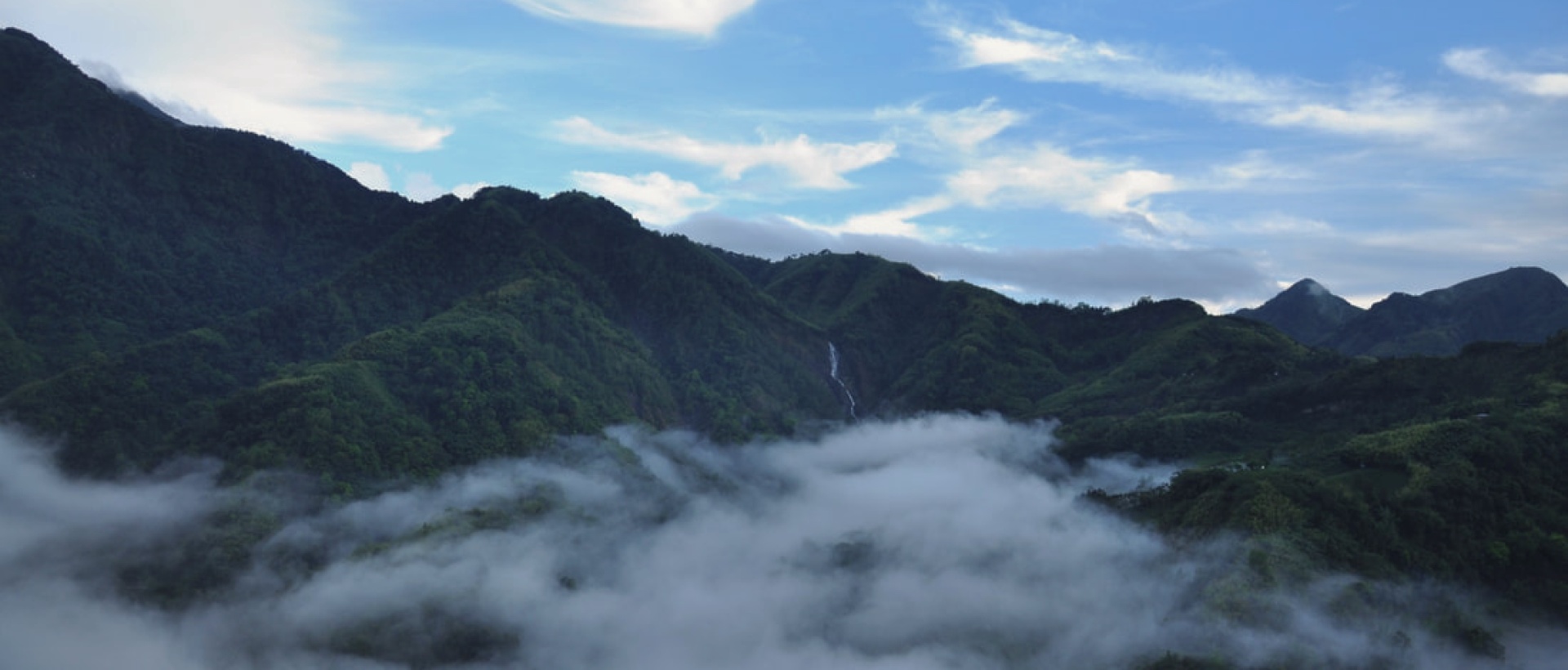
Image information
Rolling is one part of a much longer process
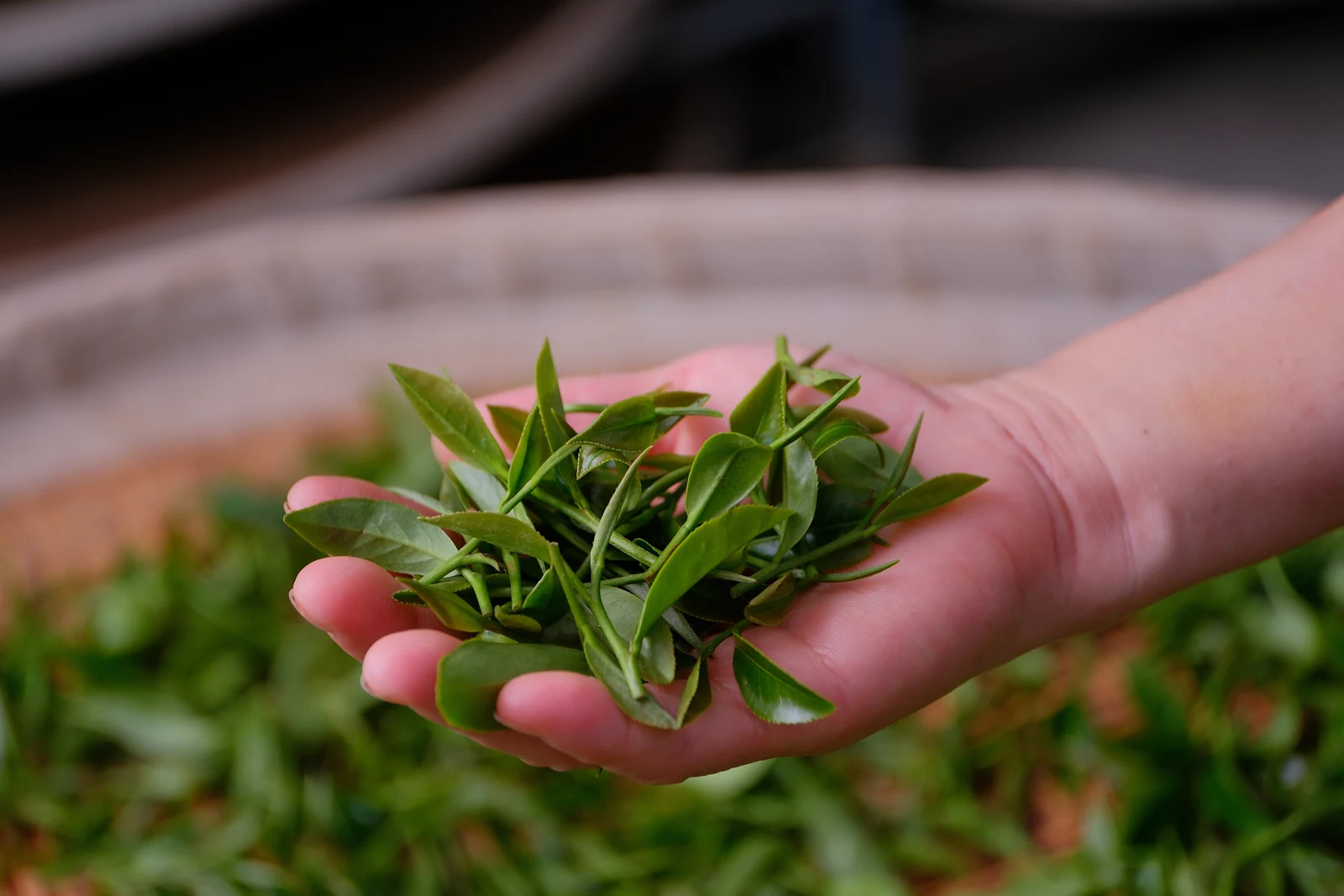
Picking, withering, resting, rolling, drying and firing form a sequence rather than one memorable gesture. In the father-and-son account, handling leaves by hand was a way to pass on details of tea-making. For visitors, touching leaves can make the work less abstract, but a short session should be understood as an introduction to selected stages of the producer’s larger process.
Image information
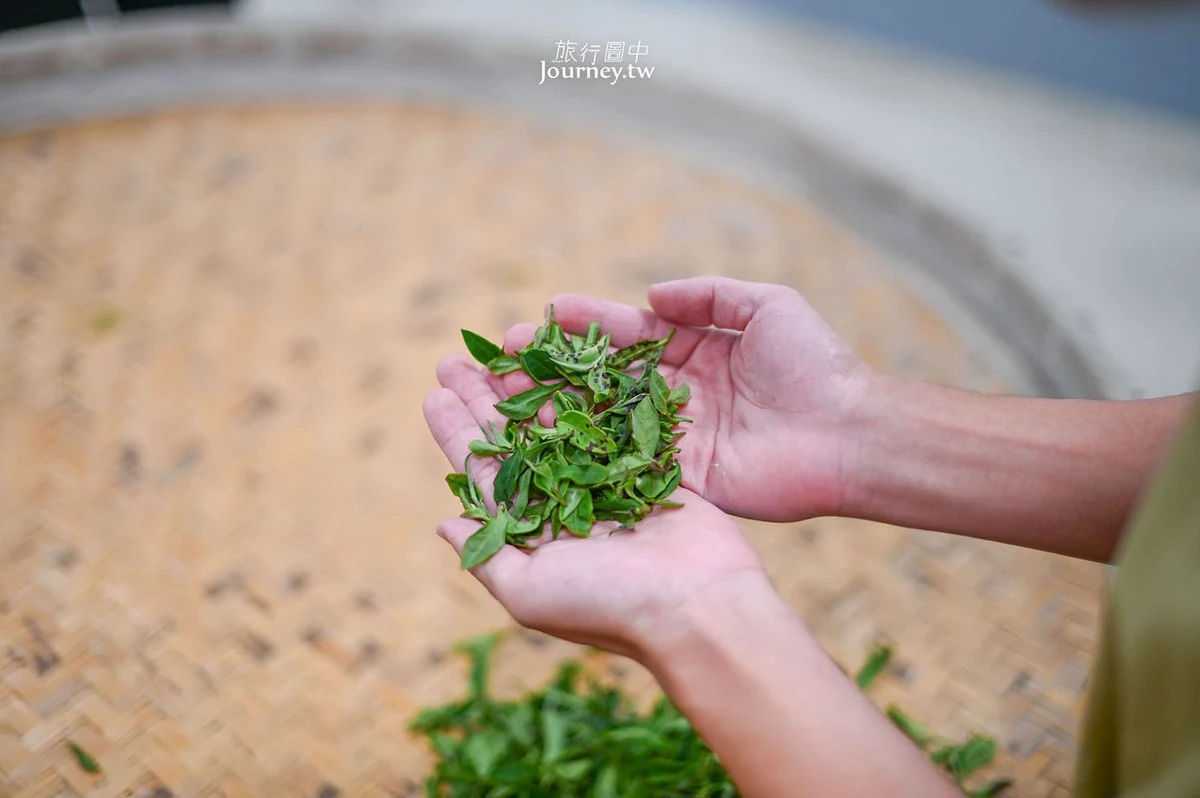
Watch what changes between fresh leaves, leaves being worked and finished dry tea. Ask the guide which stage the material has reached. A green leaf on a bamboo tray and a cup of brewed tea are far apart in time and judgement. Identifying what lies between them gives the tasting more substance than simply deciding whether the final cup smells pleasant.
The third generation makes a place for visitors
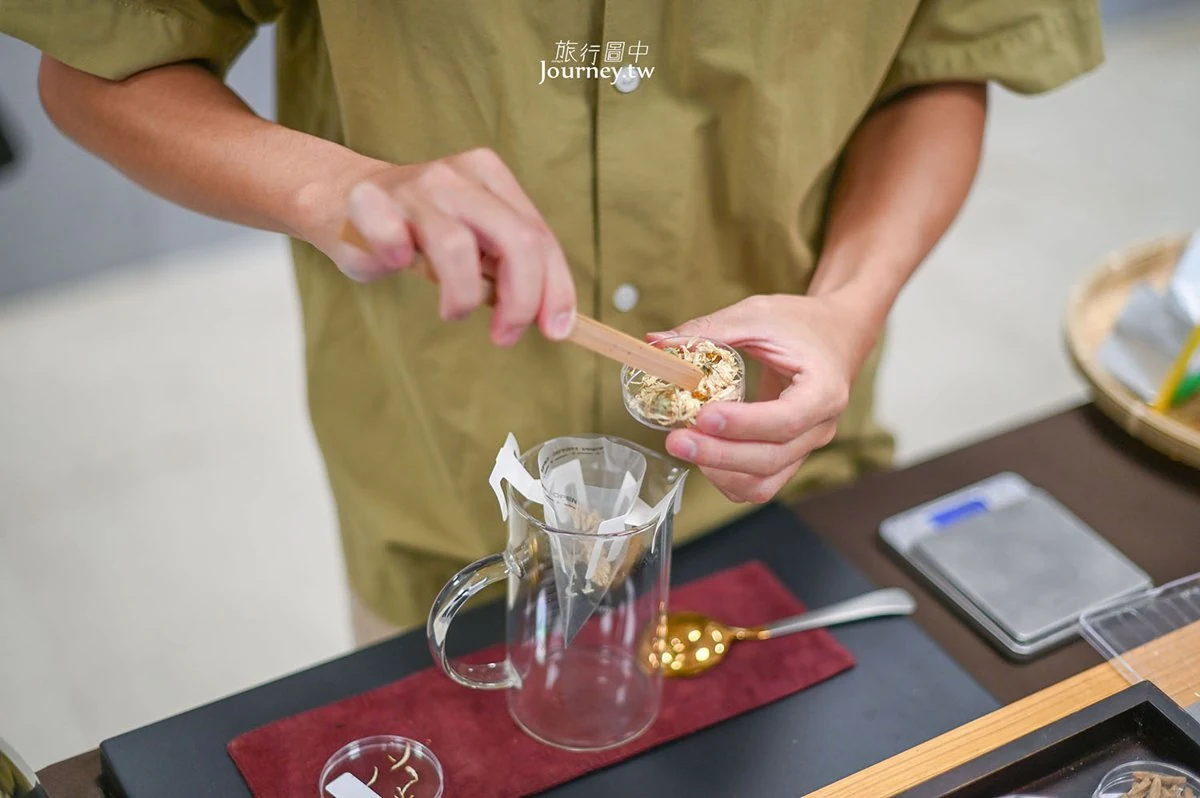
In Hsu Chieh’s 2024 visit, Jin-chia led a tasting and a flavour-blending session. Participants compared teas, then chose additional ingredients and packed their own blend. These activities open another part of the family’s work: explaining a flavour, helping someone choose and translating knowledge into a session a newcomer can follow.
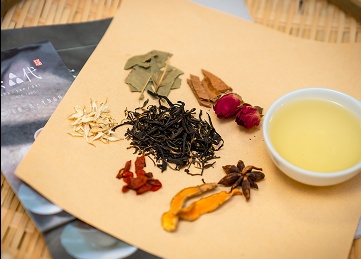
Image information
The workshop makes one producer’s decisions visible. A visitor who weighs, blends or tastes can see that a package requires choices before it becomes a souvenir. The brand gives those choices an address and a person to ask, while the older tea-making work continues behind the encounter.
Take the tea name back to a particular address
Tea3Gen’s current agricultural-learning listing offers reservation-based tea activities, with groups of four. Its own activity page also retains dates from earlier years, so an actual visit begins by confirming the session that can be arranged now. Ask whether the plan includes picking, rolling, tasting or blending, and whether language assistance fits the group. Those questions help the visit follow the work you came to understand.
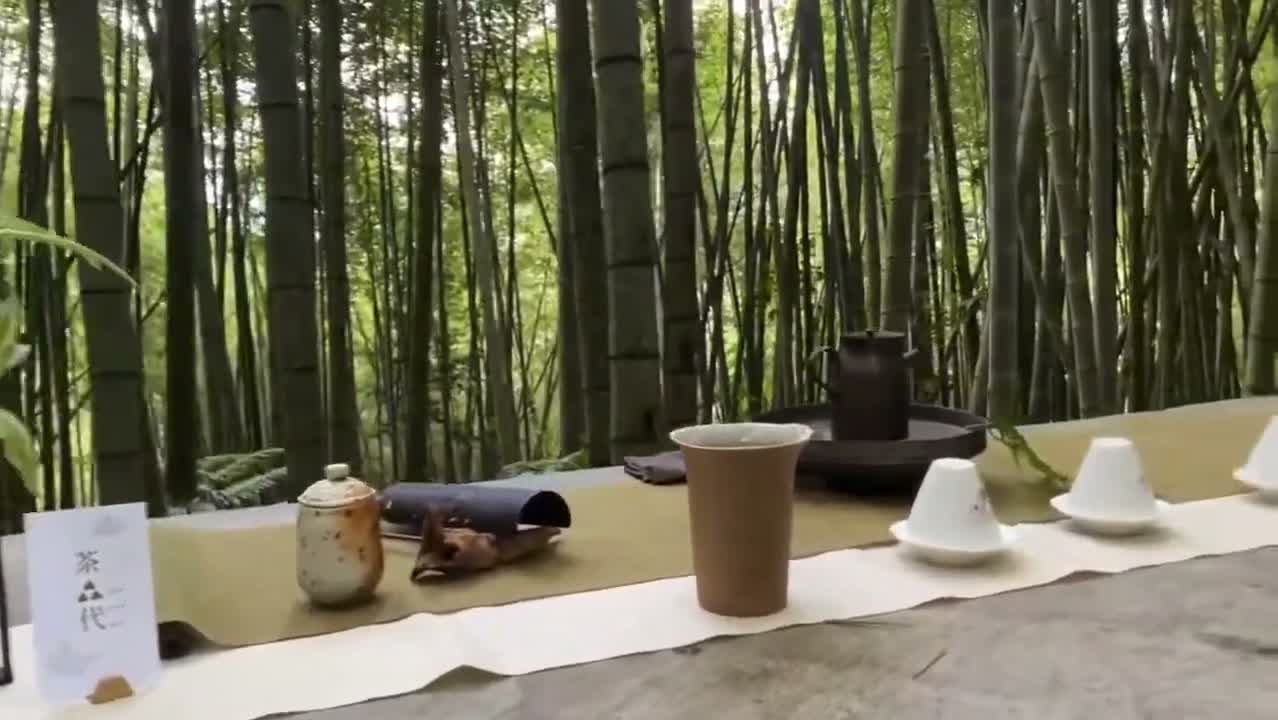
Image information
At Ruili, look first at the leaf and only then at the mountain view. In Malaysia, the mountain name can be enough to begin a purchase; here, it can lead to the person who returned, the father who continued and the hands that make a particular tea possible. When that cup returns to your own table, the name has somewhere more precise to point.