A Taipei kitchen shaped by Taiwanese ingredients
Toh met nkụ chef David Lee at Amass in Denmark. Visiting Taiwan, he accepted an invitation to cook together and stayed to work.
Joining MUME in May 2021 meant facing a dining-room closure. His takeaway salad used red amaranth and daylily flowers; texture had to withstand transport. Taiwanese ingredients remained the starting point.
MUME describes working with local farmers, fishers and food producers, letting seasonal supplies shape its menu. Cooking experience from elsewhere meets the materials available in Taiwan, through preparation and technique.
At today's table, ask where an ingredient comes from and why it appears this season. The following cooks' trials and preparations continue that work of learning from the island.
A Taiwanese cook learns to ask different questions
Robert Tsai Tzu-wei (蔡慈偉) arrived at MUME with a Chinese-cooking background. He had graduated from Kai Ping Culinary School and worked in chain restaurants and food courts. A working holiday in Sydney, including time at Mr. Wong, showed him another approach: temperature control and modern techniques could reveal good ingredients rather than bury them under seasoning.
By 2020, he was MUME’s sous chef and was preparing to lead a new restaurant. A trial meal at MUME Studio put his ideas in front of experienced cooks and a food writer. This was a turning point from executing a kitchen’s menu to explaining why he had made his own dishes.
His inspiration included childhood fishing trips with his grandfather on Taiwan’s northeast coast and the family seafood meal afterwards. Those memories gave local ingredients a place within his cooking. They also needed testing: the table could respond to the strength of a broth or the texture of a piece of seafood, not just to the story behind it.
A stronger broth can hide a quieter ingredient
One trial dish combined thin squid strips, steamed egg, clams, chicken broth and crisp Penghu seaweed. Tsai had drawn inspiration from crab steamed over rice noodles, which absorb seafood juices. In his version, squid took the place of the noodles and a rich sauce carried the dish.
The responses showed why development cannot stop at inspiration. A visiting chef liked the preparation but felt that the powerful broth left the squid contributing mostly texture; its sweetness had become less apparent. That observation turned the trial into a question of balance. Choosing a local ingredient is only the beginning of keeping it perceptible.
The remaining squid becomes another component
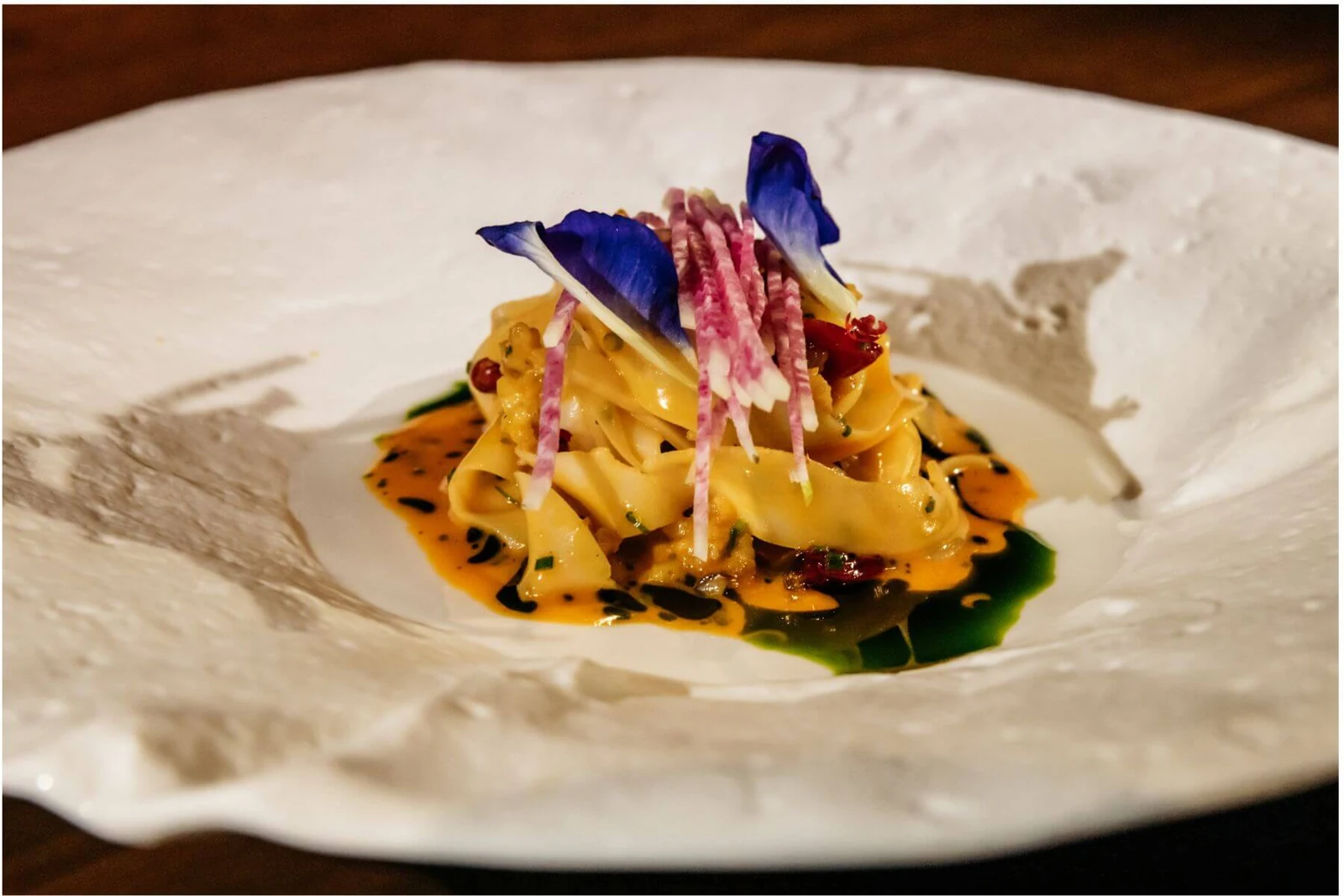
In 2022, Lin demonstrated a squid dish inspired by pasta. He removed the membrane, cooked the body sous vide and cut it into noodle-like strips. Remaining body pieces and tentacles went into an nduja-inspired squid preparation used in the sauce. The photograph preserves the result of that preparation.
Using those parts required additional preparation time. Lin’s team had also spent months assembling documentation for a sustainability assessment, reaching beyond purchases into packaging, the restaurant environment and staff arrangements. The work was not confined to what appeared in the centre of a plate.
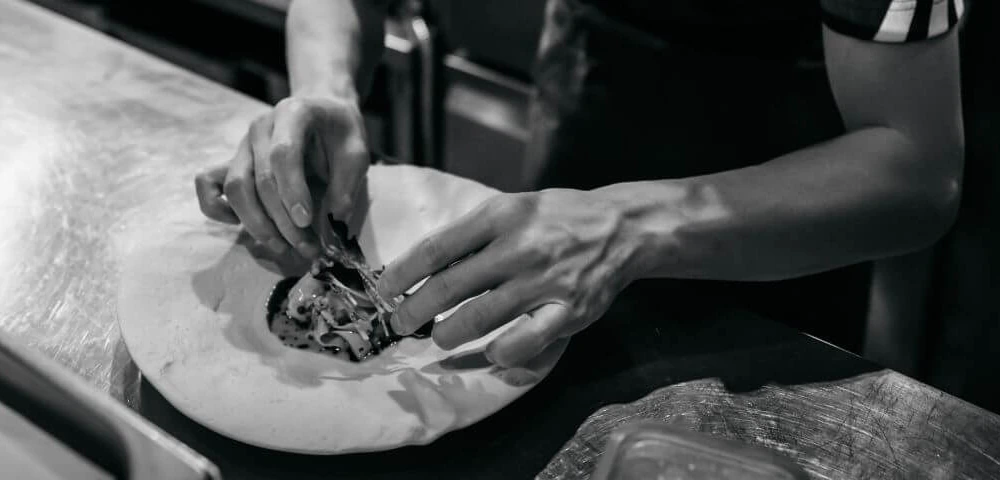
The restaurant’s stated practice of working with farmers, fishers and local producers connects this preparation to supply. A seasonal menu needs people outside the dining room as well as cooks inside it. The resulting plate records choices about what to buy, what to keep and what to make from each part.
The menu continues learning from the island
In September 2026, culinary director Kai Ward recalled the beginning: arriving in Taiwan meant going stall by stall at Binjiang Market to ask about produce. His more recent dishes included squid with Penghu XO sauce and betel-palm flower, and a millet dessert using fermented millet as well as cake and ice cream. The ingredients kept prompting new work.
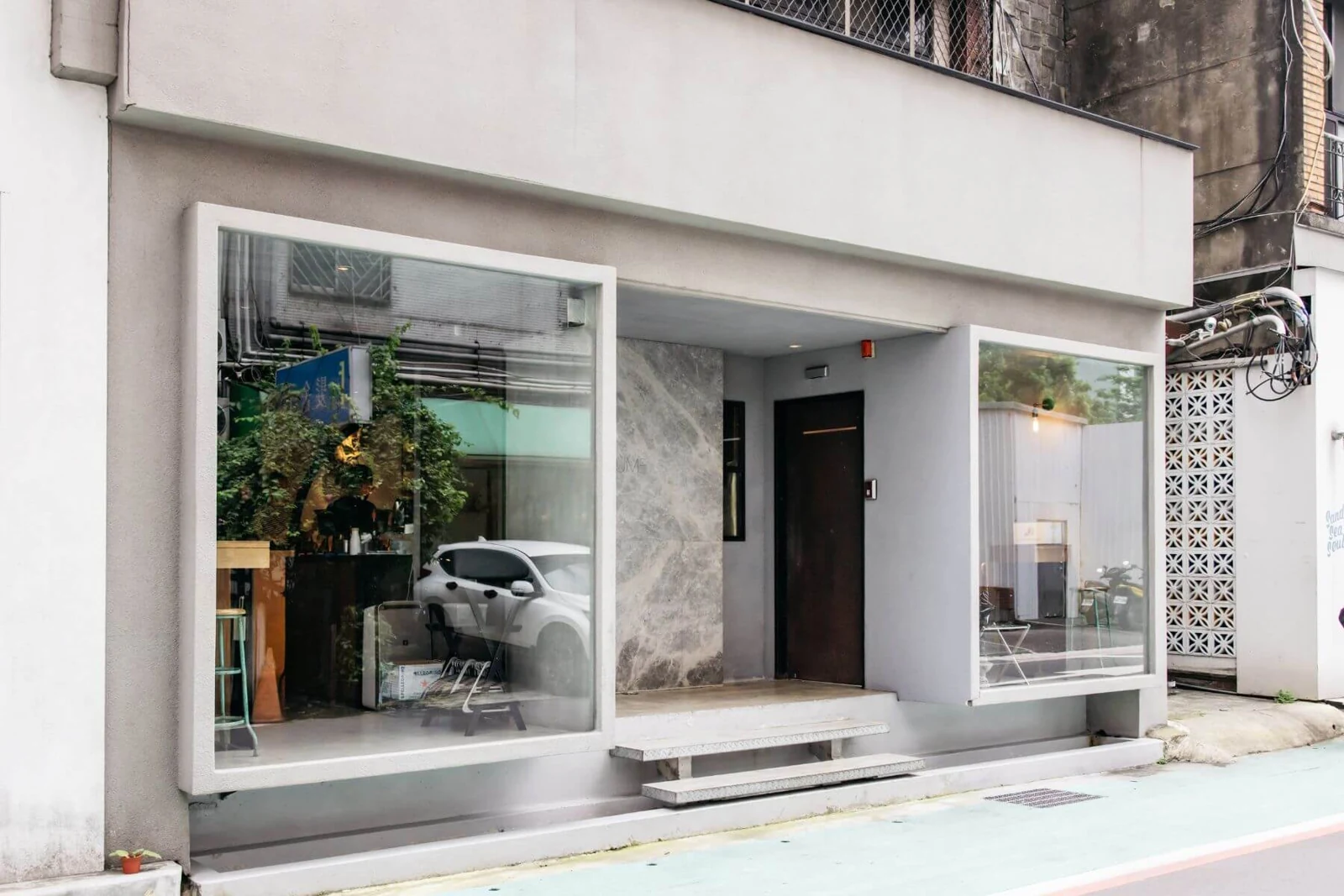
MUME’s Siwei Road address gives this story a place to visit, while its kitchen and people have changed over the years. Tsai’s 2020 trial and Lin’s 2022 demonstration are earlier chapters, not promised courses for tonight. At a booked meal, follow the current ingredients and ask how the preparation changes their texture or uses the rest of the product.
At the current table, read the ingredient names as the courses arrive. Notice which preparation lets seafood keep its sweetness, or gives a grain a different texture. Those details connect the present meal to the years of learning, trial and adjustment that made it possible.