
A son learns the rhythm of a hawker stall
As a schoolboy in Singapore, Jimmy Lim Tyan Yaw (林恬耀) helped at his father’s cooked-food stall: cleaning dishes, taking orders and serving food. When he could handle the wok, he made simple dishes too. In CNA’s 2021 account, he recalled that the stall taught him to respond quickly and pay attention to whether guests were happy.
His later training took him through hospitality school and overseas kitchens. A job opportunity brought him to Taiwan in 2007, and he worked at Lanshu Chen’s Le Moût in Taichung. Skills rooted in European restaurant cooking accumulated alongside the Singaporean food he had grown up with. Eventually he had to choose which of those experiences would lead his own restaurant.
In a 2022 Tatler Singapore interview, he named his father as his greatest professional influence and wished he could cook again with his father and grandmother. That wish gives the restaurant’s reinterpretations a particular weight. New forms grew from food whose makers were no longer there to answer every question.
Before opening, the Taiwanese team changes course
JL Studio opened in 2017. Before the doors opened, Lim had prepared a modern European menu and stocked the kitchen for it. Then he decided it did not express the food he wanted to make. The change to Singaporean cooking required replacing ingredients and teaching the crew a different repertoire, rather than merely changing a title on the menu.
In 2023, Lim remembered how difficult the early months were. The crew had to start again, while guests in Taiwan met flavours unlike the European meal they might have expected. Some colleagues from the opening period were still working with him at the time of the interview. The new cuisine was learned through an ongoing workplace.
The ingredients also needed a route to the kitchen. He worked with a Taiwanese farm growing Southeast Asian produce. This gave the Singaporean starting point local labour and cultivation behind it. The restaurant’s change of direction had consequences beyond the chef’s memory and beyond the dining room.
Which part of chicken rice must remain?
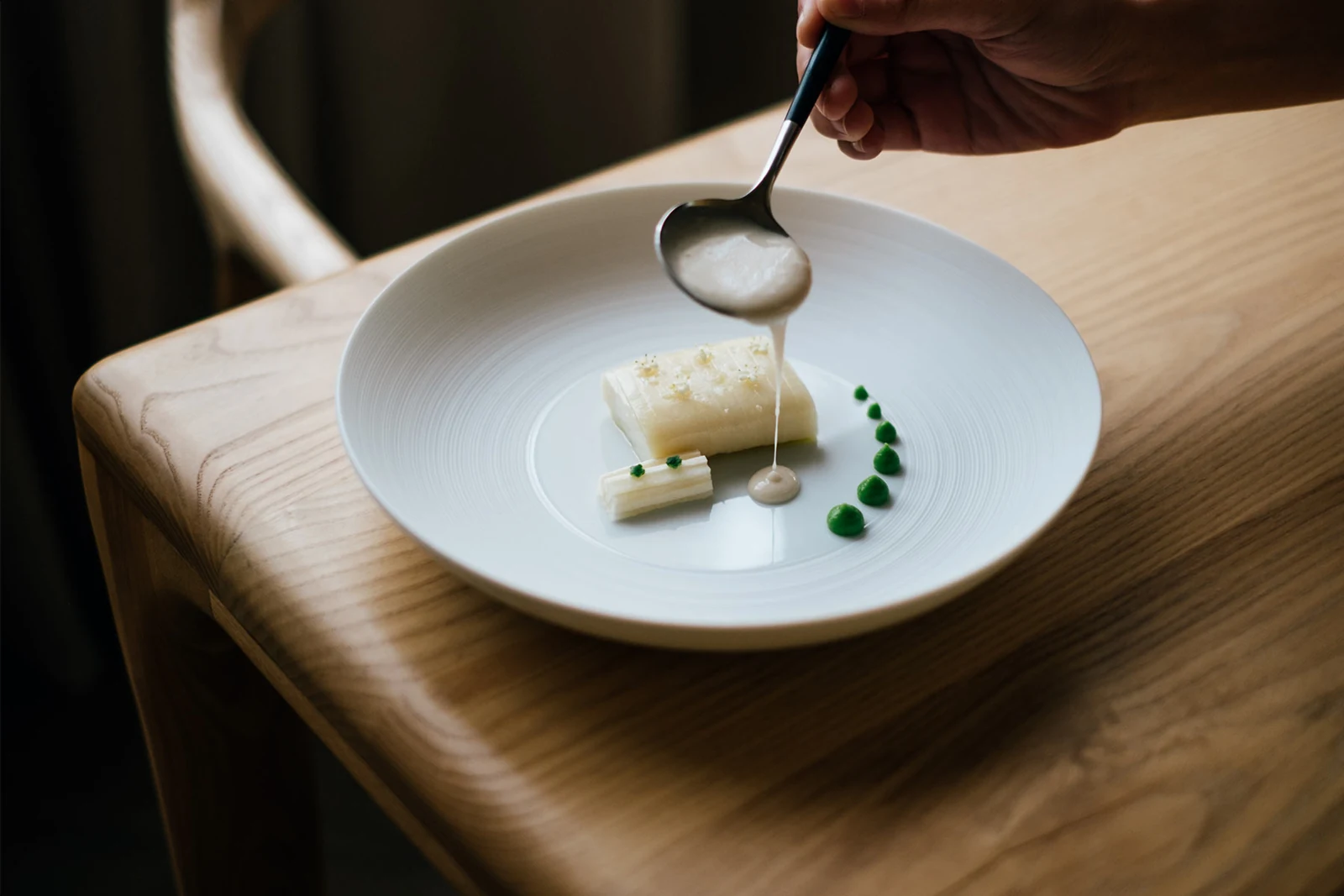
Chicken rice became one way to test the question. In 2021, a version used white asparagus and shirataki in place of the expected chicken elements. Other versions changed the rice or replaced the meat with seafood. Lim kept returning to the aromatic framework of the dish as its appearance shifted.
For Lim, pandan, lemongrass, ginger and garlic were the flavours carrying recognition. The 2022 winter dish, featured in a 2023 report, used cod, jicama and jasmine rice. The photographed dish is one of the restaurant’s earlier experiments. A familiar name could introduce a plate that no longer looked familiar.
In another 2023 version, local grouper was poached in aromatic fish stock and rice became a blended sauce, with a milder Taiwanese pepper used in the chilli component. The versions share a question, but are not the same dish. Changing ingredients made it necessary to decide which flavour relationships still identified chicken rice.
A familiar sauce-adding gesture helps a new flavour arrive
Listening to diners altered the process. Lim recalled that the earliest spice and chilli levels had been hard for some guests to accept. He reduced them while deciding how much of the original profile he could retain. The adjustments responded to guests at his tables.
One answer borrowed the local habit of squeezing chilli sauce into a bun. His chicken-rice filling went inside a pastry, with a sauce bottle inviting that familiar action. The eating gesture linked a Taichung meal to Singaporean flavour. The bridge was something a guest could do with a hand, not simply a description delivered by the kitchen.
Una Han learns the flavours where people actually eat
For Taiwanese pastry chef Una Han Hui-ting (韓慧婷), understanding the new direction took more than following a recipe. In 2019, she recalled a trip to Singapore with Lim and colleagues: three days of tasting from early morning into the evening, including neighbourhood coffee shops and everyday meals. Before that trip, she had never been to Singapore.
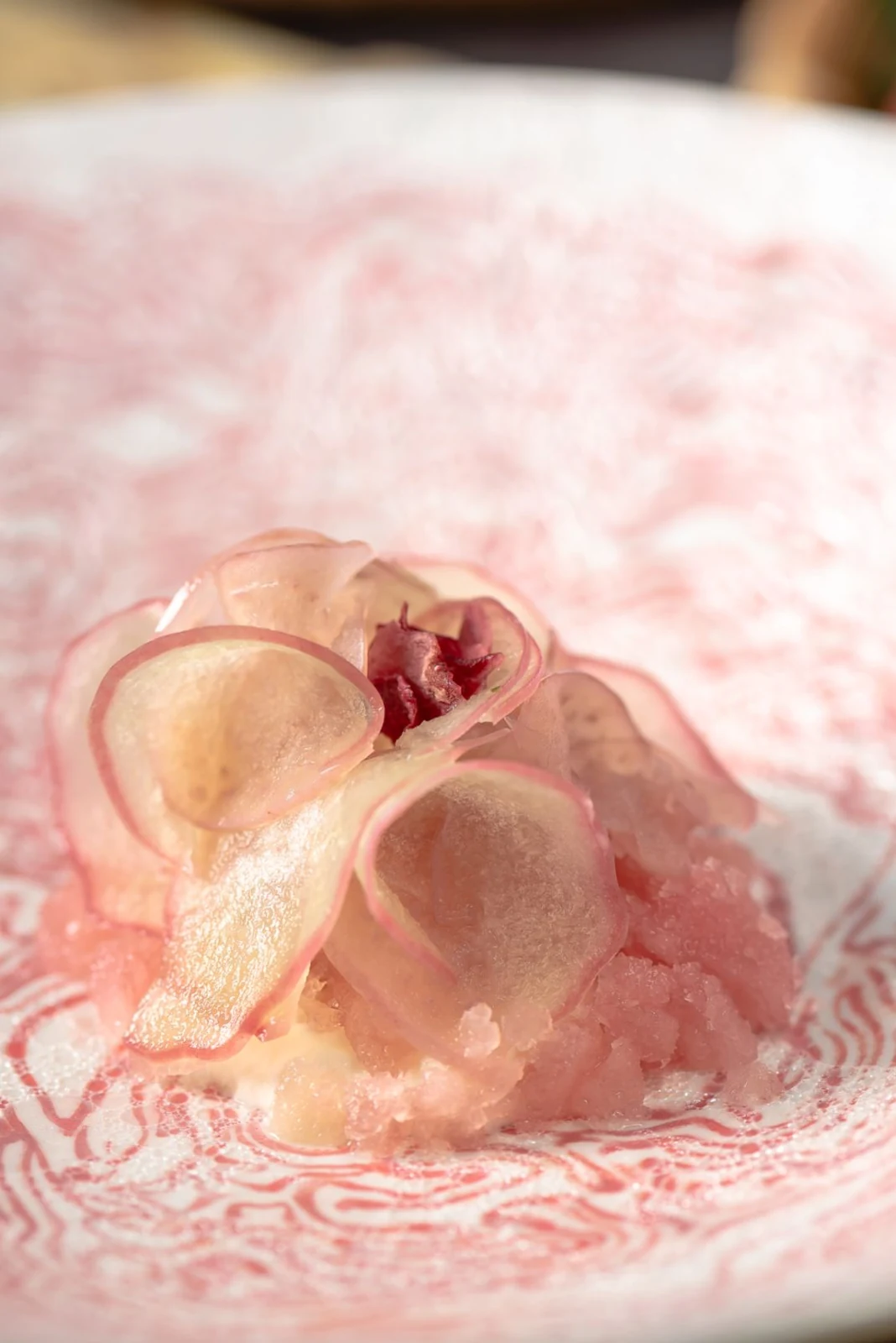
Afterwards, she became more confident using pandan, and paired Taiwanese wax apple with laksa leaf and pear with lime-leaf flavour. The photographed Jambu dessert belongs to this earlier period. Local fruit did not merely fill an imported template: a cook had gone to understand the food before finding combinations in Taiwan.
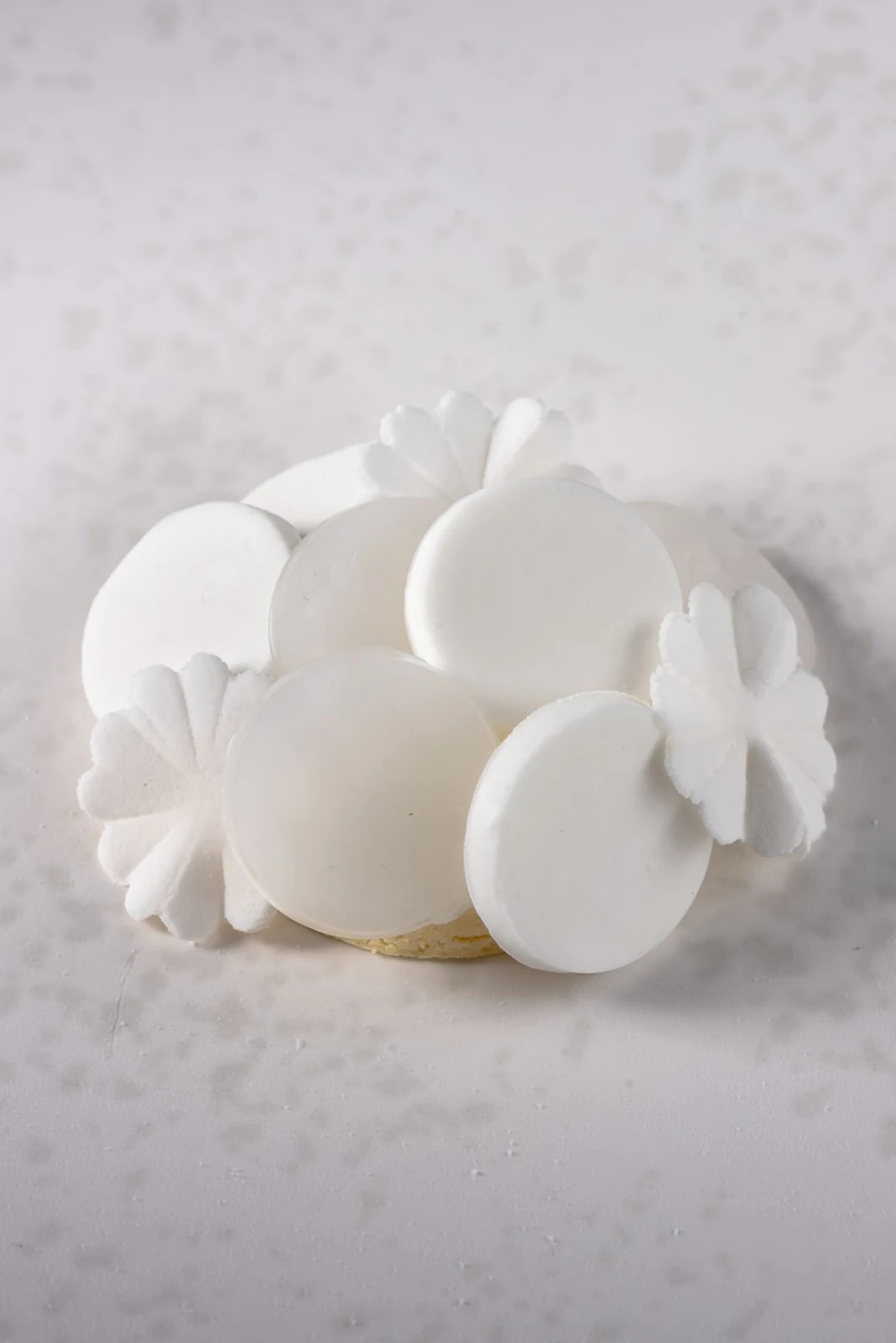
The Merlion dessert made recognition into a sequence. Coordinates on the menu and a photograph of the statue’s scales offered clues; coconut elements and mango arrived on the plate, followed by a postcard revealing the place. Han also had to balance this ending with the preceding courses. A richer dessert might require a lighter course before it, so the whole meal remained comfortable.
The restaurant returns to a different Taichung address
In June 2026, JL Studio announced its move to 59 Cunzhong Street in Taichung’s West District. The address was the former home of Le Moût, linking Lim’s present restaurant to a kitchen where he had worked earlier. The old Yifeng Road address in previous profiles is now part of the history of these dishes.
A visit begins with a reservation for the menu being served now. The earlier dishes offer questions to follow: which aroma stayed, which ingredient changed and how did the Taiwanese team make the change work? At the current table, the answers may take another form. Follow the service as each course arrives, giving the present meal its own time.