A craft stop in a Taipei itinerary
In her January 2025 Taipei report, design writer Luo Jingmei placed Suho Paper Memorial Museum among the city’s craft destinations. The attraction was specific: visitors could make paper on the rooftop. It offered a different kind of souvenir, one whose formation could be followed rather than hidden behind a finished surface.
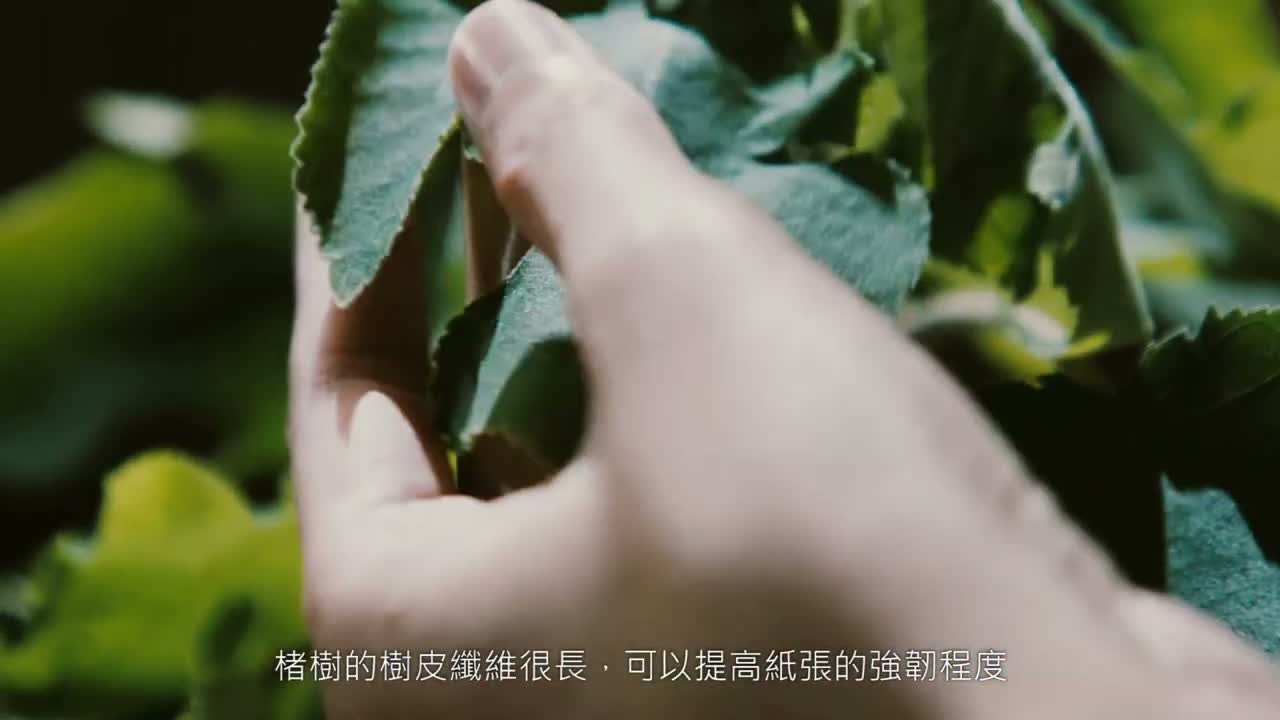
The name on the door belongs to Chen Su-ho, founder of Chang Chuen Cotton Paper. His work began in Puli, central Taiwan, not in a museum gallery. For decades he developed handmade and specialty papers; later he wanted the material’s history and possibilities to be understood beyond the people already working in the industry.
A wish the family could no longer postpone
Chen Su-ho and his wife, Chen Lai Feng-chiao, died in the Guangzhou Baiyun Airport air disaster in October 1990. The museum he had imagined had not opened. What remained was a foundation, the resources of a paper business, and a decision his children now had to make.
In a 2021 interview, his youngest daughter Chen Ruei-huei recalled that the family had once doubted the project: museums were outside their expertise, and neither funds nor floor space were abundant. After losing her parents, she committed to completing it. The family foundation spent five years preparing; Suho opened in October 1995.
The scale shaped the result. A narrow four-storey Taipei building could not imitate a vast national museum. It brought a small papermaking workshop, exhibitions and hands-on teaching into one address. Visitors could move from the explanation of paper to the work of making it without leaving the building.
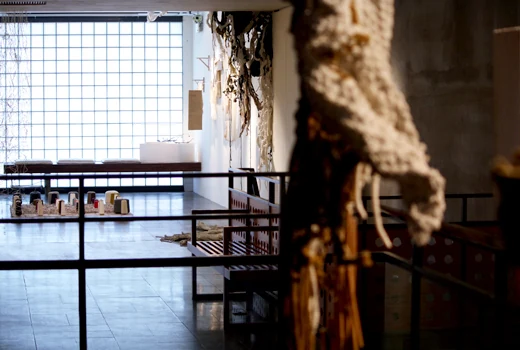
Image information
A screen catches what a page conceals
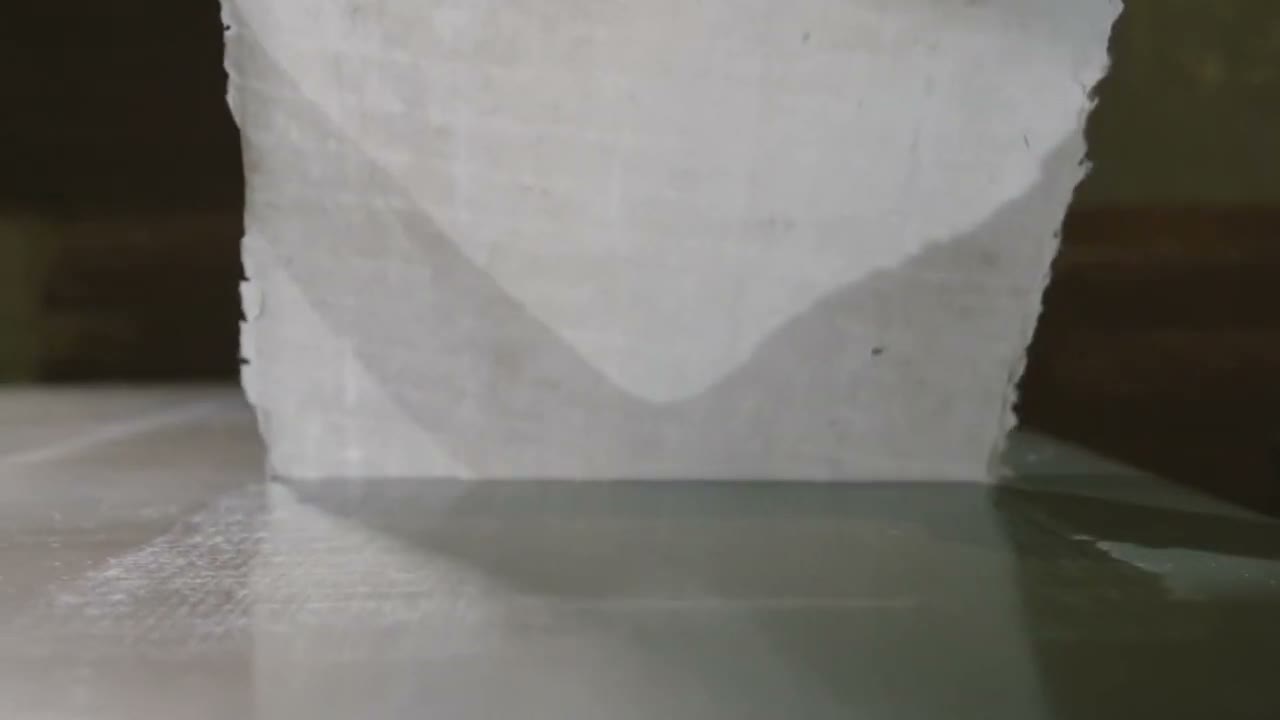
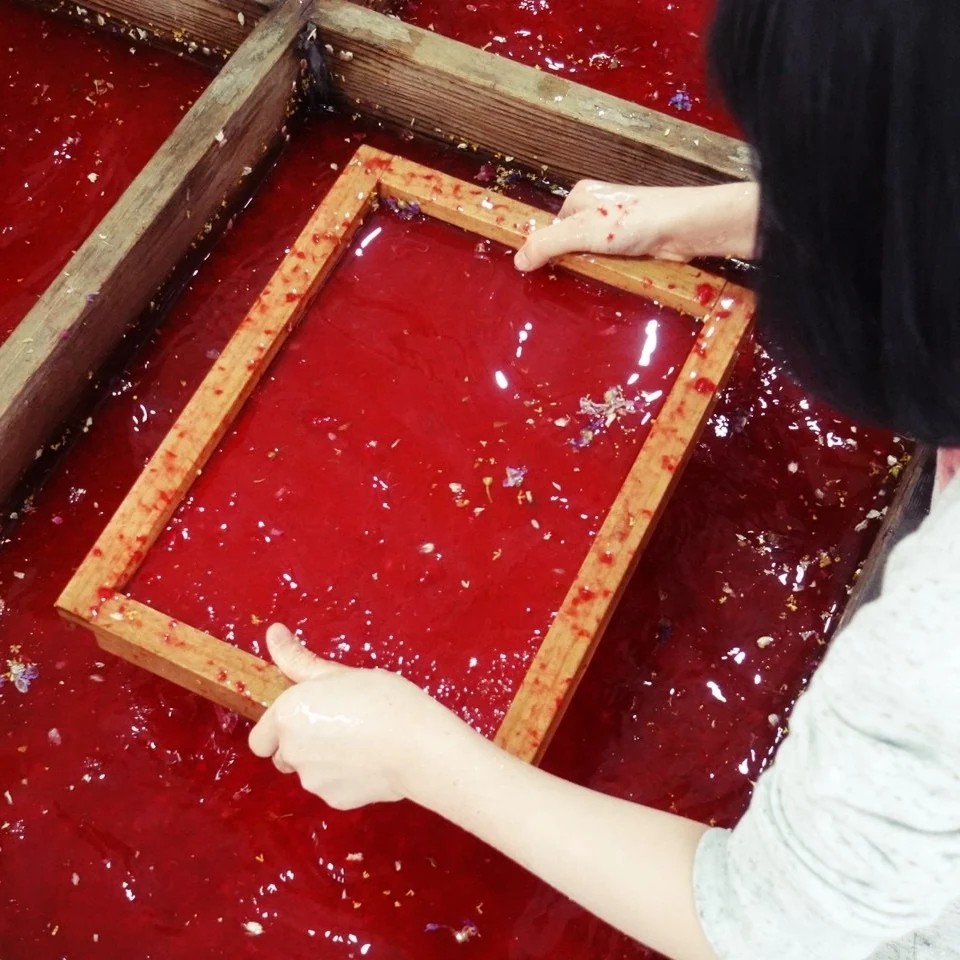
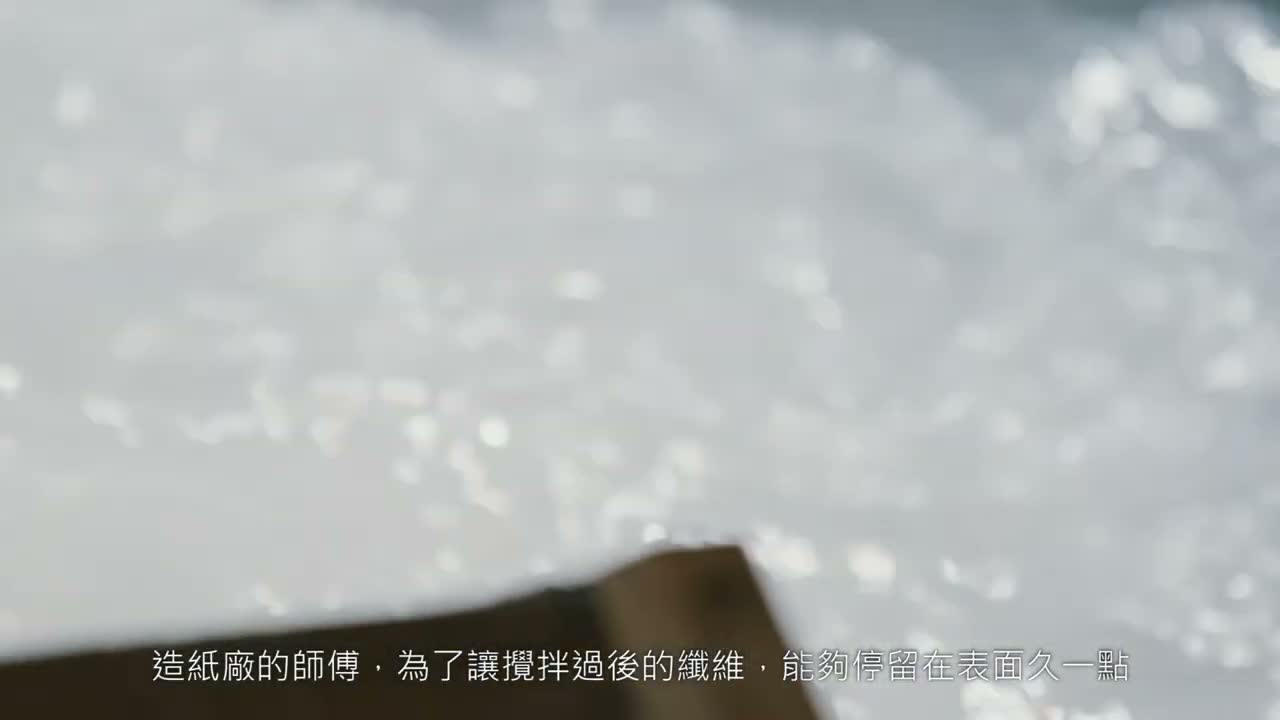
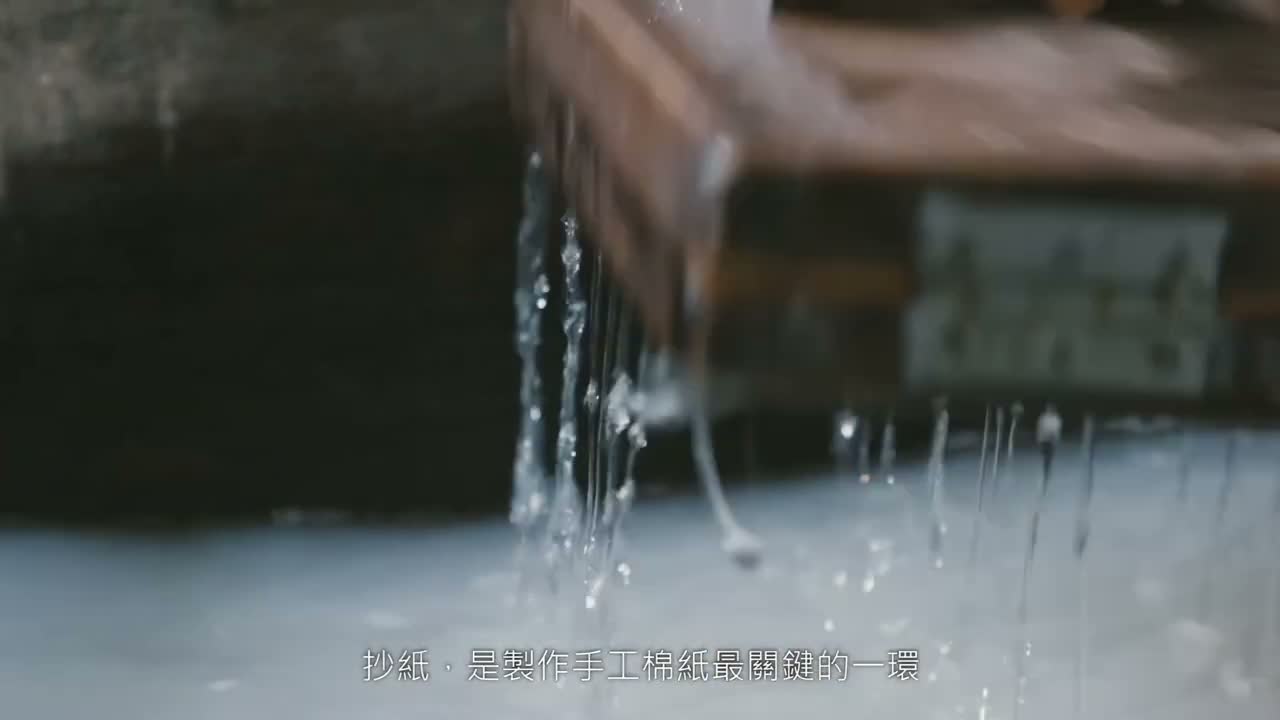
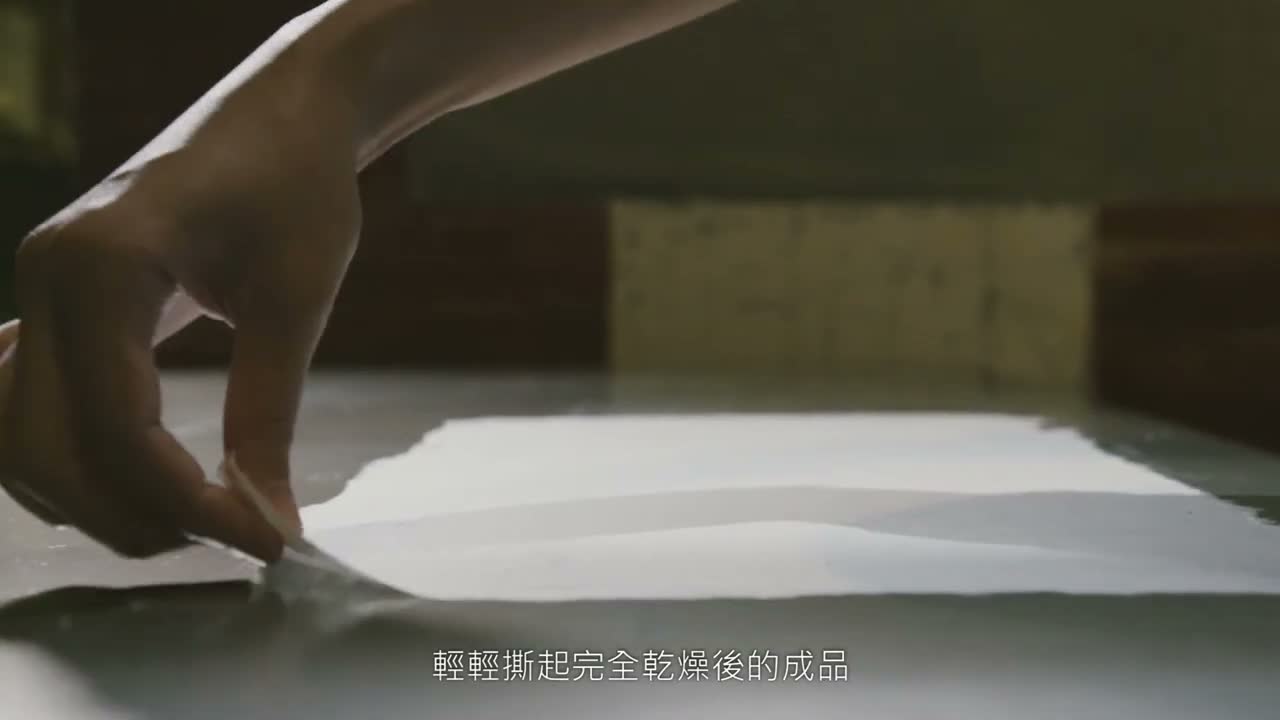
On the rooftop, the workshop begins with pulp dispersed in water. The screen catches fibres as it is moved and lifted. A thin wet layer must become a sheet that can be handled, so removing water and drying are part of the making, not a delay after the real activity has ended.
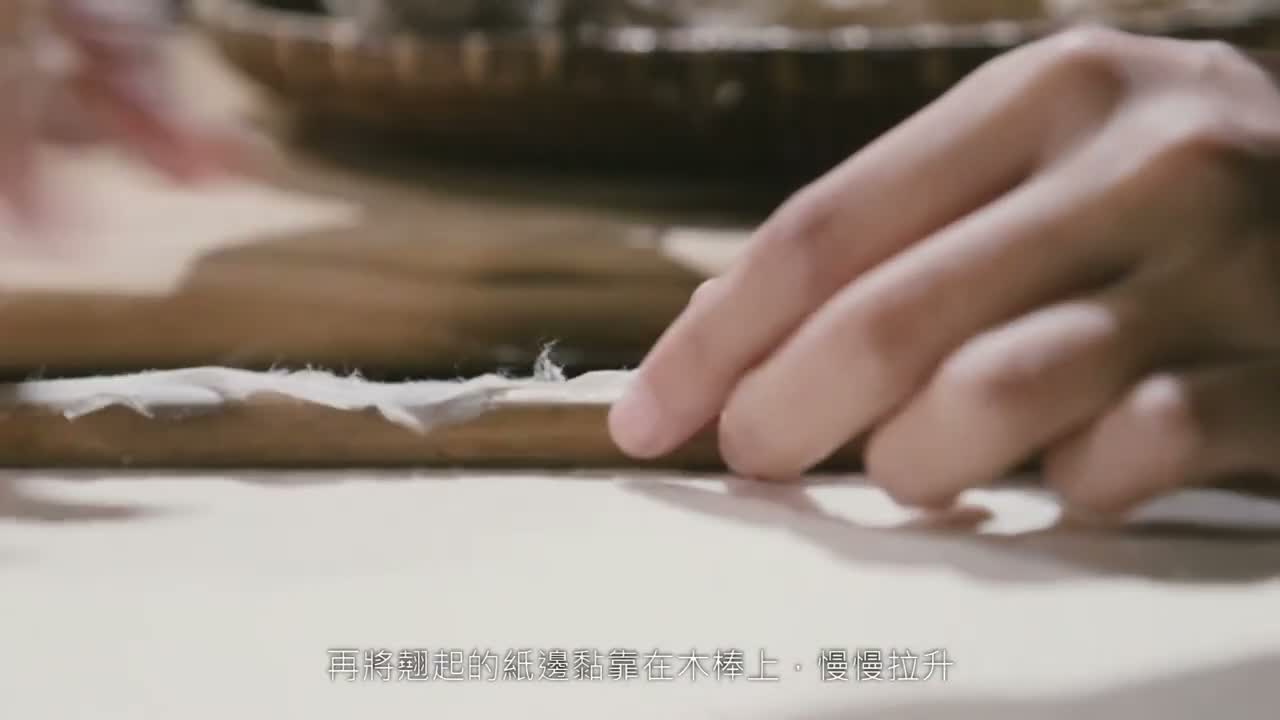
Look first at how evenly fibres settle on the mesh. Then look at a floral sheet: petals and leaves become part of the surface rather than a picture printed onto it. The finished paper records choices of material and placement. Its unevenness can help explain the difference between a workshop experiment and the repeatability a paper maker must achieve.
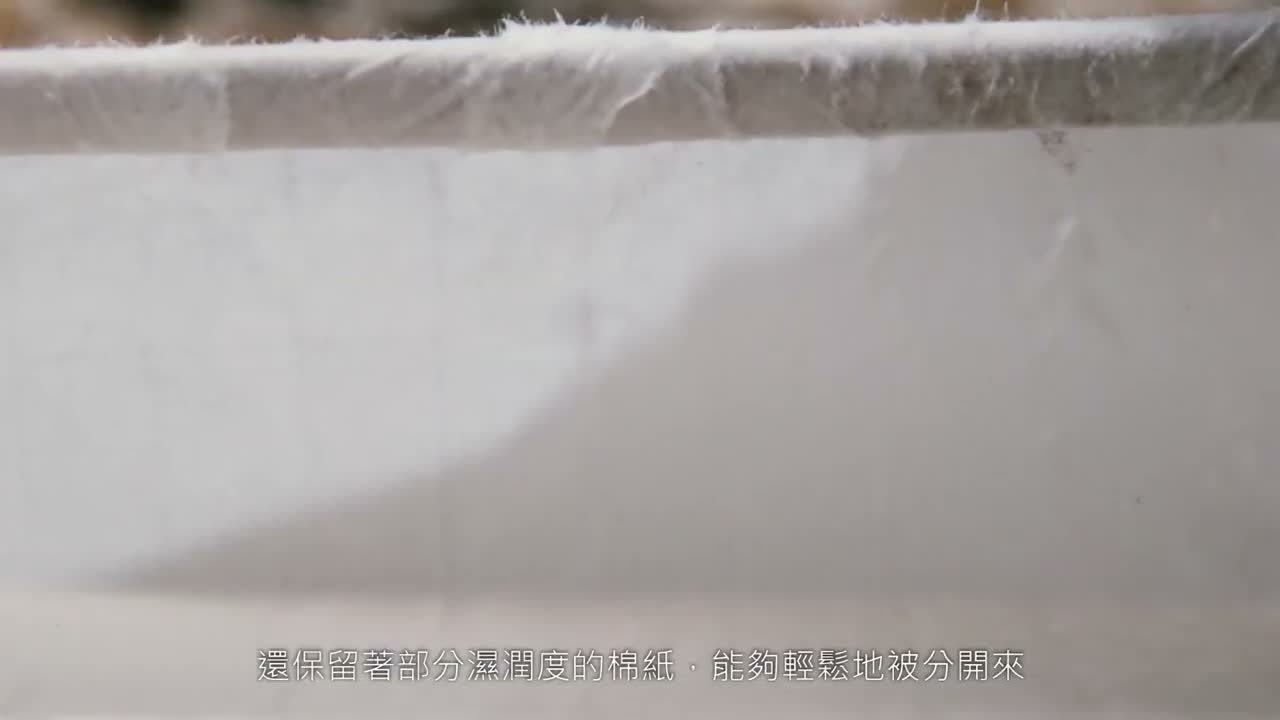
Allow time to receive a dry sheet. The current museum programme lasts about forty minutes, followed by roughly fifteen minutes for drying and packaging. That pause is useful for returning to the displays: a papermaking plant fibre is easier to recognise after seeing what happens when it is suspended in water.
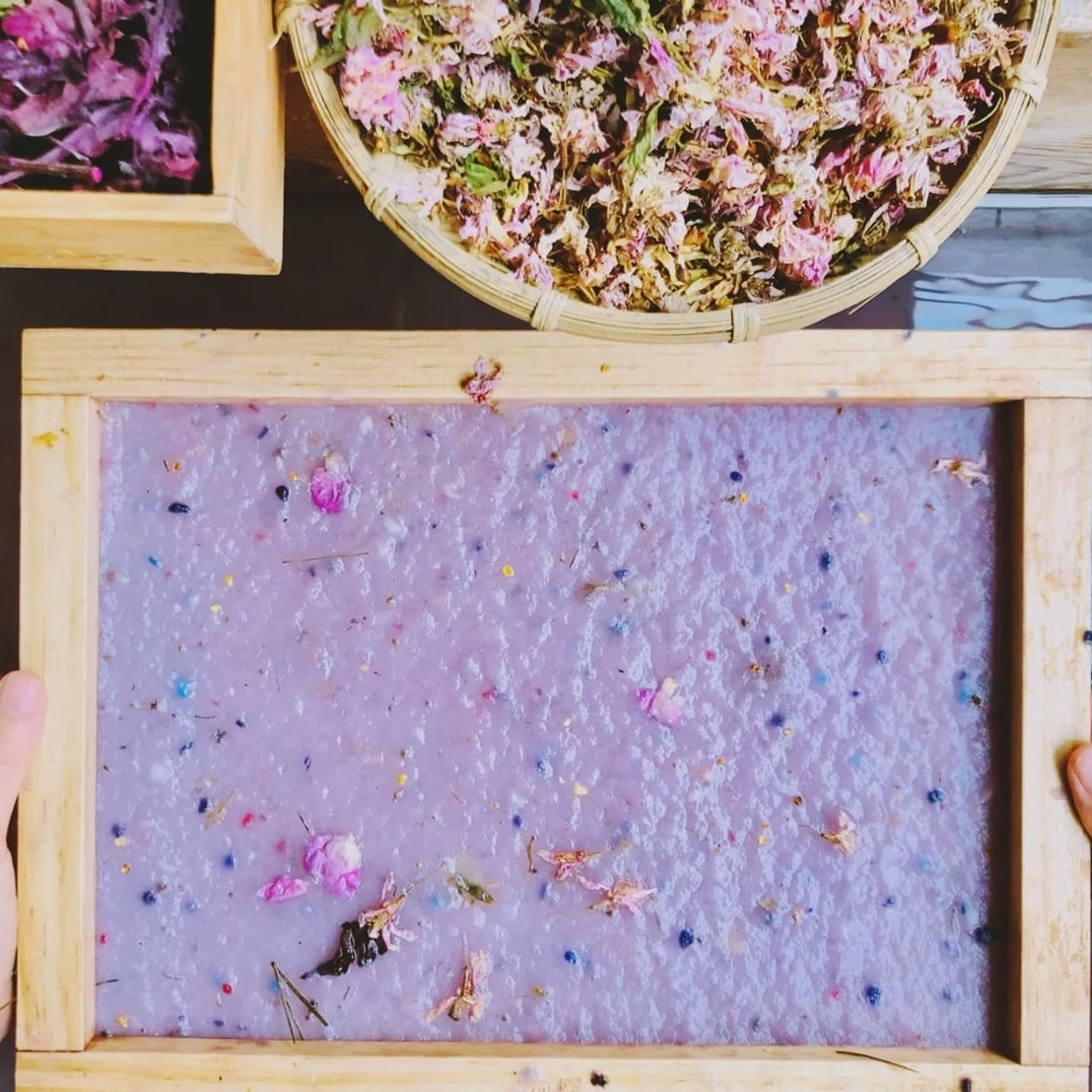
Image information
Keeping paper relevant to a new generation
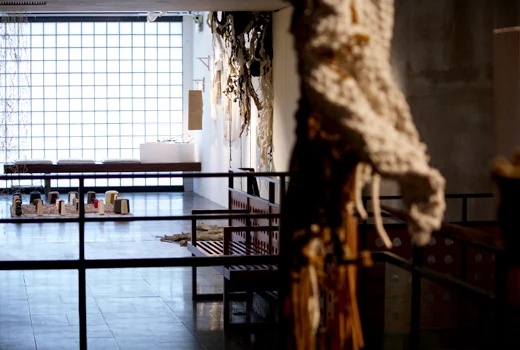
The museum also asks visitors to consider paper as a working material. Its permanent display includes paper used in speakers, oil blotting, cooking and other everyday tasks, alongside papermaking fibres. These examples change the question from what is written on a sheet to what a sheet can do.
Chen Ruei-huei described continuity in terms of present-day relevance. The museum’s wider work has connected paper to design, performance and new uses, including the Fenko Catalysis Chamber named for her mother. The family names remain, while the material continues to meet people whose everyday tools and habits have changed.
Take the process home
At Suho, a visit can end with something modest: a sheet you helped form. Compare its edge, thickness and embedded plant pieces with the paper already in your bag. A familiar material has gained a visible sequence of work, and the name of a family who chose to keep that sequence open to others.