A souvenir, then a missing history
Jaclynn Seah’s guide for repeat visitors to Taipei describes choosing a design, a small bag and ink colours at an Inblooom screen-printing bar in Songshan. Staff showed her the process, and she left with something she had helped make. Her visit offered Singapore readers a hands-on way into a former tobacco factory.
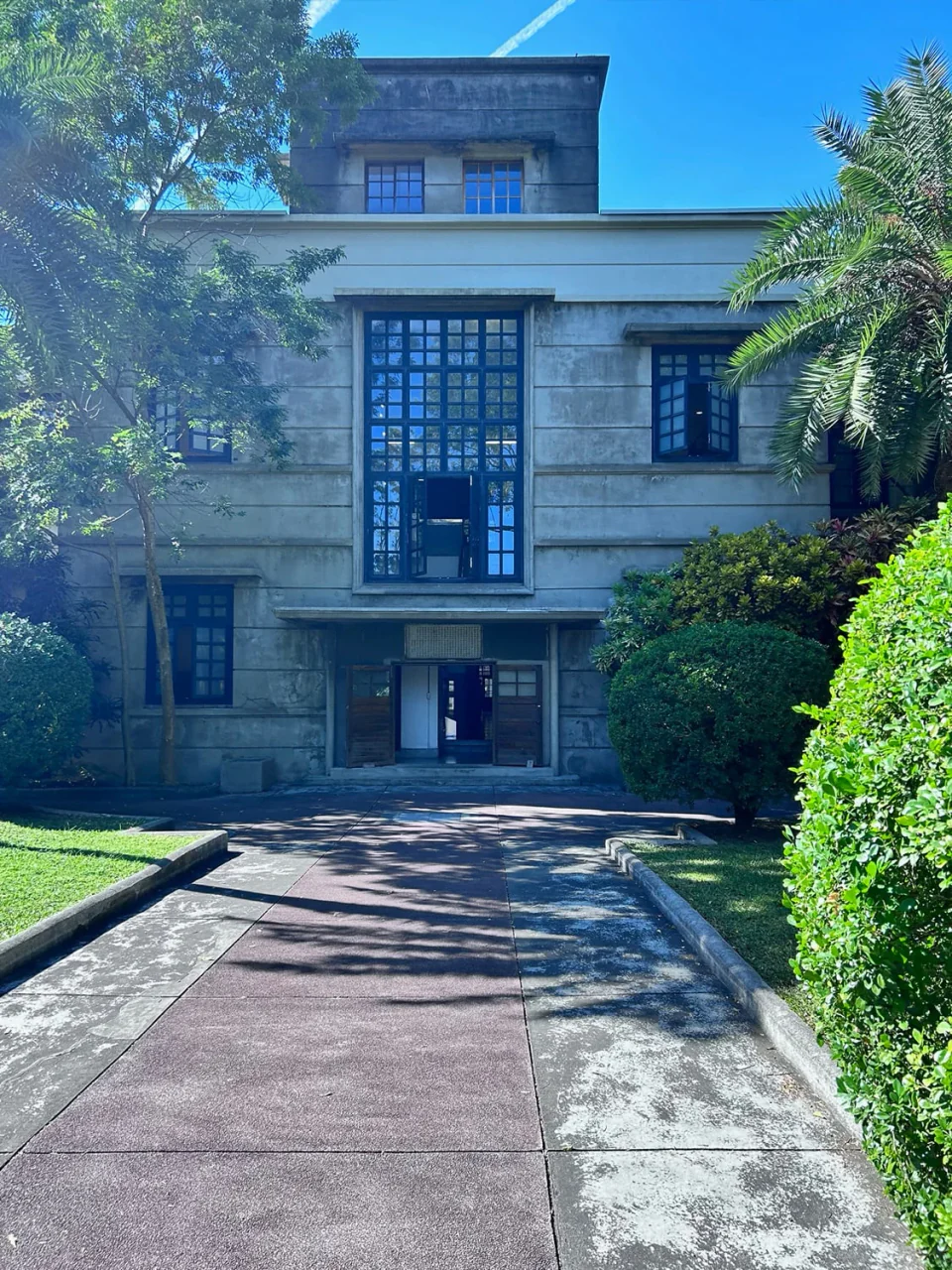
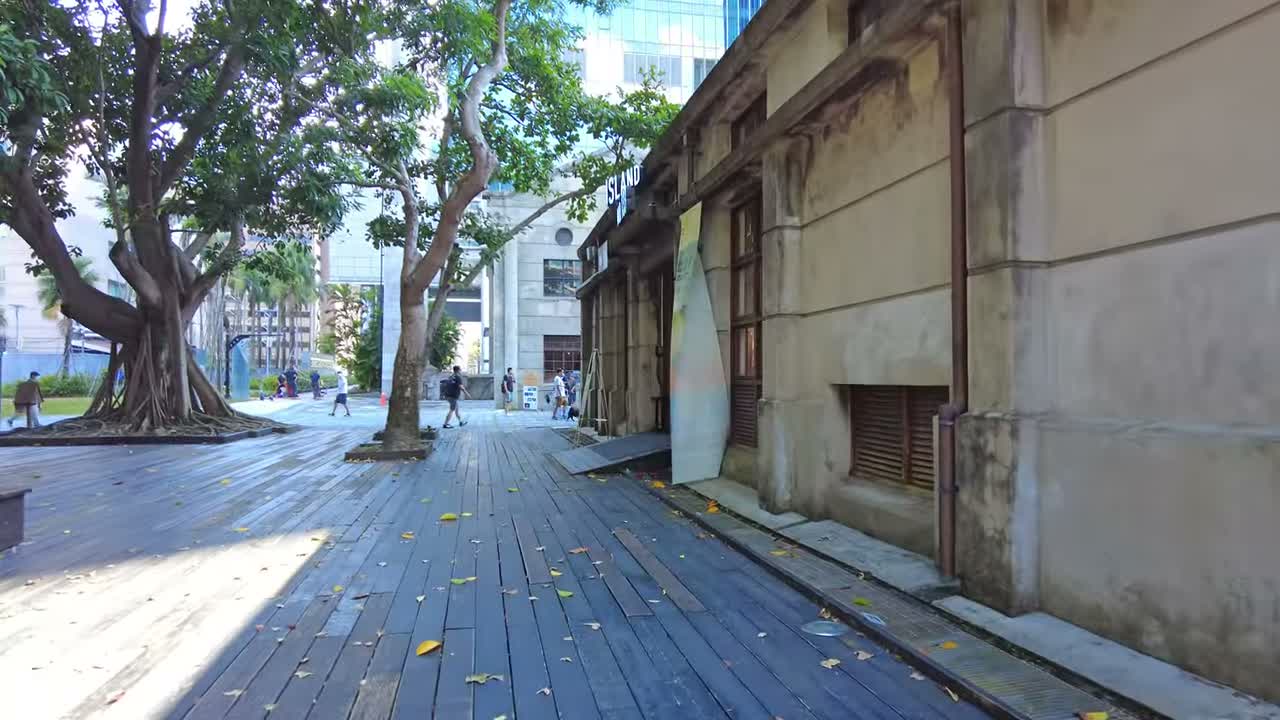
CNA Luxury’s 2025 Taipei guide points to the same factory park and its central garden. Yet the buildings do not explain themselves. Cigarette production stopped in 1998; the park opened in 2011. Recovering what happened between the rooms required people to bring back things that the factory no longer held.
Photographs travelled in a father’s letters
In January 2017, Jen Ling-ling returned from overseas to the factory her father Jen Hsien-chih had managed from 1972 to 1976. With his family abroad, he had sent photographs of the factory in letters to his daughter. She kept them. Decades later, pictures first chosen for a family became material for a public history.
The park used those images as a starting point for the 2018 exhibition A Factory Director’s Letters Home. Deputy director Yeh Yi-ching described the difficulty of finding records after relocation: only three wage books had been recovered in a neglected warehouse corner. The return of family photographs mattered because preservation had not automatically preserved every document or memory.
A wage book names work differently from a skyline photograph. It places a person in a department and records how employment was paid for. Letters place the factory inside a family relationship. Read together, these objects restore the workers’ places within an industrial site that can otherwise seem anonymous.
The nursery belongs to the work story
The same 2018 report interviewed a retired worker known as Ai-chiao Auntie. She entered the factory at sixteen and worked there for forty-five years. Her account included busy shifts and heavy lifting, but also children who grew up in the factory nursery. Childcare was part of how a working life could continue.
The nursery visible in today’s park was built after the war and later moved to accommodate Taipei Dome. It should not be read as an untouched room from 1937. The official audio guide explains its function: workers left babies and young children with professional carers before going to work. Its location changed; the need it served remains legible.
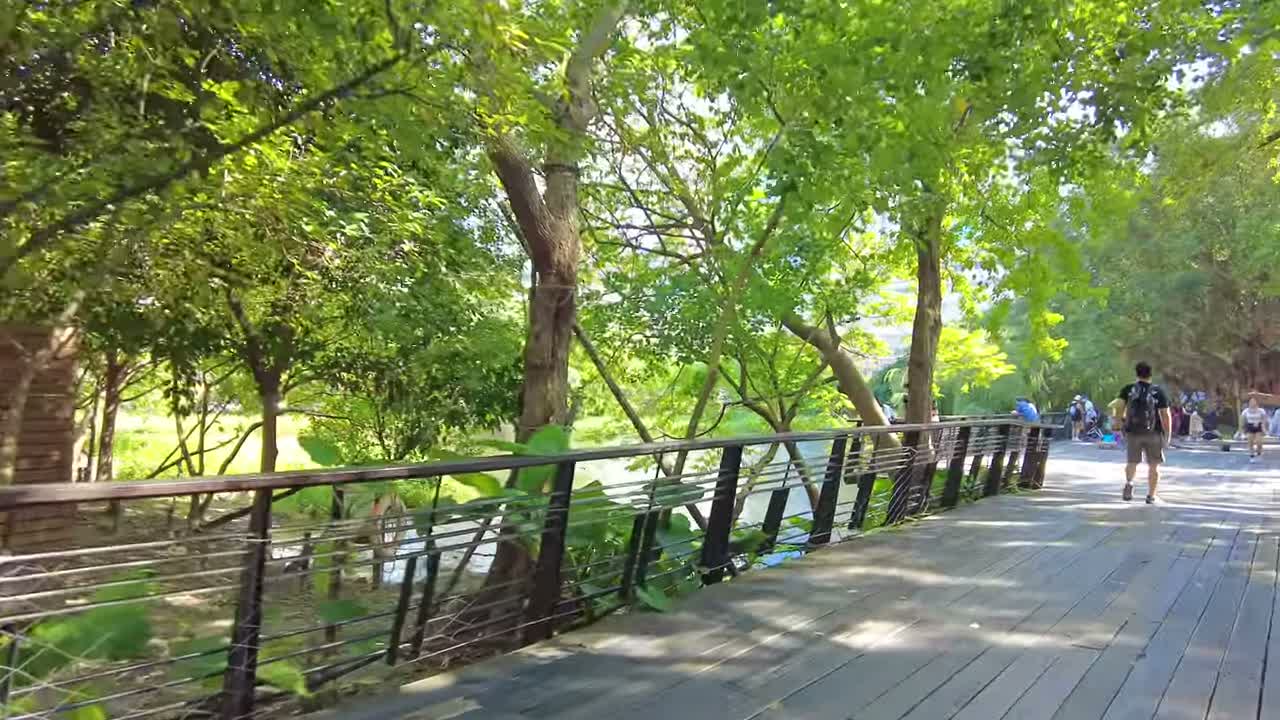
Other facilities joined work to daily care: bathing rooms received hot water from the boiler house, while a clinic offered basic treatment and examinations. A factory built as an industrial village organised the hours around a shift as well as the shift itself. The places of rest and care help us ask whose needs were included in that organisation.
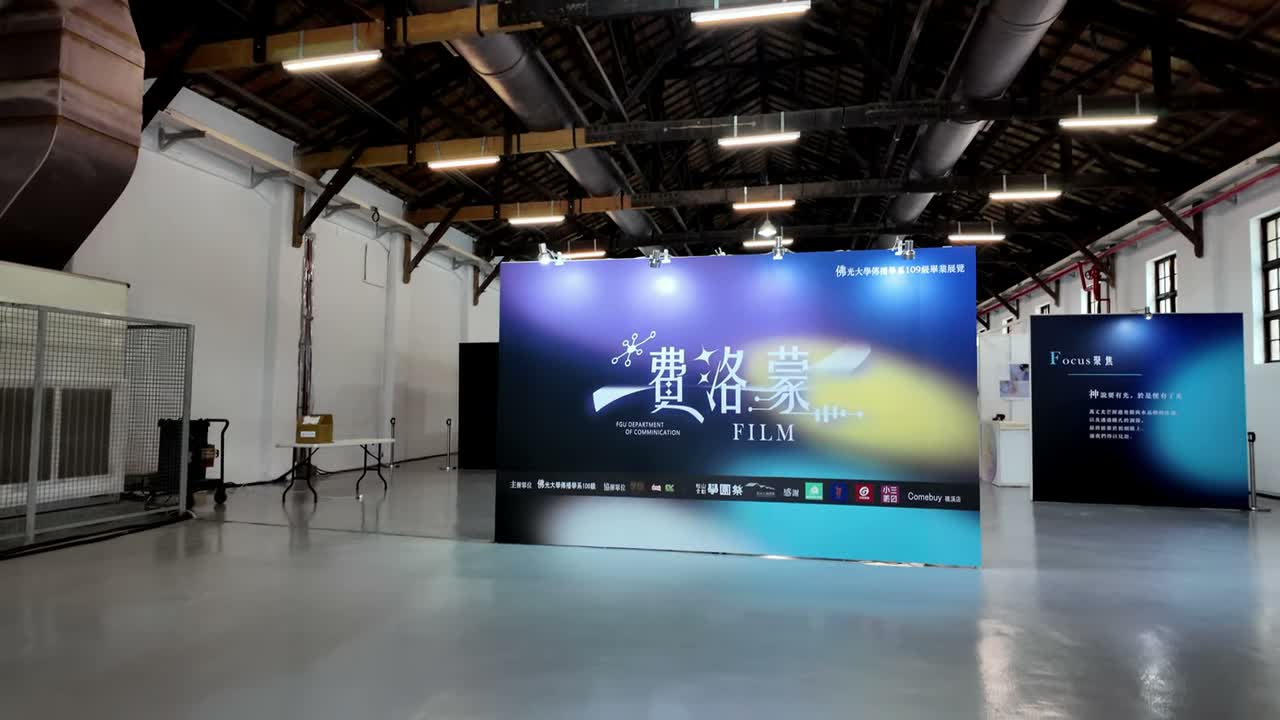
Trace a product through the building
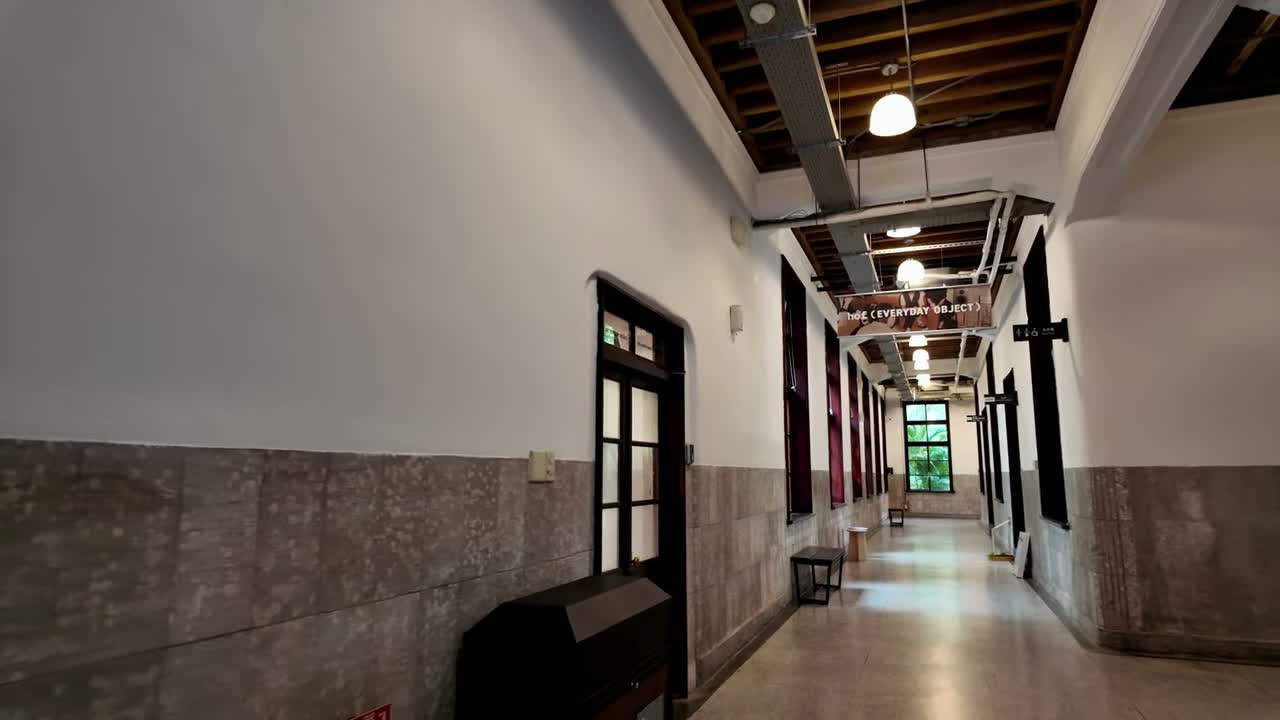
Inside the production building, the ground floor’s columns and the open upper floor followed different requirements. Leaf processing and cutting occupied the lower level; rolling and packaging used the upper spaces. The raised conveyor link carried boxed products towards Warehouse 2. Its height and direction still reveal an attempt to reduce repeated carrying.
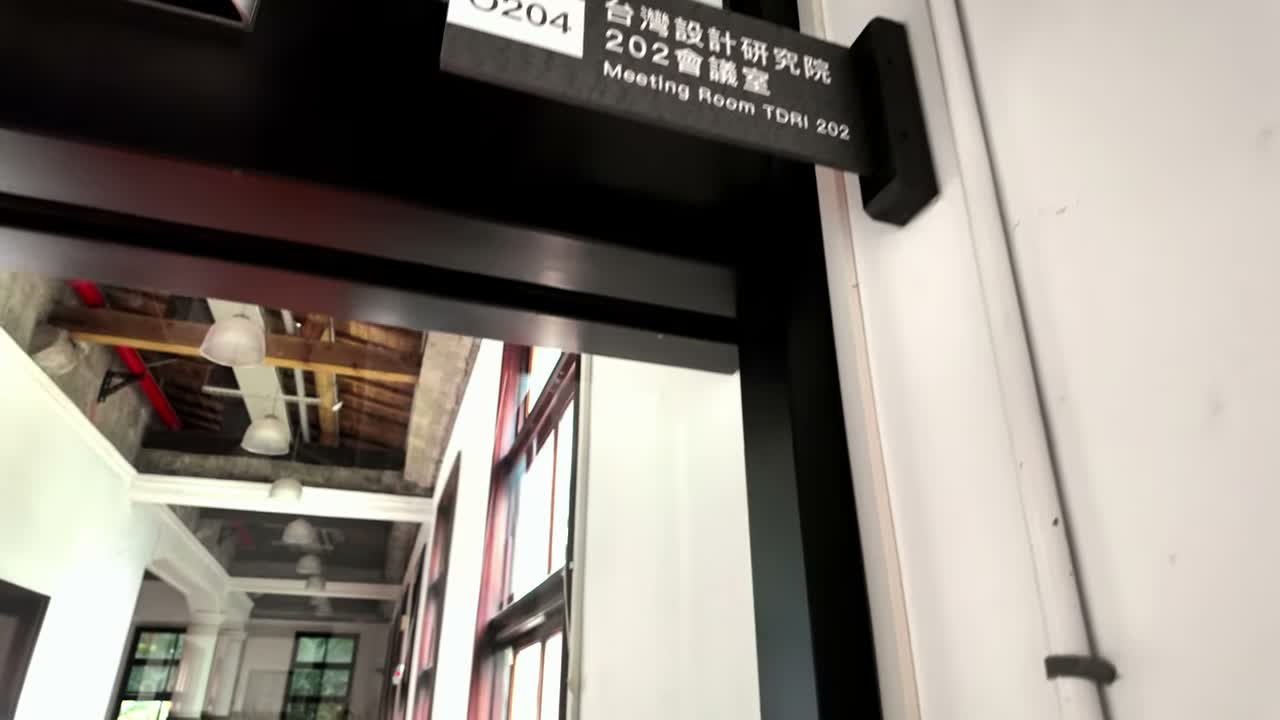
The old inspection room provides a less comfortable counterpoint to those welfare spaces. After the war, employees had to pass through it at the start and end of a shift to deter concealed cigarettes. An industrial village offered care, but also controlled movement. Both functions belong in the story of reuse.
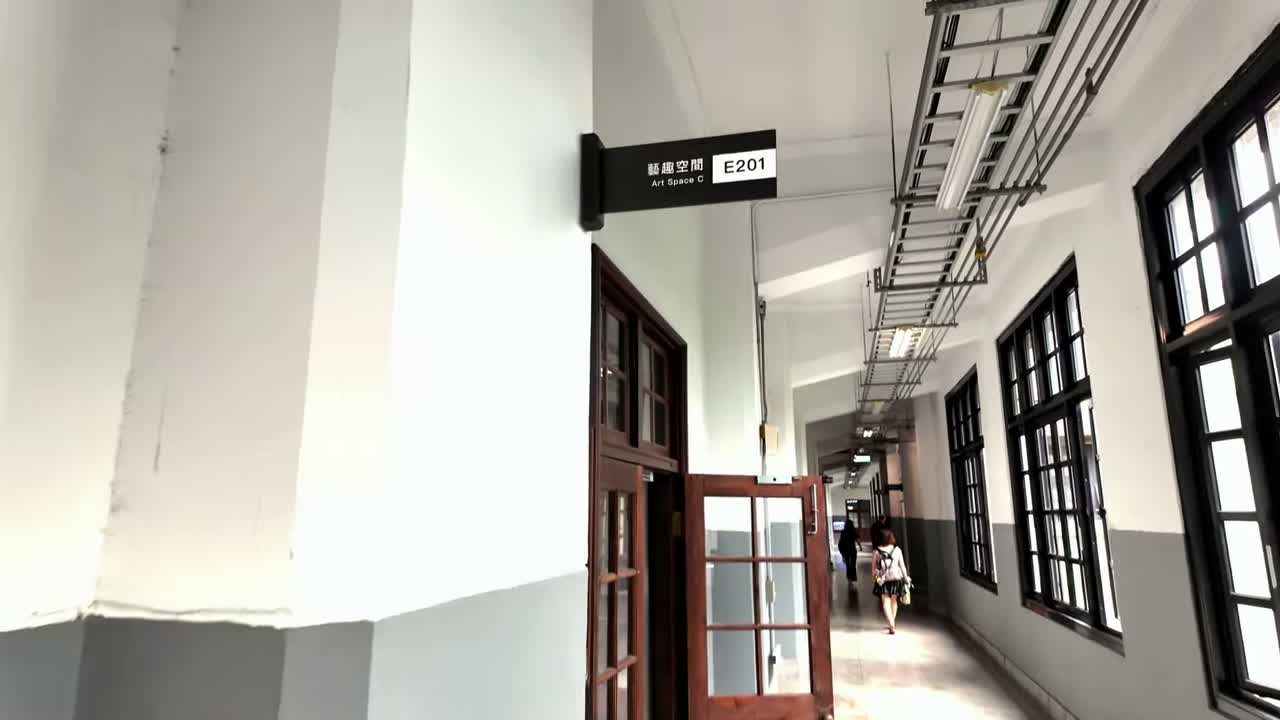
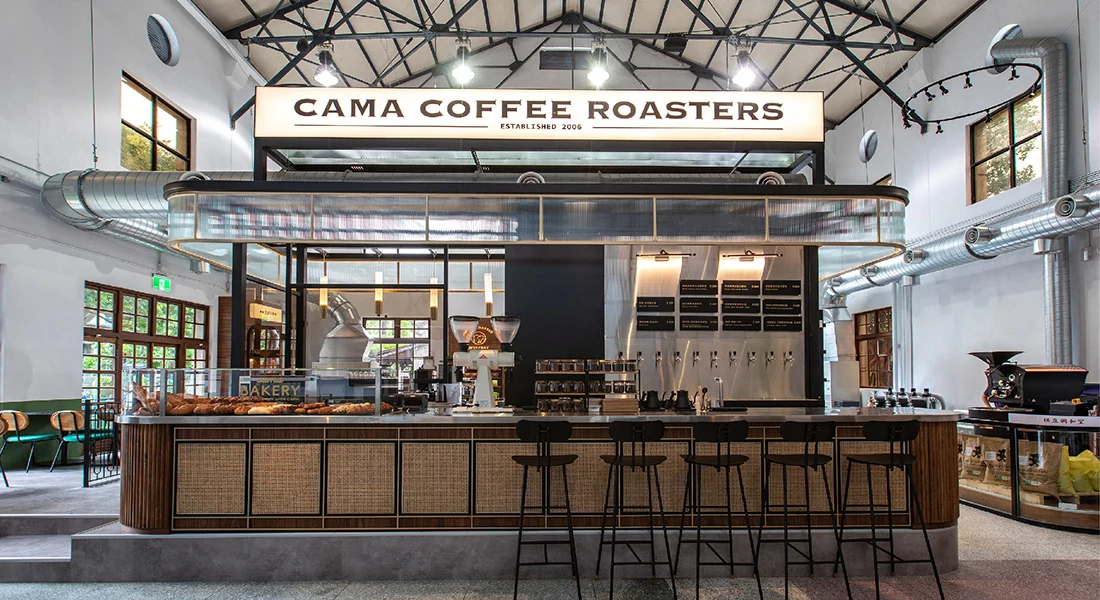
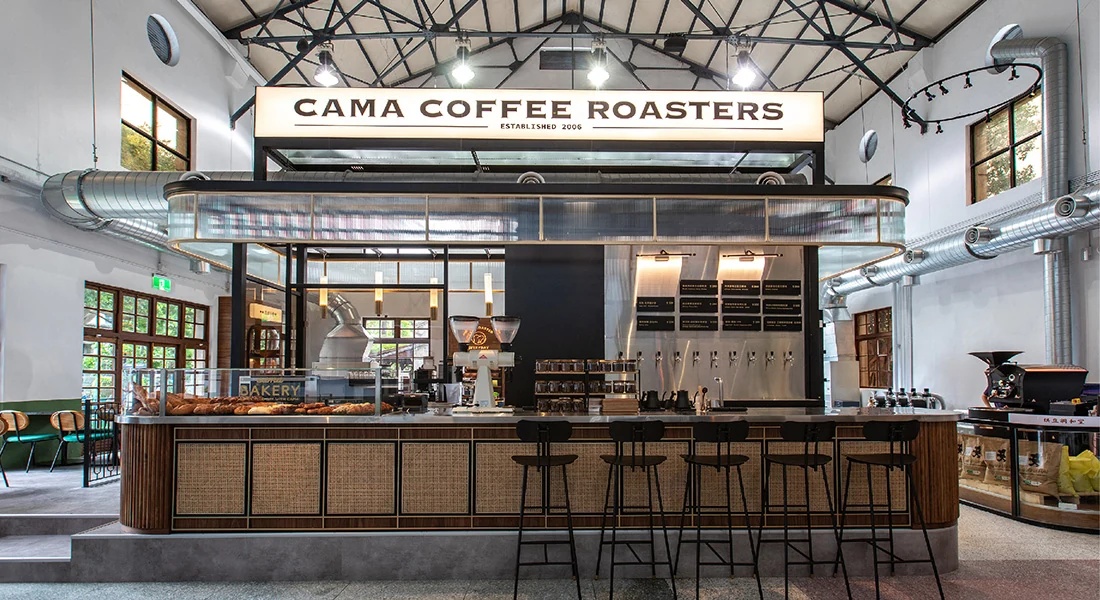
Reuse required practical alterations. C. K. Lin Architects’ account of a 2013 project lists new electricity, water and drainage for the boiler room and nursery, alongside repairs elsewhere. Today the boiler room accommodates CAMA Coffee Roasters. The café’s counter and ventilation ducts sit beneath the roof structure: old fabric and new service systems can be read in the same view.
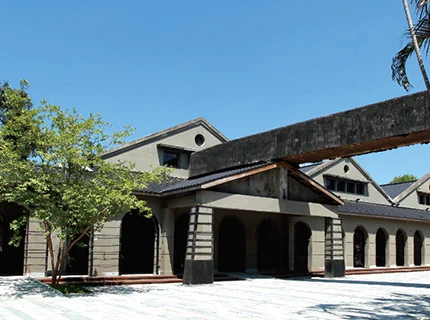
Image information
A park can still receive its former workers
In October 2025, more than three hundred former and present employees and relatives gathered for the factory anniversary banquet. Former guard Huang Chang-chiang and the final factory director Lin Wen-chang attended. The gathering used the former auditorium and dining hall, now a performance space. Returning people made another use of a room that tourism could easily reduce to an architectural backdrop.
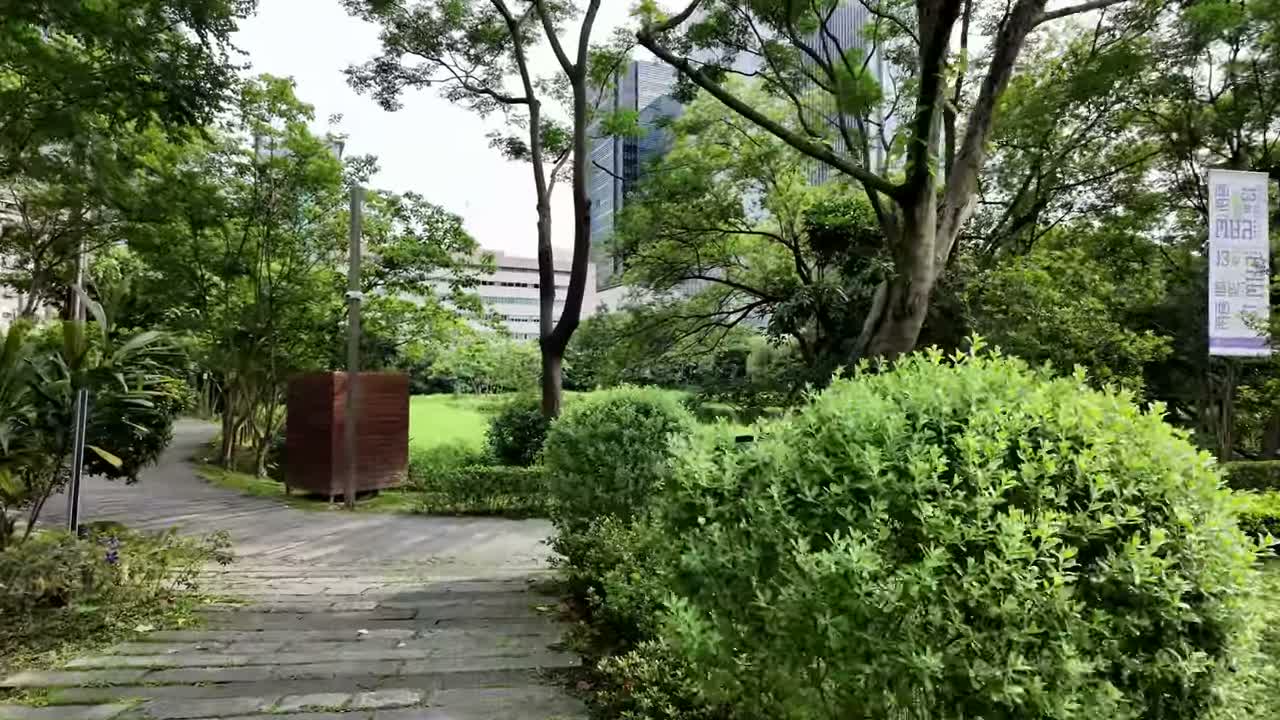
On a visit, let the garden slow the pace, then follow one connection: factory to warehouse, nursery to workroom, or boiler house to bathing rooms. Looking at how people and products moved supplies a stronger question than how many shops fit inside. A craft souvenir can then sit beside an understanding of the place that made today’s visit possible.