Start with the fort at home
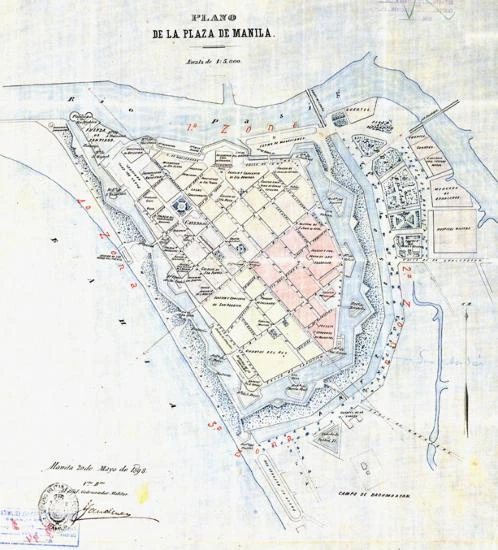
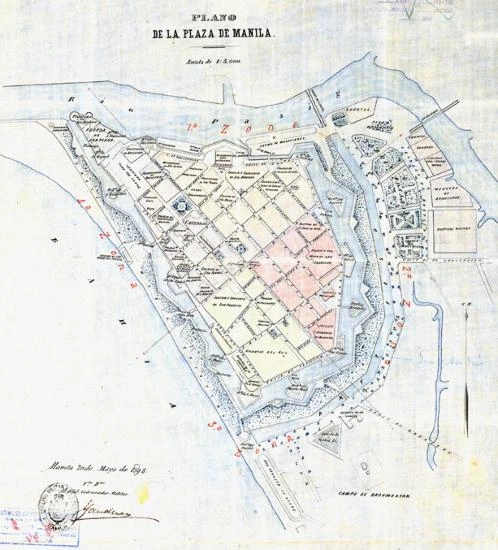
Fort Santiago in Manila replaced Rajah Soliman’s wooden citadel under Spanish rule. That history gives a Manila reader a question to take north: when a new ruler calls a place a defensive outpost, whose home has entered the map? A fortress can preserve a name while changing who commands it.
On 22 January 1637, Governor Corcuera convened a military council in Manila to review overseas outposts. Tamsui entered that discussion from across the water. The meeting moves our attention away from the wall itself and toward the people deciding whether ships, supplies and soldiers should continue to reach it.
Agreement did not mean an immediate departure
Most councillors favoured reinforcing Manila; former Taiwan commander Alonso García Romero opposed abandoning Taiwan. The disagreement matters because distance can turn a lived place into a strategic calculation. One official’s experience of governing it did not make the council unanimous.
Corcuera reduced support, concentrated on San Salvador and ordered Santo Domingo dismantled. A compromise still changes a place. Keeping one outpost required giving up another; a decision written in Manila became a different arrangement of labour and defence on Taiwan’s northern coast.
The ground did not simply obey the map
Colonial accounts record two missionaries killed in separate incidents near Tamsui in 1636. These are reports written by colonisers, with their own purposes and fears. They establish conflict, but do not let us invent the communities’ words. Reading the retreat also means leaving room for people whose land was being occupied.
A 1637 order called for Tamsui’s artillery to be moved to Keelung and wooden structures burned. Withdrawal had a material form: objects moved, structures disappeared, and the occupied site could no longer serve the same purpose. The sea connected the command to its consequences; it did not make those consequences equal for everyone.
A familiar name belongs to a later building
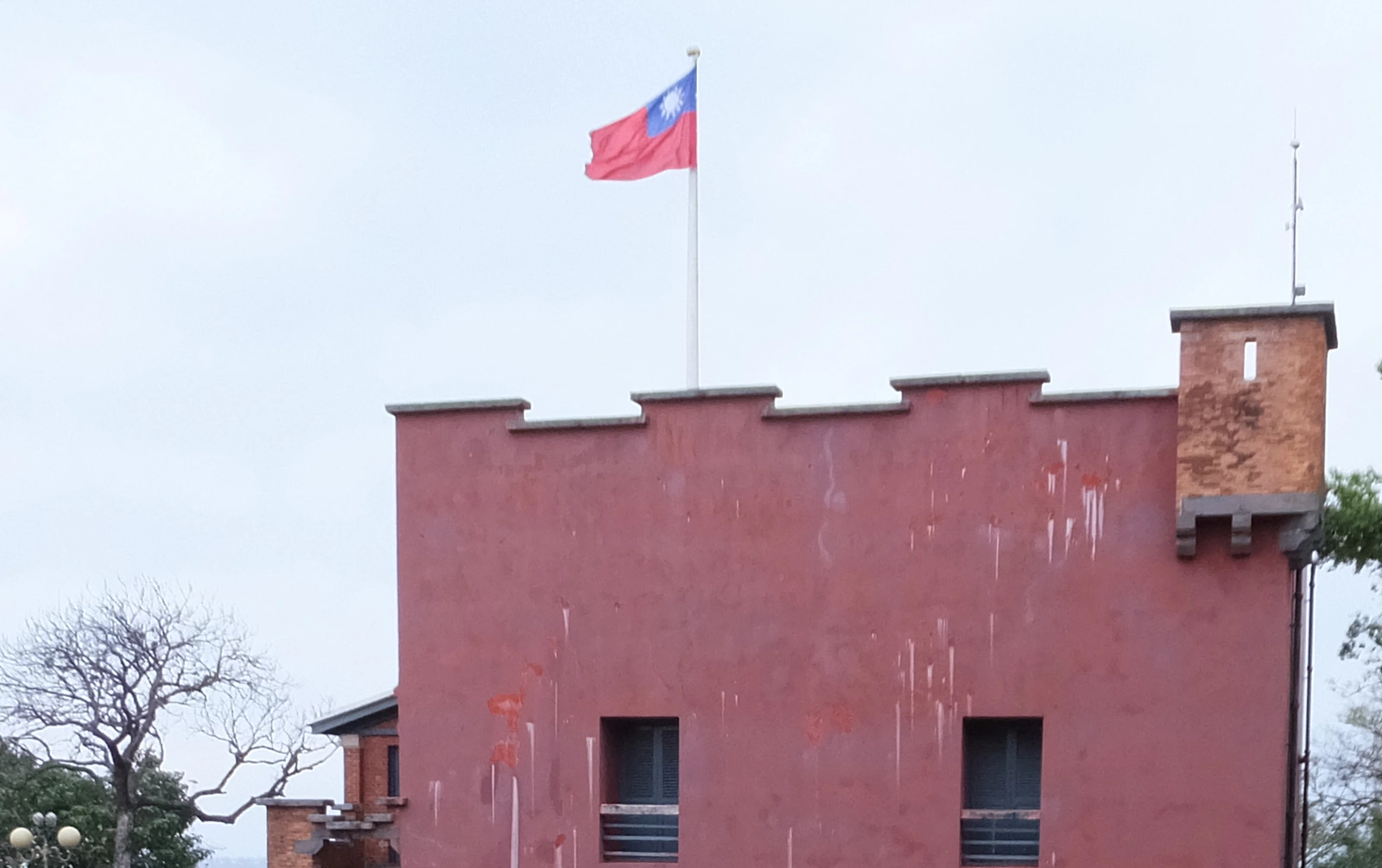
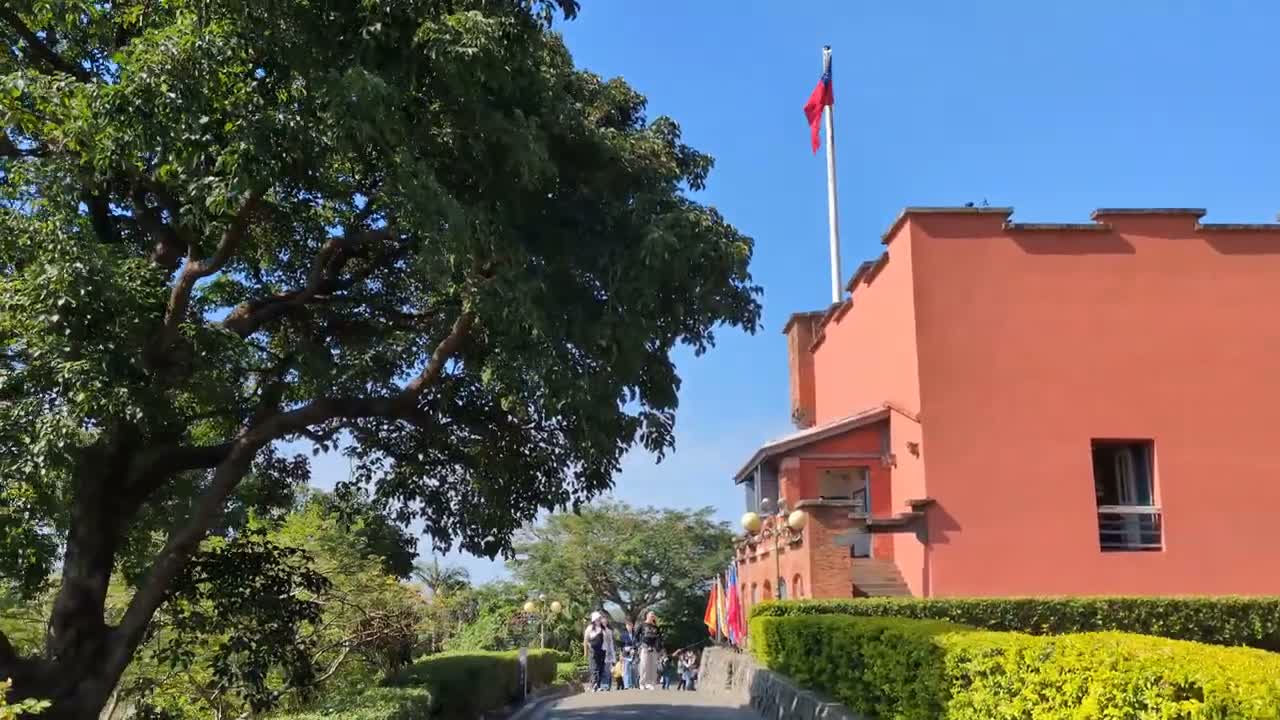
The surviving square fort was built by the Dutch in 1644 as Fort Antonio. This is the distinction to carry through the entrance. The Spanish withdrawal explains an earlier structure’s disappearance; the building in front of a visitor belongs to another act of occupation and construction. A familiar place name alone cannot date a wall.
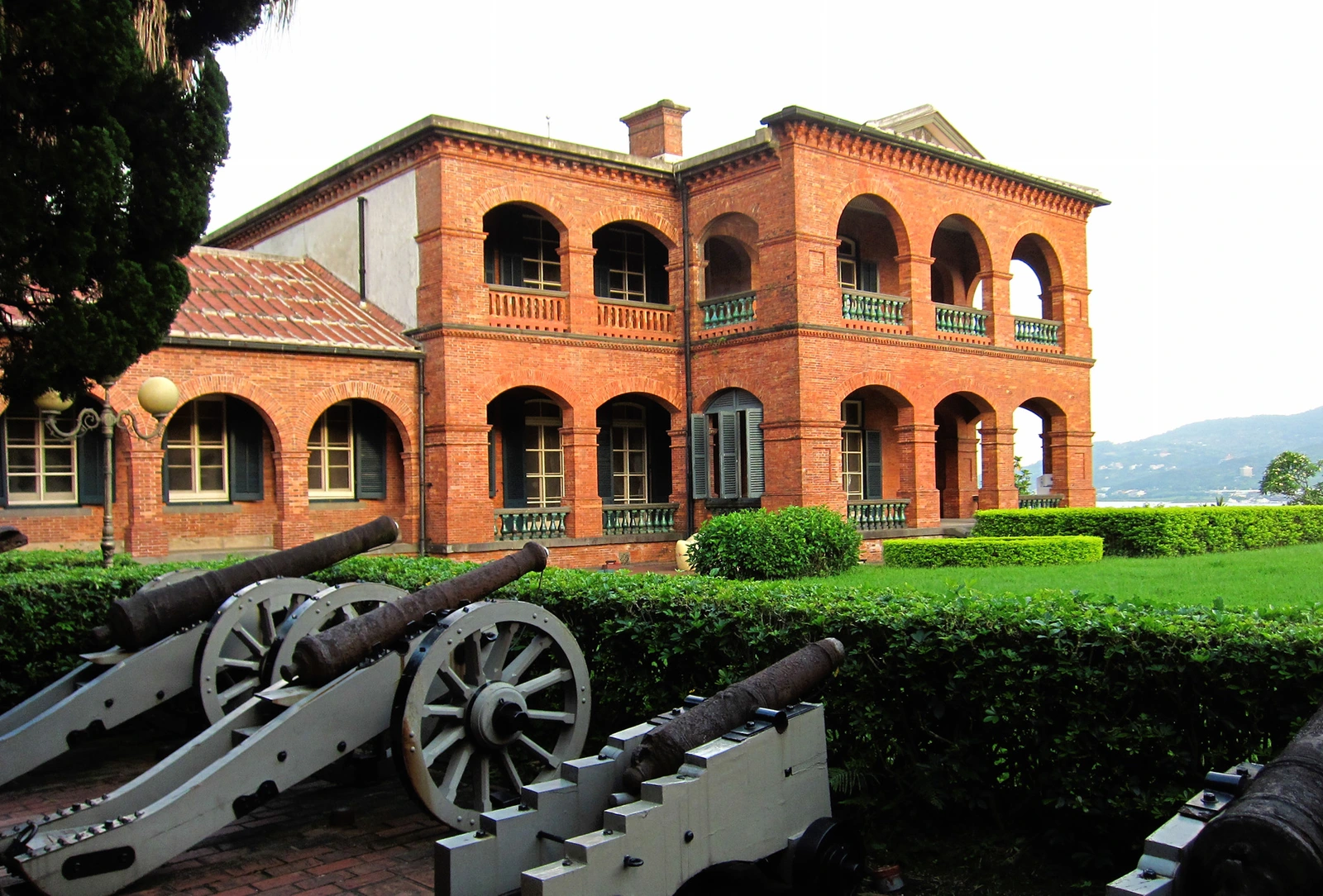
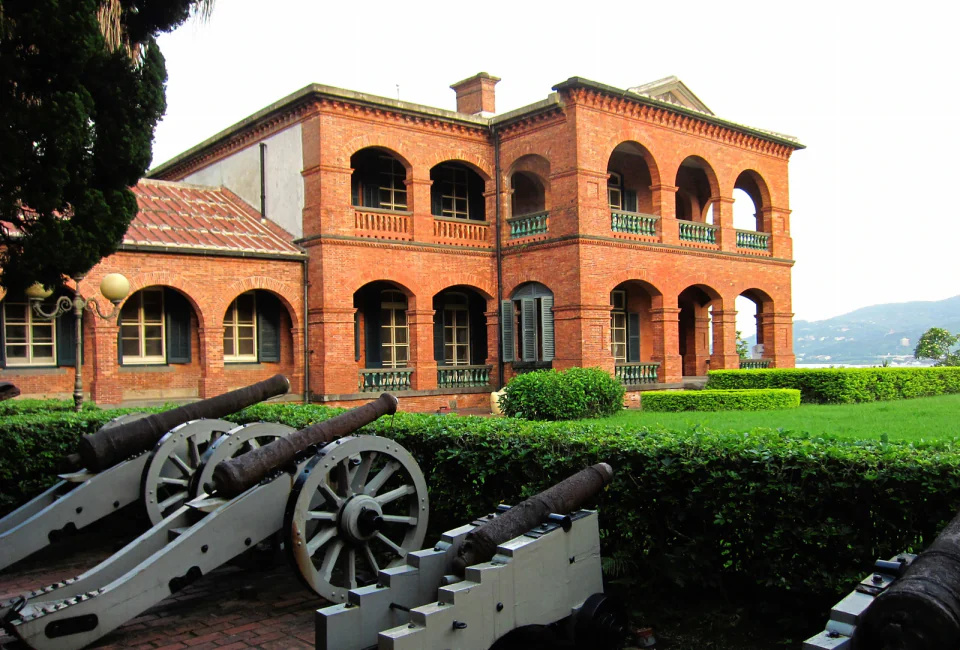
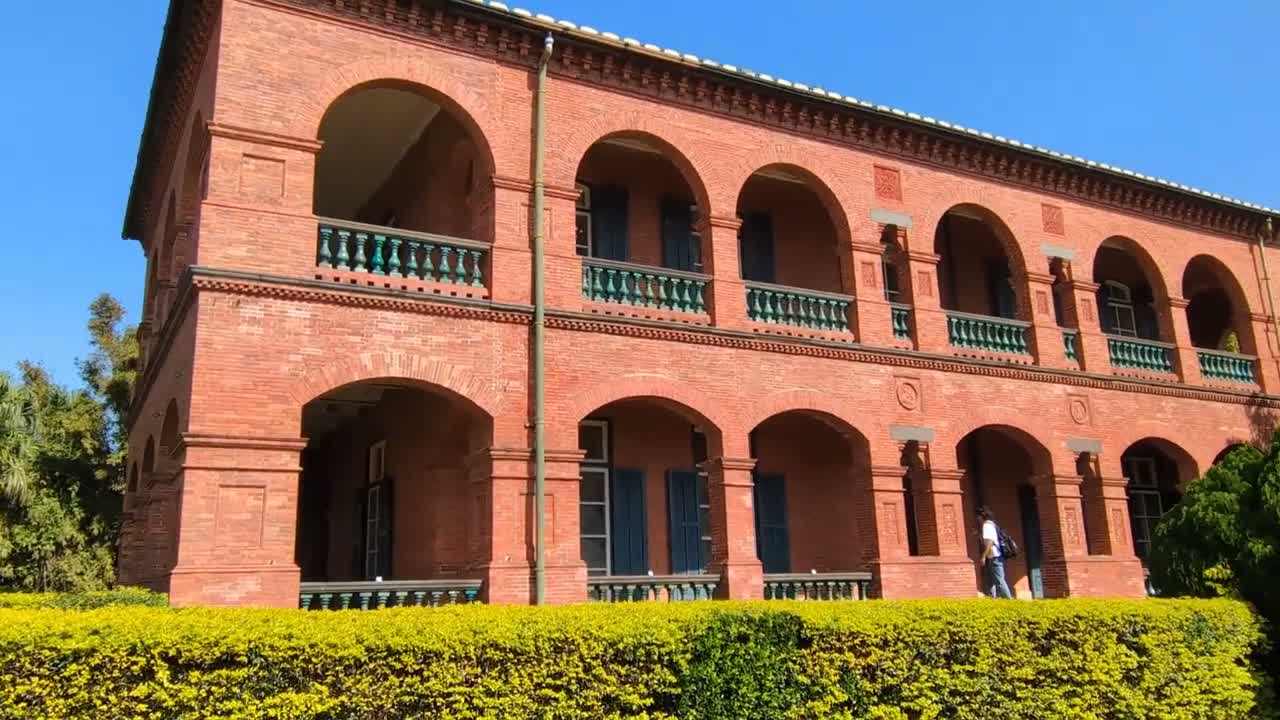
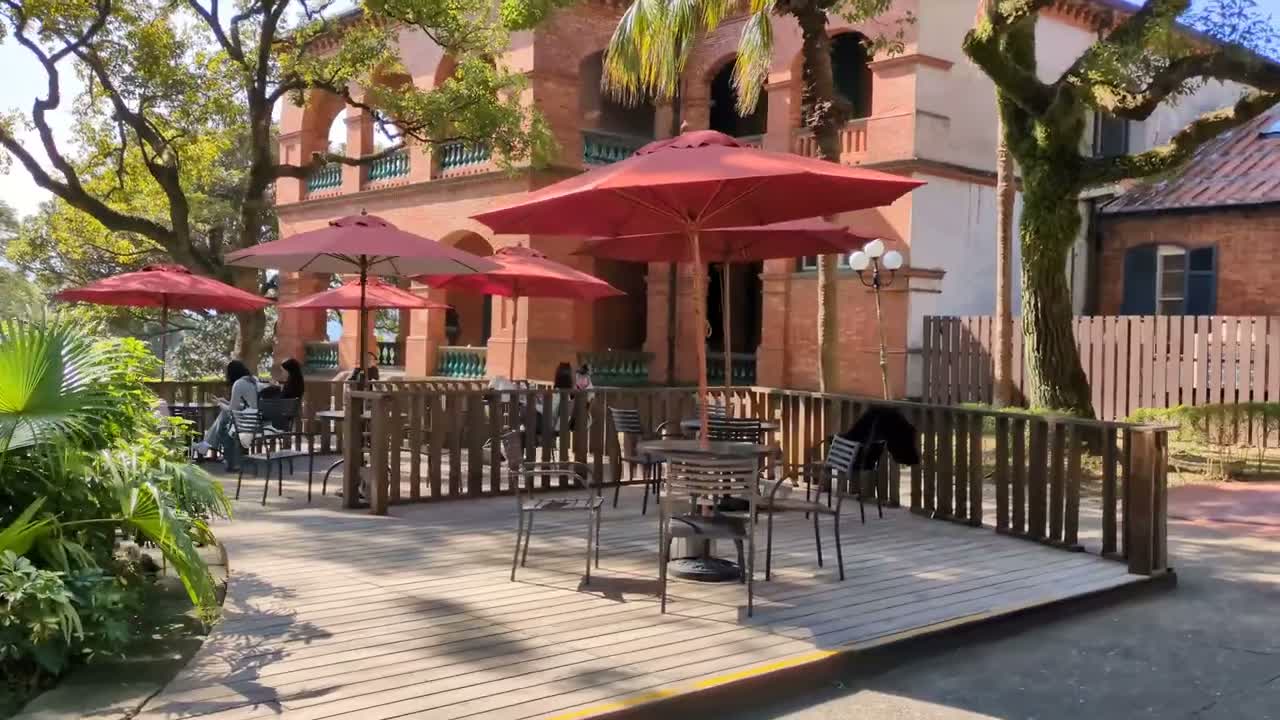
The British later used the fort as a consulate and added a residence east of it as consular work expanded. Work and domestic life now occupied different neighbouring buildings. Looking from the fort toward the residence lets the story move from military holding to administration and daily living, without merging their construction histories.
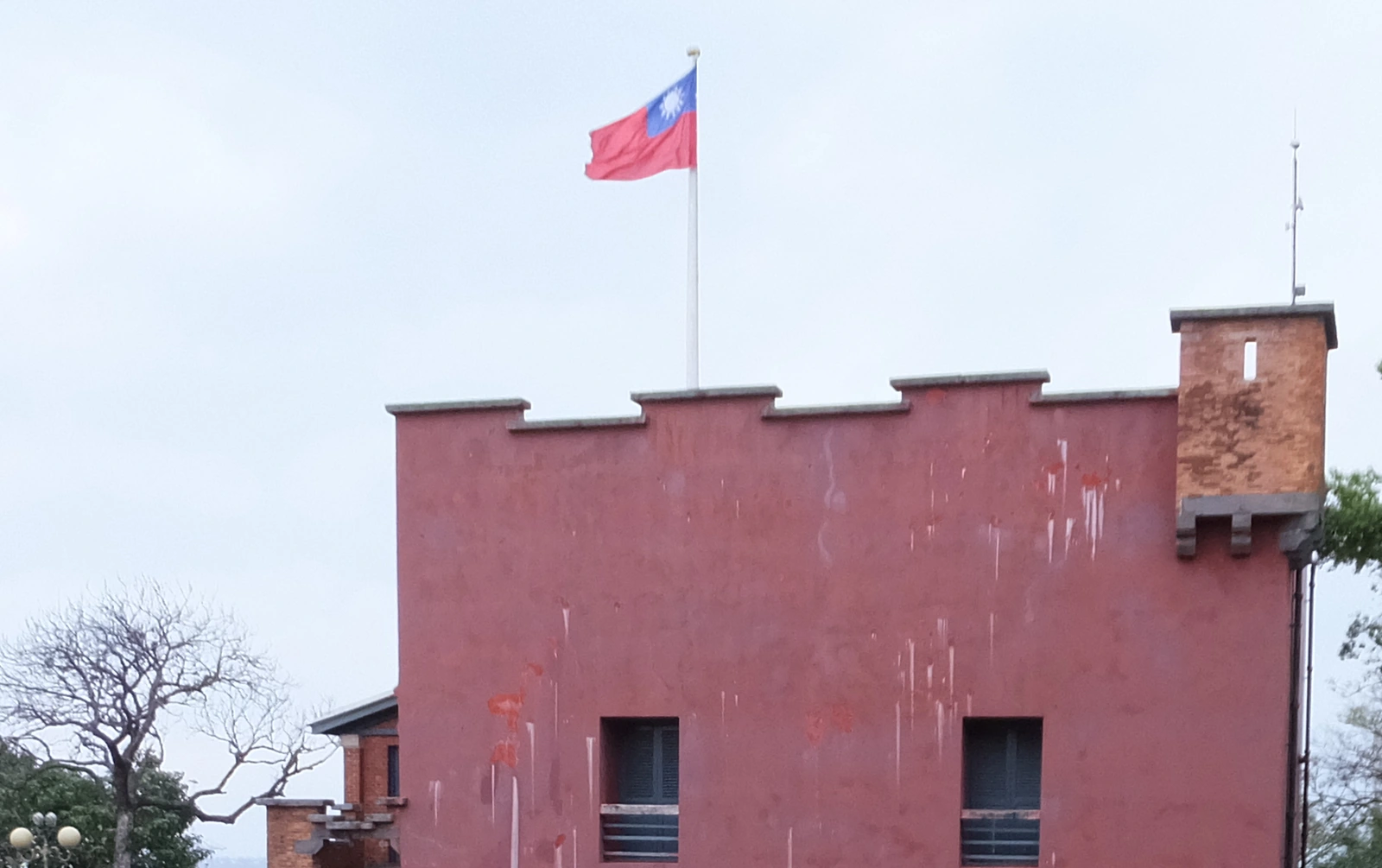
Building-history clarification, 6 November 2026: the museum’s detailed account dates the second Fort Antonio’s rebuilding from April 1644 to completion in March 1646. The article’s reference to a Dutch-built fort in 1644 describes this rebuilding period; it does not identify the present building as the earlier Spanish outpost.
Let the wall and the doorway answer separately
At the fort, compare the square mass with the residence’s arched veranda. Read the site chronology before deciding which period a feature belongs to. Then ask what each doorway was designed to control: entry into a defensive building, access to work, or movement through a home.
The current notice closes the side-gate rest area, visitor centre, side-gate shop and the rest area before Huwei Gonghang. Plan around the open paths and follow the barriers. The notice describes parts of the compound; it does not announce that the entire museum has closed. Check it again for the day you choose.
Bring the question back to the river
The museum directs visitors from Tamsui MRT to Red 26 or 836, alighting at Fort San Domingo (Aletheia University). Give the buildings time before adding a riverside walk. Leaving room between stops helps keep an earlier demolished fort, a later surviving fort and a consular residence distinct in memory.
Before returning, look outward toward the river mouth and revisit the council’s question: what did keeping this position mean? From here, the answer includes the people who supplied it, the neighbours who resisted occupation, and the later users whose buildings remain. Plan the return journey with the same care as the arrival.