← Countries & stories

Pinoy Sunday × Taipei cinema and a Sunday neighbourhood

A red sofa gave two actors another Taipei

A sofa has to get home before curfew. Behind that simple film premise, performers and a director found ways to work across languages. Their choices invite a closer look at who gets to be funny, hopeful and ordinary on a Taipei screen.

SPOT Taipei Film House exterior, photographed in November 2019

Key points

Something comfortable, somewhere far away

In Pinoy Sunday (2010), bicycle-factory workers Manuel and Dado try to carry a discarded sofa to their dormitory before curfew. For a viewer familiar with working away from home, the object gives the story a small, legible desire. How much of a day off can be spent trying to make the place one sleeps more comfortable?
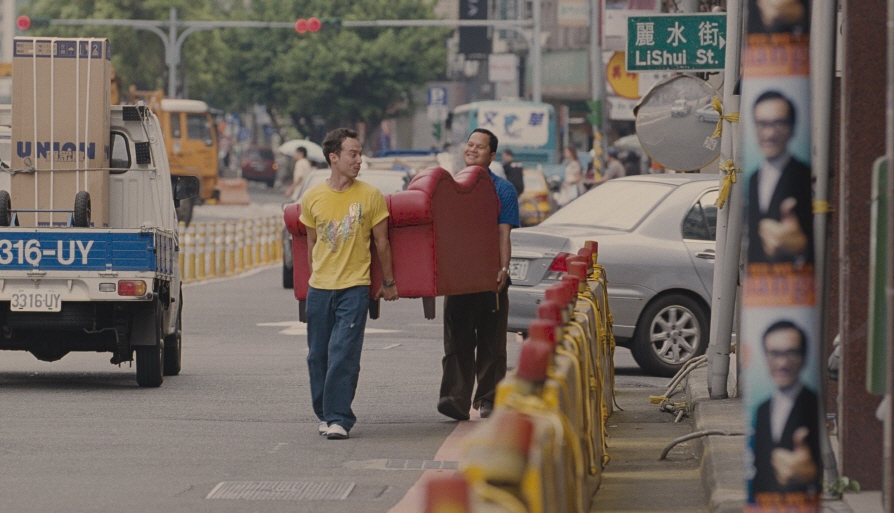
Manuel and Dado carry the red sofa in Pinoy Sunday; official film still on the Korean Film Archive programme page.

Epy Quizon plays Manuel, and Bayani Agbayani plays Dado. Filipino audiences may bring their own knowledge of these performers. Here, notice how a familiar actor meets an unfamiliar working day. Knowing a face is an entry into the film; what the performer does next is the story worth following.

Casting crossed Manila before filming Taipei

Director Ho Wi-ding found candidates through Manila friends and a local producer. That route made collaboration concrete. A story about Filipino characters required people who could propose performers and then work with them; nationality on a cast list does not describe all the work that happens before the camera starts.

Ho asked Bayani to reduce exaggerated comic gestures; Bayani discovered a quieter way to make people laugh. Watch for the space between an action and its reaction if you have a chance to see the film. Comedy can ask an actor to hold something back, allowing the audience to notice the situation before a gesture explains it.

Language learning became part of the performance

Epy learned Chinese and local speech for the role. The preparation is an actor’s action, rather than a claim that every character speaks as the actor does. Listen to whom a character addresses and when the language changes; such choices can make the distance between a workplace and a day off audible.

A Taiwanese musician supplied the theme; the two leads and assistant director wrote its lyrics in about two days. The performers also had words to make together. A song in the finished work therefore carries a different kind of participation from simply delivering a prepared line. Looking for that labour changes how one listens to a film’s ending.

Being heard was another negotiation

The Filipino-language film encountered a subsidy rule favouring Chinese languages; an additional Taiwanese-dubbed copy was made. A character’s voice also depends on the conditions under which a film reaches its public. The extra version asks a question beyond this production: how can a story keep its chosen language when the system supporting it expects another?
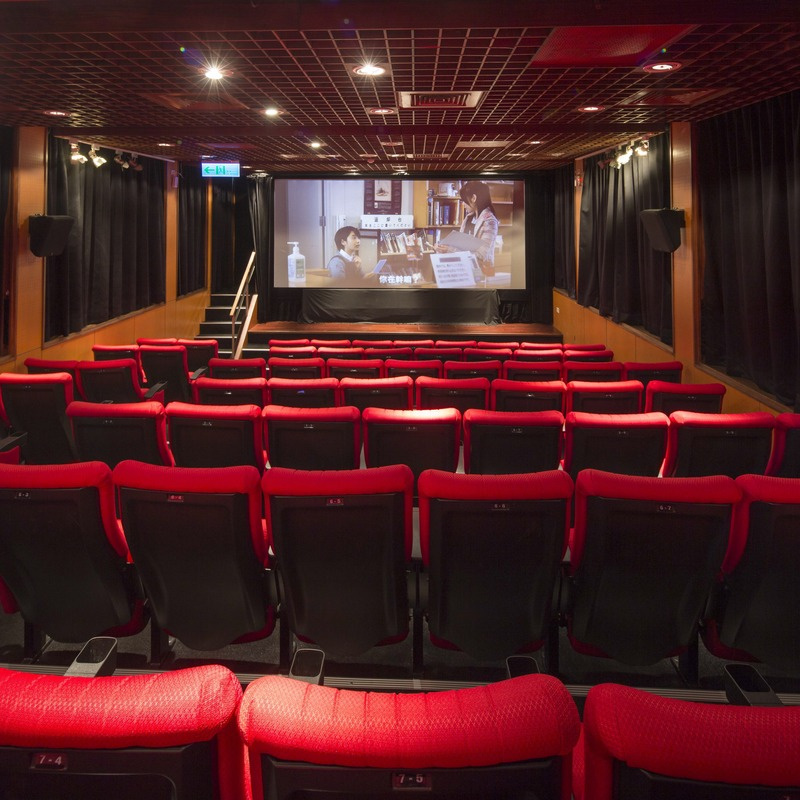
The cinema inside SPOT Taipei Film House; official venue-guide photograph, capture date unstated.

In May 2010, Ho said exhibitors were reluctant to show a story about migrant workers; SPOT was among the Taipei cinemas that agreed. Producing a film and finding a screen are separate efforts. A seat in a cinema becomes part of this cross-sea story because someone has made room for the people whose lives the film chooses to follow.

The actors’ work could be explained in public

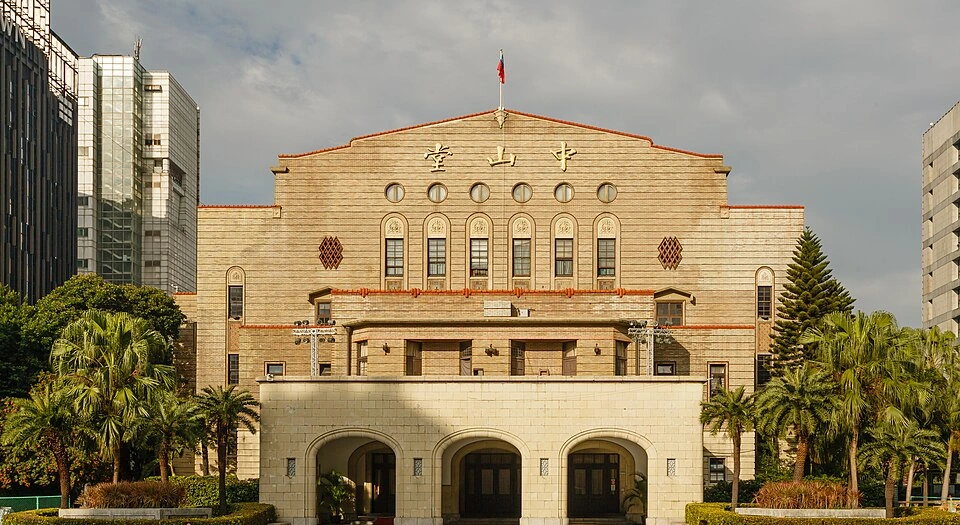
Ho discussed the production at Zhongshan Hall after a Taipei Film Festival screening on 28 June 2010. That recorded conversation lets the collaboration be followed beyond publicity images. It connects a finished film to the decisions that shaped it, while giving an audience a chance to ask how those decisions were made.

Bayani described the red couch in a Philippine interview as representing overseas workers’ sacrifices. His reading is one participant’s view of the object. A viewer can keep that view beside the film’s practical problem: a heavy thing still needs carrying. The symbolic meaning and the actors’ physical task can remain visible together.
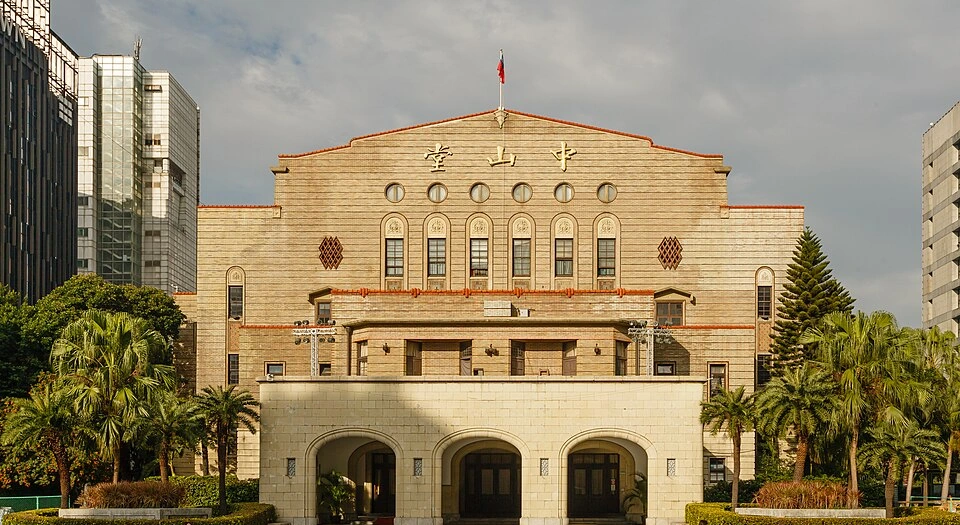
Zhongshan Hall facade, photographed in December 2015

A Sunday neighbourhood continues beyond a film

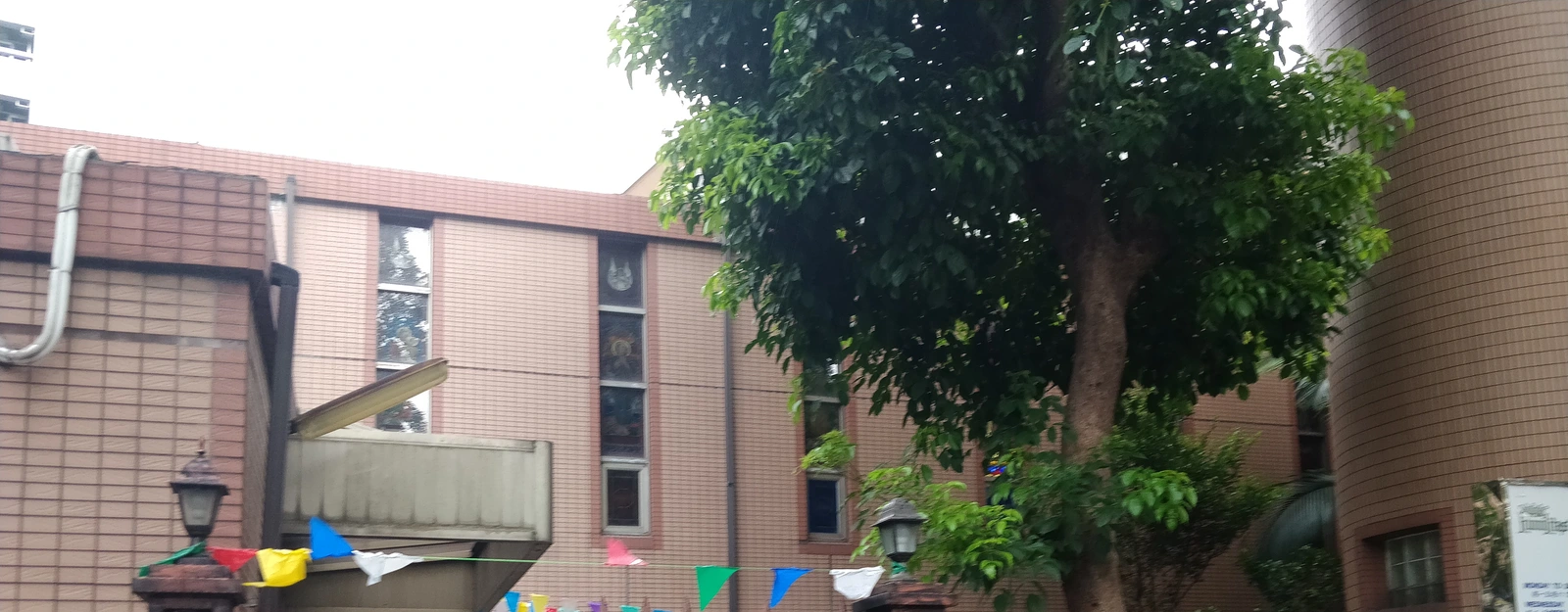
St Christopher’s Church currently lists Sunday Tagalog Masses. If you enter, join according to the parish’s arrangements and give worshippers their space. This is a living religious place, not a set waiting for visitors to reenact a scene. Observe the public frontage without turning someone else’s day off into a portrait.
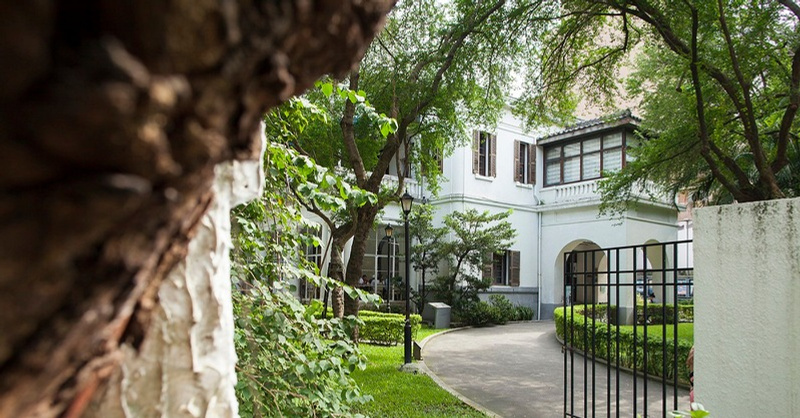
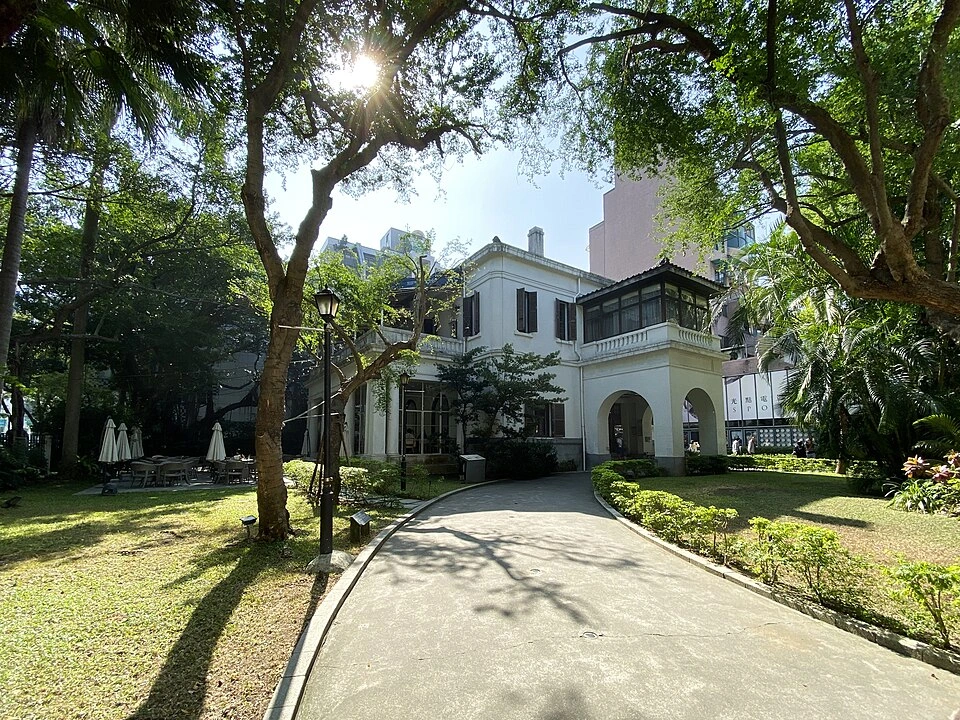
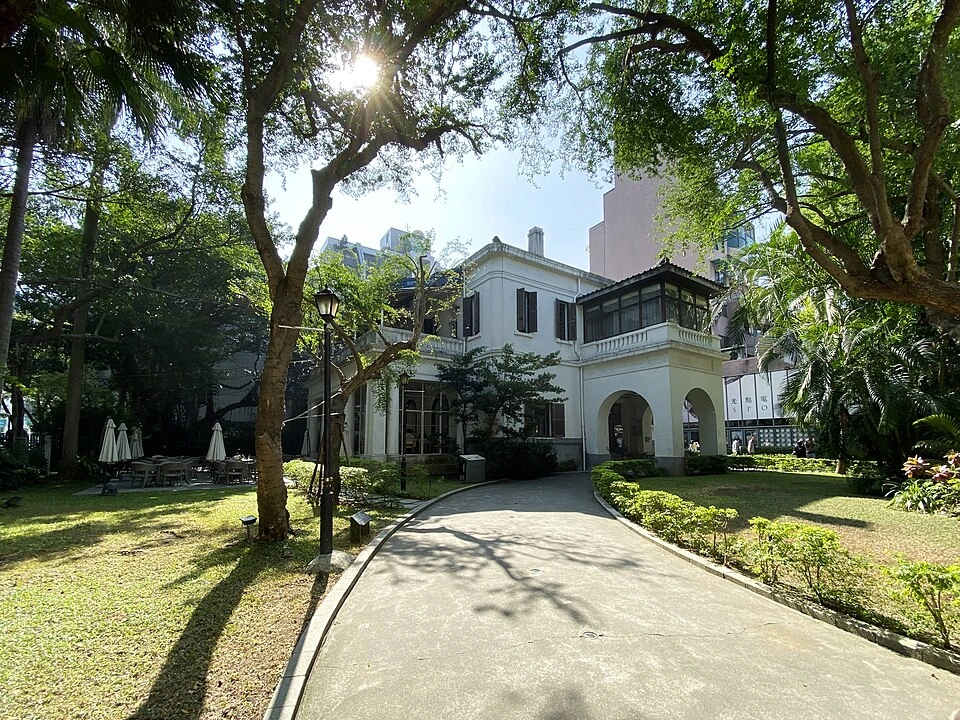
The garden approach to SPOT Taipei; official venue-guide photograph, capture date unstated.

SPOT Taipei Film House is beside Zhongshan MRT and publishes its own current cinema information. Choose a listed programme separately from a neighbourhood walk. The earlier film’s screening history does not guarantee a screening today. The lasting invitation is to ask whose ordinary life a public screen makes visible, then leave time to get home.
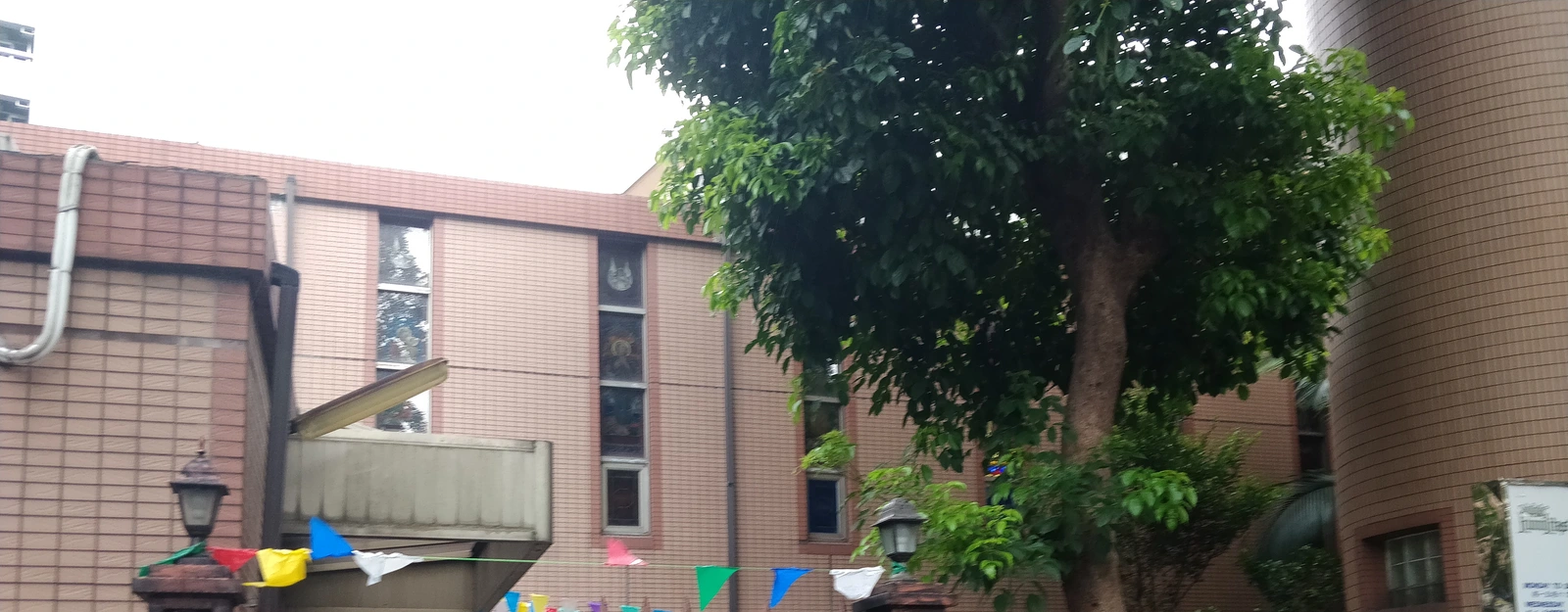
Upper church facade and tree at St Christopher’s, photographed in 2018

Follow the story into a public place

Two kinds of visit
A parish visit and a cinema visit have different purposes; choose each through its current information.
Church address and language
St Christopher’s: 51, Section 3, Zhongshan North Road, Taipei. Sunday Tagalog Masses are listed at 07:30 and 12:00; check for changes.
Church access
The archdiocese lists Yuanshan Exit 1, Minquan West Road Exit 9 and Zhongshan Elementary School Exit 1. Follow parish directions inside; ask before photographing people.
Cinema address
SPOT: 18, Section 2, Zhongshan North Road, Taipei, beside Zhongshan MRT. Check the selected screening’s time and admission arrangements.
Return and observation
After a walk or film, check the MRT route and current operating times for the chosen day. Notice language and public space without reconstructing the film’s route.

Check parish times and access → →

Check SPOT’s current cinema information → →

Check Taipei MRT journeys → →

Related stories

Film and additional image information

The opening is a whole Pinoy Sunday film still supplied on the Korean Film Archive programme page. It is clearly identified as fiction, separate from documentary venue photographs. Six whole photographs come from SPOT Taipei’s official venue-guide PDF; their capture dates are unstated. The original2019SPOT/2015ZhongshanHall/2018StChristopher images and their original creator/licence information remain.

SPOT Taipei: current cinema programme

Korean Film Archive: Pinoy Sunday

Taipei Archdiocese: St Christopher’s Church

Pinoy Sunday official film still, Korean Film Archive programme · Film still supplied on the Korean Film Archive programme page; Pinoy Sunday, directed by Ho Wi-ding. Whole wide shot retained.

SPOT Taipei Film House exterior, photographed in November 2019 · Image informationSPOT Taipei Film House exterior, photographed in November 2019 · Use the original bilingual alternative text / retained image information; do not infer current event, display or opening from the photograph. · Wpcpey · CC BY 4.0 · Image record · Reuse termsSPOT Taipei Film House exterior, photographed in November 2019 · Wpcpey · Original · CC BY 4.0 · Converted to WebP; no cropConverted to WebP; no crop

SPOT official venue photograph, PDF page 1 · Photograph supplied by SPOT Taipei Film House, official venue guide, page 1; capture date unstated.

SPOT official venue photograph, PDF page 3 · Photograph supplied by SPOT Taipei Film House, official venue guide, page 3; capture date unstated.

SPOT official venue photograph, PDF page 6 · Photograph supplied by SPOT Taipei Film House, official venue guide, page 6; capture date unstated.

Zhongshan Hall facade, photographed in December 2015 · Image informationZhongshan Hall facade, photographed in December 2015 · Use the original bilingual alternative text / retained image information; do not infer current event, display or opening from the photograph. · Image recordZhongshan Hall facade, photographed in December 2015 · CEphoto, Uwe Aranas · Original · CC BY-SA 3.0 · Cropped to (0, 0, 960, 525) and converted to WebP

SPOT official venue photograph, PDF page 7 · Photograph supplied by SPOT Taipei Film House, official venue guide, page 7; capture date unstated.

Upper church facade and tree at St Christopher’s, photographed in 2018 · Image informationUpper church facade and tree at St Christopher’s, photographed in 2018 · Use the original bilingual alternative text / retained image information; do not infer current event, display or opening from the photograph. · Image recordUpper church facade and tree at St Christopher’s, photographed in 2018 · Exec8 · Original · CC BY-SA 4.0 · Cropped to (0, 0, 4608, 1800) and converted to WebP

SPOT official venue photograph, PDF page 8 · Photograph supplied by SPOT Taipei Film House, official venue guide, page 8; capture date unstated.

SPOT official venue photograph, PDF page 5 · Photograph supplied by SPOT Taipei Film House, official venue guide, page 5; capture date unstated.