A flight after the family holiday
In June 2018, Mira Filzah told Malaysian entertainment outlet mStar that she would celebrate Hari Raya with family in Ipoh, Perak, and then fly to Taiwan. To viewers who knew her from television, Taiwan first appeared within a recognisable rhythm of work, holiday and a return to family. The trip soon took on a public purpose.
Taiwan’s Tourism Bureau invited her to represent its tourism in Malaysia and Brunei. The film was called Salam Taiwan, using a greeting its intended audience already understood. A celebrity could bring attention to a destination; the harder question began after a viewer decided to come: could the ordinary parts of a day be organised?
From the screen to a real gathering
The campaign did not remain only a film. In April 2019, a programme organised with the bureau’s Kuala Lumpur office, airlines and travel companies brought 100 Malaysian Muslim travellers to Taiwan. They met Mira at Taipei 101 on 26 April, sharing a meal and the city’s night view. A welcome was now a meal with a place and a date.
Moving from publicity to an itinerary changes the work of the Taiwanese hosts. A gathering needs food that meets the guests’ requirements and time that fits their day. It also needs people able to answer a practical question, rather than simply repeat that Taiwan is friendly. This is where the city’s Muslim community matters.
A mosque with work inside
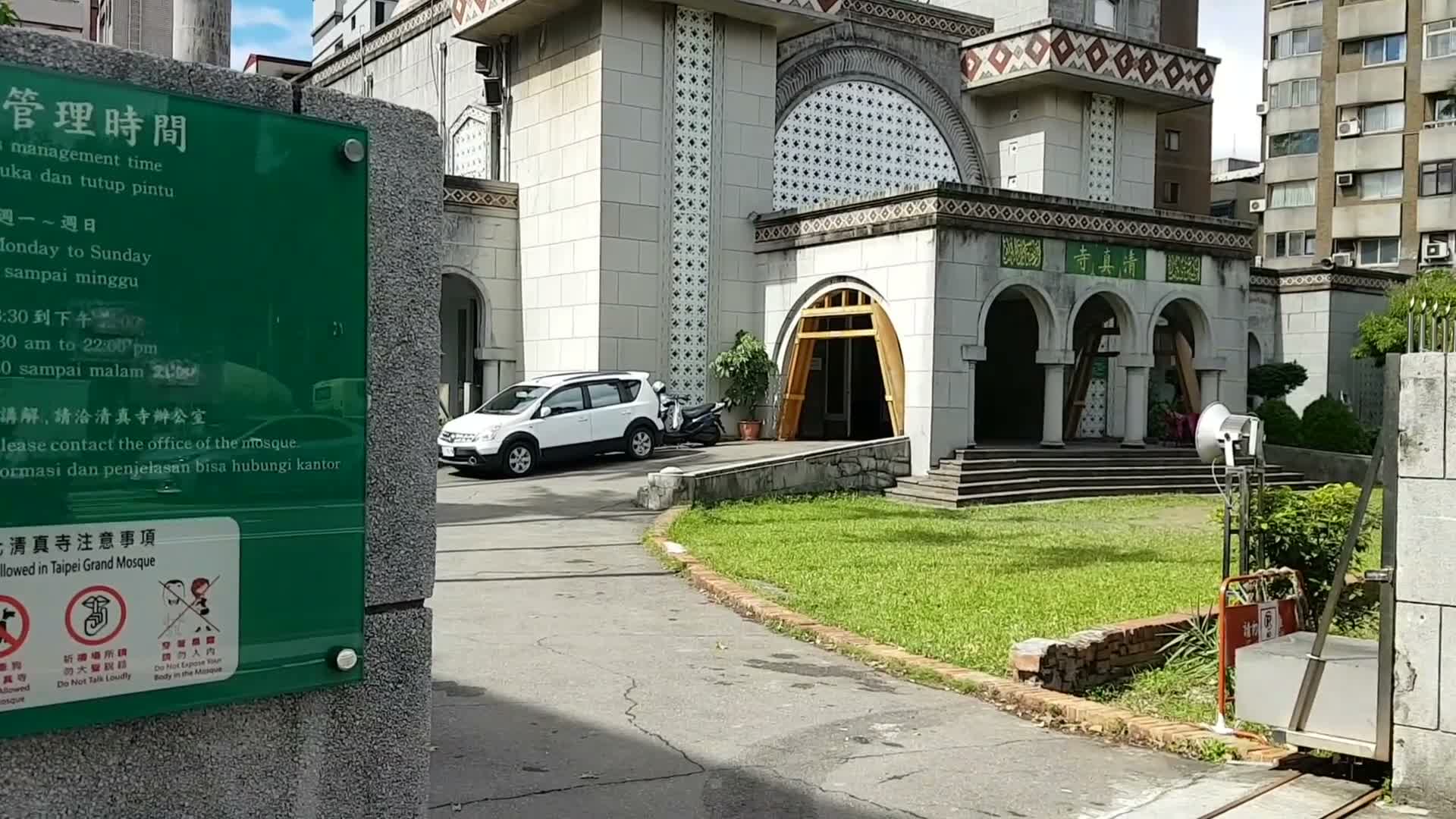
Malaysian journalist Niam Seet Wei visited Taipei in 2016 and spoke with Taipei Grand Mosque executive director Nurundin N. H. Ting. Ting described both religious education and recognition of Muslim-friendly businesses. His account puts a working community behind the building: travellers encounter people whose responsibilities continue after a tour has ended.
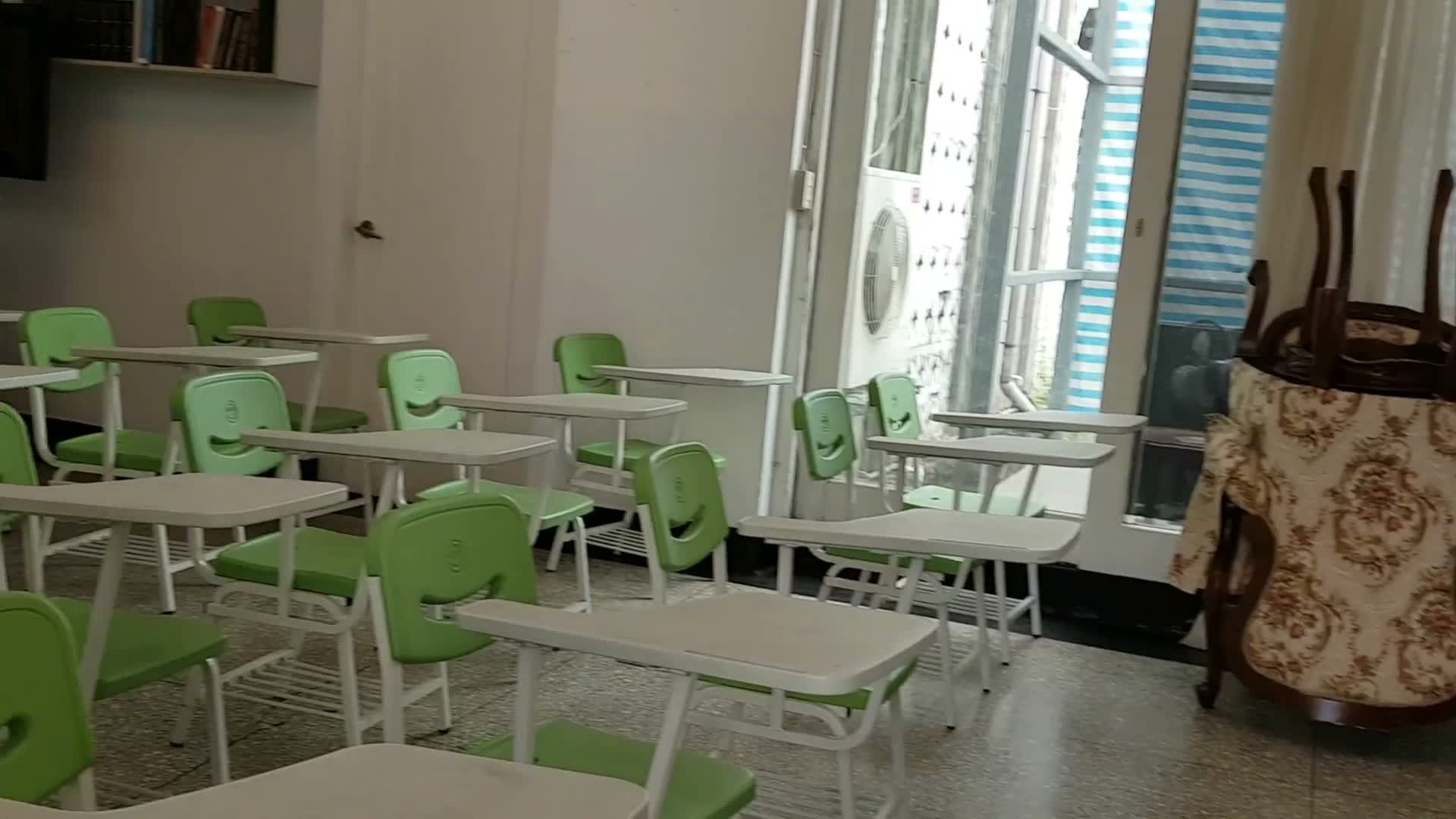
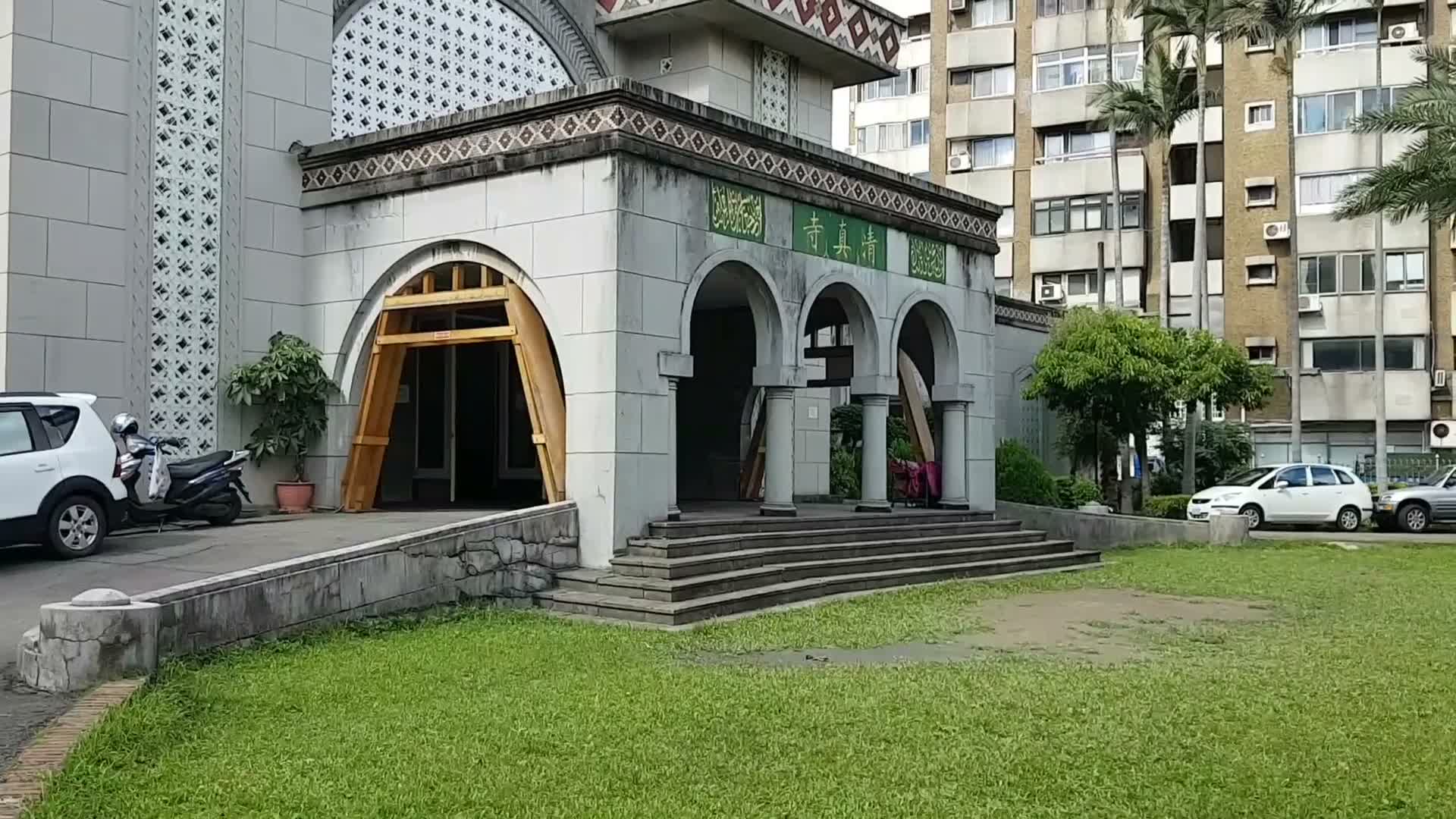
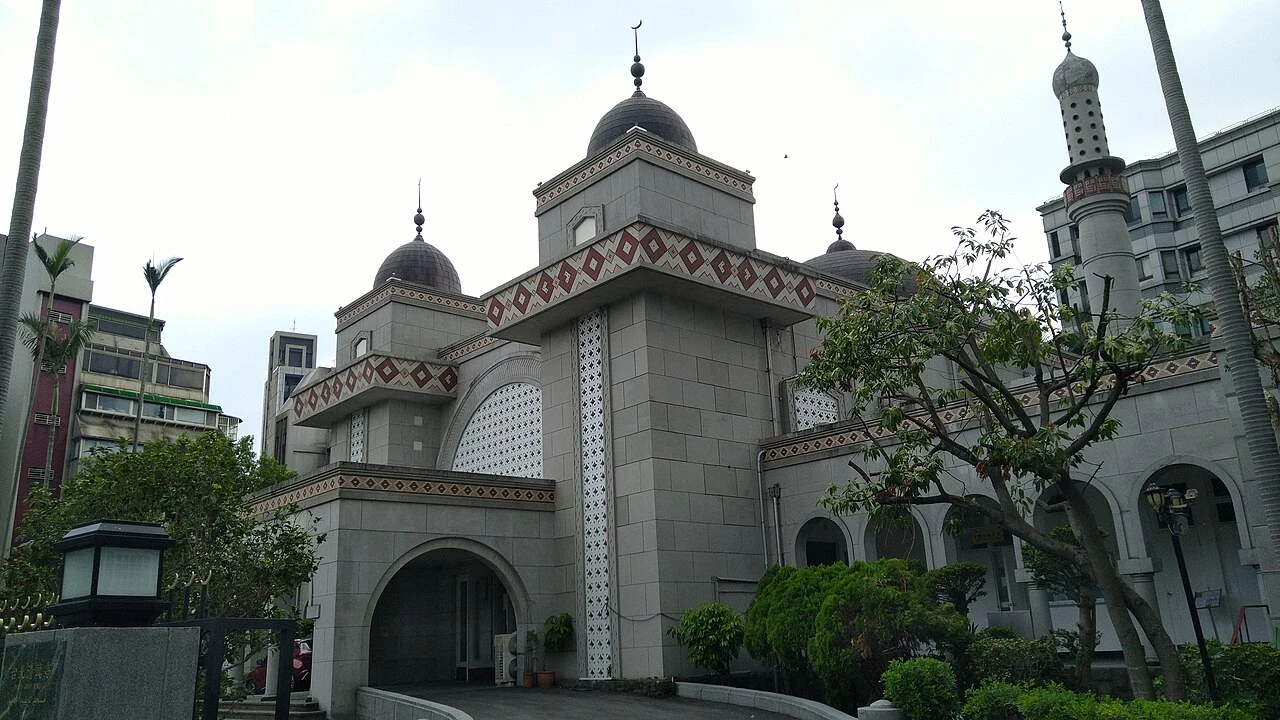
The mosque on Xinsheng South Road was completed in 1960 to a design by Yang Cho-cheng. Look from the accessible courtyard at the dome, arches and minarets, then notice the boundary between a visitor’s space and a worshipper’s space. Understanding the building includes understanding where a camera or a casual walk should stop.
Original image information
Kerolf666 · Original · CC0 1.0 · Proportional WebP rendition; no cropThe clocks change the way a day is planned
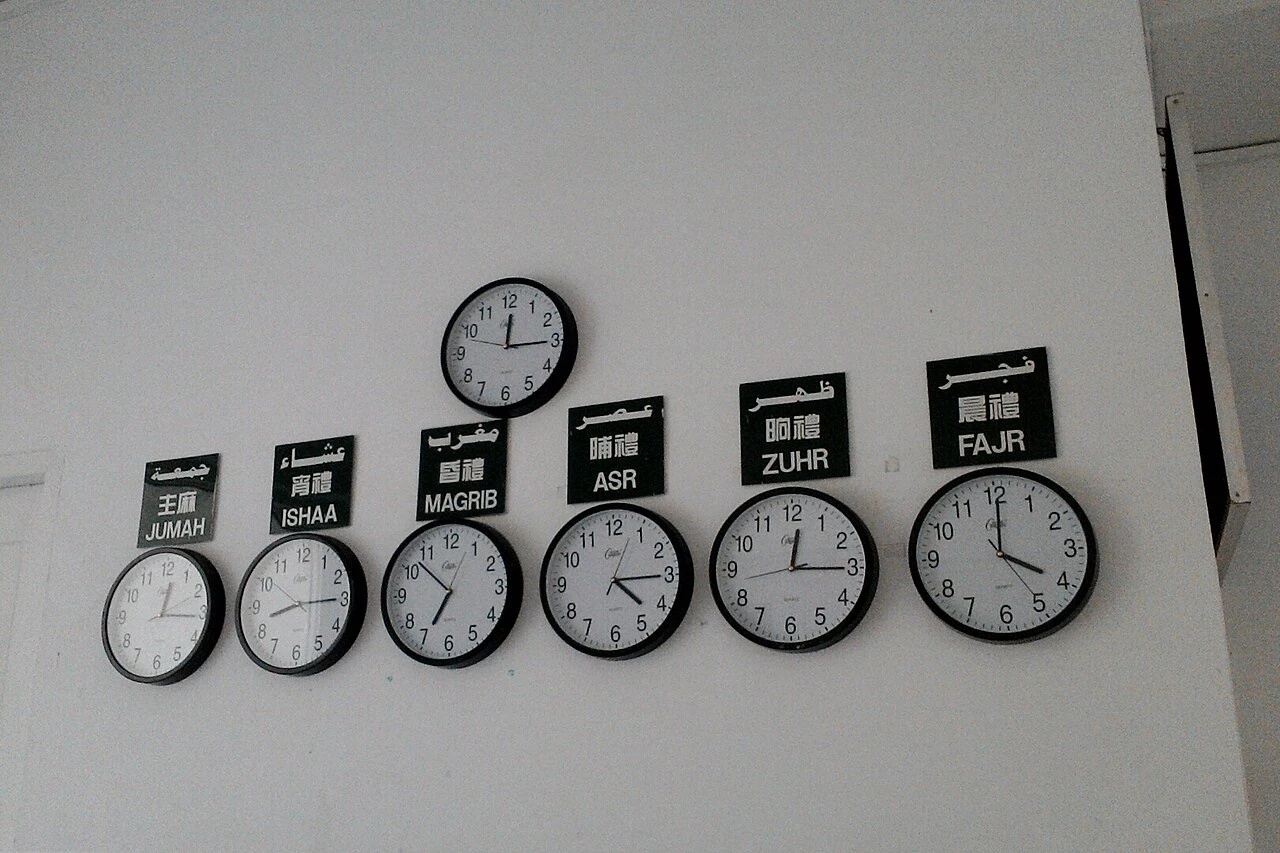
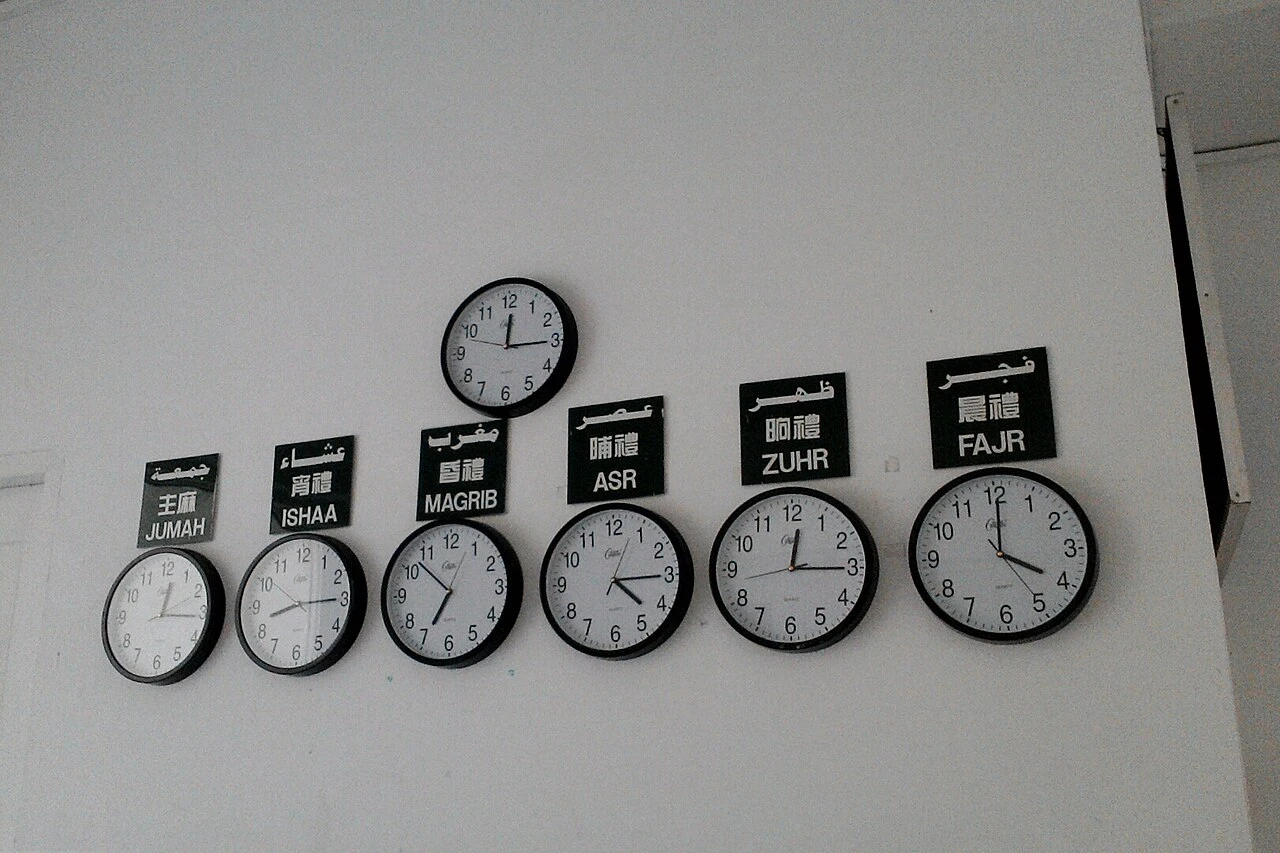
A photograph taken in the mosque in 2017 shows clocks labelled for the daily prayers. They are a useful object to think with: a traveller’s day cannot be reduced to opening hours at attractions. A prayer time belongs to a different schedule, and the path between lunch, transport and worship needs room in it.
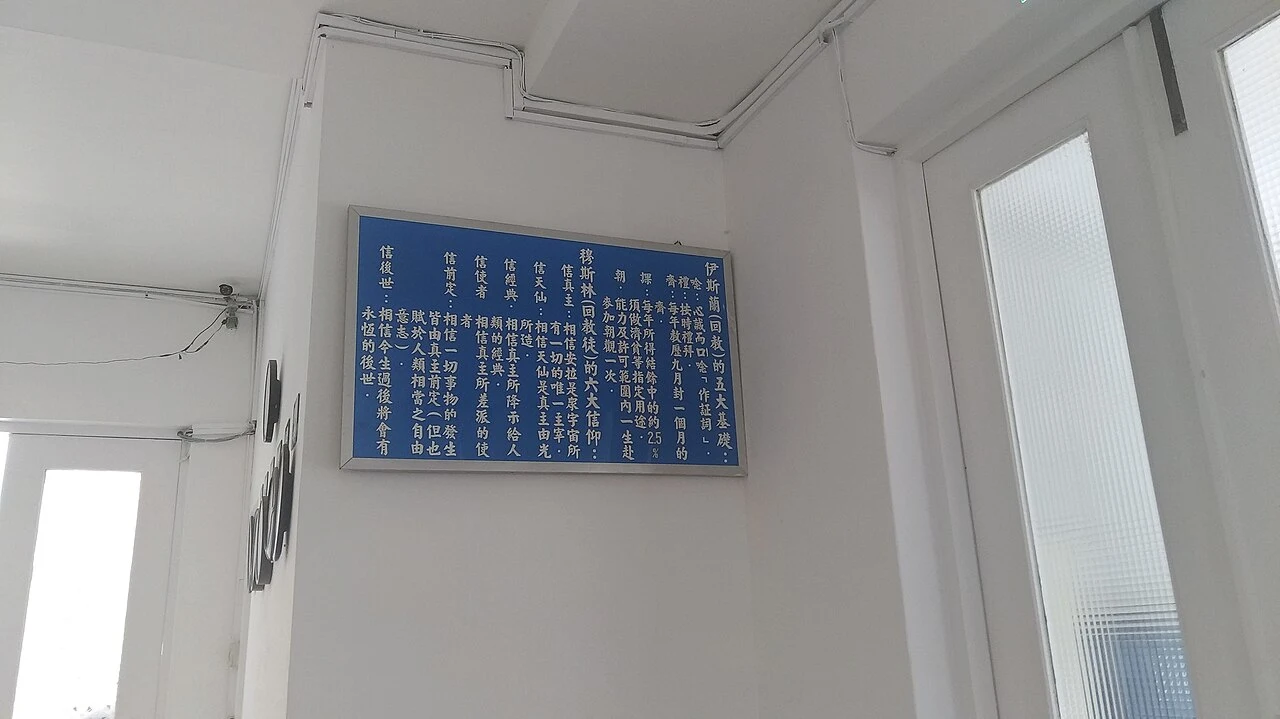
Today, the mosque offers arranged visits between 10:30 and 16:00, with guided visits booked by telephone or email. That visit window is different from a worship timetable. When planning a meal, identify the specific business and the scope of its certification; a vegetarian dish or the absence of pork alone does not answer the same question.
Original image information
寺人孟子 · Original · CC BY-SA 4.0 · Proportional WebP rendition; no cropWalk in as a guest of a living community
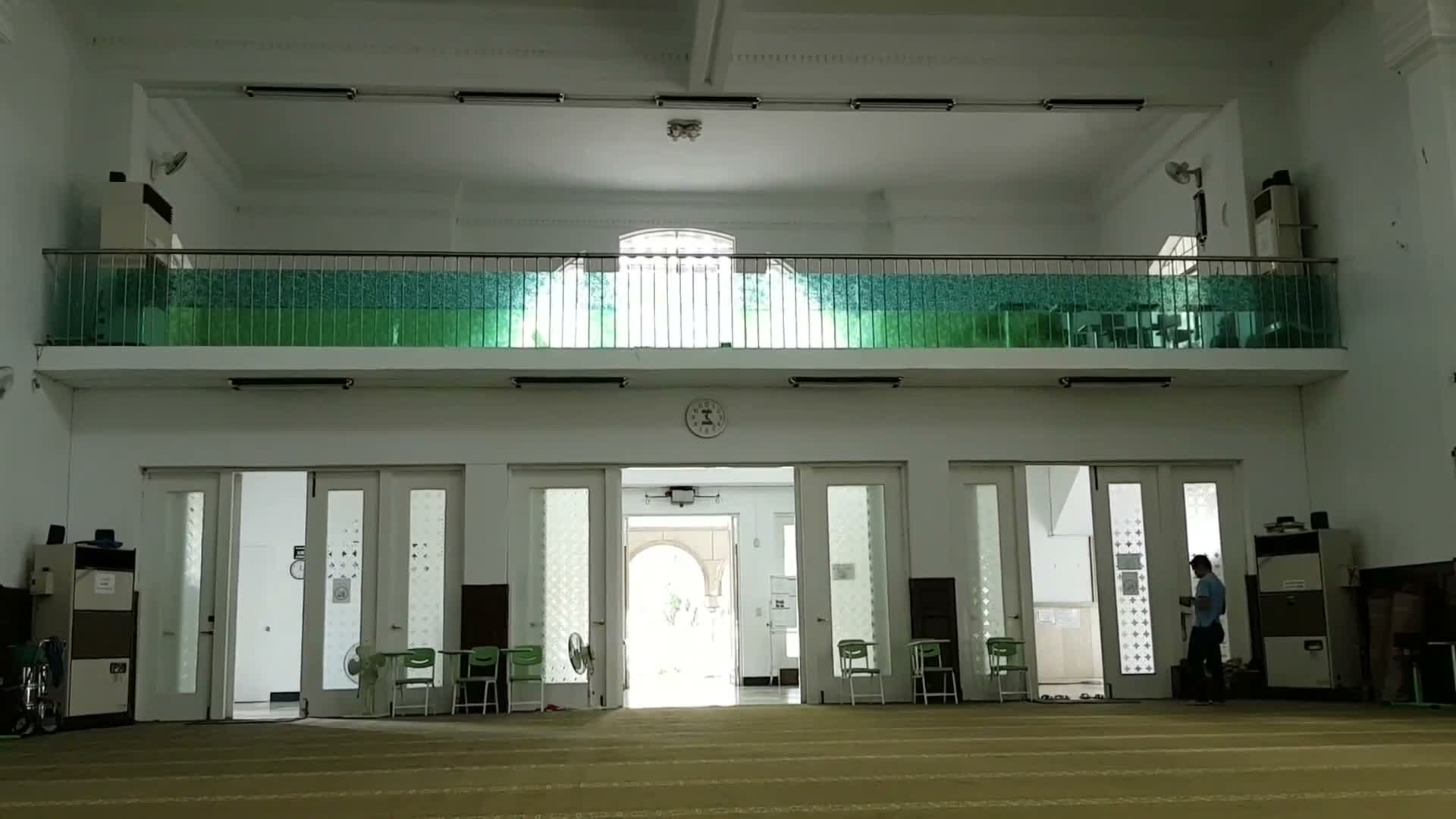
An arranged visit can be quiet and focused. Ask which areas are open, listen to the explanation, and look at how the courtyard, entrances and prayer spaces serve different needs. The mosque is not a set built for a tourism film. Its value for a visitor lies in seeing how a city accommodates people whose day may follow another rhythm.
Mira’s greeting gives this story an entry point in Malaysia; the work at the other end gives it substance. Leave with a clearer way to organise the next day: a confirmed place to pray, a suitable meal and enough travel time between them. A welcome becomes useful when it can be carried into those decisions.