A new market reaches the front desk
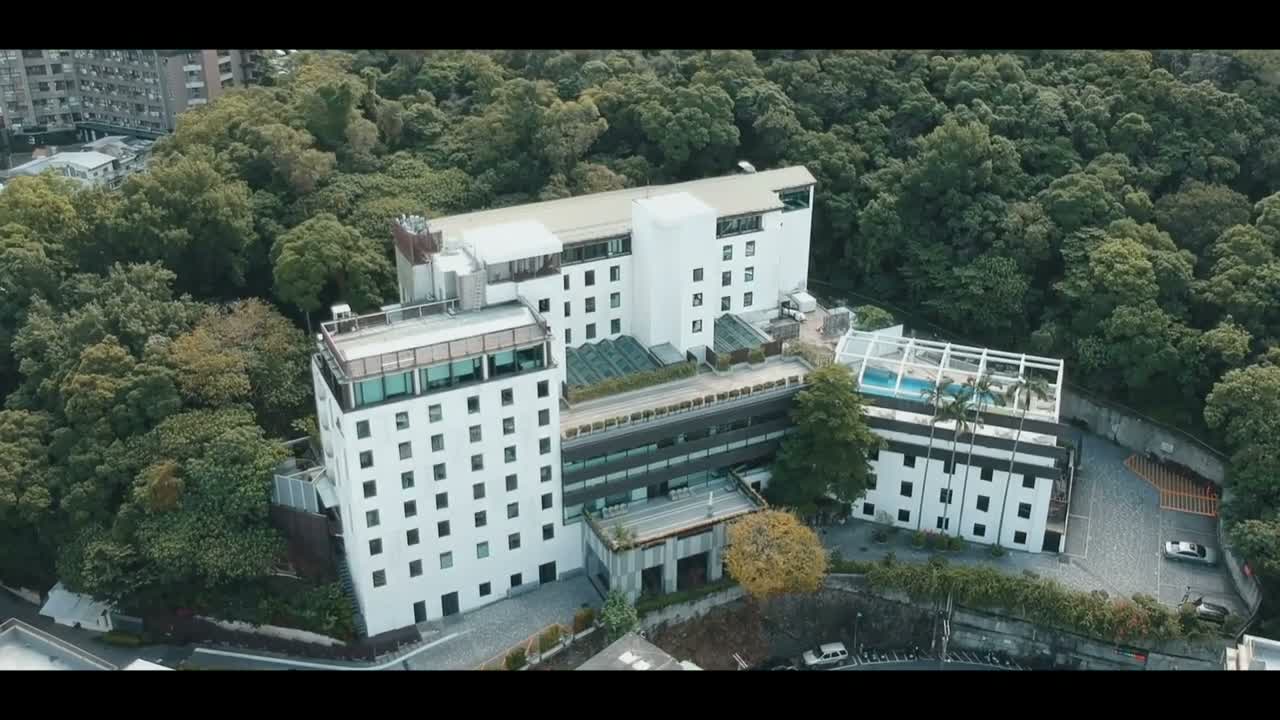
A 2018 report published by Malaysia’s Malay Mail brought readers to The Gaia Hotel in Beitou. Operations manager Jack Chang described Southeast Asia, with its many Muslim travellers, as a market the hotel needed to pursue. For the people working in the hotel, this meant more than translating a brochure. A guest would eventually arrive with particular needs.
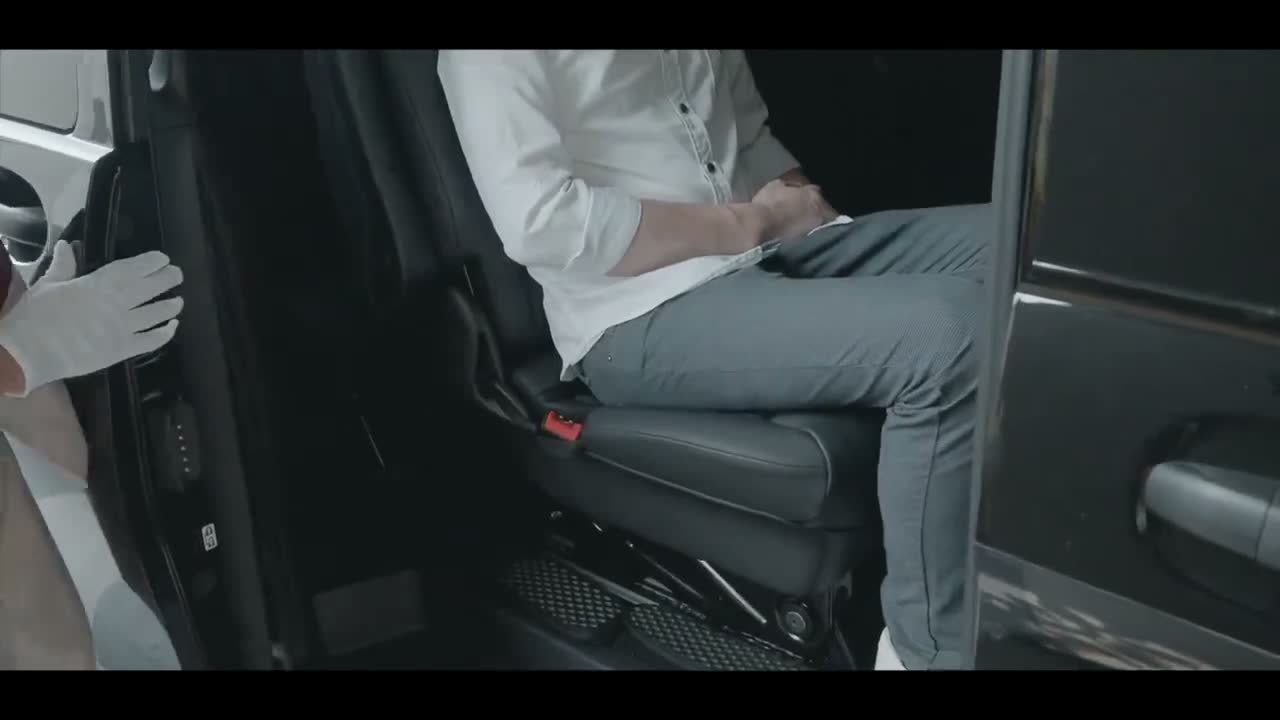
Image information
Beitou’s attraction was already a hot-spring stay. The service challenge was to make that stay fit another daily routine. The room, the meal and the hours between them had to be considered together. A successful booking would be one in which the guest could use the promised service without renegotiating every detail after arrival.
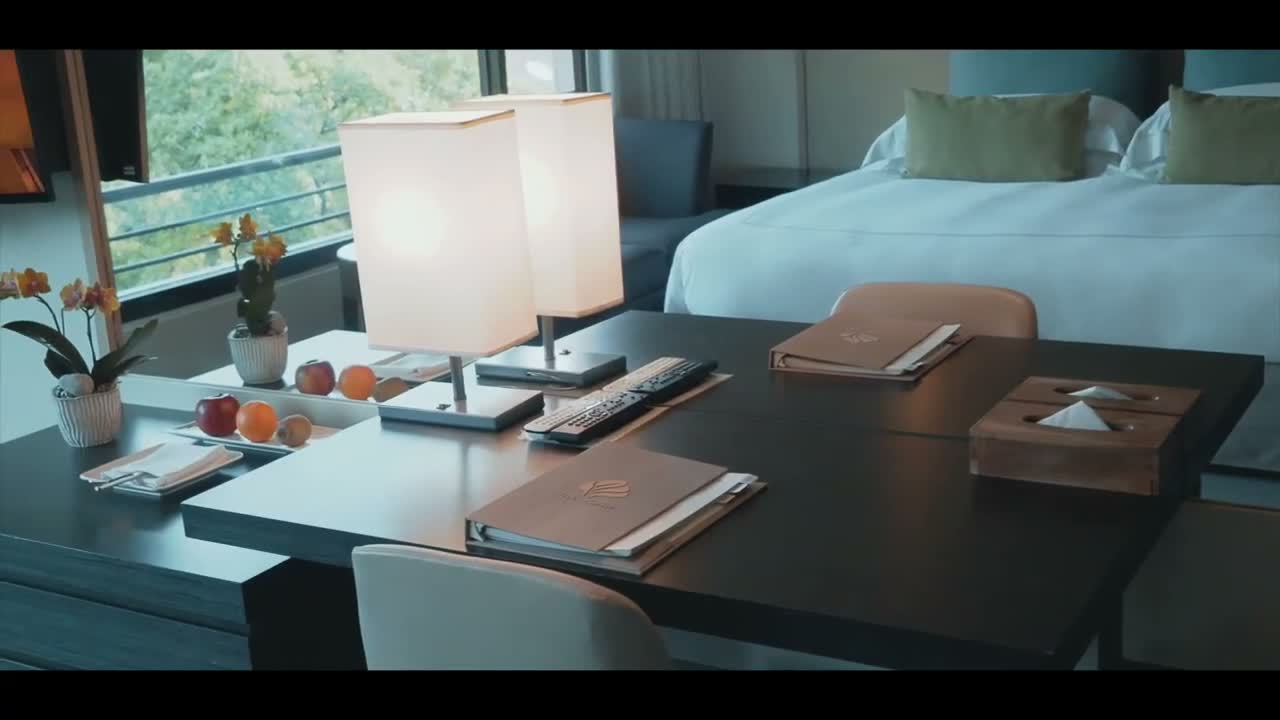
Image information
The work begins with objects close at hand
The hotel now lists a prayer rug, a Qur’an, a qibla indicator and a local prayer timetable among the preparations for its Muslim-friendly rooms. These are four different answers to four different needs. A direction marker does not replace a rug, and neither one tells a guest the local time for prayer.
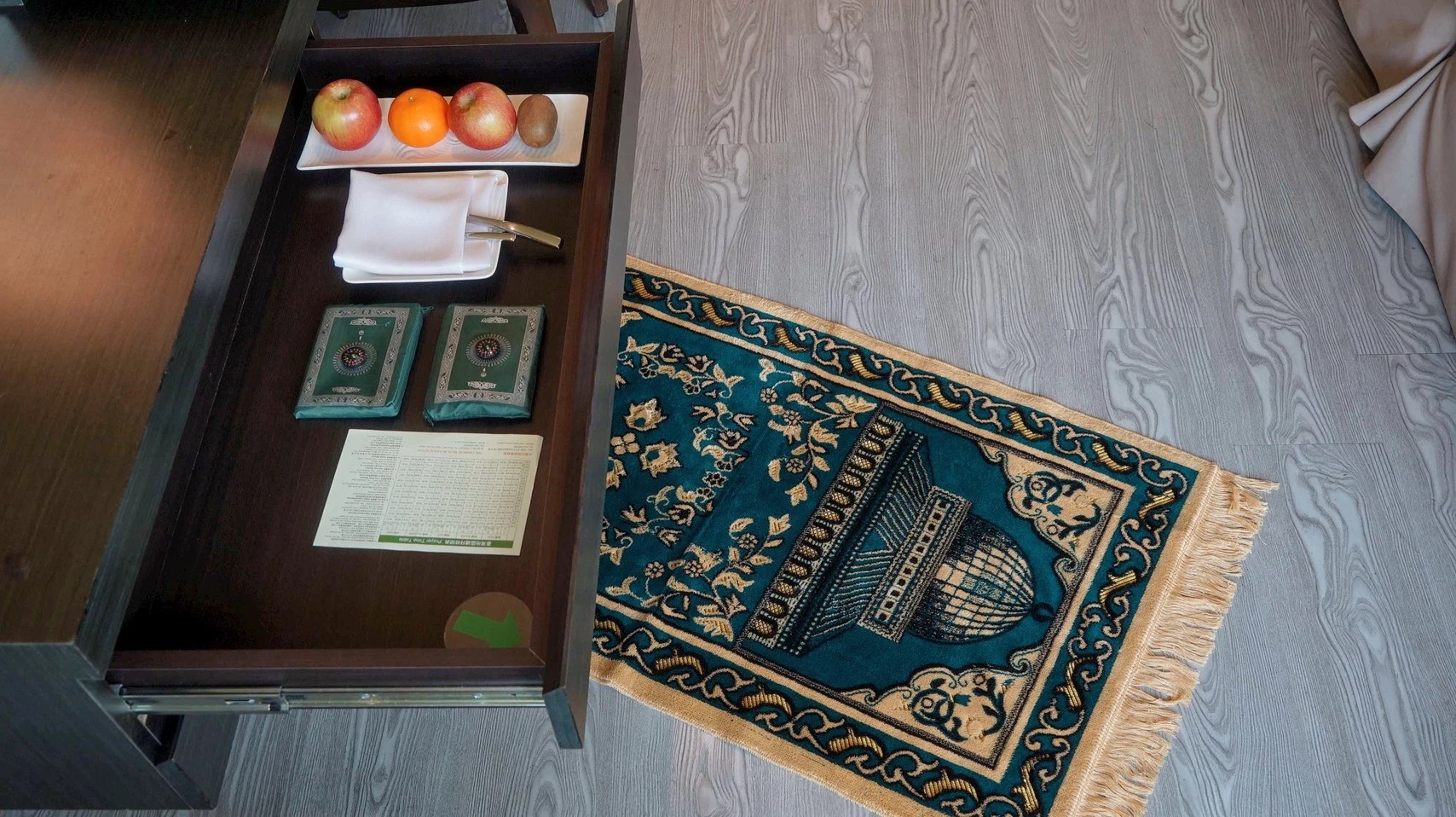
Image information
Look at the official room photograph: the prayer items are placed near a table, within a room otherwise furnished for rest. The interesting change is the space made for another use. Housekeeping needs to supply the items, reception needs to understand the request, and the guest needs to know that the arrangement was made.
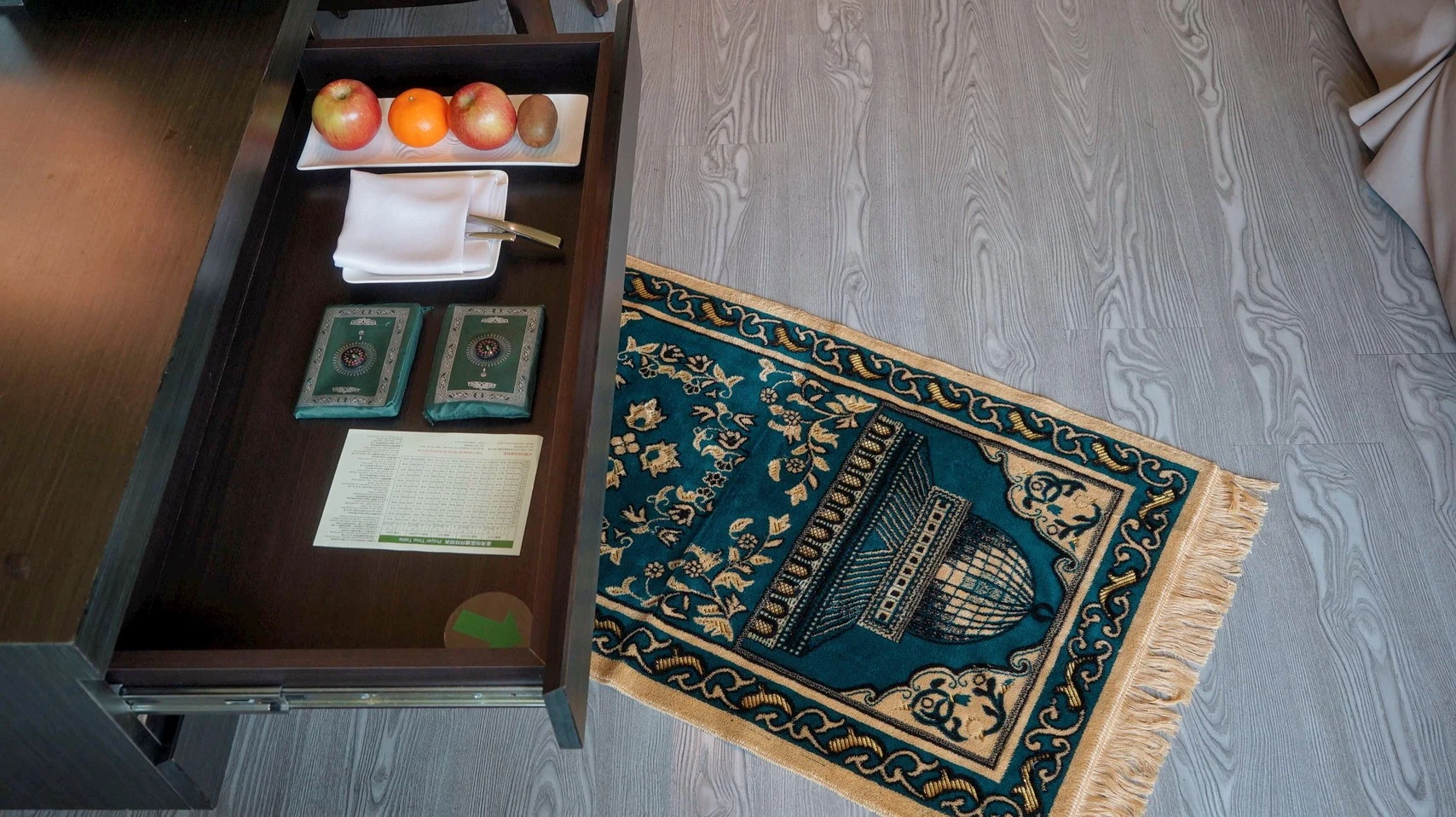
Image information
A certification has a defined scope
The Tourism Administration’s current Muslim travel list identifies The Gaia Hotel–Piacere at No. 1 Qiyan Road with MFR and MFT recognition by the Chinese Muslim Association, covering listed meals and accommodation. That is a specific entry for a specific establishment. It helps a guest ask about the service they intend to book.
Image information
The useful question is therefore precise: which meal will be prepared for this reservation, and which room setup is required? Recognition of one outlet does not make every dish or every facility identical. Giving those details to the hotel before arrival allows the kitchen and reception to prepare for the same guest, rather than for an abstract market category.
Image information
A bath needs privacy and an agreed time
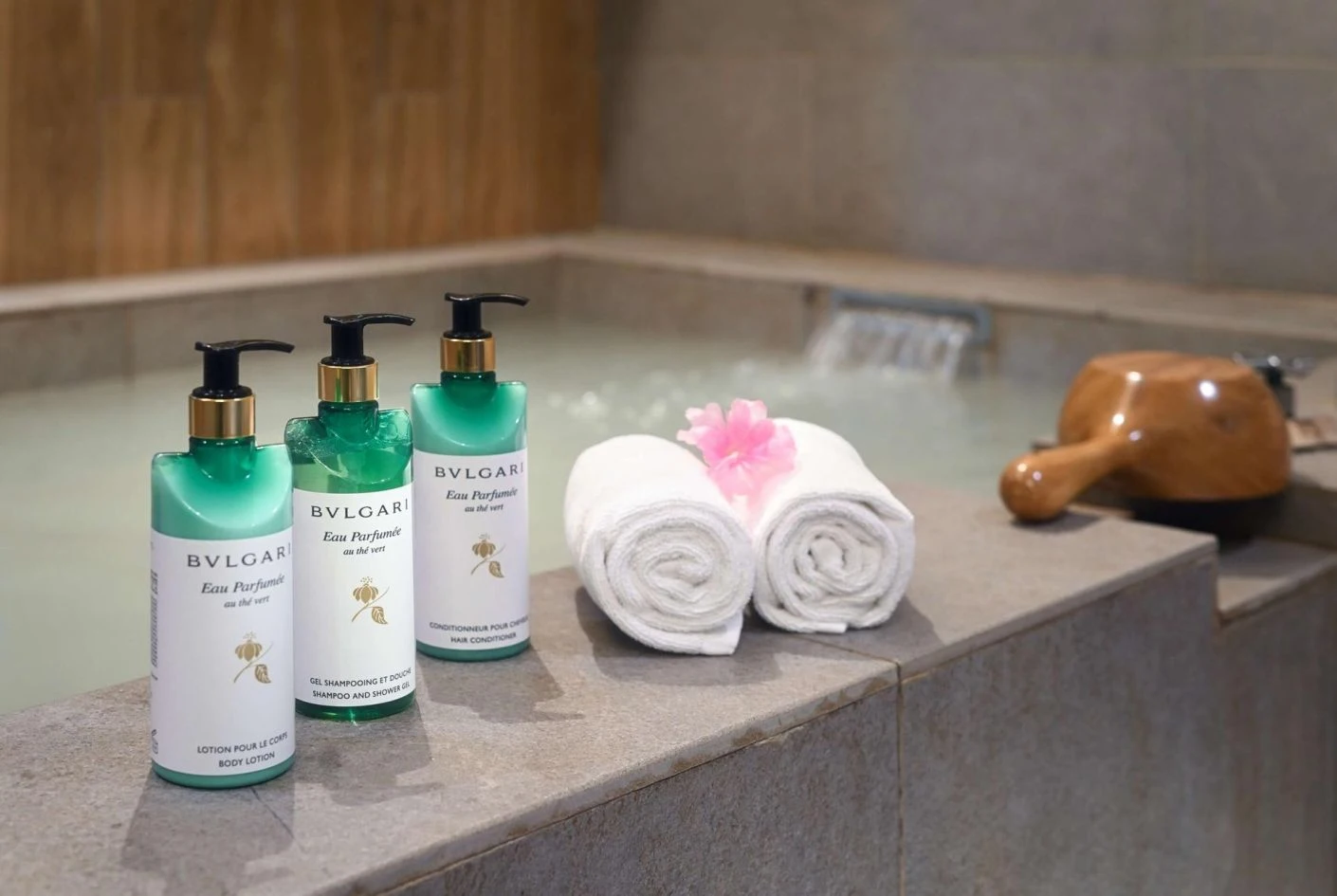
The hotel provides in-room hot-spring baths and separately bookable private hot-spring rooms. Its private rooms are listed as available around the clock; the public bath has a different schedule. These are different products with different access arrangements. A family or a couple can choose a private room without assuming that every bathing space works in the same way.
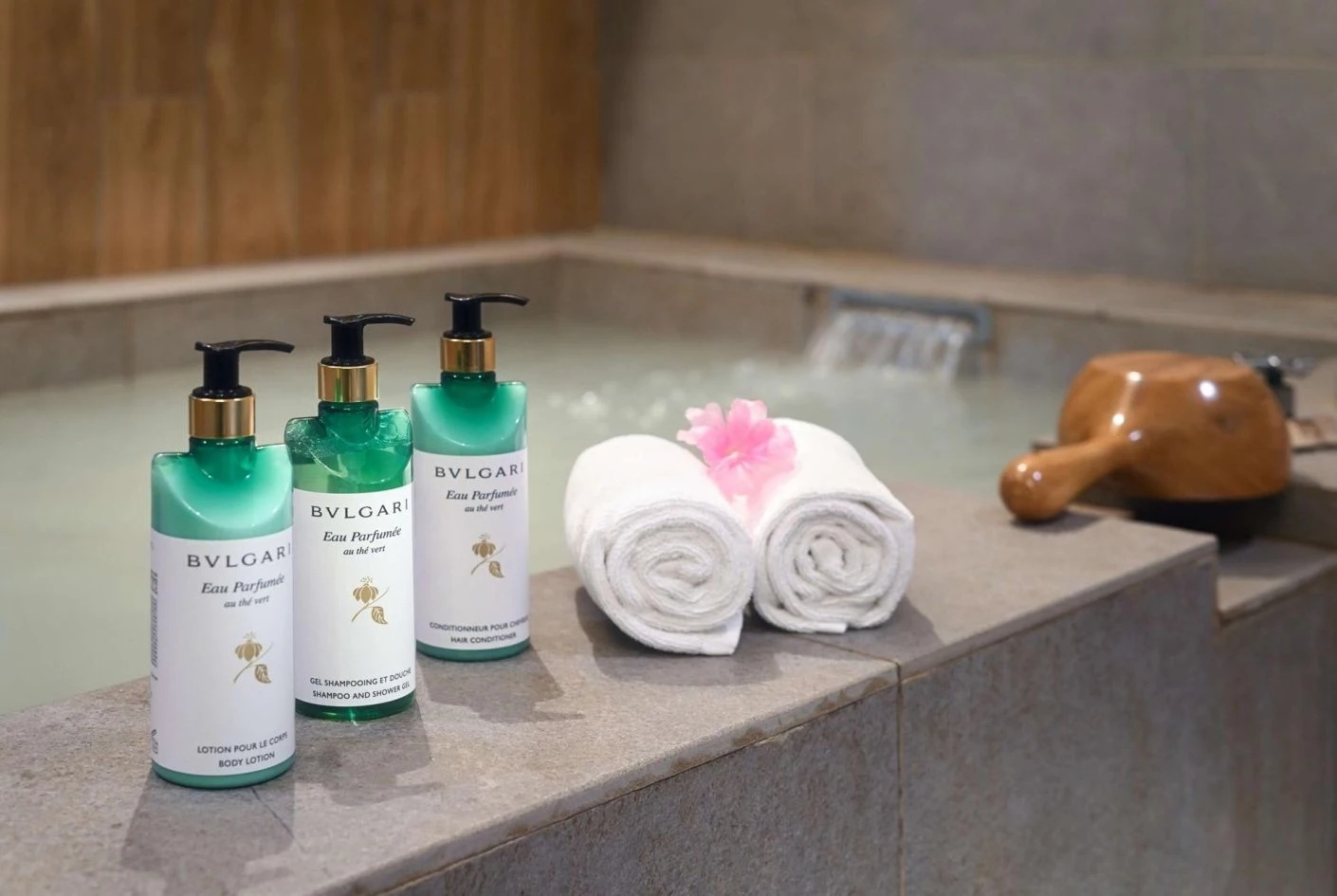
Image information
The public hot spring is not available to children under 12 according to the room booking notes. That single condition can change a family’s choice before it arrives. For a private bath, agree the session, number of people and any child arrangements when booking. The rest area and shower are part of the experience, not just the water in the tub.
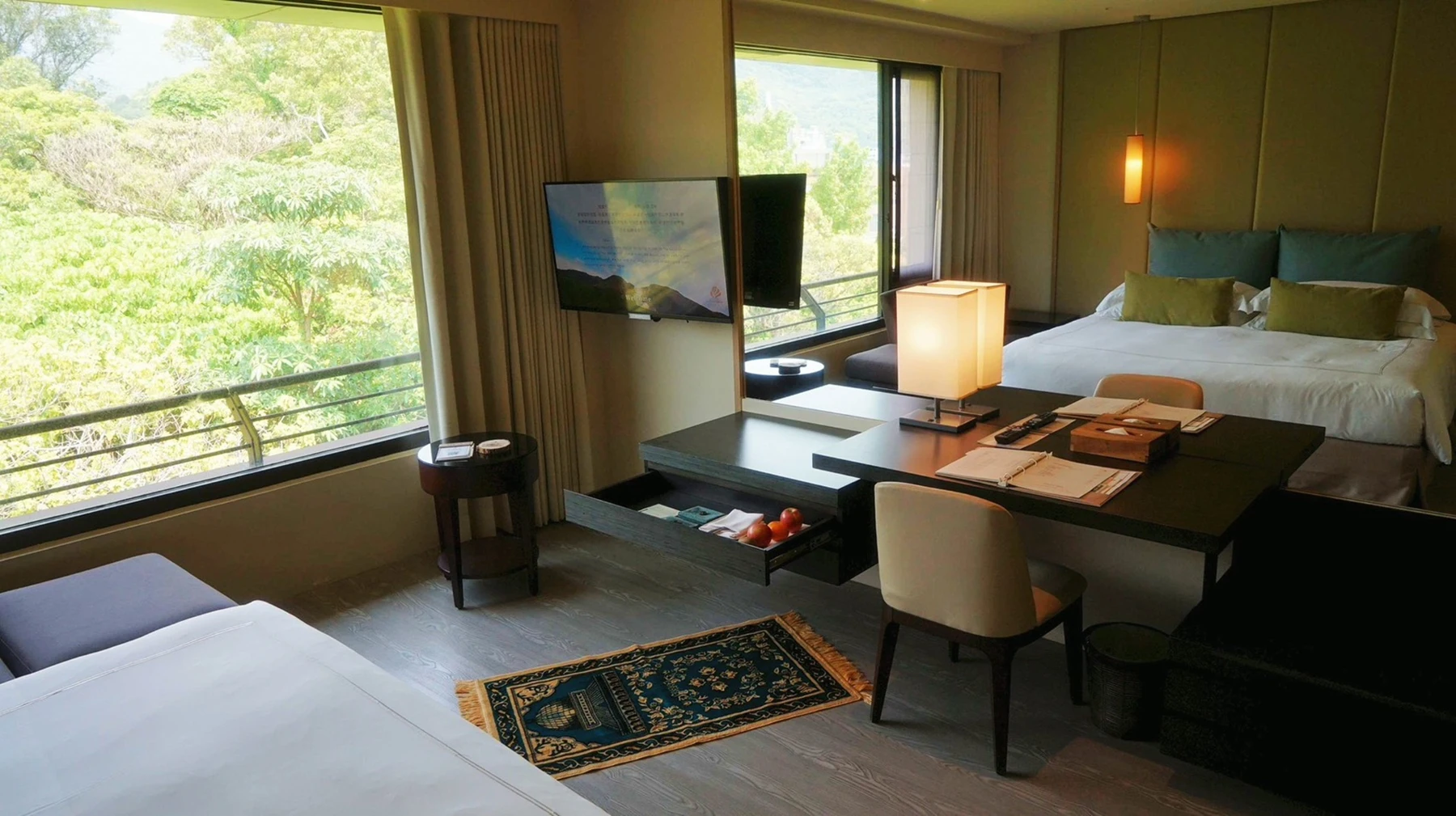
Image information
The last part of hospitality is getting home
The hotel’s transport page identifies shuttle pickup points at Beitou and Xinbeitou MRT stations. For a stay on a hillside, the return is part of the booking too. Agree a pickup and return with the hotel, especially if the party includes children or someone who does not want to walk an uphill approach after a bath.
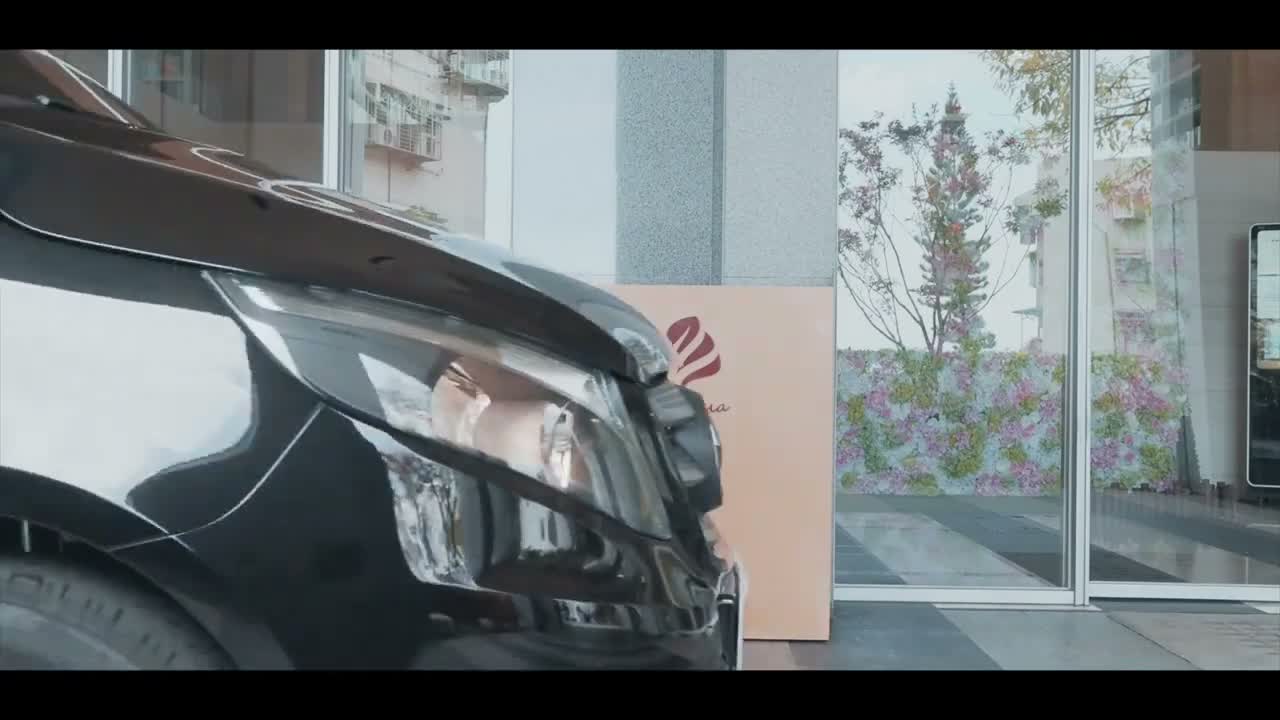
Image information
What remains from the 2018 market conversation is a practical way to look at a hotel: follow the guest’s day, from transport to the room, prayer, food and bathing. Each step depends on a person doing a small task correctly. The prayer rug beside a Beitou stay makes that otherwise hidden work visible.