The town has another name on the page
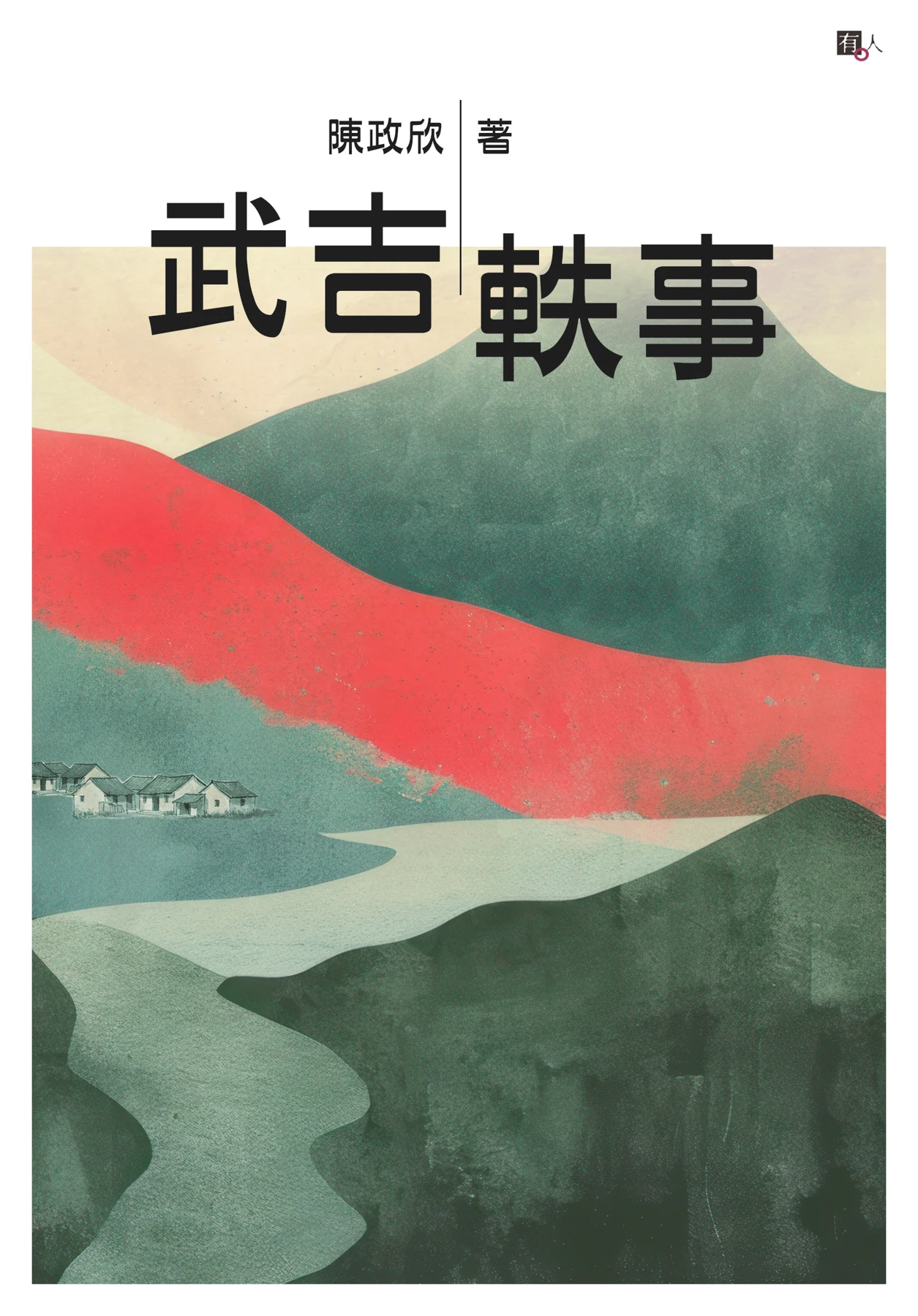
For readers in northern Malaysia, Bukit Mertajam is a real town in Penang state. For Chen Cheng-hsin, it also became Wuji, a place he could reshape in prose and fiction. His 2014 essay collection Literature’s Wuji was presented by its Malaysian publisher as a literary account grounded in a town, rather than a literal guide to every street.
Chen was born in Penang in 1948, studied mechanical engineering in Singapore and later worked in business. Writing followed several forms, including poetry, fiction and translation. A town’s storyteller did not need to begin as a full-time literary professional; work and long attention to home could coexist before the books took shape.
A return journey becomes a reunion
In the preface to Literature’s Wuji, scholar Tee Kim Tong recalled a 2012 trip to Malaysia. After an academic meeting and a northern journey, he wanted to see old literary friends before flying back to Taiwan. Chen helped make contact. They gathered in Penang with people associated with the former Palm publishing circle.
Tee’s work in Taiwan gives that reunion another direction. He has taught and researched at National Sun Yat-sen University, including Malaysian Chinese literature. The people met again as friends, but their books also continued to travel through criticism and teaching. A conversation in Penang could become material for a reader who had never visited the town.
Old books keep the network visible
Tee’s preface also remembers the small press and the letters surrounding its books. Palm was founded in 1971 and began publishing with Song Zi-heng’s short stories. The important scale here is the scale of people willing to write, edit, order a book or answer a letter. A literary connection could persist after a publishing company ceased to operate.
The townspeople in Wuji are therefore not simply historical specimens. Chen’s writing gives remembered figures room to change in fiction. A reader can ask what the town makes possible: encounters, rumours, work and people’s ways of surviving a difficult period. Those questions travel more readily than a list of heritage buildings.
A Penang novel is read for a Taiwanese award
Wuji Yanyi takes its fictional town through the period from Japan’s surrender in August 1945 to the declaration of the Malayan Emergency in June 1948. In 2021 it received a jury-recommended commendation in the long historical novel category of Taiwan’s Global Chinese Literature Hsing Yun Awards. The award connected readers with a Penang story; it did not turn Malayan history into Taiwanese history.
Chen went on to write Wuji Anecdotes, which received a historical-novel writing-project grant in the following year. The two kinds of recognition are different: one assesses a completed work, while the other supports further writing. Together they show a story continuing, with new questions about what a town’s inhabitants endured and how to tell it.
A reading visit makes the sea crossing tangible
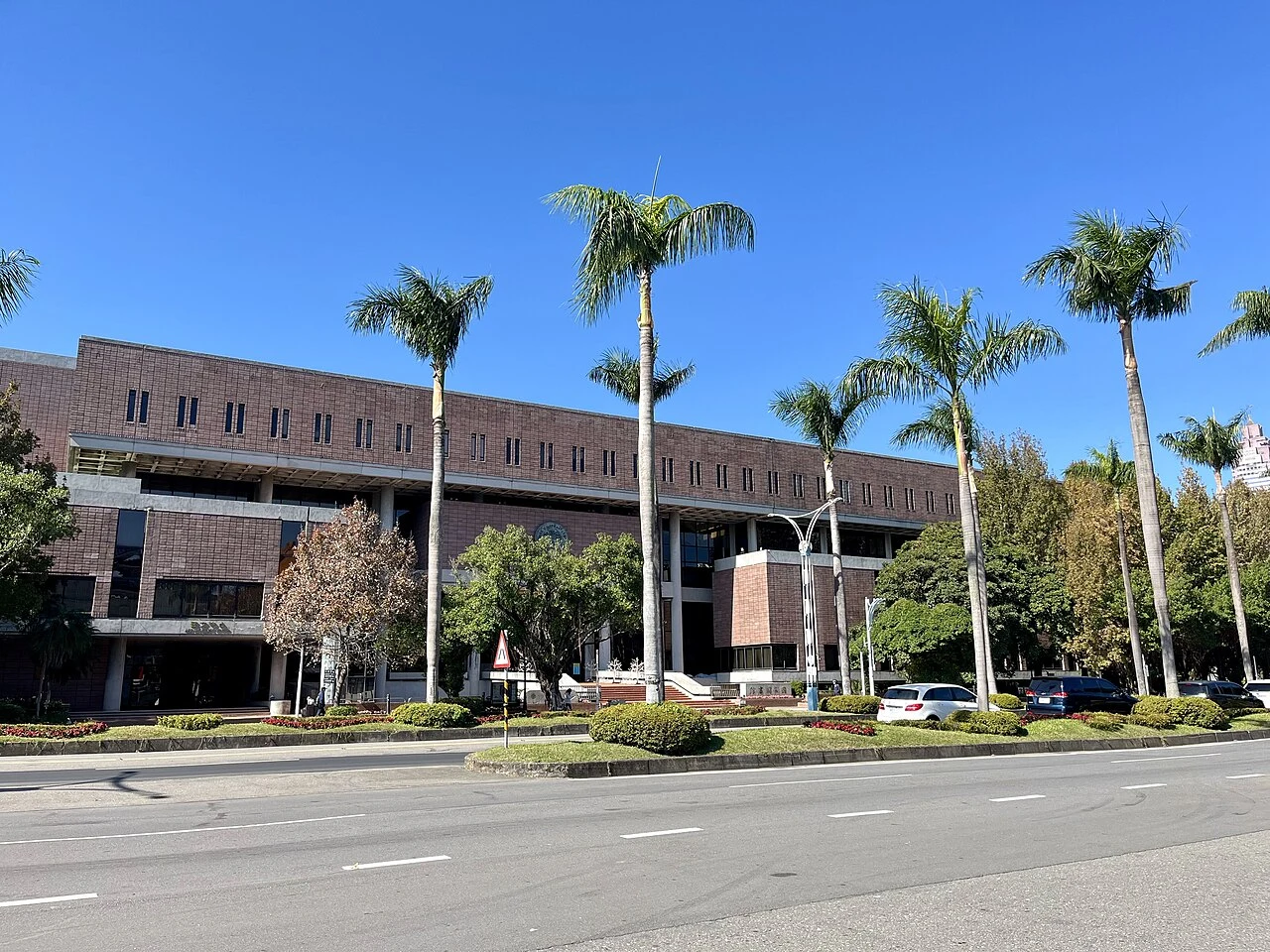
In Taipei, the National Central Library is a place to turn a book title into a reading request. Search the catalogue for Chen’s name or the Wuji titles, check the holding and request conditions, then plan a visit for an available volume. This continues the story through reading, rather than pretending that an old reunion has become a permanent exhibition.
When the book is in front of you, begin with the preface or author’s account of the town, then read a passage of fiction. Notice when a proper name points to a person and when a place enters the writer’s imagination. The crossing from Penang to Taiwan is visible in that act: a local memory reaches a new reader, who still has to learn how to read it.