
Books were not always close at hand
When Malaysian magazine The Interview spoke with Chang Kuei-hsing in 2023, he recalled the books available during his youth in Sarawak. Widely known authors reached him; he later ordered books by mail. Reading was already part of his life, but access affected what he could discover. Coming to Taiwan widened that access.
The local newspaper supplements mattered before the move. He had begun publishing while still at school. A journey to university did not create a writer out of nothing: it brought an existing habit of Chinese-language writing into another setting, where different books and readers could challenge it.
A choice made before boarding
After secondary school, Chang faced an uncertain direction. He admired writers and seniors who had studied in Taiwan, and in 1976 entered NTNU’s English department through the overseas-student route. Studying English was a concrete choice, with classes and support, alongside the less predictable wish to continue writing.
He graduated in 1980. The university’s account records his gratitude for public financial support and the learning environment. These changed the conditions under which he could read and write. For a student travelling from abroad, a classroom and a workable way to live are part of the same opportunity.
The classroom brought people into the story
His university memories include teachers Yu Yu-chao, Teng Yi-lu and Chen Tsu-wen, and writers or friends such as Li Yu-cheng and Lai Shou-cheng. These names make the years of study more than an address on a résumé. Reading, discussion and submission to publishers offered several ways for a young writer to test his work.
English-language study added more than a new vocabulary. In his later account of the Newman Prize, Chang described contact with foreign literature as an expansion of his literary perspective. His stories could remain rooted in Borneo while their structure and imaginative possibilities absorbed a much wider reading world.
A teacher’s day and a novelist’s time
After graduation, Chang worked in publishing and at a secondary school. He became a long-serving English teacher at Taipei’s Chengyuan High School and retired in 2016. Work and family took time from writing. His account does not present literary success as a life free of ordinary responsibilities.
The later novels returned again and again to Borneo. In the 2023 Malaysian interview, he explained that his imagined Sarawak is a literary place, rather than a geographical record. University study had widened his tools; memory continued to supply material. That combination allows a reader in Taiwan to enter a world the writer knew before arriving.
Bring a few pages into the campus
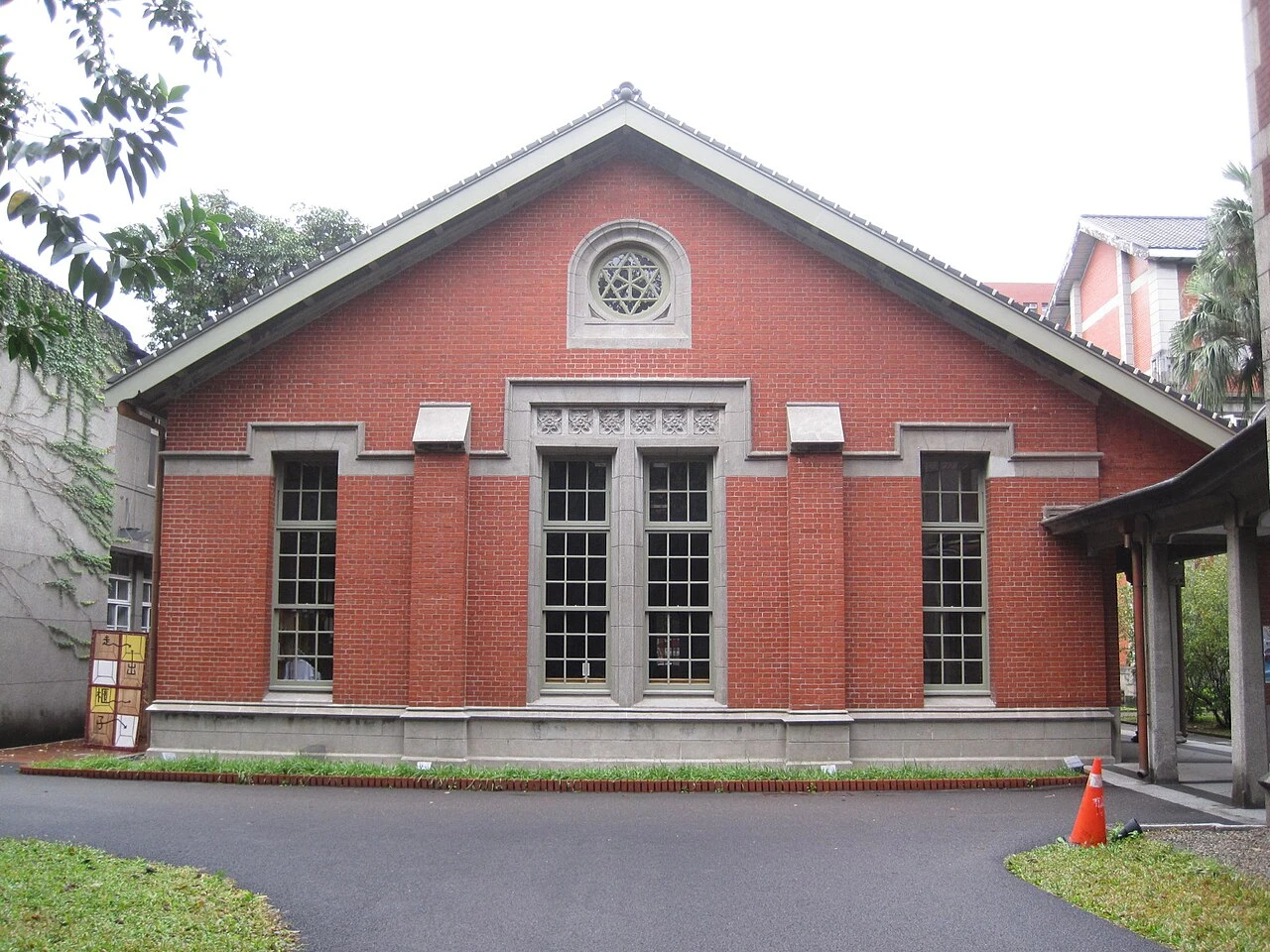
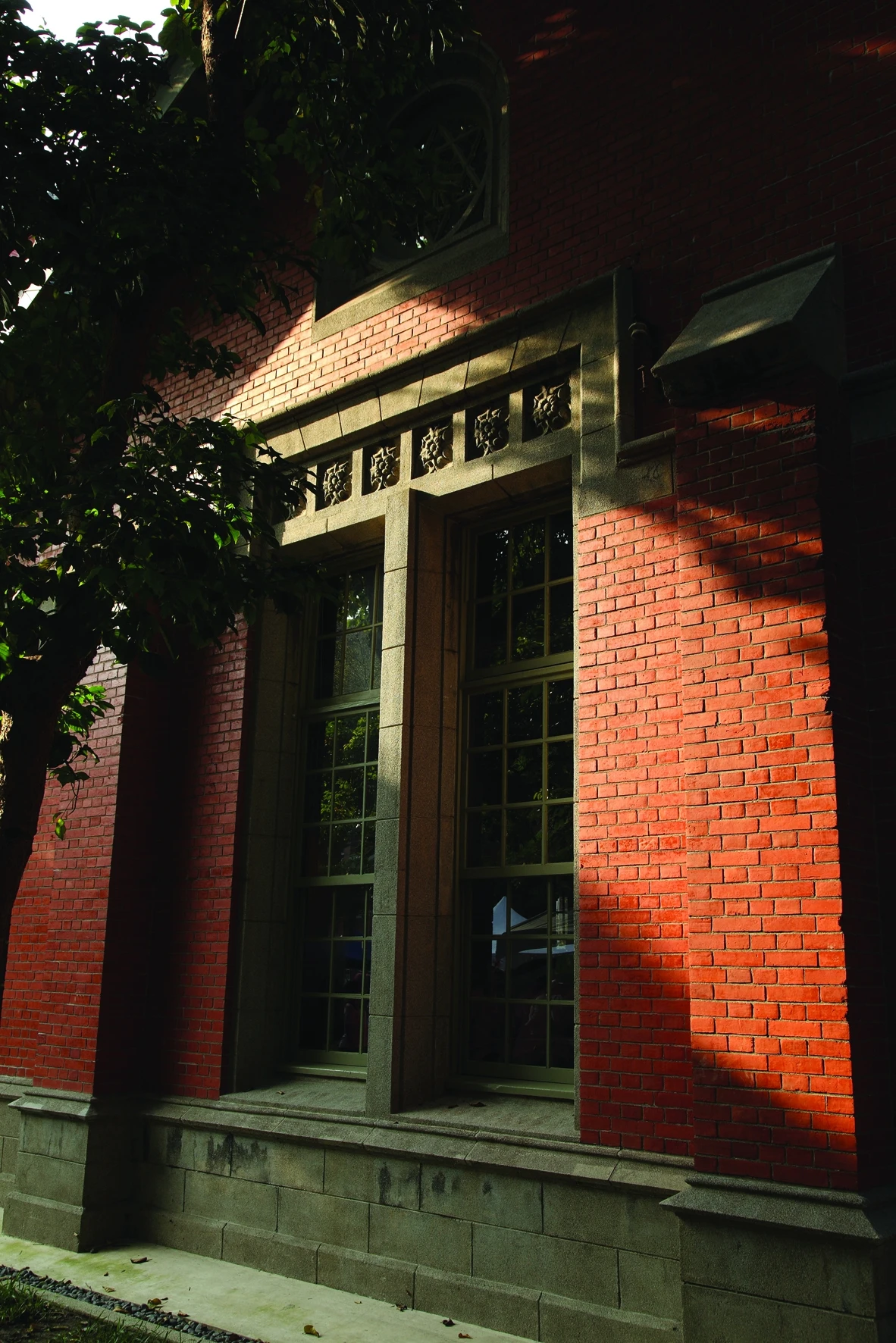
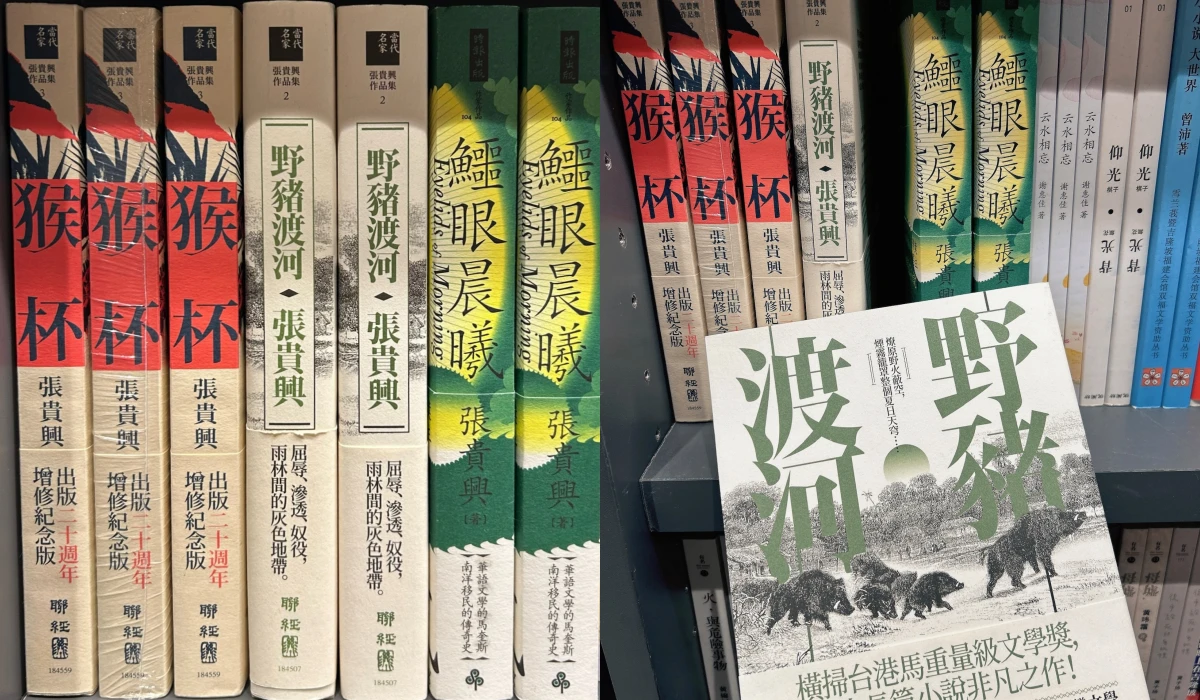
For a visit to NTNU, bring a passage from one of the novels rather than expect a permanent Chang Kuei-hsing exhibition. Wen Hui Hall offers a present-day place for reading and conversation during its listed weekday hours. The hall was built for students in the earlier Taipei Higher School era and has had several later uses.
Compare a paragraph’s voice with its setting: which details come from remembered home, and which choices make the story readable to a stranger? Then look at the room used by students today. A campus visit can connect a writer’s education with the ordinary conditions that make learning possible—time, company, books and a place to sit.