
The blossom photograph starts after the work
On 4 April 2025, The Star carried a report of passengers taking a special steam train during Taiwan’s cherry season. The flowers and a moving carriage made an easily understood travel image for readers in Malaysia. What the frame could not show was the long preparation needed before a preserved engine can carry passengers at all.
Alishan’s 2025 mountain blossom programme used No. 31 with cypress carriages. No. 21 belongs to another chapter in the same railway’s preservation work. Keeping the numbers distinct matters: the train seen during a seasonal trip and the engine restored in a workshop are not interchangeable. To understand the work behind the invitation, begin with the restoration of No. 21.
Forty years in a park did not keep an engine ready
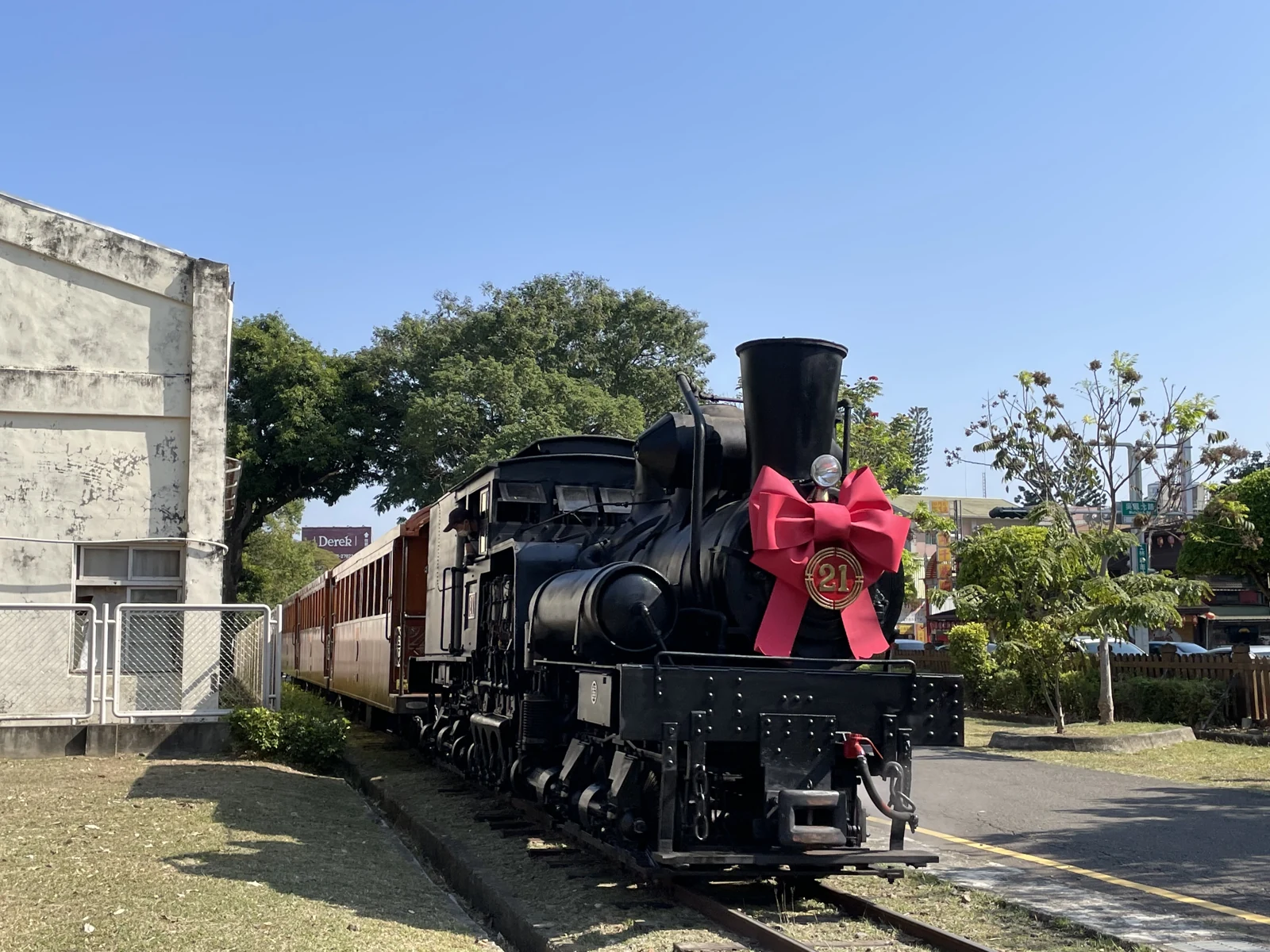
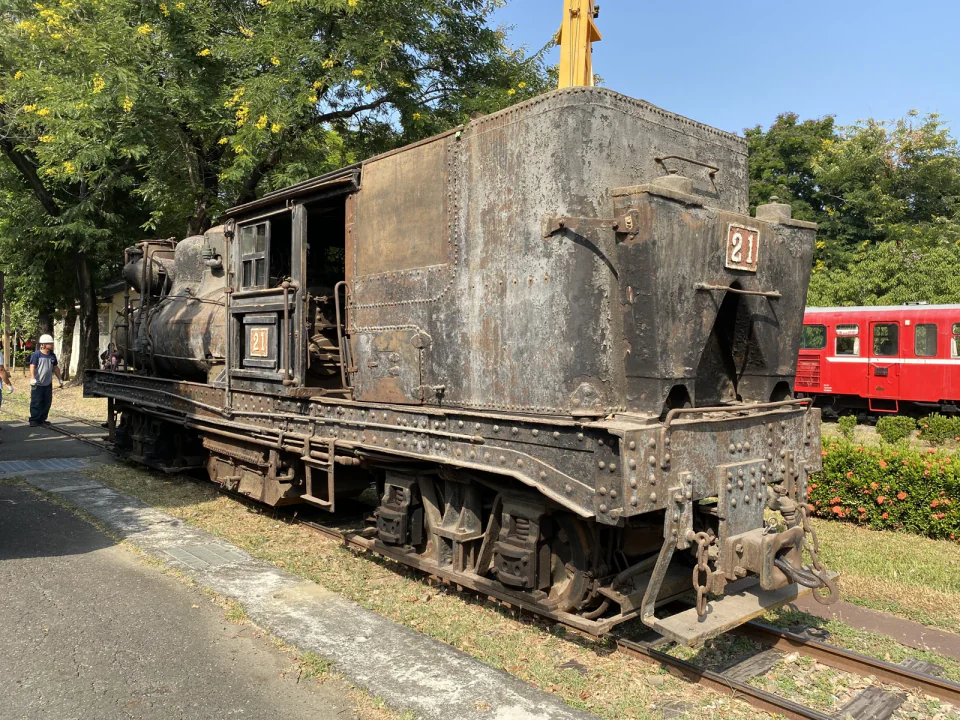
Built in 1912, Shay No. 21 spent more than forty years on display in Chiayi Park after retirement. It returned to the railway in 2019 with corrosion and damage to be addressed. A public monument had to become a machine again. Its familiar silhouette could remain, while the condition of the boiler and components demanded a much closer reading.
The restoration plan retained coal firing and specified traditional tube-expanding work for the boiler rather than substituting modern welding for that process. This choice joins appearance to function. Repairing a historic engine means deciding not only what a visitor should see, but how a working component should be made, checked and kept safe.
The teachers were retired, but their knowledge still had a job
At the railway’s 110th-anniversary event on 24 December 2022, the authority described an eighteen-month repair and a further task: teaching the newly restored No. 21’s preparation. Retired railway hands Chen Ho-ming, Chan Te-fu, Lü Wen-sheng and Lai Hsing-kuei demonstrated the details for younger drivers. Lighting the fire, starting the machine and preparing to run were learned together with the restored vehicle.
A replacement part can be catalogued. Experienced judgement needs a person to explain it and another person to practise it. The official account’s emphasis on demonstrations is therefore revealing: preserving the engine also created a teaching situation. A celebration could show the locomotive moving, but its longer future depended on what the next drivers understood before movement began.
Read the machine from the side
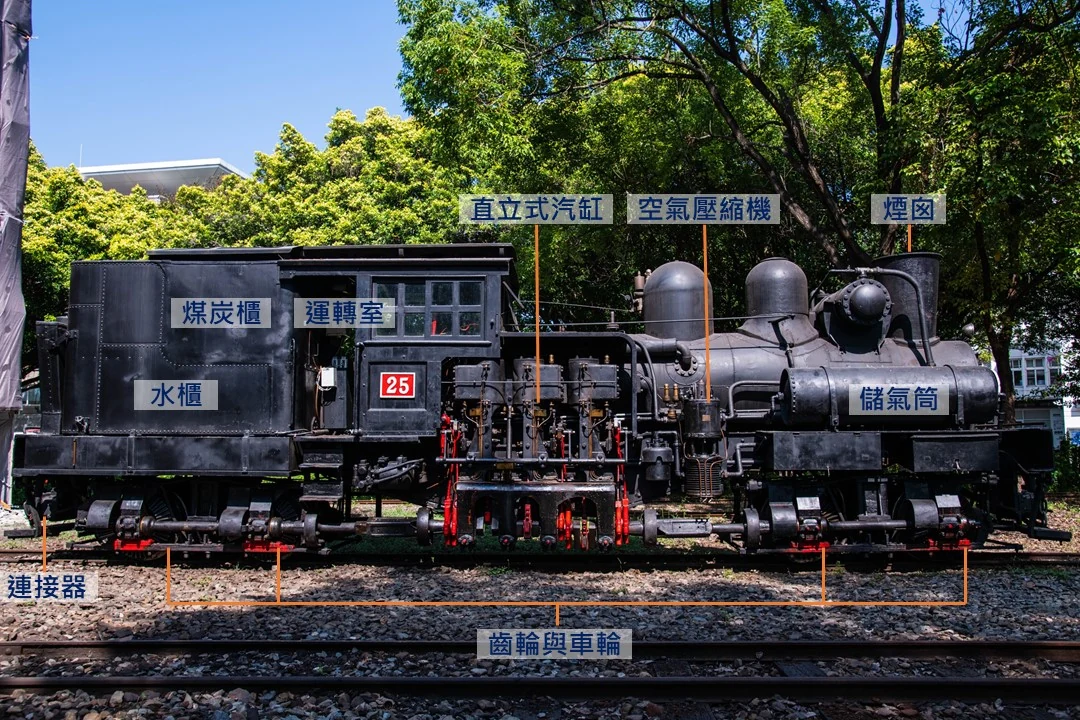
The Shay arrangement uses upright cylinders, bevel gears and flexible transmission joints suited to a mountain line’s curves and grades. In a side view, the engine’s route from steam power to wheels is more legible than in a head-on souvenir photograph. The railway’s annotated photograph identifies the machinery without requiring visitors to approach a working locomotive.
Compare an overall view with the labelled mechanism. Ask where heat is produced, where steam does its work and how the wheels receive power. Those three questions connect a visible engine to the work of drivers and repairers. They also make the unusual form meaningful: this is a machine whose construction answers the demands of a particular railway.
A workshop’s public edge is a useful destination
Chiayi Garage Park grew from Beimen’s repair works, which formally opened in 1912. Its public area offers a way to see the railway’s preserved vehicles without treating every visit as a special-train booking. Look for a vehicle number first, then its displayed status and machinery. A stationary engine can still tell a substantial story when you know what had to happen for another engine to move.
The park is not permission to enter offices or the active repair area. A guided visit can provide context, and the authority requires an application fourteen days ahead. Keep the blossom journey as a dated chapter, then let the workshop story guide a visit that is possible beyond the flowering season. The spring image lasts longer when it also carries the names of those who kept railway knowledge in use.