
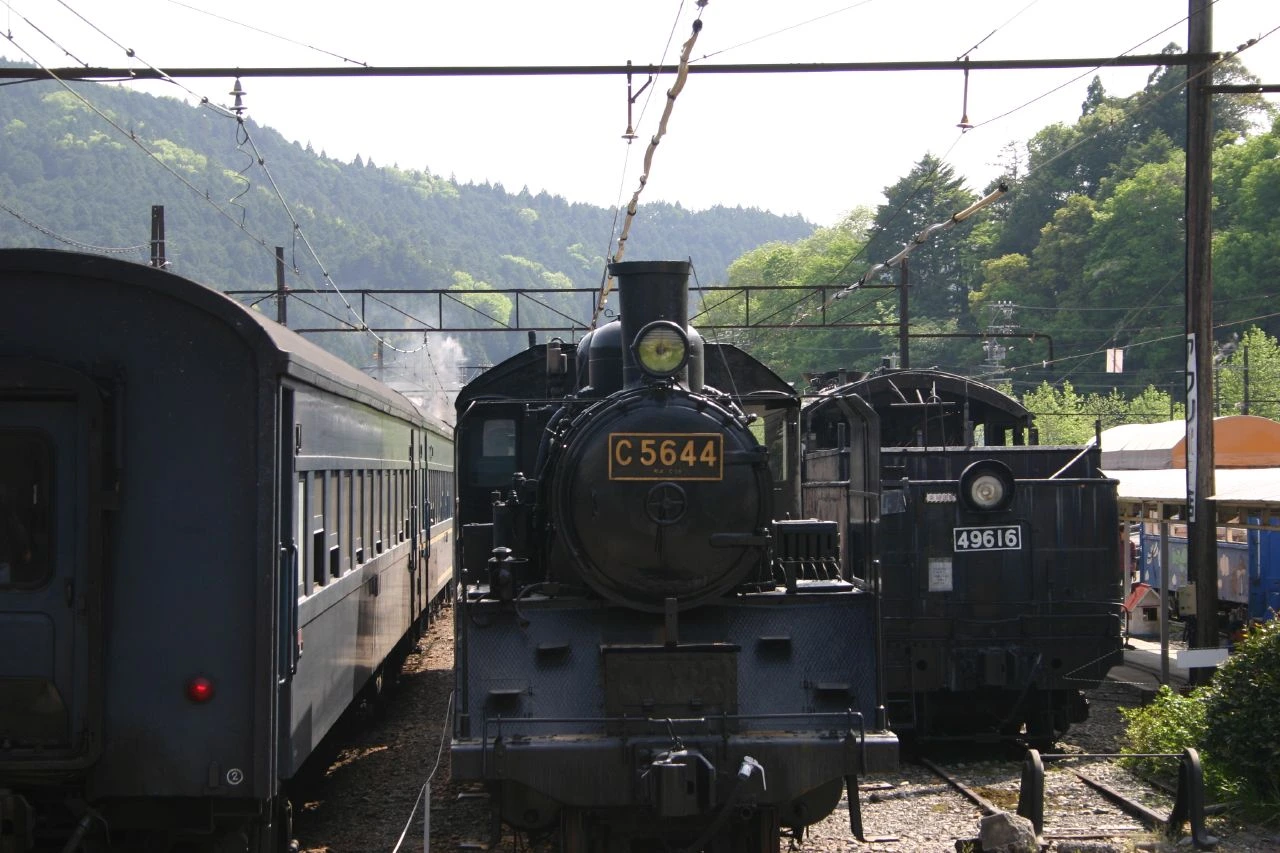
The Japanese train leads somewhere else
Oigawa Railway’s preserved steam locomotives make the train itself a reason to travel in Shizuoka. Its sister railway in Taiwan began with a different purpose: carrying timber out of Alishan. Railway landscapes that travellers enjoy today grew from industrial work, before sightseeing became a central use.
The Alishan authority records a turn toward tourism in 1963 and a sharp fall in passengers after the highway opened in 1982. A line could survive physically while losing the reason people chose it. The challenge was therefore also about services, memories and the experience offered to a visitor.
Two days, two places, one agreement
On 24 January 1986, a ceremony took place at Beimen Station in Chiayi. The formal signing followed on 25 January at the Forestry Bureau in Taipei. Hsu Chi-yu and Oigawa president Taizo Goto signed the agreement. For Alishan, this was its first international sister-railway partnership.
Afterward, the relationship continued through visits and professional exchanges. Vehicle maintenance, operating management, mountain safety and cultural preservation belong to the work documented by the railway authority. A partnership reaches a passenger through such practical decisions long after the signing photograph has been taken.
A familiar livery crosses the sea
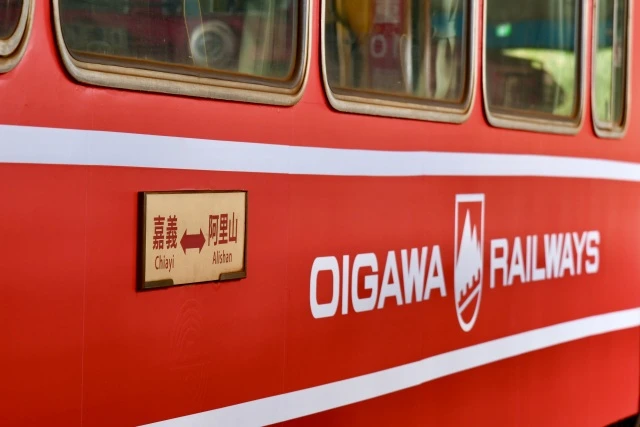
For the fortieth anniversary in 2026, Alishan introduced a four-car Alishan Express livery based on Oigawa’s Ikawa Line. The railway announced operation from 23 January. Red-and-white graphics and the Oigawa name turn a railway-to-railway relationship into something a passenger can recognise on the side of a train.
The anniversary also included a specified ticket-exchange programme. A used pass could prompt another journey, provided its type and the current programme conditions matched. The paper ticket and the painted carriage do different jobs: one encourages a return across the sea; the other makes the connection visible during a trip.
Chiayi shows the work behind a mountain journey
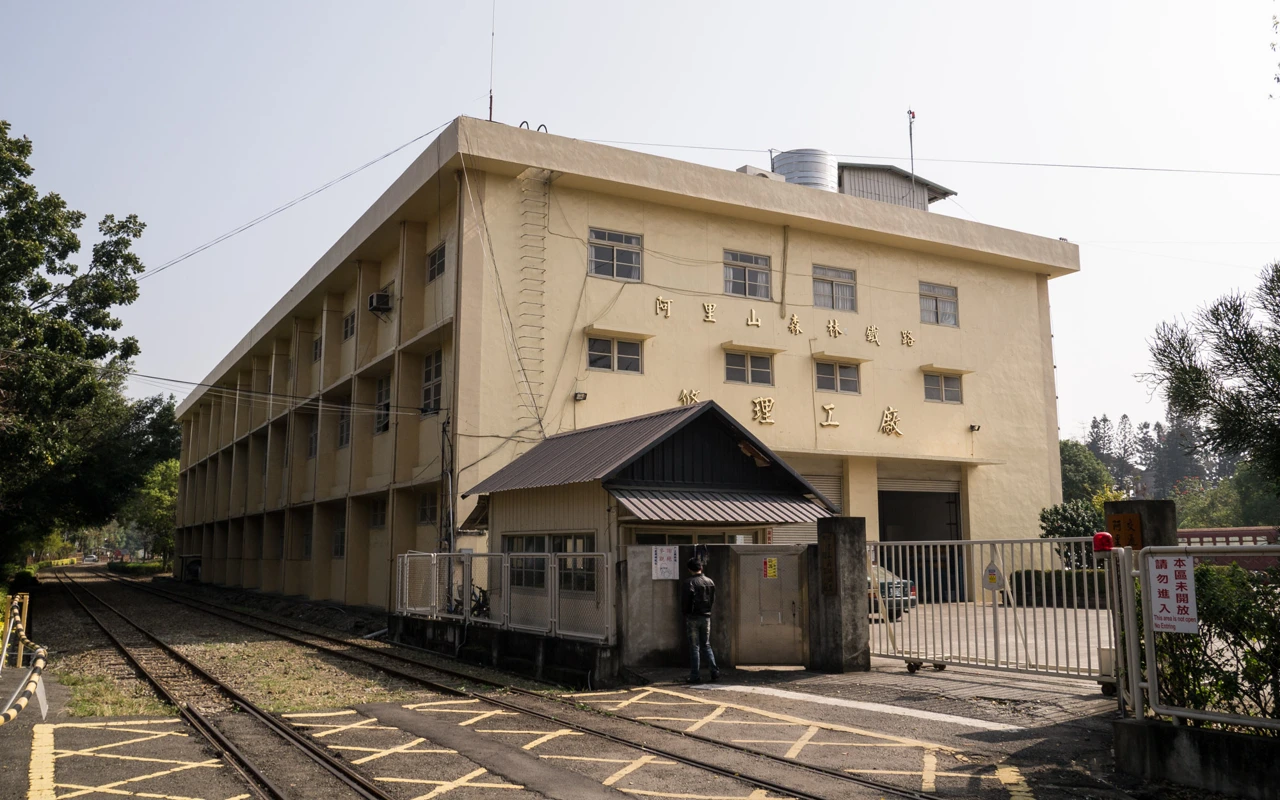
The workshop photograph from 2015 shows another face of railway culture. Tracks lead into a building for repairing vehicles rather than simply framing a scenic view. A journey depends on places where equipment can be inspected and repaired. Reading the workshop beside the anniversary carriage brings maintenance into the story of preservation.
Today’s Beimen passenger station has operated at its new address since 26 December 2023. The current station, the old buildings and the repair sites serve different purposes. Begin in the publicly accessible passenger and cultural areas, noticing how ticket information, materials and platforms introduce the railway to people arriving from the city.
Give the city and the mountain their own time
Chiayi is a good place to begin with the railway’s working landscape. An Alishan trip is a separate mountain journey requiring a current service and return plan. The city and the mountain explain different parts of the same history; treating them as separate visits lets each remain readable.
At Alishan, use the railway and recreation area’s open routes to notice the relationship between stations, forest and visitor movement. At Beimen, look at the spaces that prepare and receive a journey. The agreement from Shizuoka becomes tangible in Taiwan through both—the place people travel to, and the work that makes their travel possible.