
An Osaka train carried an invitation to Taiwan
A market on an Osaka platform leads to an older history of making and ordering railway vehicles in Taipei.
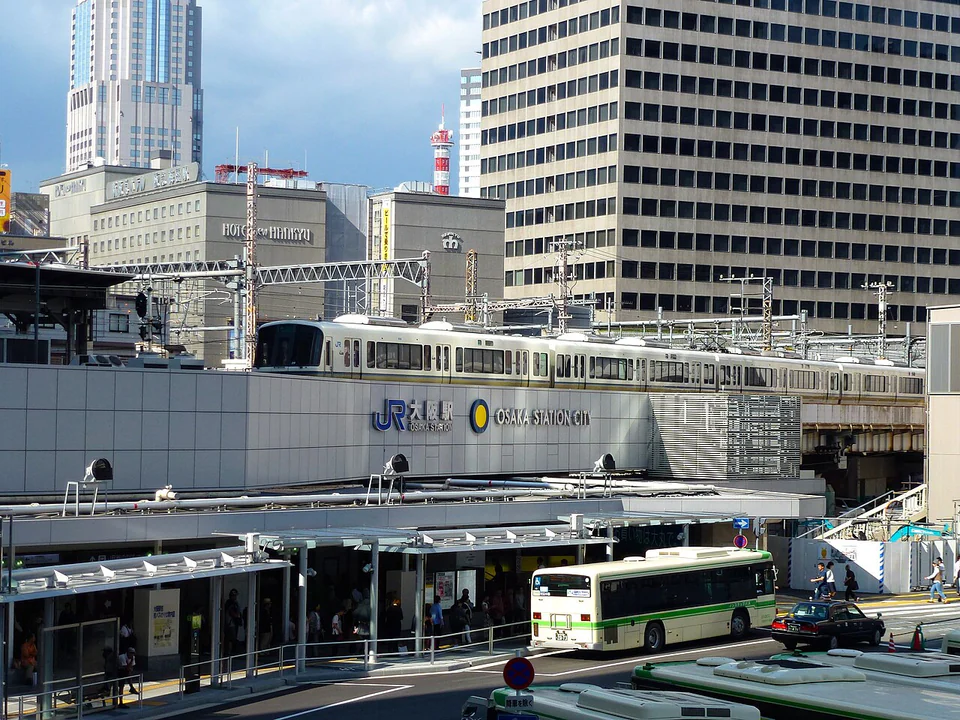
An invitation for platform nine
An August 2025 announcement invited visitors to a Taiwan market inside a stationary train at Osaka-Uehommachi’s platform nine on 31 August. Tea, pineapple cakes, books and market bags were on the programme, alongside erhu music and cultural talks. A familiar boarding place was being proposed as an encounter with another country.
The invitation used the carriage and platform people already knew. It scheduled a one-day market, followed by a Taipei-themed train from September. The announcement tells us how the organisers wanted to introduce Taiwan; it does not record every activity’s later outcome.
The invitation travelled along the line
Taipei Metro and Kintetsu had made a friendship agreement in 2024. The themed train was announced for the Osaka-Uehommachi–Isuzugawa section, with operation planned until around December 2028. That planned period is not confirmation of a particular departure today.
A passenger could meet images of Taipei while making an ordinary trip. Travelling to Taiwan then changes the encounter: the city on a carriage becomes a place reached by its own railway network.
Goods waited; the workshop had work to do
Before a train carried pictures inviting Osaka passengers to Taiwan, another connection answered a transport problem on the island. The National Railway Museum records freight congestion in 1917, when wartime commercial opportunities outstripped railway capacity. In 1919 the Taipei Workshop built 250 freight wagons and ordered another 150 in total from companies in Osaka and Nagoya. Overseas purchases supplemented work already being done in Taiwan.
That workshop was not simply a place where imported machines arrived. In 1908 it employed 504 people, three quarters of them Taiwanese. Its trades included metalworking, woodworking and painting. The numbers help restore workers to the export-and-import story: moving goods depended on making vehicles usable, then keeping them in service. The combined 150-wagon order cannot be attributed entirely to Osaka, and these industrial dealings were separate from today’s tourism partnership.
The train needed people behind the timetable
At Taipei’s Beimen, the Railway Department Park preserves railway administration, while the nearby historical workshop tells a maintenance and manufacture history. The park opened as a museum in July 2020. Offices and workshops supported different parts of making travel possible.
Choose a route map or vehicle display and follow one practical question: what had to be arranged before a train could leave? It brings the workers back into a story easily dominated by machines and station names.
Beimen and the later Songshan railway factory are distinct places. The museum timeline records the Songshan works being completed in 1933. Reading the older workshop story at Beimen does not mean that the present National Railway Museum site is next door; visiting that site requires a separate journey.
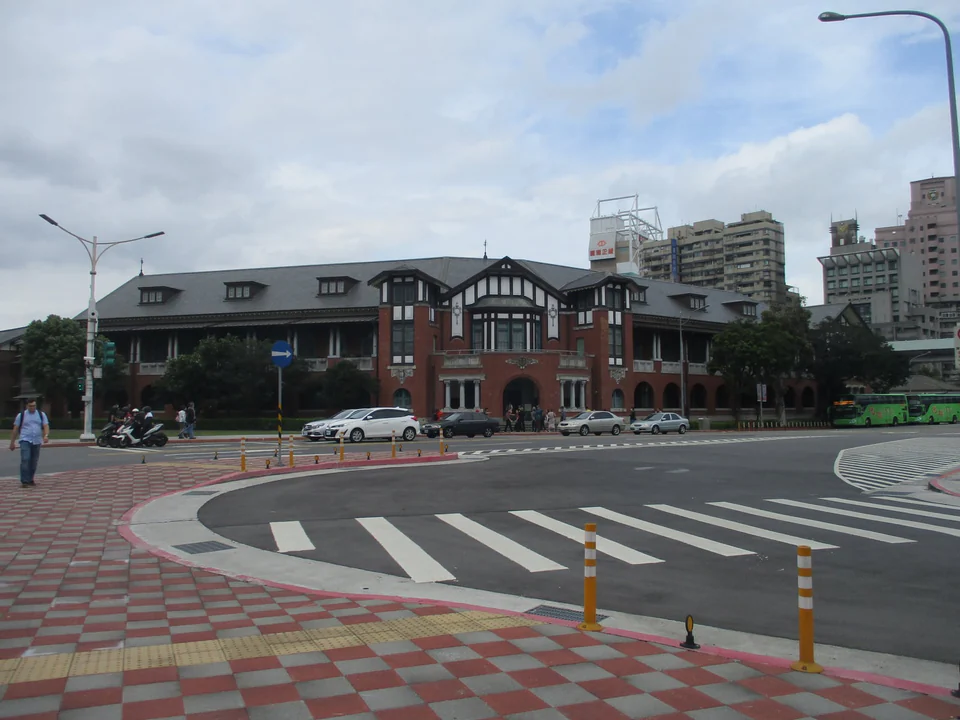
Step off at Beimen
The Osaka invitation placed Taiwan within a familiar carriage. Beimen answers with the less visible work of transport. Between the invitation and a journey’s destination, people have to make, repair and run the vehicles.
Taiwan places
Beimen: railway offices and workshop heritage
2–3 hours, museum visit included
Easy urban walk · road crossings
Take the Songshan–Xindian MRT line to Beimen. Visit the North Gate and Railway Department Park, then view Taipei Workshop from public space. Walk back to Beimen. MRT travel is extra.
Separate outing · Xiangshan hike
60–90 minutes · about 1.22 km; travel extra
Continuous stairs · more demanding than the cultural walk
From Beimen MRT, transfer at Zhongshan to the Tamsui–Xinyi line towards Xiangshan. Finish the hike and return to Xiangshan MRT; use the guide for the entrance and hill stops. This is a separate journey, not a continuous path from Beimen. Follow the guide’s start link for the onward connection to Yongchungang trailhead; the descent ends at Beixing Baogong before returning towards the MRT.