Caoling Trail: inscriptions and stone steps from Yuanwangkeng to Dali
Yuanwangkeng → Xiongzhen Manyan inscription → Tiger inscription and pass → Dali. This crosses from New Taipei to Yilan.
Official Danlan listing: about 6.2 km; station approaches separate
Source-listed distance, not a new measured total
Allow 4–5 hours for the crossing, plus transport
Editorial allowance, not a verified field time
Long stone steps, exposed pass and sustained descent
Information checked 2026-11-01; not live trail status.
Danlan crossing · travel between northern settlements
Context / separate visit; no forced continuous trail
Checked 1 November 2026: the management office’s 30 October update lists the northern, Dali and Daxi sections closed 22 October–13 November; Yuanwangkeng Water Park remains closed until further notice. A separate 24 October notice says the whole trail awaits repairs and a safety inspection. Postpone the crossing. A planned event date or the end of the listed period is not proof of reopening; wait for an explicit announcement.
Yuanwangkeng → Xiongzhen Manyan inscription → Tiger inscription and pass → Dali. This crosses from New Taipei to Yilan.
Official Danlan listing: about 6.2 km; station approaches separate
Accumulated ascent pending verification for this selected itinerary; summit elevation is not used as a substitute.
Yuanwangkeng · starting a crossing, not a loop
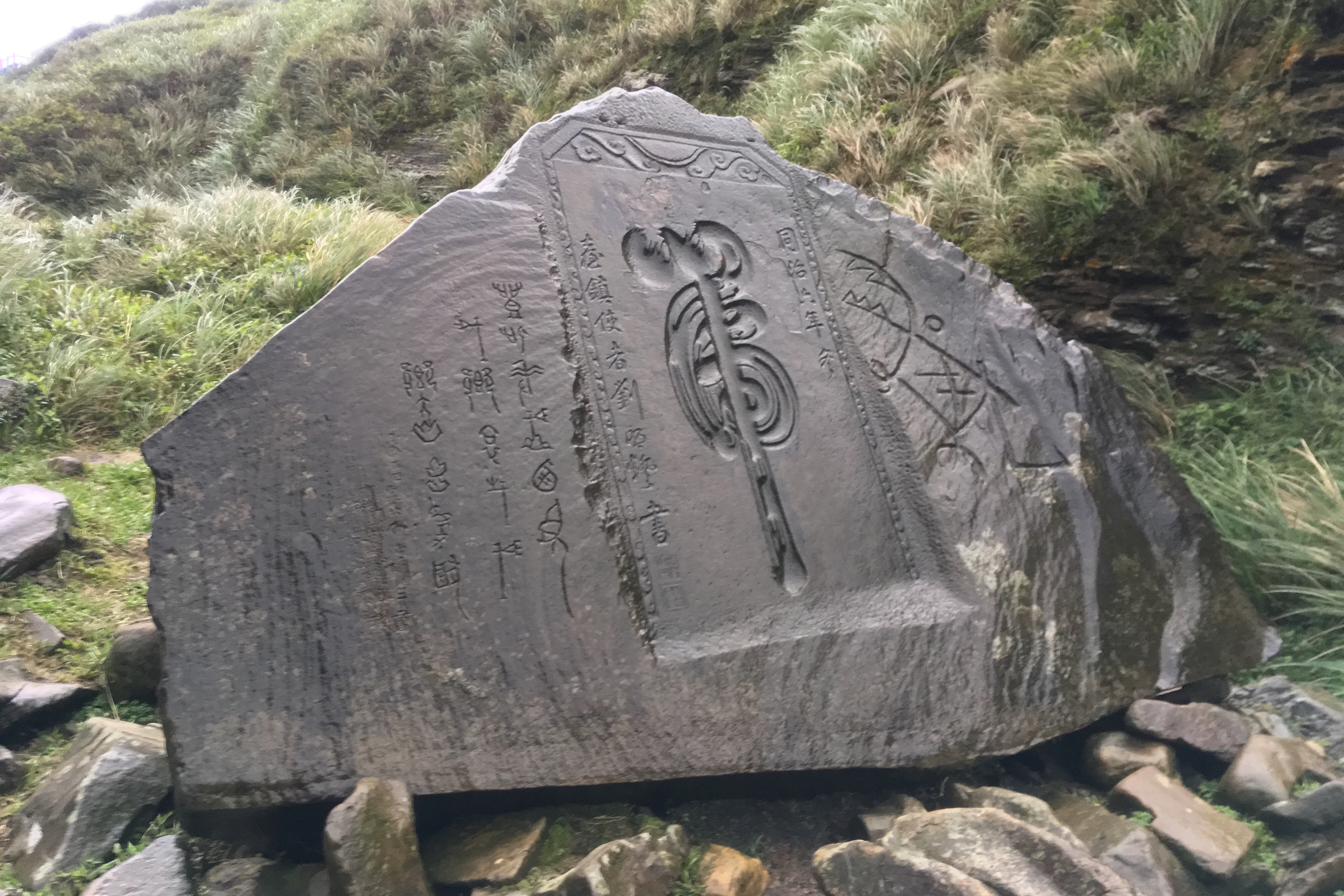
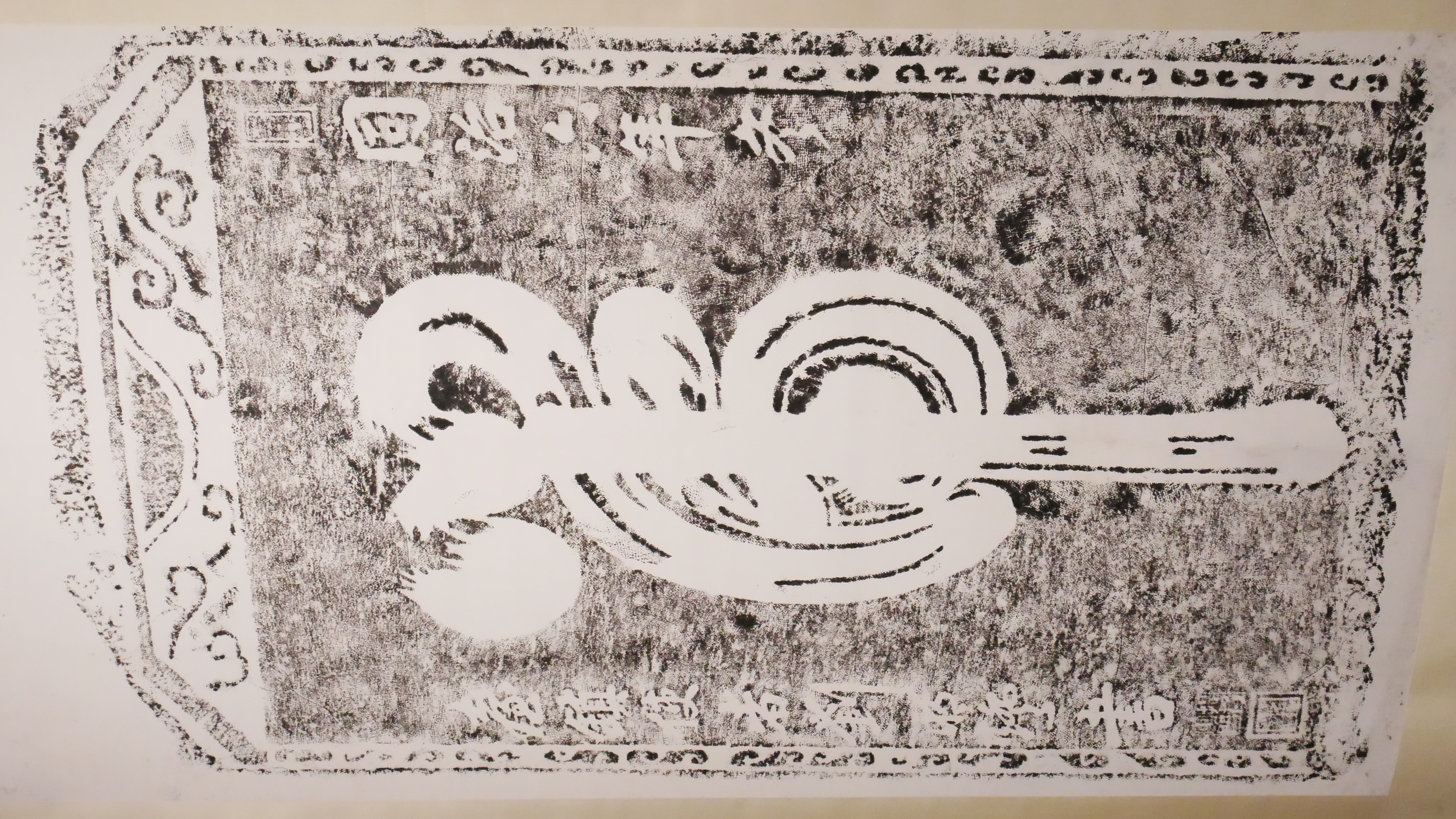
This itinerary leaves Yuanwangkeng and finishes at Dali, on the other side of the pass. Caoling belongs to the wider Danlan network of movement between settlements; walking it today is not the same as recreating one unchanging historic journey. Start by recognising the signed trail and the different outward and return stations. This page plans for a selected crossing of about 6.2 km; the Fulong approach and the link to Dali station are extra. The 8.5 km in the older trail description is not used as the distance of this selected itinerary. Long stone steps make a crossing more demanding than a level town walk. At the inscription sites, distinguish what is carved and historically recorded from later stories about its power.
Look at how the stepped path follows the valley and approaches the pass; read the inscription as an object in that landscape.
Reach Yuanwangkengkou using the day’s available service and keep time for its walking approach. Arrange your return from Dali, not Fulong.
Pass and Dali descent · keep the chosen exit
At the pass, the route opens toward the coast and then descends to Dali. Wind and low cloud can change the sense of distance quickly. The Tiger inscription is a visible landmark, while stories that attribute protective force to it belong to legend. The important route choice is the signed Dali descent: Taoyuan Valley is a separate extension and is not included. The descent still requires careful stepping and a clear return allowance. Finish the trail before completing the public approach to Dali station. A station shown near the coast does not mean that every train stops there or that a return vehicle is waiting.
Compare the wind-exposed pass and descending coastal slope; identify the Dali sign before pausing for the view.
Keep time for the station approach and your stopping train. Drivers need a separate car-retrieval plan because the crossing ends in another county.
Getting there and back
After reopening is confirmed, take a stopping train to Fulong, then check the day’s local bus service and its actual stop for the northern approach. The official attraction page separately describes a walk of about 4.5 km/one hour from Fulong station to Yuanwangkeng Water Park. This is an approach, not the mountain section. Do not depend on a seasonal shuttle as year-round transport.
The Dali-side trail entrance is by Qingyun Temple and Dali Visitor Center. The official page places Dali railway station about 400 m from the visitor center. Confirm stopping trains and the day’s final return connection in Taiwan Railways’ timetable before leaving; no train departure time has been verified for this article. A car left near Fulong also needs a retrieval plan.
Currently closed. Taoyuan Valley is a separate ridge extension; confirm reopening of the named sections before making any walking plan.
Danlan crossing · travel between northern settlements
Mountain landscape & local context
Stone steps and inscriptions place this crossing within the Danlan routes between settlements. Read the carved objects and the stories told about them as different kinds of evidence.
Inscriptions on a working route
Look at the inscription together with its slope and approach, rather than treating it as an isolated attraction. A path built for movement between settlements now also carries visitors who pause to read and look. Keep those pauses clear of the narrow steps.
The coast comes into view before the journey is finished. Keep the Dali descent as the selected exit, complete the station approach, and leave longer extensions such as Taoyuan Valley for a separate plan.
When trains changed the crossing
Today’s plan—approaching the trail from one station and returning from another—rests on a change in transport. Construction of the Yilan railway began in 1917. Easier sections on the plain opened first; coastal works and tunnels had to be completed before the whole line connected in December 1924. Lanyang Museum records an initial journey of about six hours, allowing Yilan residents to travel to Taipei and back within a day. Train schedules began to replace the time required to cross the mountains.
The Sandiaoling and Caoling tunnels cut through places where the earlier crossings had been difficult. The present trail still crosses the slope; the Old Caoling Tunnel is a separate transport structure. Similar names do not make them one route. That distinction helps explain how an everyday passage became a historic path people now set aside time to revisit.
Read inscriptions from the permitted path and keep room for people passing.