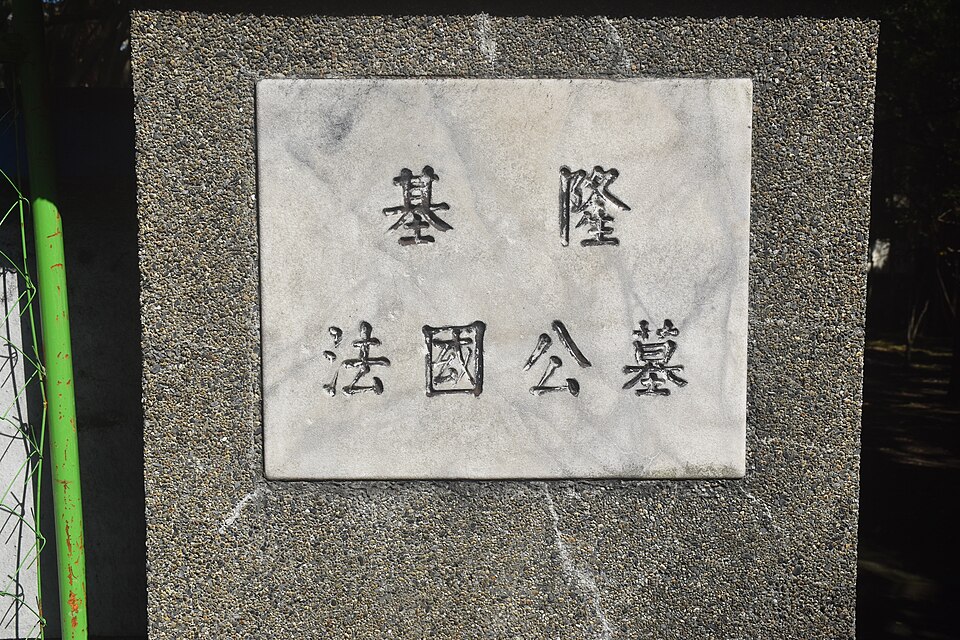
Keelung’s French cemetery: bread and wine give foreign dead a place
The Sino-French Memorial Park is a separate bus visit, not a stop on the mountain path.
The Sino-French Memorial Park is a separate bus visit, not a stop on the mountain path. Allow another 60–90 minutes for return travel and a quiet visit; buses listed by the city stop at Haimen Tianxian.
The French military cemetery is reached by a separate city journey. Its graves connect Keelung with the French expedition of 1884–1885, with lives lost to both fighting and illness. France’s defence remembrance site places the cemetery within the history of colonial expansion in East Asia. Seen from Keelung, it is also part of a city that had to live through the conflict.
The act of caring for the cemetery continued long after the troops left. The stones invite a slower kind of visit: read a date, notice a name, and remember that crossing the sea did not always lead to a homecoming. This is a memorial stop, not a battlefield attraction to hurry through.
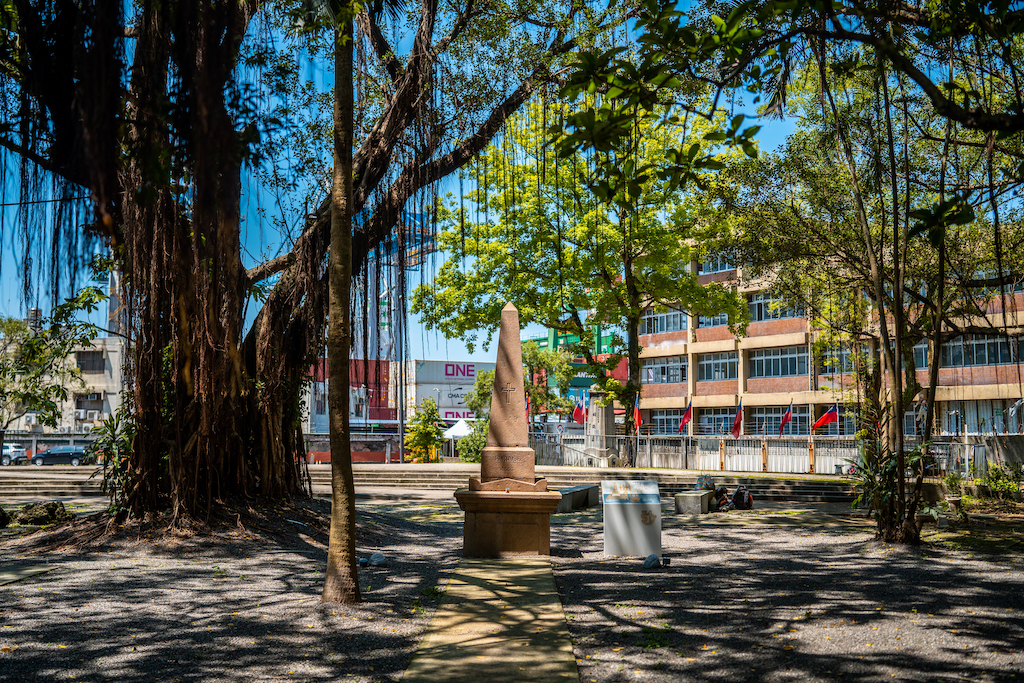
The cemetery’s stones were not all erected when the war ended. The city’s heritage account divides six memorials and four tombs into three phases: graves established by French forces at Dashawan in 1885; monuments commissioned through the Japanese government in 1909 and associated with the 1929 handover; and tombs transferred from Penghu in 1954 with a relocation inscription. The site also records later decisions about care and commemoration.
Materials make those differences tangible. Earlier sandstone bears weathering and fractures, while later work largely uses more resistant granite and andesite. Crosses, circles and inscriptions need to be read with each monument’s date. Ask whether a year records death, erection or relocation: 1954 is not the date of the battle, and the ordered space seen today should not be treated as an unchanged survival from 1885.
Bread and red wine at a Keelung cemetery
Bread, red wine and a paper warship appear in photographs of the 2020 Ghost Festival observance at Keelung’s French cemetery. Residents of Zhengsha prepared these offerings. For a French reader, the food may be familiar, while its place in a Taiwanese ritual for the dead may be unexpected.
The cemetery belongs to the history of the Sino-French War of 1884–85 and France’s colonial expeditions in East Asia. These soldiers had not come for cultural exchange; war and disease prevented them from returning home. In 1954, the remains of two officers were moved from Penghu to Keelung, bringing memories of different battle sites together.
Archivist Tsai Sheng-chang’s study and interview with Zhengsha village chief Yu Ming-fa document residents bringing the cemetery into local Ghost Festival observances. The offerings do not erase the war. They give foreign dead a place within residents’ own ritual practice; the paper vessel makes the wish for a return something people can prepare by hand.
Read the names on the graves and notice how the cemetery is cared for. It is a memorial space, and photographs of a festival do not mean an event takes place every day. If approaching this story through Hongdan Mountain, plan a separate visit: the cemetery is not the next stop along that trail.
Visiting and return
Arrange this as a separate visit and check the day’s opening arrangements and return transport. Location marker only, not a walking track; the visit is separate from the mountain route.
Junction of Zhongzheng Road and Donghai Street, Zhongzheng District, Keelung
The city lists the memorial as an open space available 24 hours. Respect temporary closures.
A memorial and burial site, visited separately from Hongdanshan. Do not climb monuments or disturb graves.
Check Keelung city buses 101, 103, 104, 105, 108 or 109, or Keelung Bus 802, to Haimen Tianxian stop.