Qiaotou Sugar Refinery: beyond the president’s hometown, who kept production going?
An industrial connection reaches beyond the mountain walk.
An industrial connection reaches beyond the mountain walk. Leave another day for Qiaotou, where the sugar industry opens a different view of Kaohsiung. Take Kaohsiung MRT to Ciaotou Sugar Refinery Station. Return by MRT.
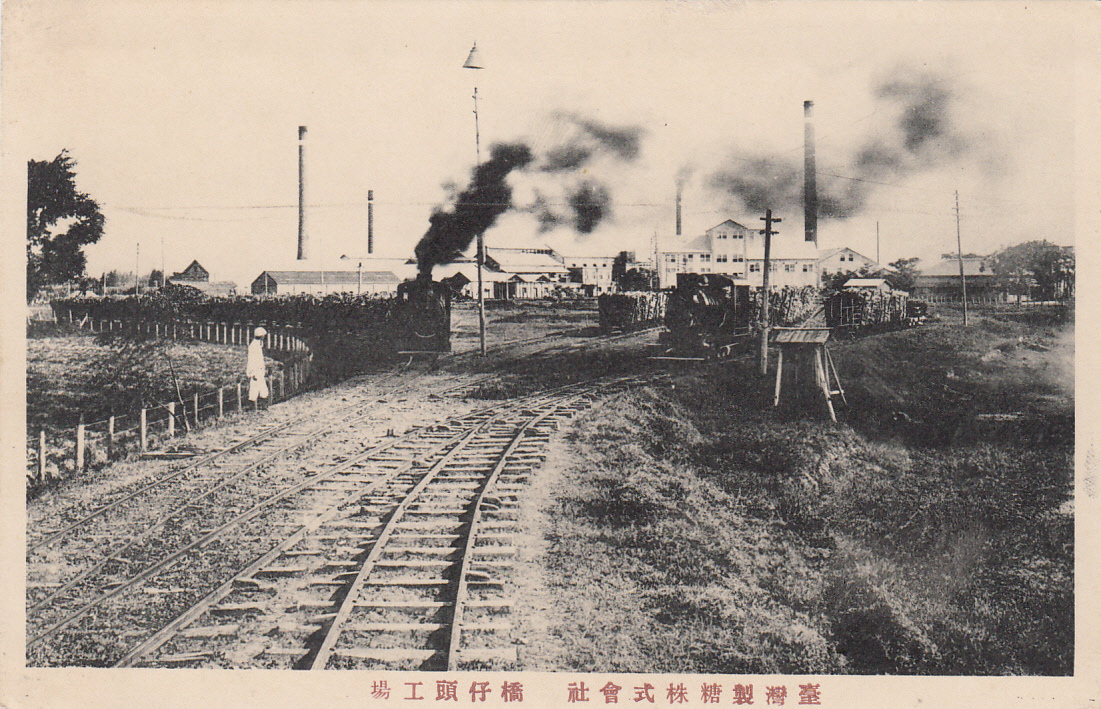
A separate MRT outing leads to Qiaotou’s sugar heritage. Morimachi in Shizuoka identifies its native son Suzuki Tōzaburō as the first president of Taiwan Sugar Manufacturing Company. That is a specific connection between a Japanese hometown and Taiwan’s industrial history. Visit the factory landscape with a further question: how did production organise the work of the people who grew, transported and processed cane?
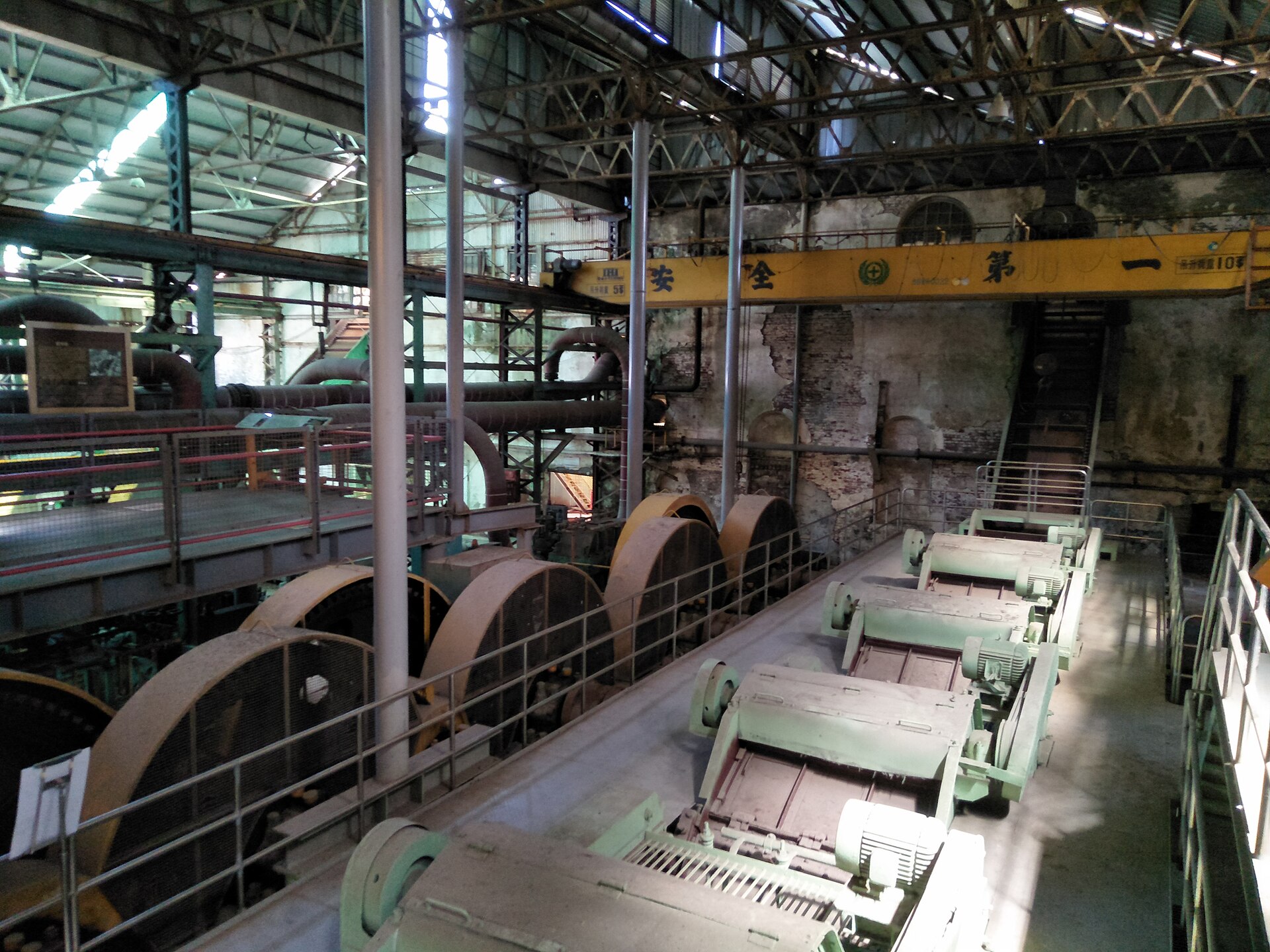
As refining expanded, sugar became an ordinary household seasoning in Meiji Japan. At Qiaotou, look beyond the machinery to the organisation of a factory town. Familiar sweetness was connected to Taiwan’s cane fields and colonial industry, and to the people whose work kept production going.
A sugar factory is more than its presses. Taisugar’s site account places the production works alongside wooden houses, air-raid shelters and a red-brick water tower. Production, residence, water supply and protection left different traces within one industrial settlement. Read building names before treating offices, homes and factory rooms as interchangeable old houses.
The raised bases, verandas and repeated arches of the estate office and clubhouse differ from both Japanese-style wooden residences and industrial buildings. Comparing entrances, bases and corridors helps reveal the work and domestic arrangements supporting a factory. Artworks from later reuse form another layer; they should not all be assumed to have been present during sugar production.
Mori meets Qiaotou beside a bronze Guanyin
On 15 November 2024, Shizuoka’s Taiwan representative Minako Ichikawa attended a Qiaotou exhibition about Suzuki Tozaburo. Her report singles out a scene: Mori mayor Yasuo Ota and people from Taiwan’s sugar industry joined in prayer before a dark bronze Guanyin. The opening became a present-day encounter with the factory’s memories.
Suzuki came from Mori, developed sugar-processing technology and became the first president of Taiwan Sugar Manufacturing Company. He provides a specific connection between Mori and Qiaotou. For a Japanese visitor, a businessman encountered in a hometown history enters a different context in Taiwan: the production system of a colonial sugar industry.
Guanyin, the factory and the exhibition bring worship, work and later remembrance into view. Alongside the president’s name, ask how cane reached the factory, who operated the machinery and whose work is remembered. A Japanese hometown’s account of a successful industrialist opens one part of the history; it cannot stand in for Taiwanese farmers’ and workers’ experiences.
The announced exhibition period ran through 27 May 2025. Ichikawa’s account adds a recent encounter to Mori’s relationship with Qiaotou. At the site, consider how industrial spaces and devotional objects accommodate work, worship and remembrance. Consult the venue’s current notices for visits.
Visiting and return
Arrange this as a separate visit and check the day’s opening arrangements and return transport.
24 Tangchang Road, Qiaotou District, Kaohsiung
Indoor exhibition halls 09:00–16:30; official suspension-of-work days and special closures apply. Shops have different hours.
Use designated museum and park spaces. Guided tours need booking; the narrow-gauge train has separate operating arrangements.
Take the Kaohsiung MRT Red Line to Qiaotou Sugar Refinery station. TRA Qiaotou station is another arrival option; allow the onward connection.