Hsinchu glass: a city gate and rice noodles take a different material form
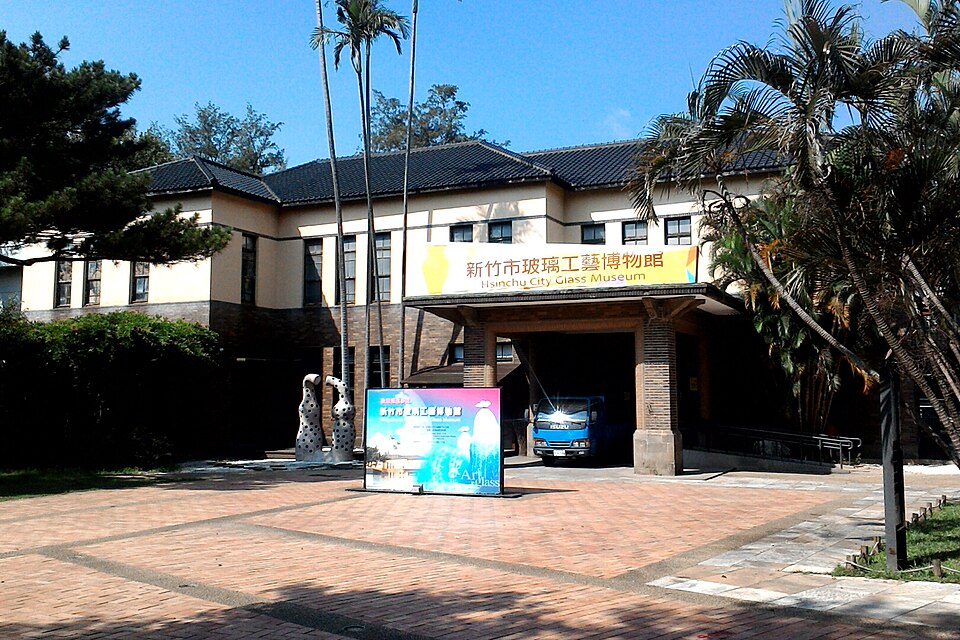
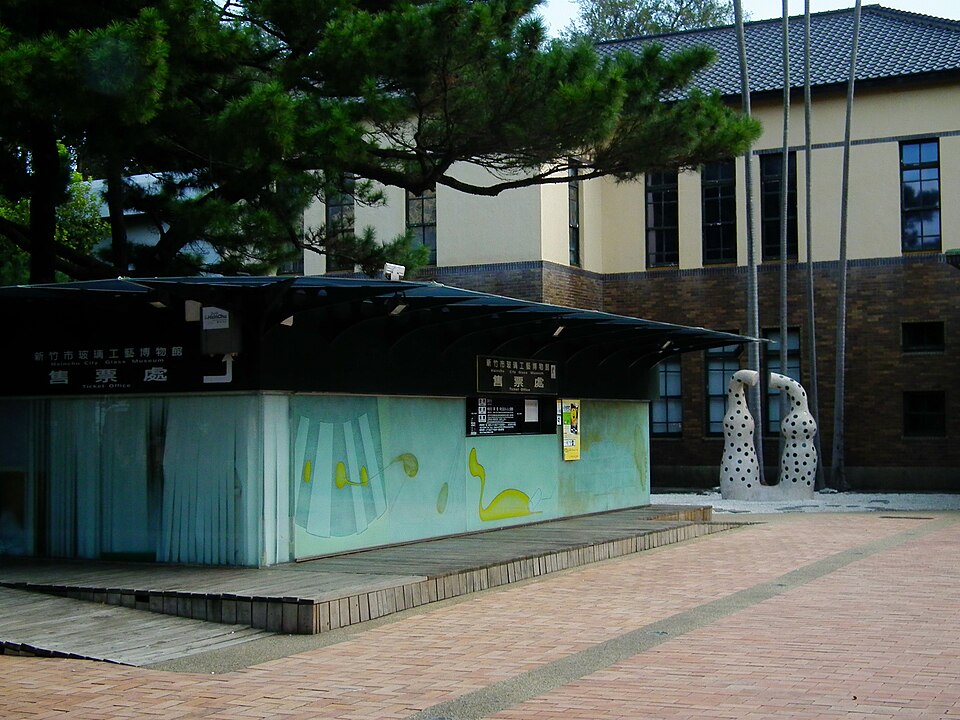
A separate visit to the park and Glass Museum connects everyday recreation with local craft.
Finish the forest crossing first, then follow public streets to Hsinchu Park. Glass craft offers a different view of the city from its familiar technology image. Museum admission depends on opening arrangements; the surrounding park can be considered separately.
A named collection object offers another way into the craft. Hsinchu’s catalogue records Liu Jui-tien’s “Fantastic Splendour” (奇幻風華), accession 20100010016, as borosilicate glass, describing blowing, transparency and symmetrical openings. Alongside asking what a work resembles, compare solid and hollow areas, outlines and spaces. A collection record does not establish that the object is on display today.
The explanation distinguishes blowing, which shapes the glass, from subsequent annealing: gradual cooling reduces internal stress. A transparent surface alone does not reveal its heating, shaping and cooling history. Reading technique labels with that distinction separates a work’s imagery from its making. The city gate and rice noodles shown in Toyama, discussed earlier, remain different works from this collection object.
A city gate and rice noodles, remade in glass
In Toyama, glass may first suggest light, transparency and craftsmanship. When Hsinchu works were exhibited at Toyama Glass Art Museum in 2025, Shao Tsun-han offered a city gate and books. His cast-glass work, “Historical Brick City I,” reinterpreted Hsinchu’s East Gate as an object to examine closely. A visitor could encounter the Taiwanese city through a work before learning its geography.
Hsu Yuan-jung used drawn-glass strands to evoke rice noodles in “Wind City Rice Noodle Affection,” while Hsiao Ming-tun brought Hakka tung blossoms into his work. These artists selected architecture, food and local culture, rather than demonstrating technique alone. Readers familiar with Toyama’s craft encounter how Hsinchu artists choose images of their own place.
Back in Hsinchu, return those subjects to the city. The East Gate stands amid streets and traffic; rice noodles are made and eaten; blossoms belong to local life. At the Glass Museum, consider how technique changes these images. The Toyama exhibition was a 2025 event; present displays should be checked against the museum’s current programme.
Visiting and return
Museum: 2 Dongda Road Section 1, Hsinchu. Check opening before visiting; city walking and museum time are outside the trail distance.