Fenggui: From the Sea into the Village
From basalt shores and lanes to fishing work and temple courtyards, meet Fenggui as a lived-in coastal village.
90 seconds · English captions in the film; optional English and Traditional Chinese CC.
Film sources and complete bilingual captions
Selected from the National Academy of Marine Research Fenggui documentary uploaded on 6 November 2026. The upload date is not a verified filming date for each scene. Only contemporary real scenes are used; historical film extracts, AI-animated old photographs and stills, old maps and interview name labels are excluded.
00:00:00,000 --> 00:00:07,500
Fenggui, a coastal village
in Taiwan's Penghu Islands.
風櫃,臺灣澎湖群島的一座海岸聚落。
00:00:07,500 --> 00:00:16,700
Basalt meets the waves
at the edge of the settlement.
聚落邊緣,玄武岩迎向海浪。
00:00:16,700 --> 00:00:23,200
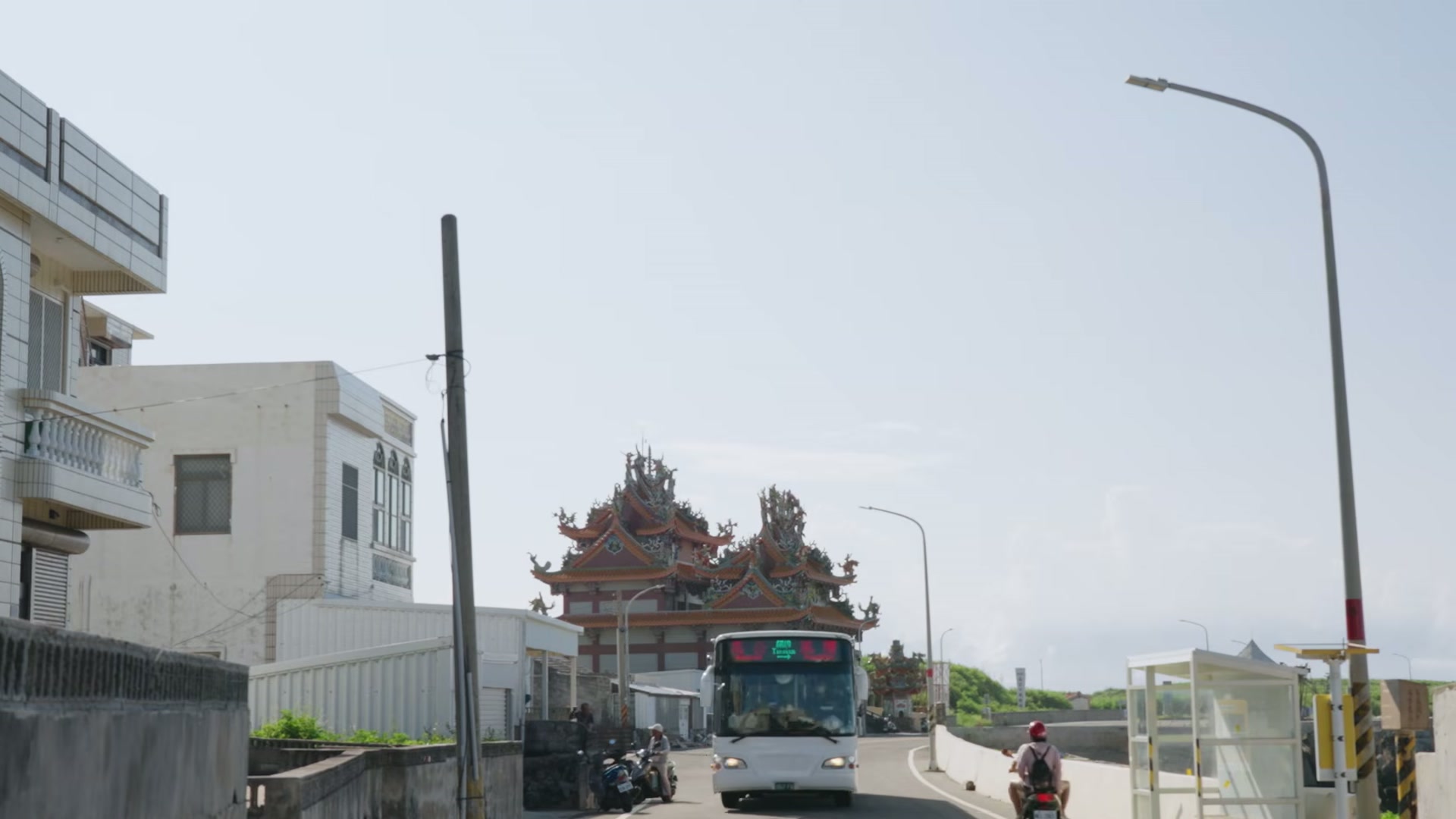
A bus passes homes
beside the sea.
公車沿著海邊的住家駛過。
00:00:23,200 --> 00:00:26,900
Stone walls frame
narrow lanes.
石牆之間,留著窄窄的巷道。
00:00:26,900 --> 00:00:35,600
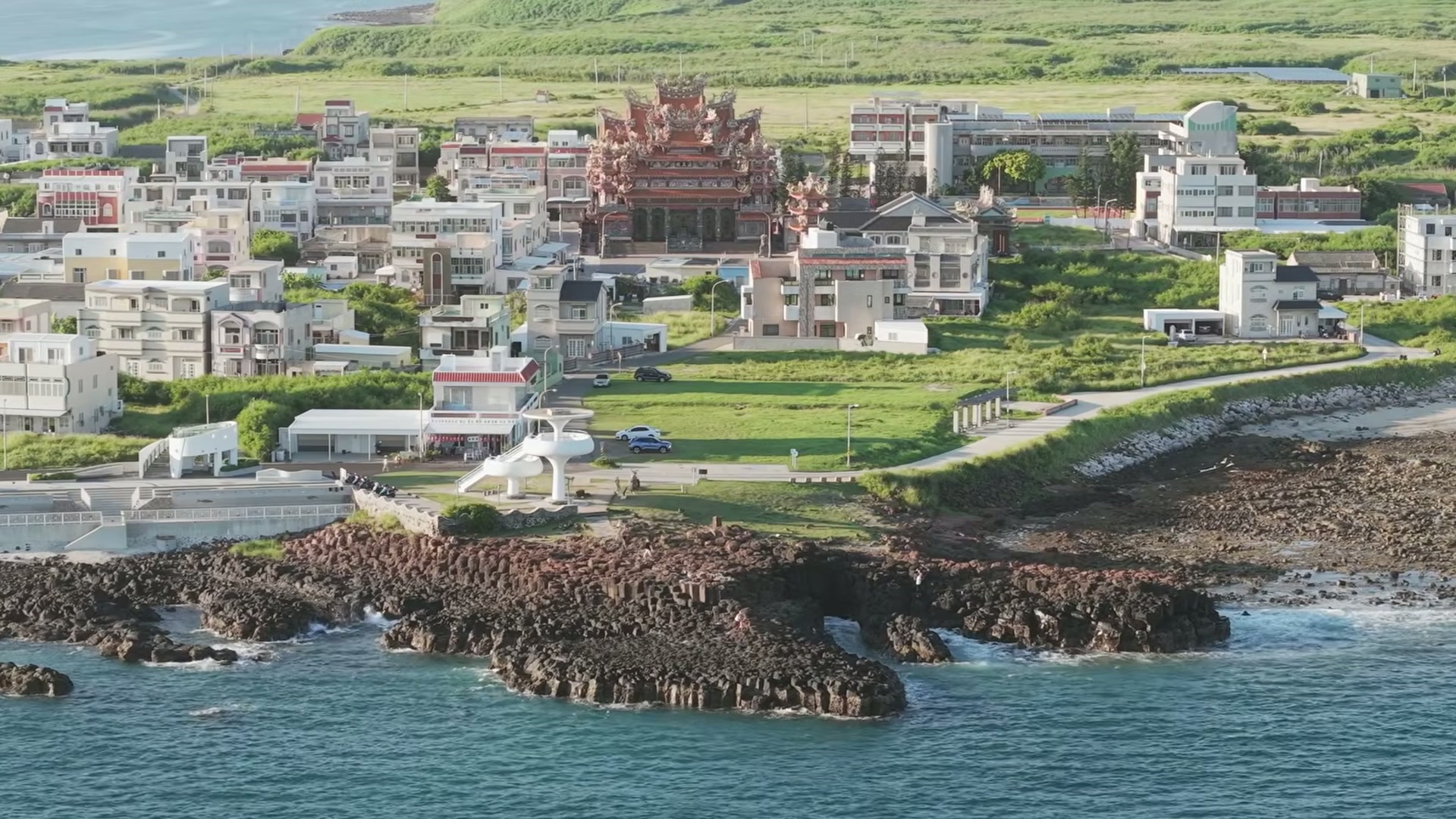
Houses and temple roofs
share the coastal edge.
住家與廟宇屋頂,一起靠著海岸。
00:00:35,600 --> 00:00:40,800
Inside the village,
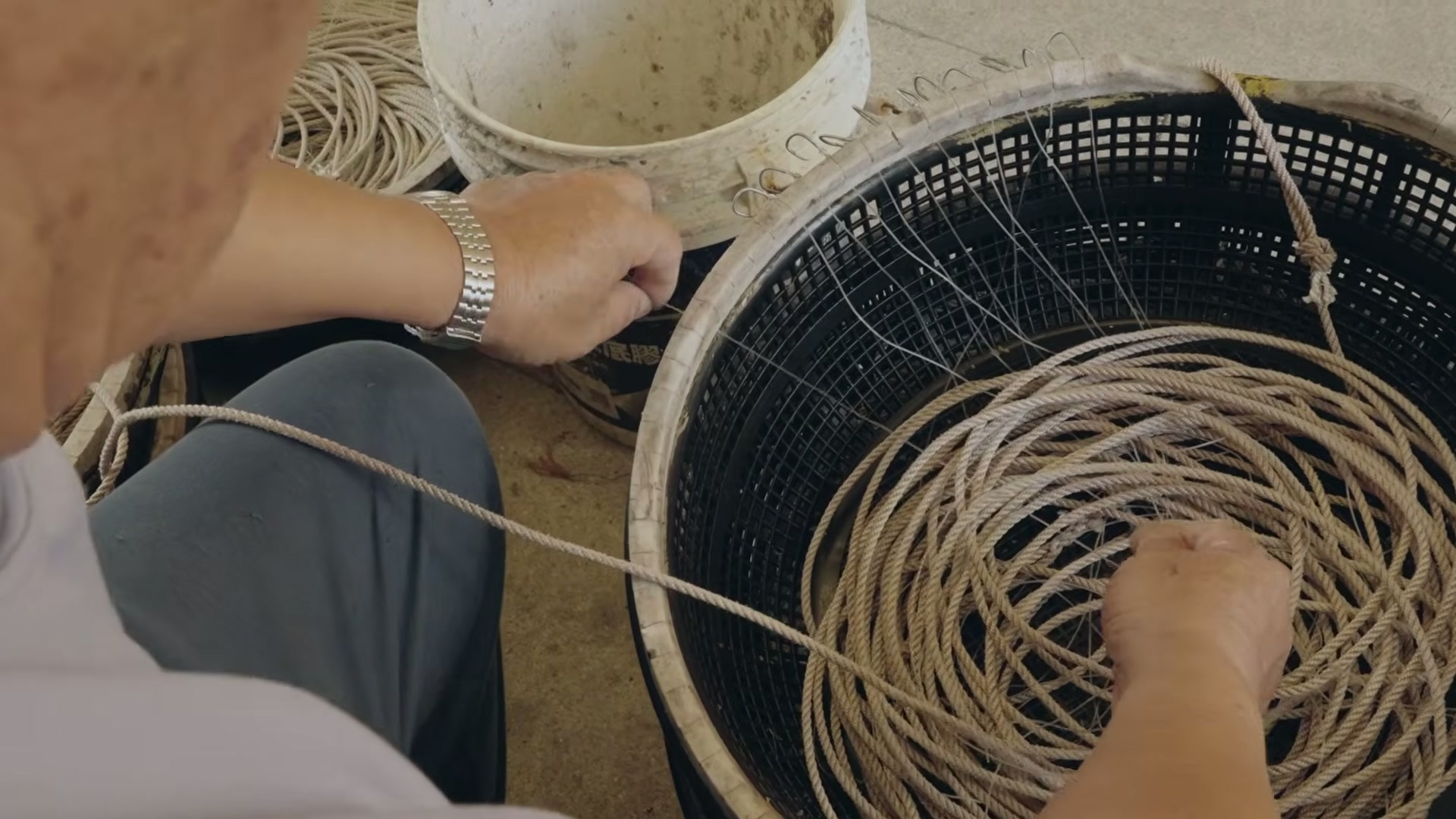
fishing lines are sorted by hand.
聚落裡,居民用雙手整理釣線。
00:00:40,800 --> 00:00:47,600
Coils are gathered
into round baskets.
一圈圈釣線,收入圓形籃中。
00:00:47,600 --> 00:00:54,400
Fingers guide the line
along the basket's rim.
手指沿著籃緣,引導線條。
00:00:54,400 --> 00:00:59,800
Rows of hooks
wait around the edge.
一排排魚鉤,依著籃緣排列。
00:00:59,800 --> 00:01:06,300
Beyond the shore,
a fishing boat crosses the water.
岸外,一艘漁船劃過水面。
00:01:06,300 --> 00:01:13,800
Temple courtyards and interiors
are part of village life.
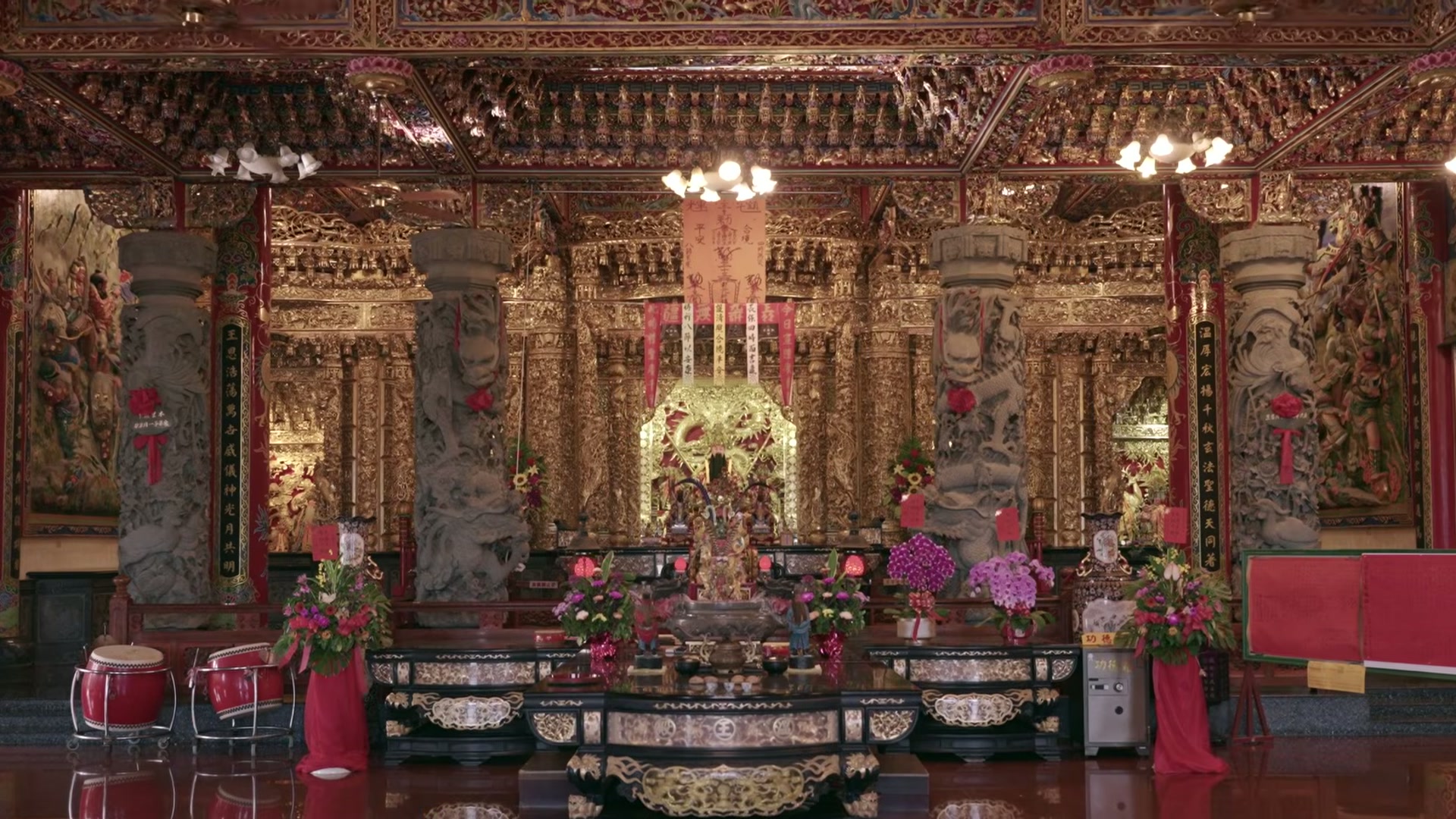
廟埕與殿內,也是聚落生活的一部分。
00:01:13,800 --> 00:01:18,900
Look up at the roofs
of Sanguan Temple.
抬頭,看看三官廟的層層屋頂。
00:01:18,900 --> 00:01:25,300
Here, streets and worship
remain close to the sea.
在這裡,街道與信仰仍貼近海洋。
00:01:25,300 --> 00:01:28,000
Fenggui, where the sea
stays in view.
風櫃,海一直在眼前。
00:01:28,000 --> 00:01:30,000
Taiwan, Layer by Layer
島嶼年輪
Fenggui to Magong: read settlement and harbour in two separate parts
Explore inhabited coastal streets, then return by bus to the harbour city.
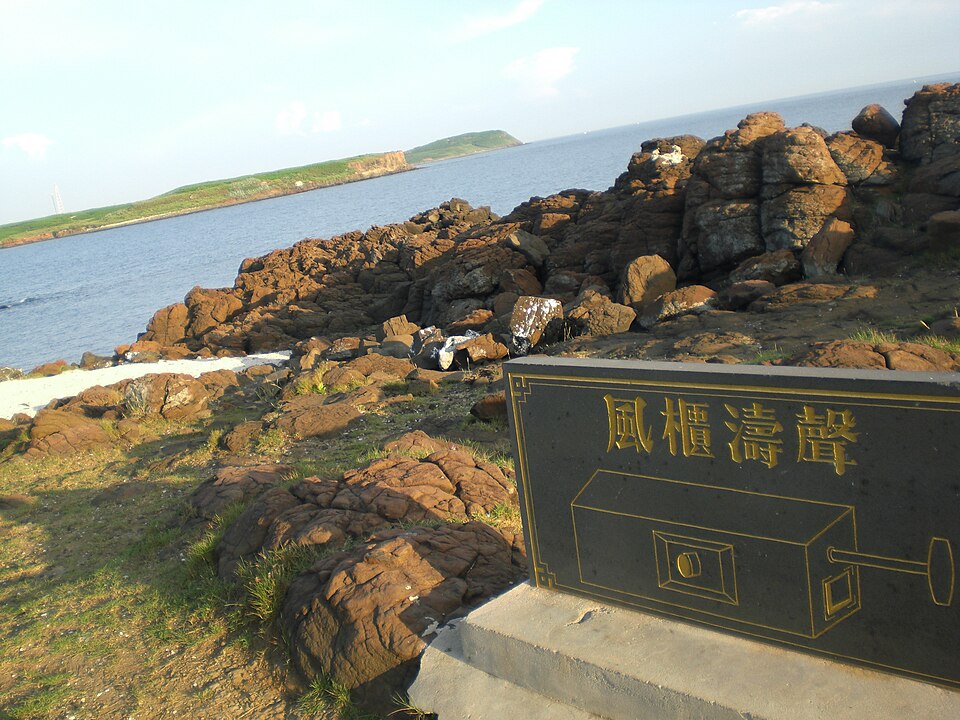
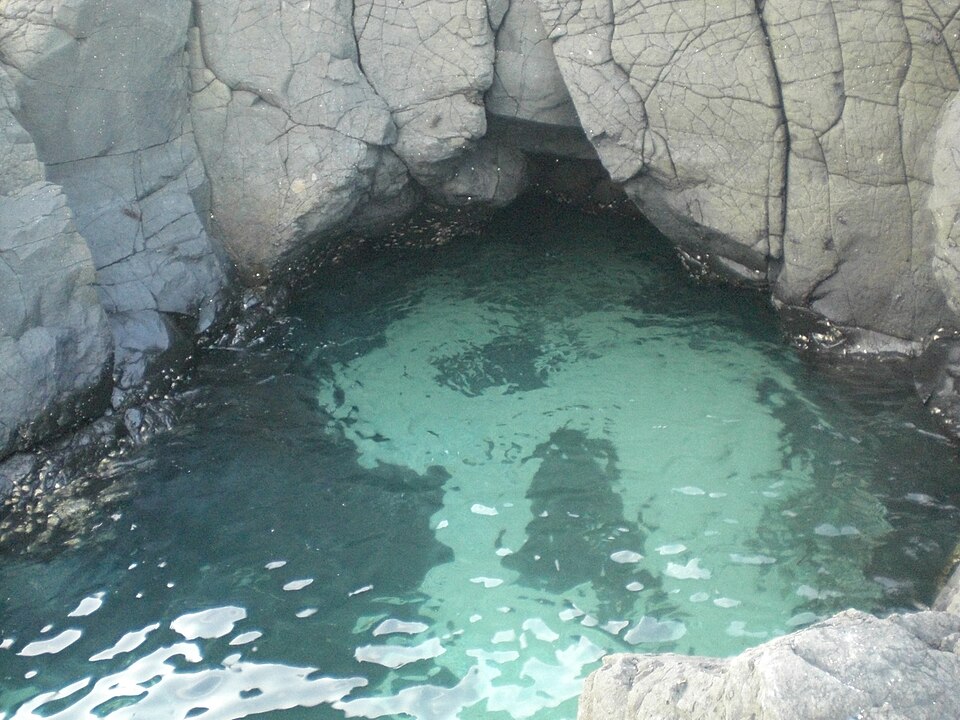
The memorial hill and Fenggui’s lived-in streets are different kinds of space. Observe temple approaches, houses and public routes without turning private doorways into attractions. Magong’s harbour streets are a further visit after the bus return, not a continuous footpath from the hill. The coast beside Fenggui also carries a sound formed by rock and waves. Well-developed columnar joints in basalt, worked by waves over time, form a narrow erosion channel and cave. Surf entering the cavity gives “listening to the waves at Fenggui” a physical setting. Spray additionally depends on wind strength, direction and tide; it is not a performance at a fixed daily hour. Locate the cave, residential streets and the memorial hill at Shetoushan separately rather than merging them into one photographic stop. Public spaces can explain how sound became associated with this coast without approaching a cave mouth to wait for large waves. Postpone seaside plans during typhoons or heavy seas, and keep private doorways within the living neighbourhood clear.
Visiting and return
Keep residential and temple entrances clear. Fenggui and Magong visits are linked by the bus journey; stay on public paths and avoid unsafe coast in strong winds.
Separate visits to Fenggui’s public settlement streets and Magong’s harbour streets, linked by transport rather than a continuous coastal walk.
Keep residential and temple approaches clear. Private interiors and temple access follow local arrangements; check temporary coastal restrictions and avoid exposed rock in strong winds.
Plan Fenggui and Magong as separate visits. Check current bus stops, outward and return services and the last bus before departure; the rocky shore is not their walking connection.
1. See the sea, and the homes beside it
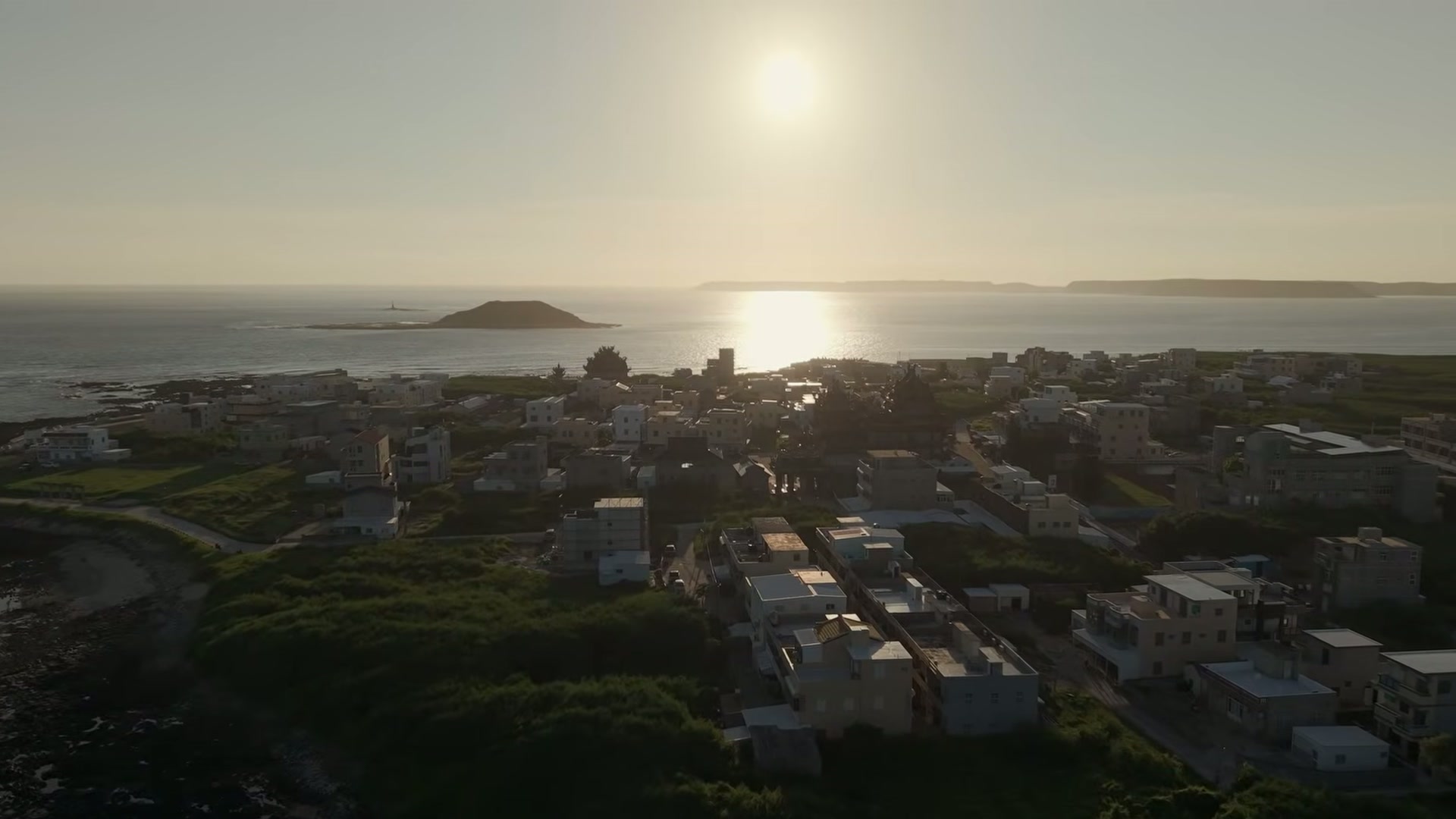
From offshore, Fenggui brings dark rocks, a road, pale houses and temple roofs into one view. This Penghu settlement is more than a cave mouth: ordinary life continues behind the coast, and streets lead to people’s homes. Begin with those relationships before looking at individual details.
The basalt along the southern coast has well-developed columnar joints. Tourism Administration material describes how waves eroded channels and caves, where moving water and air produce sound. This explains the landscape behind “listening to the waves at Fenggui.” Wind, waves and tides do not perform to a visitor’s timetable, and the rocks are not an invitation to approach the water.
2. Leave room for life in the lanes
A bus passes homes beside the sea, while walls frame short lanes. Stone, plaster, roofs and wires make up the streetscape. Notice the widths of the roads and how small lanes connect to larger public streets.
Distinguish Fenggui village, its cave and Shetou Hill as separate places. Magong’s harbour streets are another visit after travelling back to town. Keep to public paths and leave home entrances, temple forecourts and vehicle access available to their everyday users.
3. A basket of line, and the hands that know it
Inside the village, attention settles on hands sorting fishing line. It is lifted, separated and coiled back into round baskets, with metal hooks arranged along the rims. The relationship between hands, line and basket makes maritime work tangible and gives the eye time to slow down.
The National Academy of Marine Research’s Fenggui documentary records elders’ memories of marine life, including longline fishing. Everyday work is not automatically a visitor activity. If you encounter people working, keep a respectful distance and value their time.
4. Another everyday space, the temple forecourt
People sit before a temple while scooters stand nearby. Inside are columns, carving, an altar and flowers. These visible details show a place beyond its facade: it connects with spaces where residents pause, talk and pass through, alongside the homes and roads of the village.
Look up at Sanguan Temple, where layered roofs draw the outline toward the sky. Different temples have their own interiors, forecourts and facades. Take time to distinguish them. Enter according to local arrangements and keep worshippers’ routes clear.
5. Let the sea remain in view
Finish by looking farther out. A small temple and road follow the shore while houses extend inland. At sunset, the rooftops remain surrounded by the same sea. Moving from rock to lane, from fishing line back to open water, leaves a relationship in view: village life and the sea stay close.
Before a real visit, check weather and temporary coastal restrictions. Change plans in strong wind or heavy seas; do not wait at a cave mouth for waves or judge safety from where people stand in a film. To continue to Magong harbour, separately confirm current bus stops, outward and return services and the last departure, allowing time for each visit.
Article, image and music sources
Selected from the National Academy of Marine Research Fenggui documentary uploaded on 6 November 2026. The upload date is not a verified filming date for each scene. Only contemporary real scenes are used; historical film extracts, AI-animated old photographs and stills, old maps and interview name labels are excluded.
- National Academy of Marine Research: documentary premiere and Fenggui walk
- National Academy of Marine Research: original Fenggui documentary
- Tourism Administration / Penghu National Scenic Area: Fenggui Cave
- Islandlayers: existing Fenggui parent article
Music: 跨海的一段路 · AI-generated instrumental.