Fengtian Temple: Between Hill and City
90 seconds. English captions are part of the film. Optional Traditional Chinese subtitles are available in the player.
The five chapters and complete original snapshots retain the hillside setting, local foundation, Yunlin connection, building changes and visit information. The creator dates the walk to 10 January 2024. Individual identities are unconfirmed; hill trails, classes and charitable programmes are not shown. Historical context follows the formal article and temple account, excluding the source description’s incorrect 1890 foundation and City God claims.
Read the complete five-chapter article → · 繁體中文
Complete English captions and Traditional Chinese translation
00:00:00,000 --> 00:00:07,000
Songshan Fengtian Temple.
Where the city meets Hushan.
松山奉天宮,
城市與虎山交會的地方。
00:00:07,000 --> 00:00:14,000
Start with its layered roofs,
then approach the open entrance.
先看層疊的屋頂,
再走近開放的入口。
00:00:14,000 --> 00:00:21,000
Inside, doorways connect
the halls and passages.
走進門內,
一道道門連起殿堂與通道。
00:00:21,000 --> 00:00:28,000
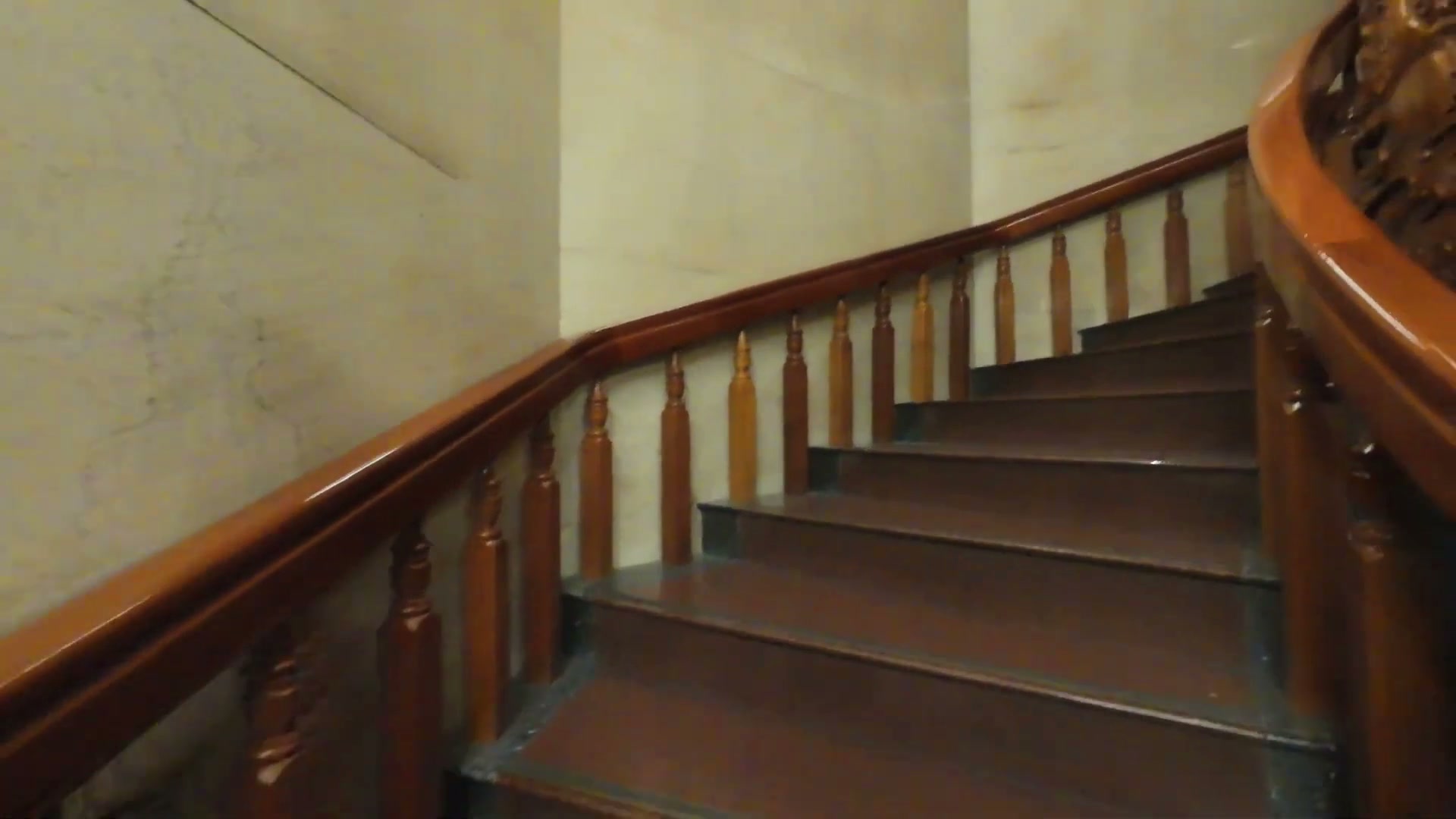
Follow the wooden stairs.
Another level opens above.
沿著木梯往上,
另一層空間逐漸展開。
00:00:28,000 --> 00:00:35,000
Carved columns frame
a route through the building.
雕刻柱間,
留著穿過建築的路徑。
00:00:35,000 --> 00:00:42,000
Look at the whole hall,
then let the details come closer.
先看完整殿堂,
再慢慢走近細節。
00:00:42,000 --> 00:00:49,000
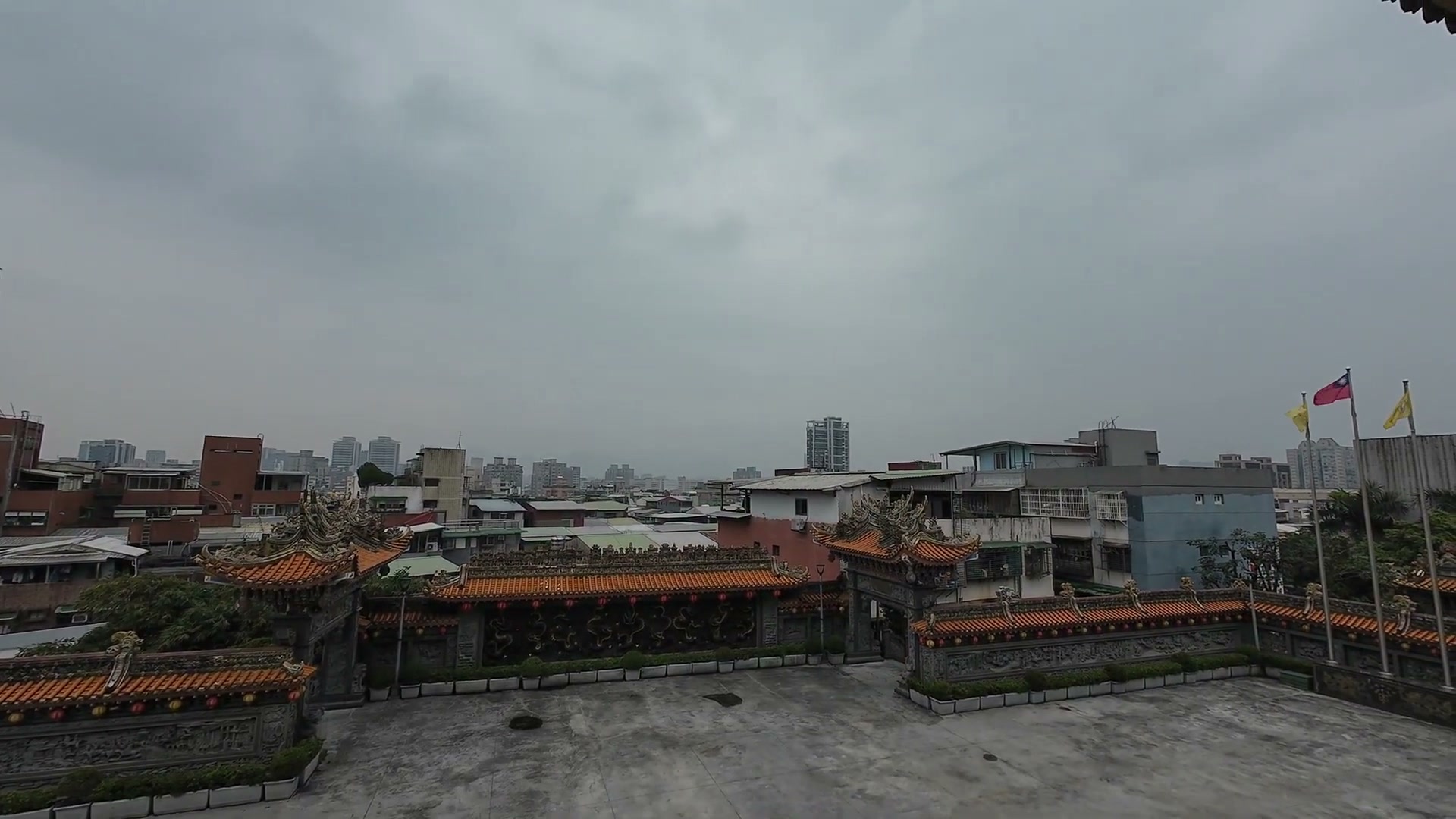
Beyond the covered terrace,
the neighbourhood stays in view.
走到有屋簷的廊臺,
街區仍在視野裡。
00:00:49,000 --> 00:00:56,000
A place to worship,
and a place people move through.
這裡供人參拜,
也讓人們往來通行。
00:00:56,000 --> 00:01:03,000
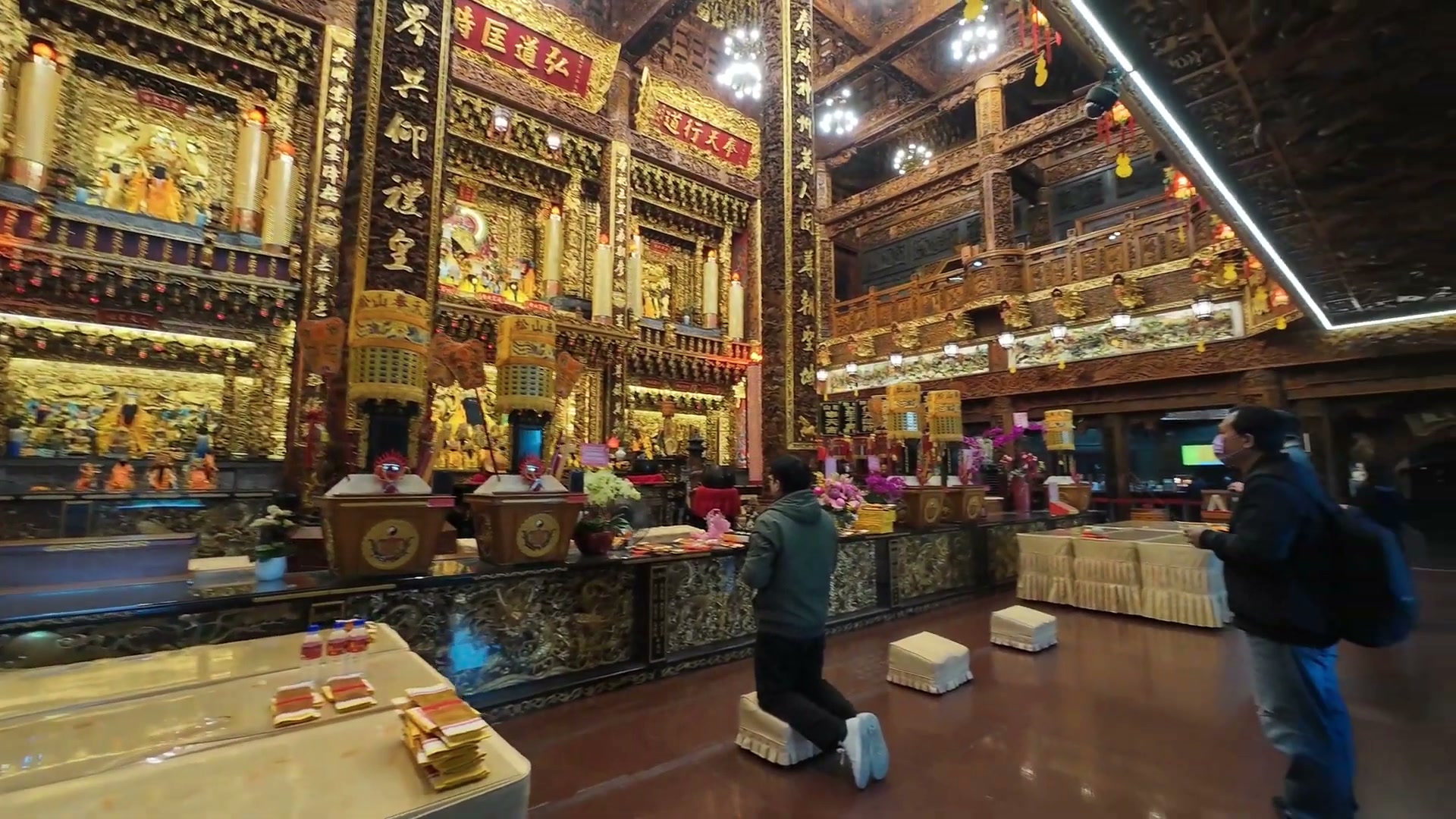
Pause beside the route.
Leave room for those here to pray.
在動線旁停留,
把空間留給前來參拜的人。
00:01:03,000 --> 00:01:10,000
The stairs connect
two levels of temple life.
樓梯連接著
廟宇生活的兩個樓層。
00:01:10,000 --> 00:01:17,000
Back downstairs, a passage
opens into another hall.
回到樓下,
通道接向另一座殿堂。
00:01:17,000 --> 00:01:23,000
Some pause. Others pass through.
Each visit has its own pace.
有人停留,有人經過,
每趟到訪都有自己的步調。
00:01:23,000 --> 00:01:30,000
A temple beside the city.
Taiwan, Layer by Layer.
在城市身旁,看見一座廟。
島嶼年輪。
Fengtian Temple forecourt: hill walkers meet worshippers
Hushan’s story reaches beyond its creek valleys. On Fude Street, Fengtian Temple began with local residents building together, connecting hill paths, faith and neighbourhood life.
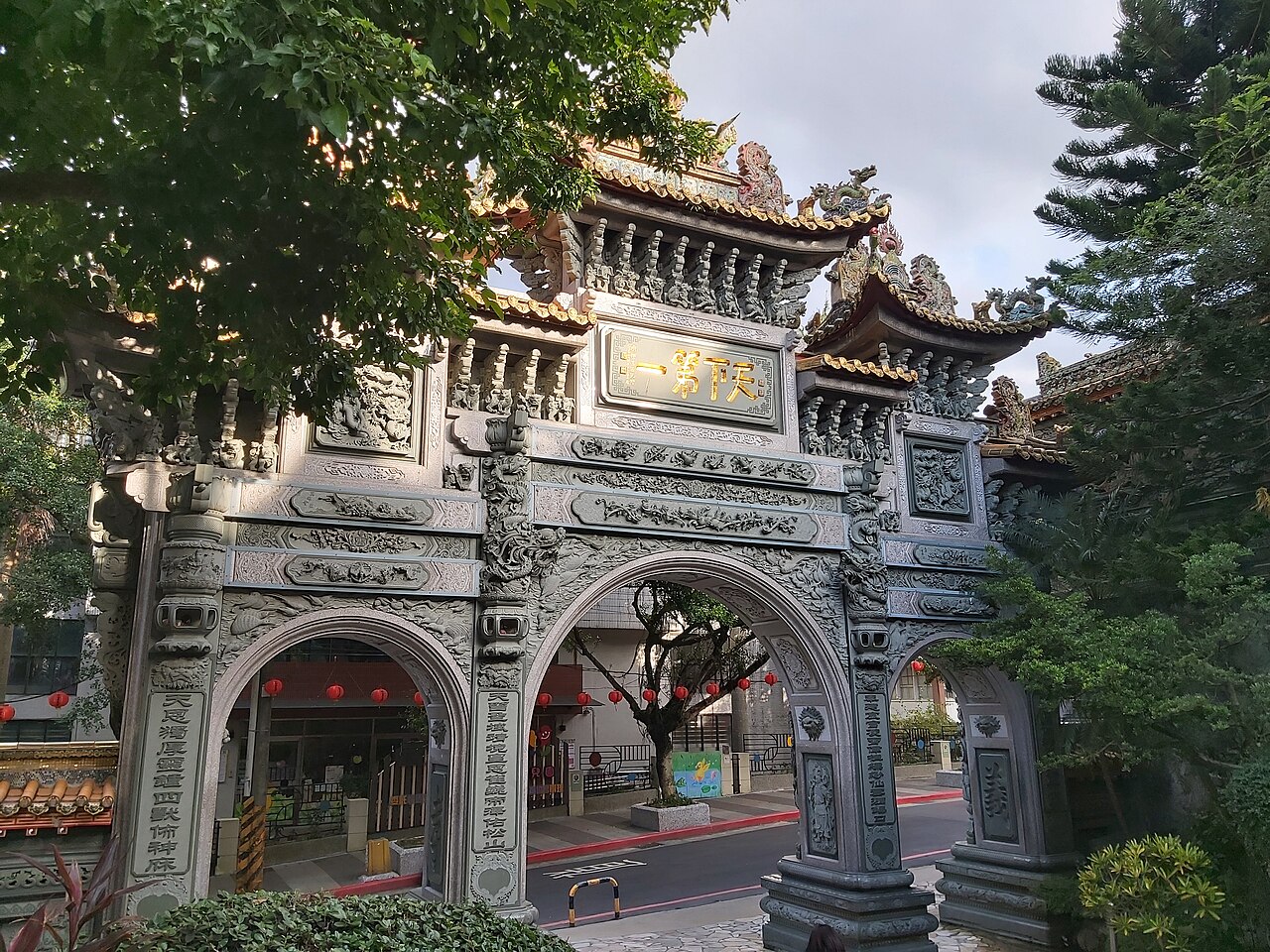
Around Hushan, hill paths and temples stand close together. Songshan Fengtian Temple on Fude Street worships the Jade Emperor, commonly called Tiangong. For people heading uphill it is a prominent landmark; for worshippers, the temple itself is the destination. These different journeys give Hushan a role beyond climbing to a viewpoint: it also accommodates local religious life. Fengtian Temple was rebuilt and expanded at different times. Taipei’s tourism website records postwar rebuilding and later additions, including the main hall, buildings for worshippers and a library. These spaces show that a temple does not remain fixed at its founding moment. As worshippers’ and neighbourhood needs accumulate, its scale and uses change. The temple seen today is the result of successive layers of time. Here, look separately at the roof ridges, halls and the passage in front of the temple. The first two show religious architecture; the third connects it with everyday Fude Street. People descending Hushan meet people arriving from the street to worship. This offers a way to read Hushan differently from the other three hills: a hill is more than a green backdrop to the city; it can also be where residents give their faith a place. The temple also joined two lines of local worship. Its own history records the 1959 arrival at Kai’an Temple on Yongji Road of Wunian Qiansui deities from Maming Shan Zhen’an Temple in Baozhong, Yunlin. Local organisers later agreed to house the two temples’ deities together; the Songshan Fengtian Temple management committee was formed in February 1967. The present complex thus reflects both Jade Emperor worship at Hushan and a relationship carried from Yunlin, rather than one unchanged founding group. Looking beyond the largest hall makes the different connections easier to recognise. Historical shrines and present visitor entrances are separate questions; keep to the areas opened by the temple.
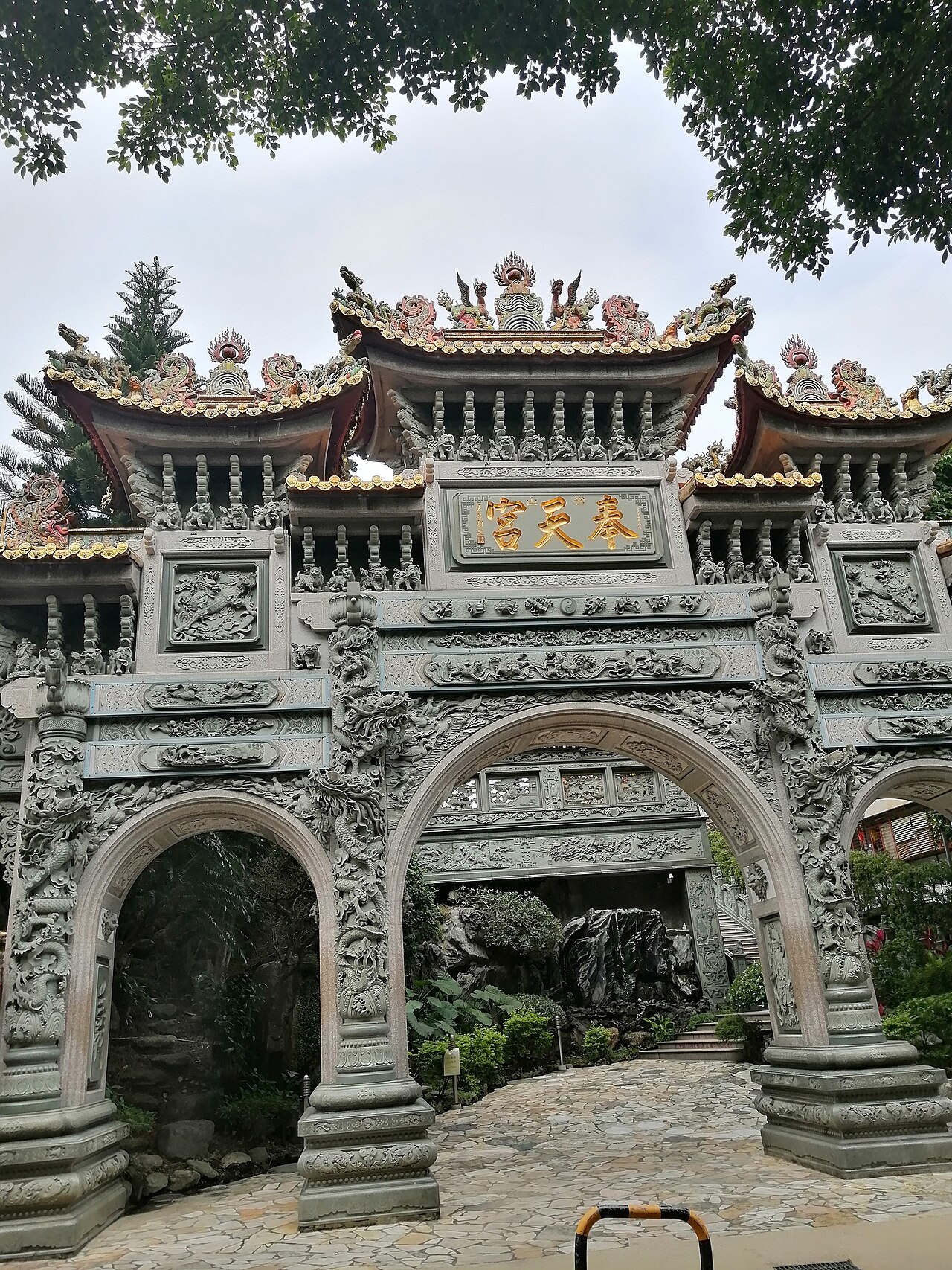
Visiting and return
Plan this visit separately where necessary. Check opening arrangements and the return journey; follow public paths.
Temple forecourt and open halls; the nearby trail is a separate walk.
12 Lane 221, Fude Street, Xinyi District, Taipei
Respect worship and ceremonial space; visits do not include unrestricted access to the temple’s working areas.
Use the Fengtian Temple bus stop as an arrival reference, then follow the temple’s public entrance signs. Check current services.
Look closer at the places in the film
1. Place the temple between hill and street
Songshan Fengtian Temple stands at the foot of Hushan in Taipei’s Xinyi District. Begin in the open forecourt, taking in the main halls, layered roofs and buildings to either side. Then approach the entrance. Seeing the whole gives the carvings, columns and doors a place within a temple that remains in use.
The formal article begins with movement between Fude Street and Hushan. Some people make the temple their destination; others pass its forecourt on a hill outing. This is a way to understand the setting. The identities of individual people in the footage are unconfirmed. The film follows the temple buildings and public passages; the hill trail needs a separate plan.
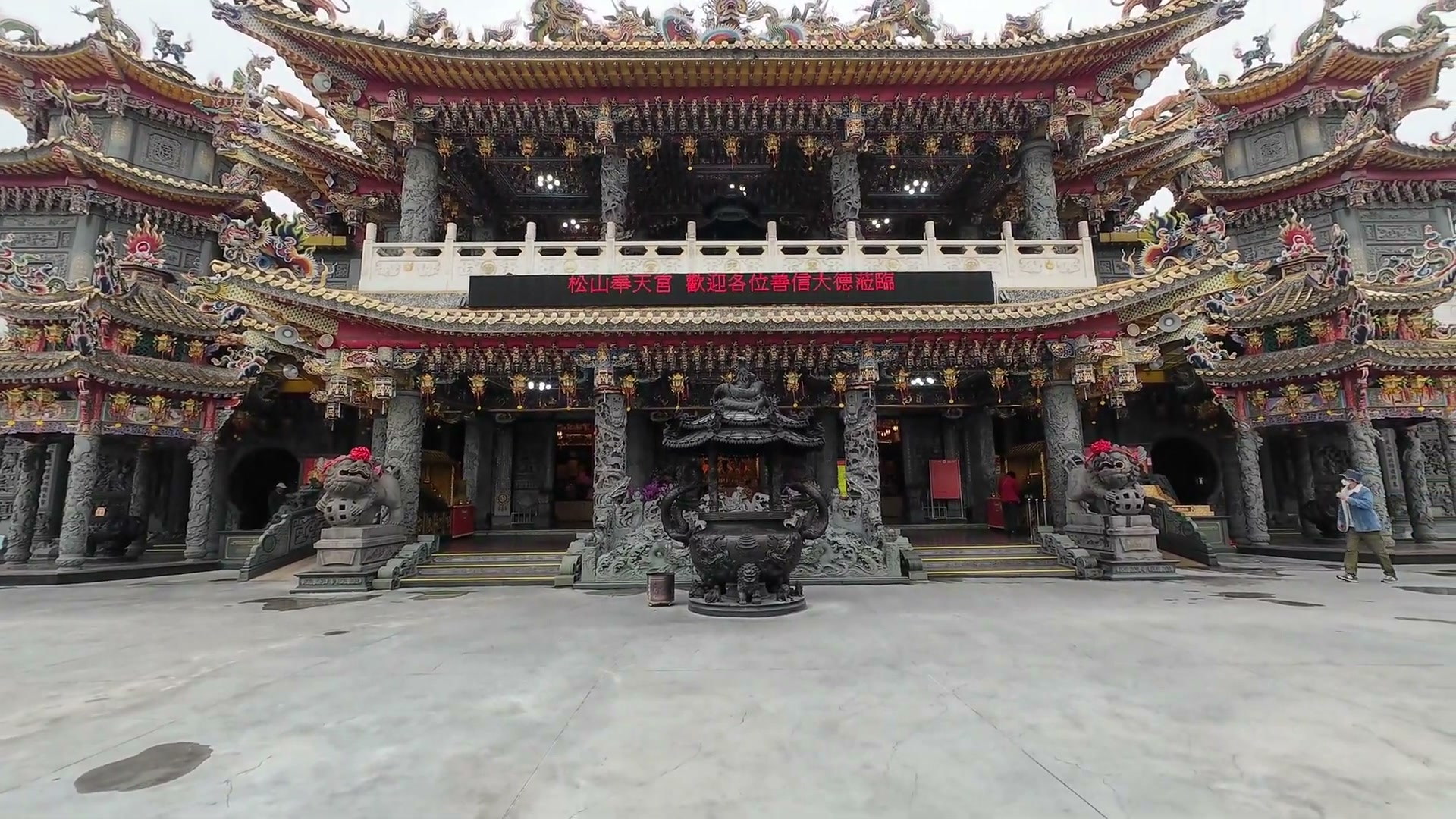
2. Different local histories meet in one temple
The temple’s principal deity is the Jade Emperor, known locally as Tiangong. Its official history records that Wen Chin-po, Liu Yung-hao and other local supporters raised funds for a bamboo building in 1953 and named it Songshan Fengtian Temple. The present complex grew through later expansion; its buildings were not all completed at the founding.
In 1959, Kai’an Temple on Yongji Road received the Five-Year Royal Lords from Maming Shan Zhen’an Temple in Baozhong, Yunlin. Local supporters later agreed to bring the two temples’ deities together, and a management committee was established in February 1967. The formal article retains this Yunlin connection alongside Hushan’s Tiangong tradition. Read the temple’s own labels when distinguishing worship spaces. The image shows the present entrance, not an archival scene from those dates.
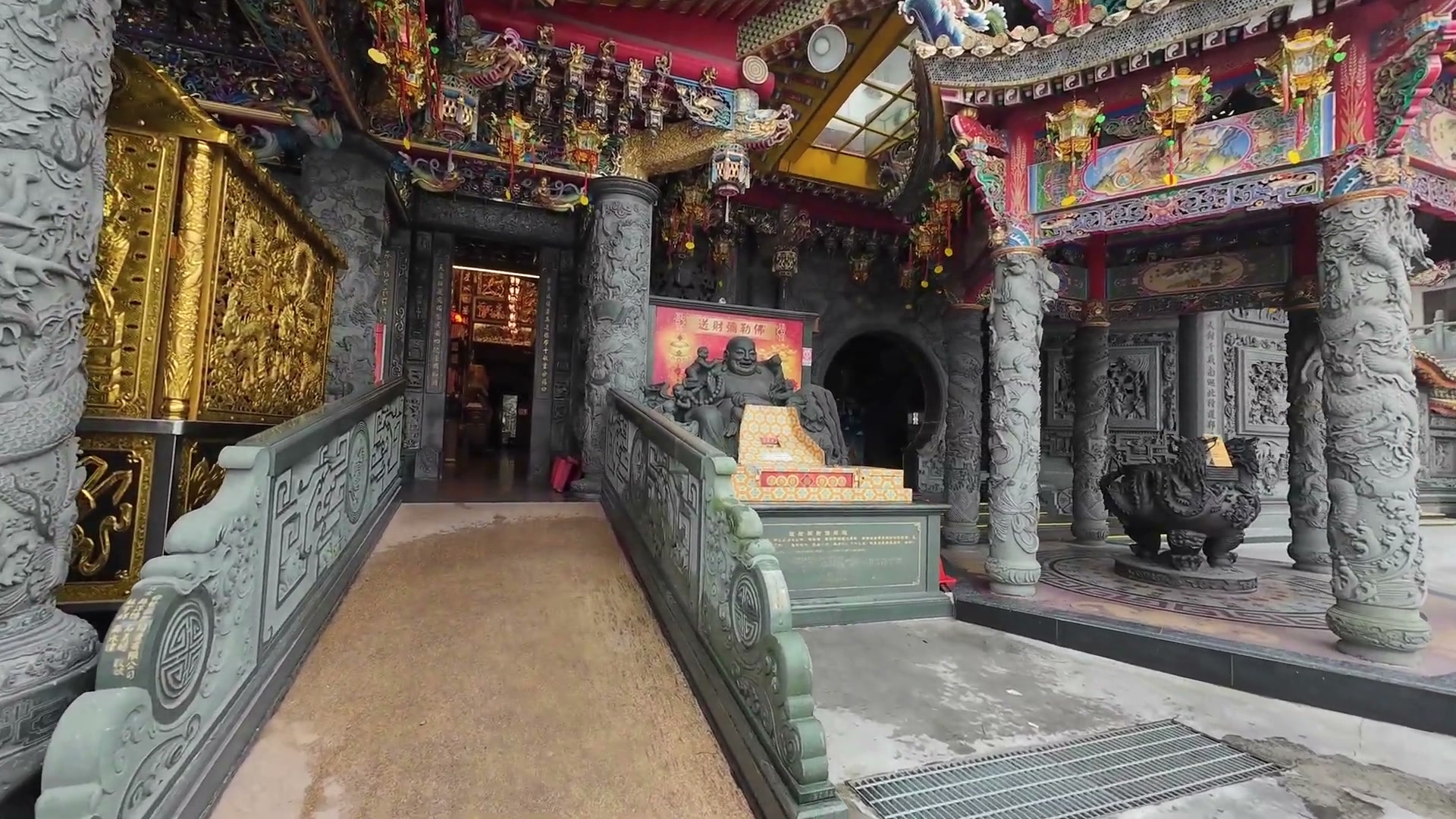
3. Read the building through doors and stairs
The wooden stairs carry the visit from the ground floor to an upper level. Look at carvings, doorways and railings together with the passages between them. Decoration belongs to an occupied building; columns and corridors also organise the way people move.
The formal article separates the roofline, halls and forecourt for observation. The film connects the two levels with stairs, establishing the building’s layout before moving closer to its details. Follow the temple’s current access and circulation arrangements. Working areas and closed rooms are outside the visit.
4. Worship and movement share a building
Some people pause in the hall while others continue along a passage. Keeping them within the scale of the room reveals how altars, railings and open floor space accommodate different ways of being there. Pause beside the route, leaving the space between worshippers and the altar clear.
The temple also records charitable, educational and cultural work, extending its role into learning and local support. This context helps explain why its buildings have gained different uses. The film does not show those programmes, and ordinary worship footage does not stand in for them.
5. Look back from the terrace, plan the hill separately
From the covered terrace, the temple and city remain in one view. Hushan is not a detached backdrop: the buildings at its foot receive people making different journeys. After visiting the halls, return to the forecourt and public streets, then plan your journey from where you actually finish.
The formal article gives 12, Lane 221, Fude Street, Xinyi District, Taipei, with the Fengtian Temple bus stop as an arrival reference. The temple’s transport update of 10 September 2026 lists Exit 2 of Guangci/Fengtian Temple Station on the Tamsui–Xinyi Line, followed by about three minutes towards Lane 177, Fude Street. It also lists Exit 2 of Houshanpi Station on the Bannan Line, followed by about ten minutes towards Dadao Road. These are the temple’s estimates; confirm services and directions for your travel day.
The forecourt and open halls make a separate cultural visit. Allow additional time for Hushan’s trails, climbing, transport and return travel; do not add this stop to trail mileage. The creator dates the footage to 10 January 2024. It does not establish current access, crowds or construction conditions. Check the temple’s current notices.
Film, article and image sources
The five chapters and complete original snapshots retain the hillside setting, local foundation, Yunlin connection, building changes and visit information. The creator dates the walk to 10 January 2024. Individual identities are unconfirmed; hill trails, classes and charitable programmes are not shown. Historical context follows the formal article and temple account, excluding the source description’s incorrect 1890 foundation and City God claims.
- 島嶼年輪:奉天宮廟前:登山的人與參拜的人(正式雙語原文)
- Taiwan Street Tour:Songshan Fengtian Temple實走,2024-01-11上傳;拍攝日由原作者標示
- 松山奉天宮:地理位置、歷史沿革與公益教育
- 松山奉天宮:建築之美
- 松山奉天宮:交通更新,2026-09-10
- 松山奉天宮:參拜禮儀
1. Original source: https://www.youtube.com/watch?v=xdtuVXANuZ0 · 2024
2. Original source: https://www.youtube.com/watch?v=xdtuVXANuZ0 · 2024
3. Original source: https://www.youtube.com/watch?v=xdtuVXANuZ0 · 2024
4. Original source: https://www.youtube.com/watch?v=xdtuVXANuZ0 · 2024
5. Original source: https://www.youtube.com/watch?v=xdtuVXANuZ0 · 2024
Music: 把時間留下 (AI-generated instrumental).