Taipei 228 Memorial Museum: how did a radio station become a place of remembrance?
Why did a radio station become a place of remembrance? At Taipei 228 Memorial Museum, trace how news travelled in 1947, then read the park as a place where a city remembers.
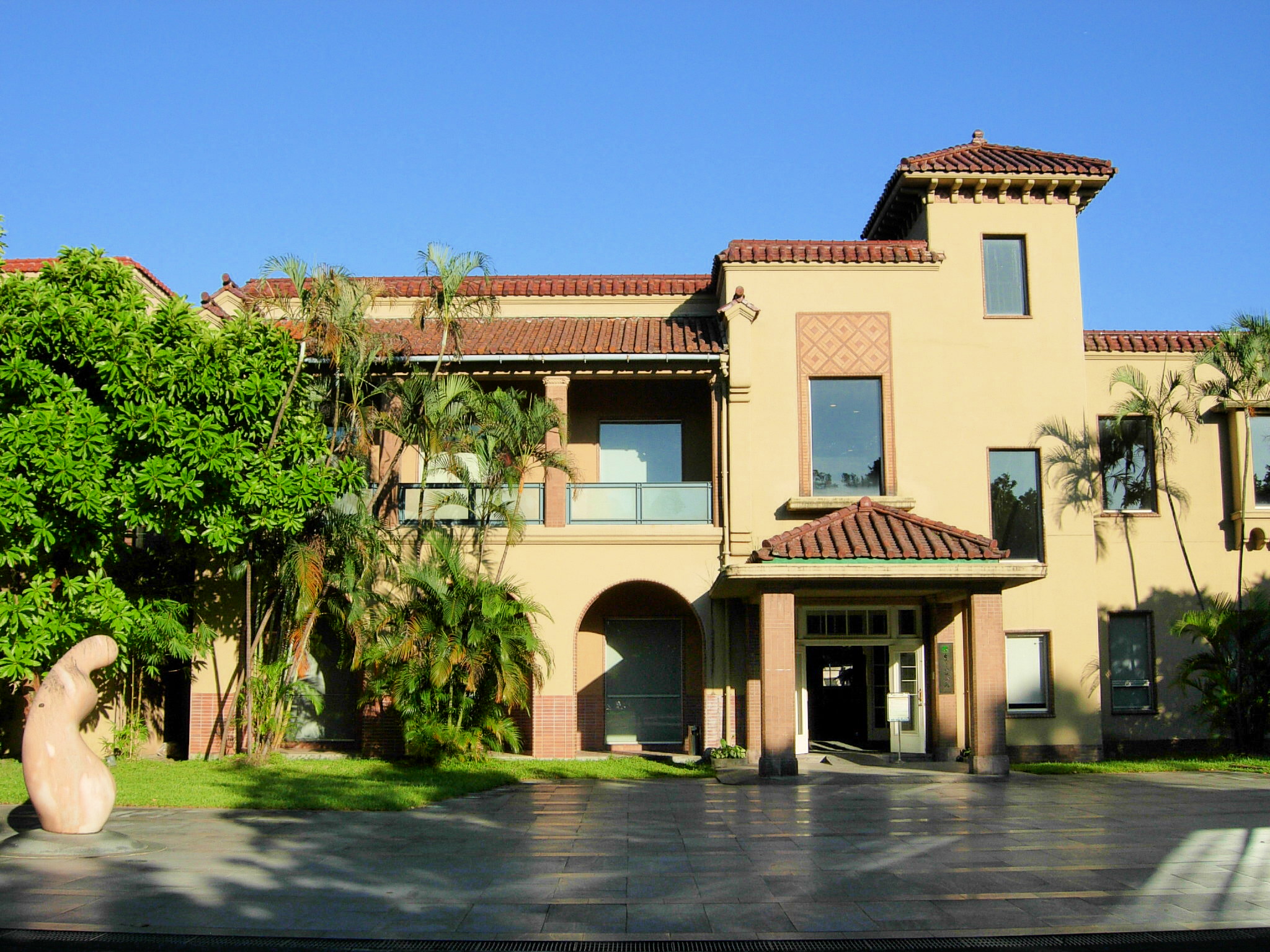
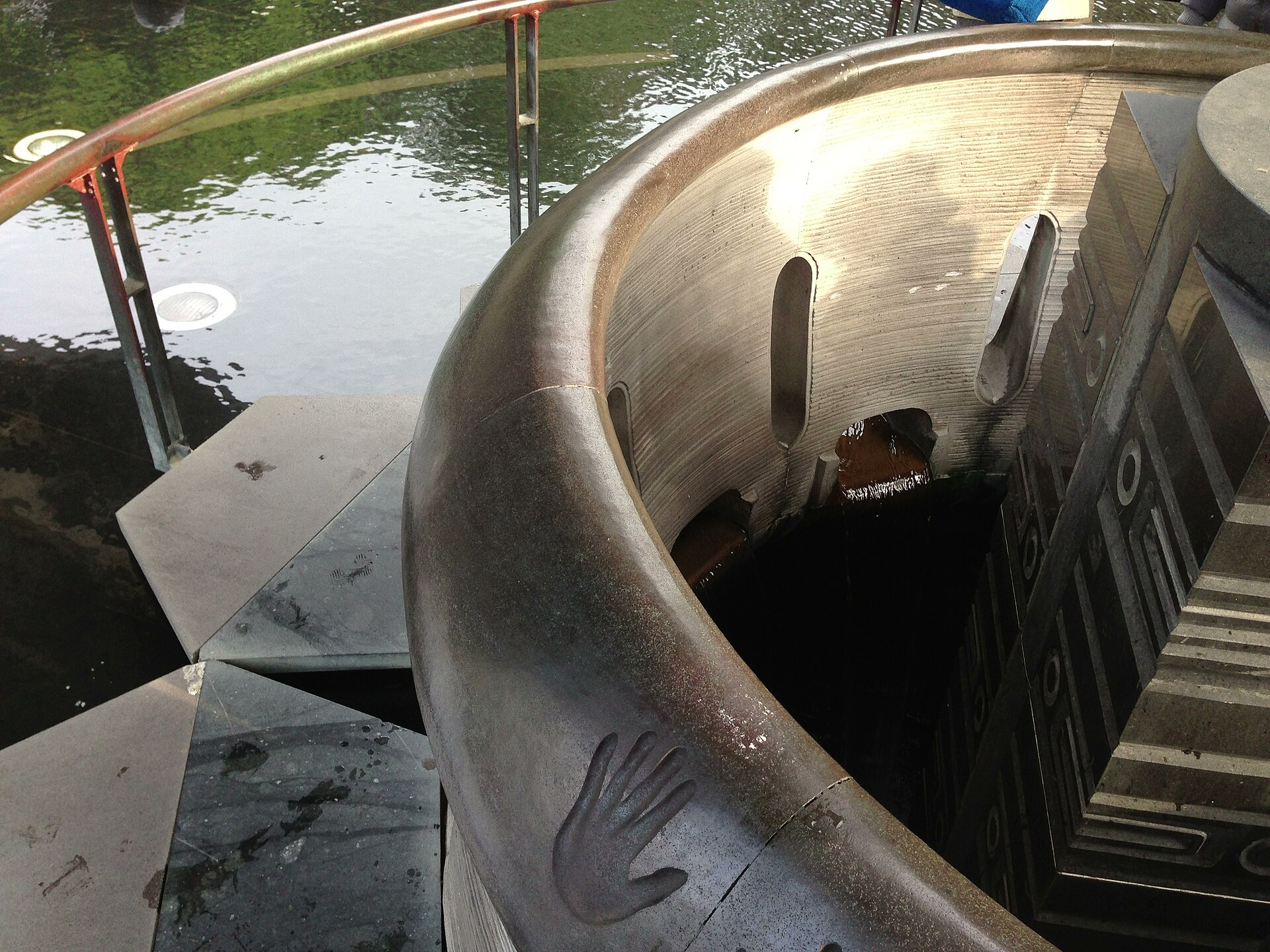
Before reading the exhibits, look at the building itself. This was a place that sent voices out into the city. A broadcasting station was established here in 1930; today it houses Taipei 228 Memorial Museum. The change of use gives this visit its question: what happens when a place that transmitted events becomes a place that asks us to examine them? The February 28 Incident began in 1947, in the unsettled years after Japanese colonial rule ended. On February 28, crowds used the radio station to report the events in Taipei to other parts of Taiwan. Radio was therefore more than a background technology: it helped news and appeals travel beyond the street where people had gathered. The subsequent repression brought loss to individuals and families. An account of the city needs to leave room for their experiences, not only its buildings and prosperity. Inside, choose one dated document or personal account rather than trying to finish every display. Note who produced it, when it was made and what it can tell you. A later recollection and a contemporary official record answer different questions; placing them side by side is part of understanding the past. Do not assume a photograph alone explains the whole event. Afterwards, return to the park and read the memorial inscription. Separate three layers: the former broadcasting use, the events of 1947 and the later work of remembrance. This is a single cultural visit, with reading time and a short park walk, not a measured extension of a riverside route. Let the people and evidence determine the pace. Begin reading the park monument with a particular shape. The museum’s design explanation connects its upper steel form to dockside cranes at Keelung, recalling the port where troops landed during the suppression. This is symbolism in a later memorial, not proof that the steel is an original piece of 1947 equipment. Its position also relates buildings from different periods, including the National Taiwan Museum and South Gate, along a city axis. After reading documents inside the museum, compare those directions. Commemoration places history within an everyday city through later spatial choices as well as inscriptions. Symbols can open questions; dated evidence is still needed to understand the event.
Visiting and return
Allow 60–90 minutes for the museum and 15–30 minutes for the park as an editorial planning allowance; transport is extra. Use the Taipei museum at 3 Ketagalan Boulevard, not the National 228 Memorial Museum on Nanhai Road.
Taipei 228 Memorial Museum: 3 Ketagalan Boulevard, Taipei
Free admission. Tuesday–Sunday 10:00–17:00; closed Monday. On national holidays and connected holiday periods, weekday closure/weekend opening is the stated default; check the museum announcement for exceptions. Park access is separate.
Keep a quiet pace. Photography is allowed under museum rules, without flash, additional lights, tripods or selfie sticks. Do not touch exhibits. This is the Taipei museum in the park, not the National museum on Nanhai Road.
Take Taipei Metro to NTU Hospital station, Exit 1. Enter 228 Peace Memorial Park and follow signs to Taipei 228 Memorial Museum at 3 Ketagalan Boulevard. Use the museum name and street address if the map fails; do not head to the National museum on Nanhai Road.
Return through the public park paths to NTU Hospital station. If the museum is closed, limit the visit to accessible public outdoor areas and return another day for the exhibits.