Jingmei Memorial Park: read political expression through courtroom documents
Human rights history involves more than a phrase of remembrance. Courtrooms, detention rooms and visiting paths give detention, trial and family contact physical spaces. The 1980 Kaohsiung Incident military trial connects this place with Taiwan’s democratic development.
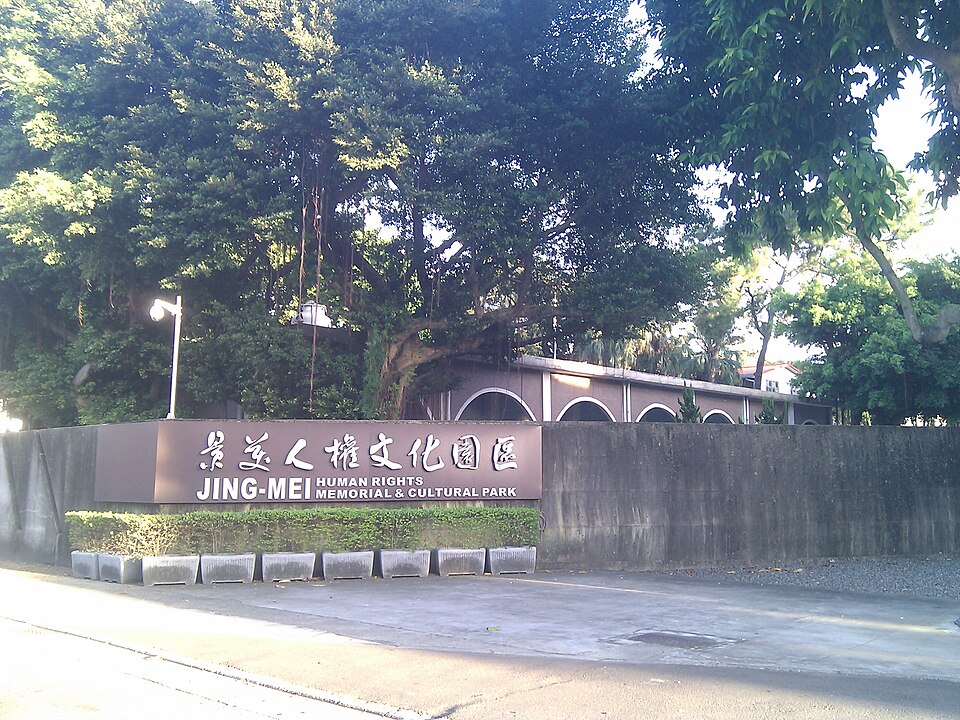
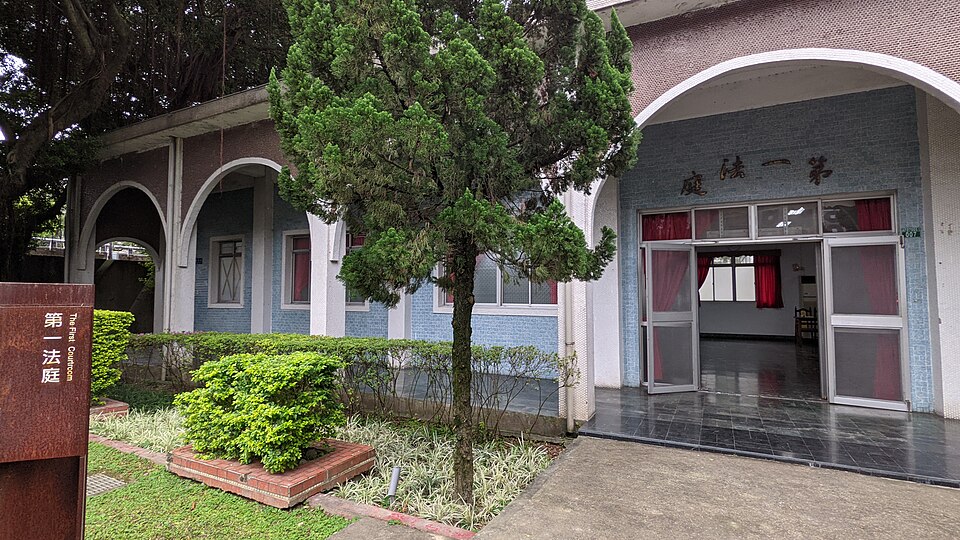
Jingmei White Terror Memorial Park is in Xindian, New Taipei. It formerly held interrogations and detention in military, political and public-security cases. Its name does not place it in Taipei’s Jingmei district. Confirm the actual location before planning a journey. This site presents it as a separate-day cultural visit in northern Taiwan, outside the Maokong outing. It is not a convenient stop on the way down and is not included in existing walking mileage. Getting to know a mountain city can extend to its surroundings, but the boundaries of both transport and history must remain clear. The military trial following the Kaohsiung Incident took place in the park’s First Courtroom in 1980. The public proceedings involved eight defendants, including Huang Hsin-chieh, Shih Ming-teh, Lin Yi-hsiung, Annette Lu and Chen Chu. The event connected street political activity with detention and trial. This is therefore more than a military building: it concerns how political expression was dealt with. When reading the courtroom displays, distinguish the charges brought at the time from later historical assessments. Official documents record how the state classified and handled cases; they do not make every allegation an uncontested fact. Begin with who produced a document and what it was for. This is an essential method for reading this history. Beyond the First Court, Ren’ai Building reveals distinctions within detention. Completed in 1967 for the Garrison Command’s military-law detention centre, it separated the detention and external-labour areas. Laundry, sewing, ironing and craft workshops operated in the latter. The museum records postal sacks, uniforms and clothing from postal, railway and other public bodies being processed here. Ordinary city objects connected with prisoners’ labour. Access to books also differed within the same building. People in the external-labour area could register at the library; those in cells requested catalogue numbers and had books delivered. Rooms, doors, openings and workshop labels explain arrangements that the blanket term “prison cell” misses. Experiences varied by person and period; buildings and recorded accounts need to be read together, without assuming every former object remains displayed in place.
Visiting and return
Plan this visit separately where necessary. Check opening arrangements and the return journey; follow public paths.
131 Fuxing Road, Xindian District, New Taipei
Tuesday–Sunday 09:00–17:00. Mondays that fall on national or consecutive holidays open normally, with a compensatory closure the following day; closed on Lunar New Year’s Eve and days 1–2. Check temporary closures before visiting.
Guided tours for groups of ten or more require booking at least one week ahead and confirmation. Independent visits follow the day’s open exhibition areas.
From MRT Shisizhang, follow Xiyuan Road and Minsheng Road towards Xiulang Bridge to the side entrance, as shown in the museum guide. Confirm that entrance is open.