A temple supported by people—and land
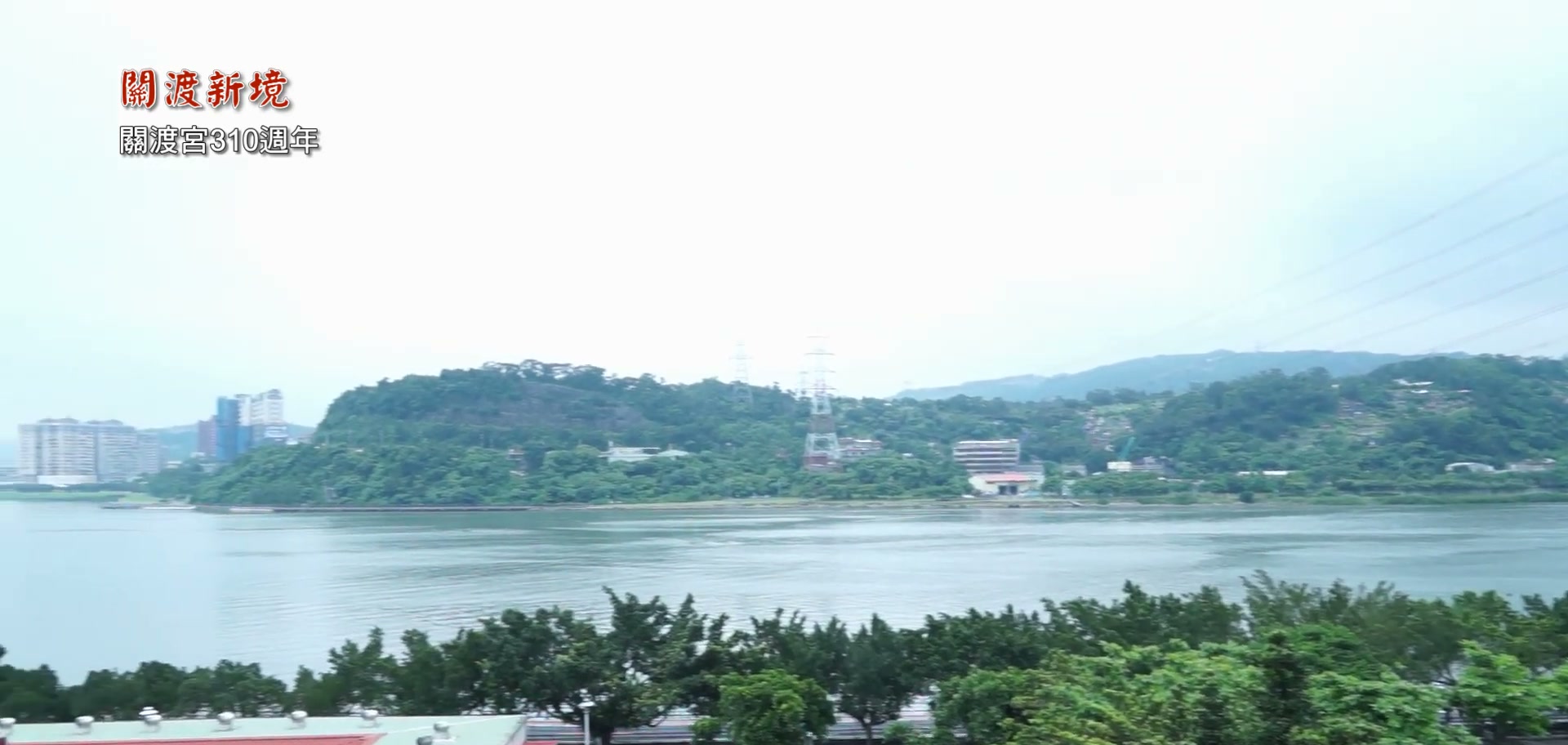
If Mazu worship is familiar to you, Guandu Temple may feel recognisable. A further question changes the view: how was the temple built, and who sustained it? Here, the story begins with land and organisation at a river mouth, as well as devotion to the sea goddess.
The temple’s history quotes the 1717 Zhuluo County Gazetteer, which records Lai Ke organising people to build it. Lai was a tongshi, an intermediary; the account explains that such intermediaries handled Indigenous taxation and labour obligations for officials. Temple building was entangled with local power, rather than simply a story of willing neighbours working together.
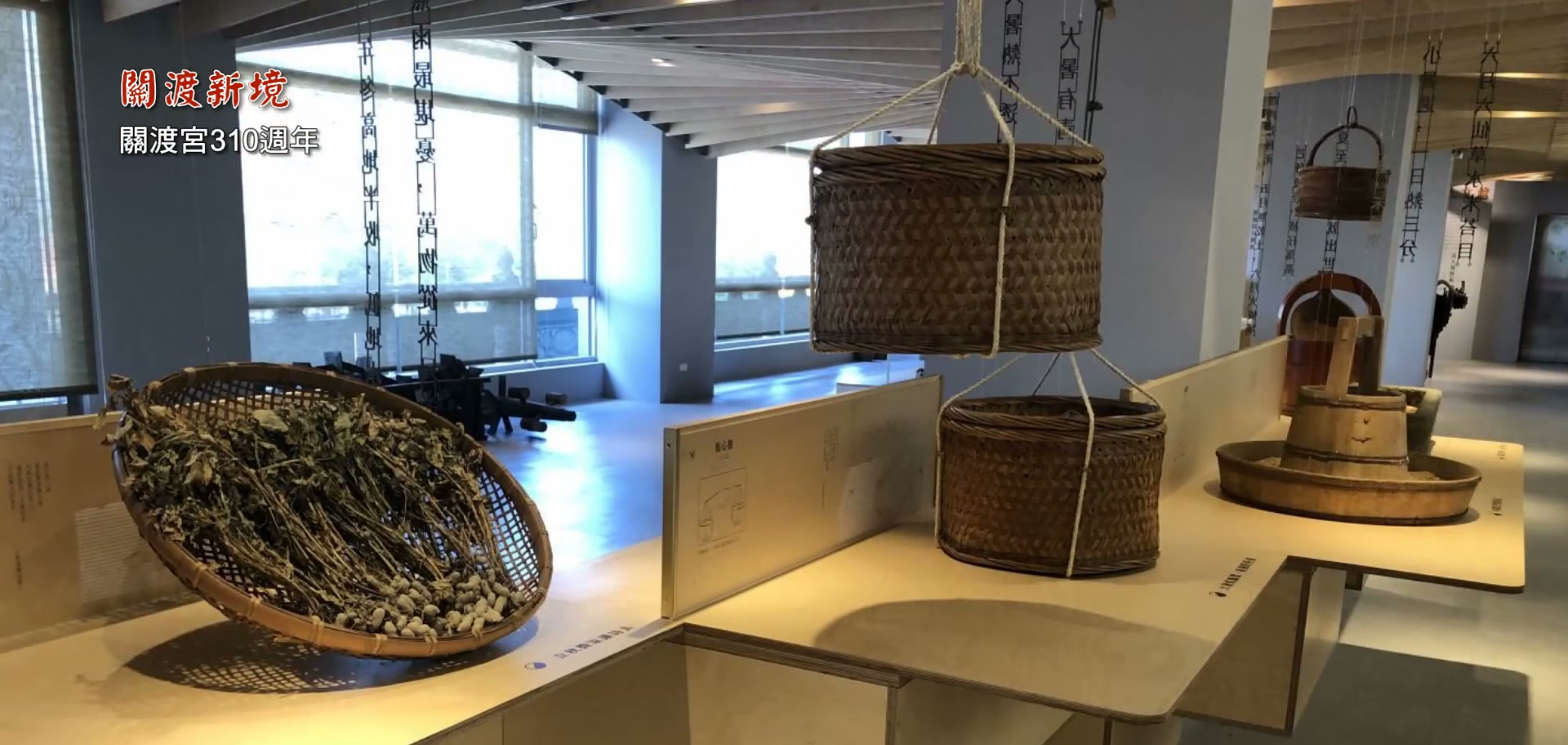
The temple’s historical chronology records tenants of its fields paying grain rent for worship in 1744. Behind visible incense were less visible revenues, administration and labour. This makes Mazu worship more than a symbol carried across the sea: it was part of rebuilding a social order in Taiwan.
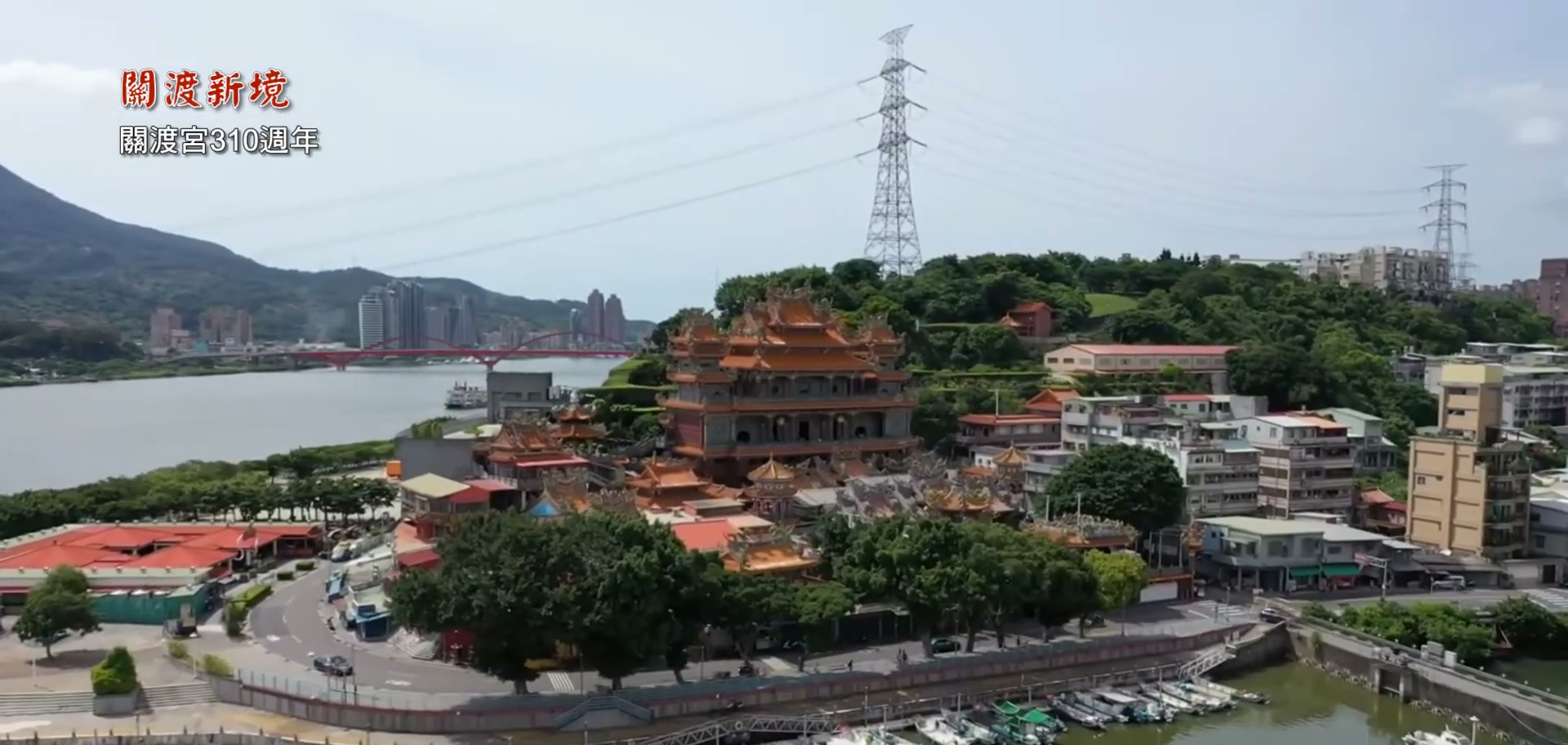
At Guandu, read the temple alongside its river-mouth setting—waterfront, movement and settlement. Beyond incense, the builders, land and resources sustaining worship gave the temple a local footing and brought different people into its history.