Freedom Lane: how a magazine brought words to readers
Songshan’s story includes more than a river port and night market. A lane leading to a magazine office brings editing, publishing and freedom of speech into city life. Names in the contents pages and the events of 1989 make a right more than an abstract word.
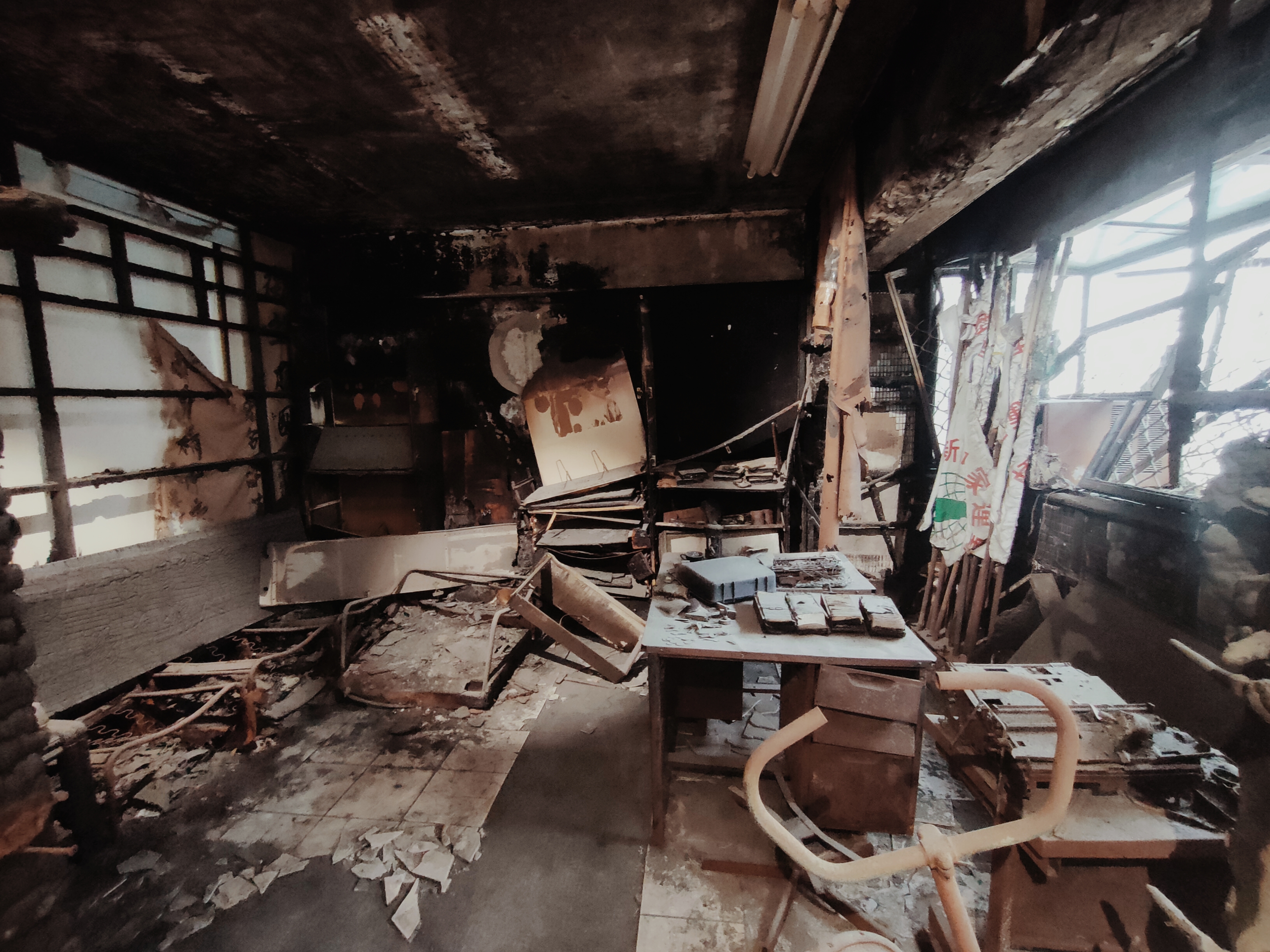
Songshan’s city story can begin with rivers and trade, or with a separate visit to Freedom Lane. This is not a stop immediately beside Raohe Street, but another place connected with publishing and political expression. These histories remind us that an administrative district has more than one cultural subject. Before entering the memorial museum, consider a magazine as a job. Choosing topics, writing, editing, laying out pages and distributing copies are all needed to bring words to readers. When some content is restricted, the effects extend beyond a single sentence to the whole process that makes speech visible. Nylon Cheng founded the Freedom Era magazine series in March 1984. The National Museum of Taiwan History holds related periodicals, allowing readers today to examine covers, contents pages and texts to understand how publishing intervened in public issues. These are identifiable publications, rather than an imagined past added by present-day visitors. On 7 April 1989, Cheng set himself on fire inside the magazine office; the memorial museum later opened at the same address. Begin an old magazine with its issue number, date and layout, then look at the articles’ subjects. The order of the contents shows how editors arranged what mattered at the time. Changes between issues can also show public discussion responding to events. What is preserved here is more than a notable person’s room. In 2023, the National Human Rights Museum and the memorial museum launched a 3D tour featuring the editor’s office, Cheng’s personal belongings and manuscripts, objects from the magazine office, and photographs of social movements. Read together, they connect publishing with public action: an issue is a finished publication, while drafts and working objects retain evidence of production, use and preservation. The launch offered narration in Mandarin, Taiwanese Taigi, Taiwanese Hakka, English and Japanese. Digital recording and a visit to the original address remain different kinds of evidence: one preserves a recorded viewpoint, while the other requires the museum’s visiting arrangements. Check an object’s date, maker and preservation history instead of assuming every item represents the complete scene at the same moment on 7 April 1989.
Visiting and return
Plan this visit separately where necessary. Check opening arrangements and the return journey; follow public paths.
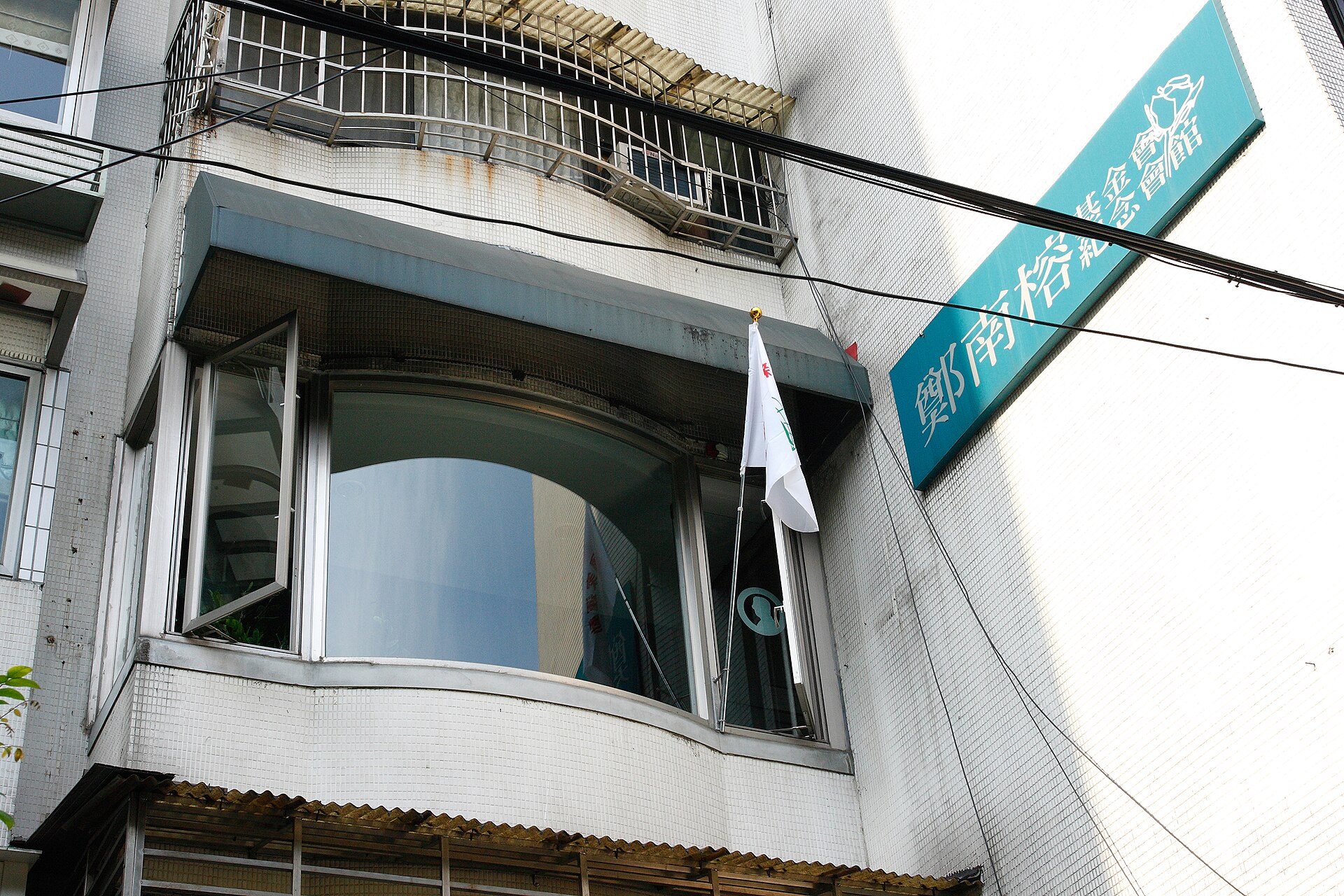
Memorial museum in a building; Free Speech Lane is the surrounding street.
3F, 11 Alley 3, Lane 106, Minquan East Road Section 3, Taipei
The foundation’s visit page lists Saturday 10:00–17:00; its introduction also lists Wednesday. The pages differ, so confirm the booked date before travelling.
The museum requires advance reservation; its introduction says independent drop-in visits are temporarily unavailable. Confirm admission to the third-floor museum: walking through Freedom Lane does not establish access.