Guizikeng: Another Side of Taipei
90 seconds. English captions are part of the film. Optional Traditional Chinese subtitles are available in the player.
Archive views from a Guizikeng report published on 11 November 2025. These scenes do not confirm current access or facility conditions. Music is an added score, not location sound.
Read the complete five-chapter article → · 繁體中文
Complete English captions and Traditional Chinese translation
00:00:00,000 --> 00:00:05,400
Guizikeng, Beitou
A different side of Taipei.
北投・貴子坑
看見臺北的另一面。
00:00:05,400 --> 00:00:10,600
Step into a former quarry,
now a place to look more closely.
走進昔日採土的地方,
今天,可以在這裡重新認識土地。
00:00:10,600 --> 00:00:19,200
Kaolin and quartz once fed
Beitou's ceramics and glass industries.
高嶺土與石英砂,
曾是北投陶瓷與玻璃工業的原料。
00:00:19,200 --> 00:00:22,100
Read the working history
in the pale rock face.
從白色岩壁,
讀出土地曾經工作的歷史。
00:00:22,100 --> 00:00:29,300
Follow the trail from rock layers
to caring for soil and water.
沿著現場的解說,
從地層讀到水土保持。
00:00:29,300 --> 00:00:40,300
Terraces, stairs and paths
lead through a repaired landscape.
平台、階梯與步道,
帶人走過整治後的地景。
00:00:40,300 --> 00:00:50,700
The former quarry is now
a place for everyday life.
昔日的採土區,
如今也成為日常生活的地方。
00:00:50,700 --> 00:00:57,600
Find a quiet seat.
Let the park's rhythm set the pace.
找一處安靜的座位,
讓公園的節奏,帶著自己慢下來。
00:00:57,600 --> 00:01:05,100
Walk the marked paths.
Leave the rocks and plants in place.
沿著標示步道行走,
讓石頭與植物,繼續留在原來的位置。
00:01:05,100 --> 00:01:09,500
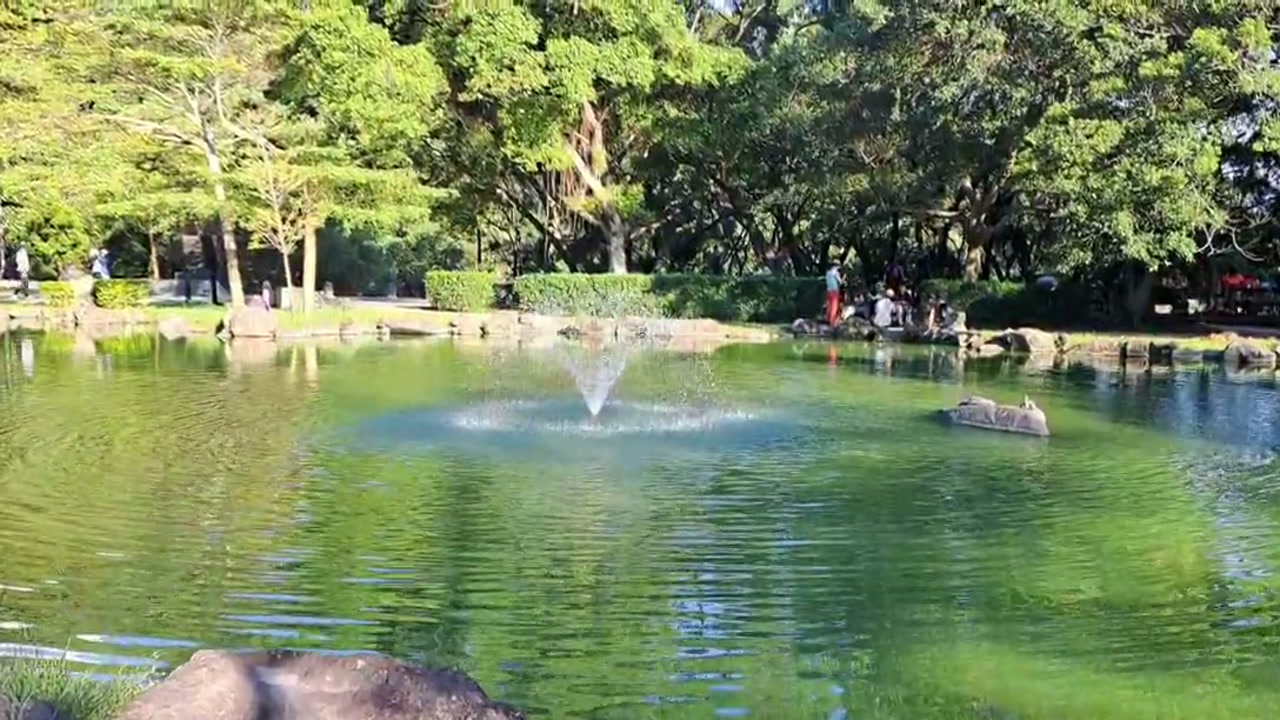
Between the lawns and pond,
look for small signs of life.
在草地與池畔之間,
留意生命留下的小小動靜。
00:01:09,500 --> 00:01:13,800
A landscape shaped by
work, damage and care.
這片地景裡,
留著生產、傷痕與照顧的層次。
00:01:13,800 --> 00:01:22,700
A place to visit,
and a place to look after.
這是一處可以走訪,
也需要一起照顧的地方。
00:01:22,700 --> 00:01:26,000
Read the hill, not just the view.
看見山坡,也讀懂它的來處。
00:01:26,000 --> 00:01:30,000
Guizikeng, Taipei
Read the story. Then walk the ground.
臺北・貴子坑
讀過故事,再走進現場。
Guizikeng: Another Side of Taipei
From pale rock and ceramic materials to conservation work and a landscape returned to everyday use.
Find the pale rock face first
Begin with the pale rock face behind the trees. It is a visible clue to a place shaped first by extraction and later by restoration. Recognise that feature before approaching the park entrance.
Look from two distances: the hill within the park, then the boundary between exposed rock and vegetation. Observe from the open paths; there is no need to touch the face or collect material.
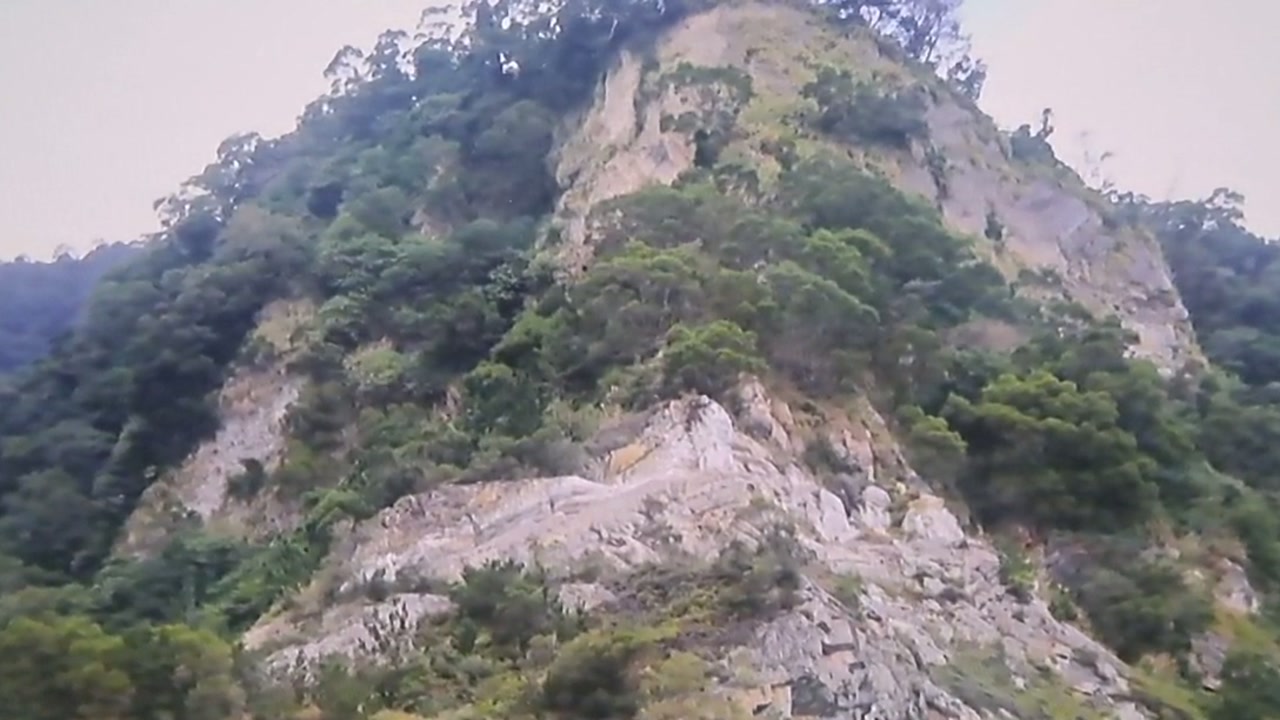
From ceramic materials back to the hill
District and environmental records connect Guizikeng’s kaolin and quartz with the raw materials of ceramics and glass. This link turns a park visit into a way to read Beitou’s working history.
Exposed rock offers geological clues to earlier extraction. Colour alone cannot identify the composition or use of a particular surface. Read the on-site interpretation and specialist information for those details.
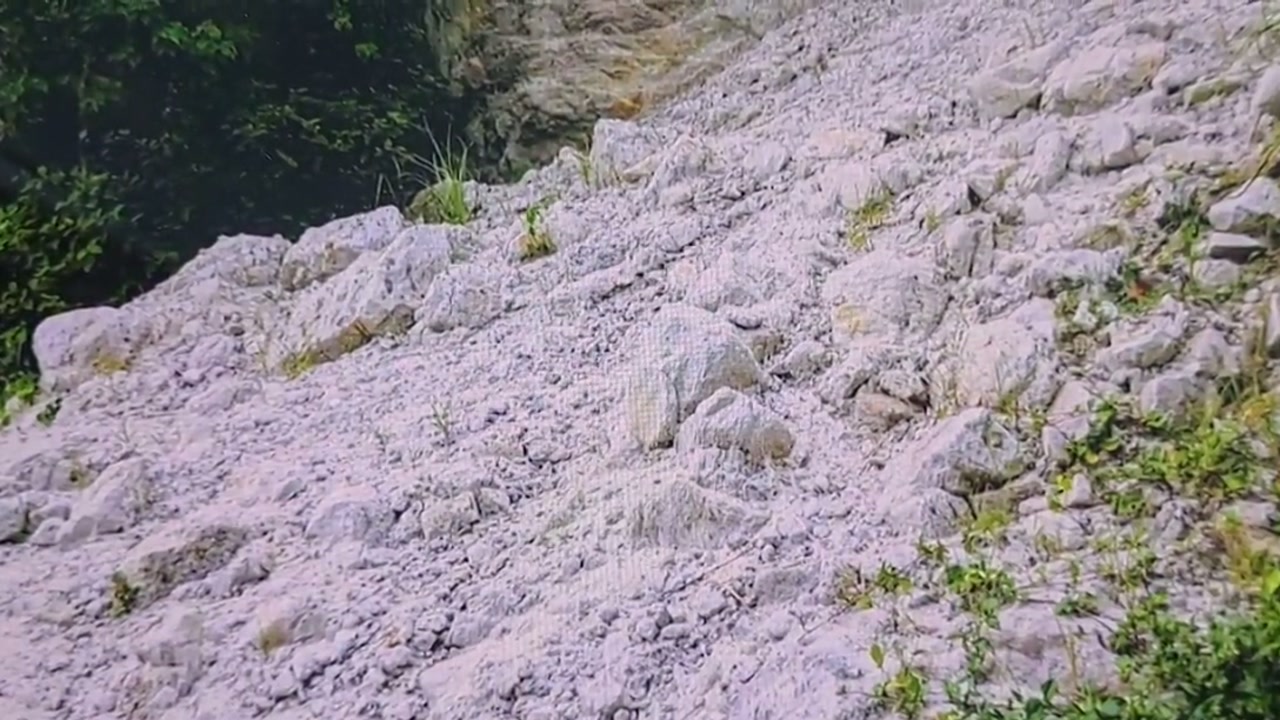
After extraction comes the work of care
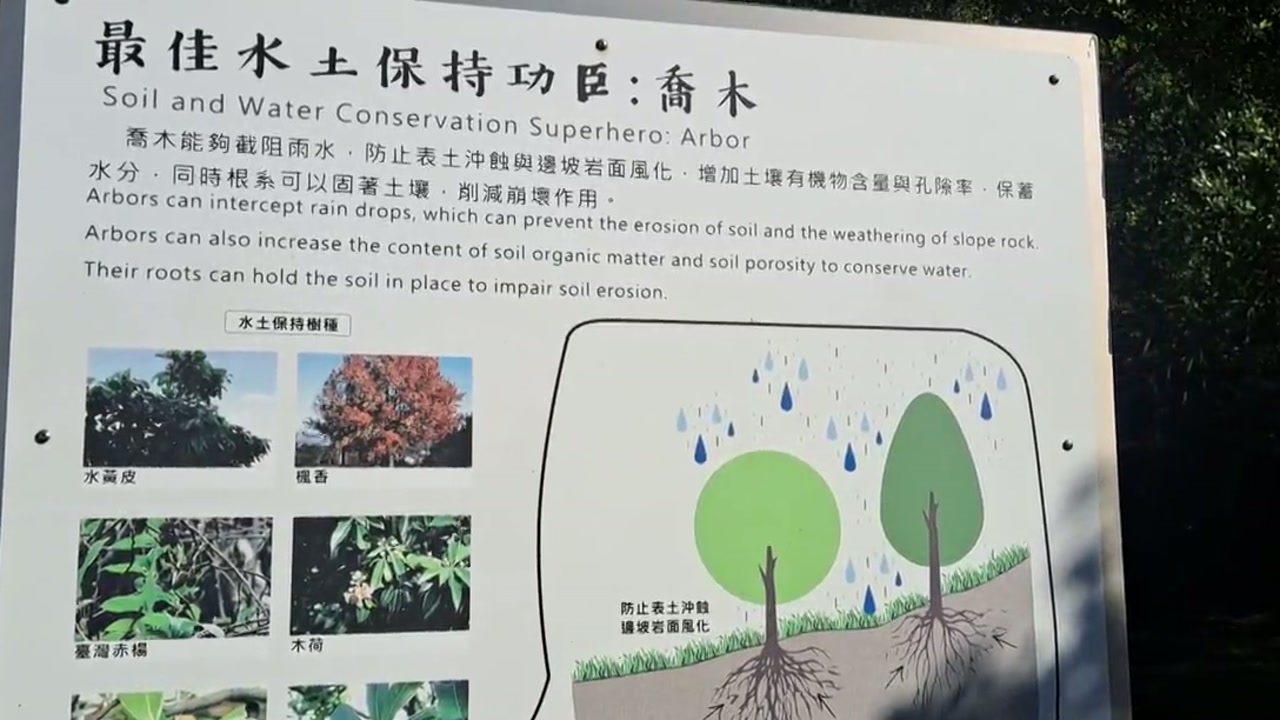
After extraction damaged the surface, stream improvement, slope stabilisation and planting became part of a longer repair process. The soil and water conservation teaching park was established in 1994. Read the platforms, stairs, signs and green space within that history.
Combine walking with the physical interpretation signs. Restoration involves more than bringing back green cover: it also concerns soil stability and water. Notice how planting, paths and drainage share the same slope.
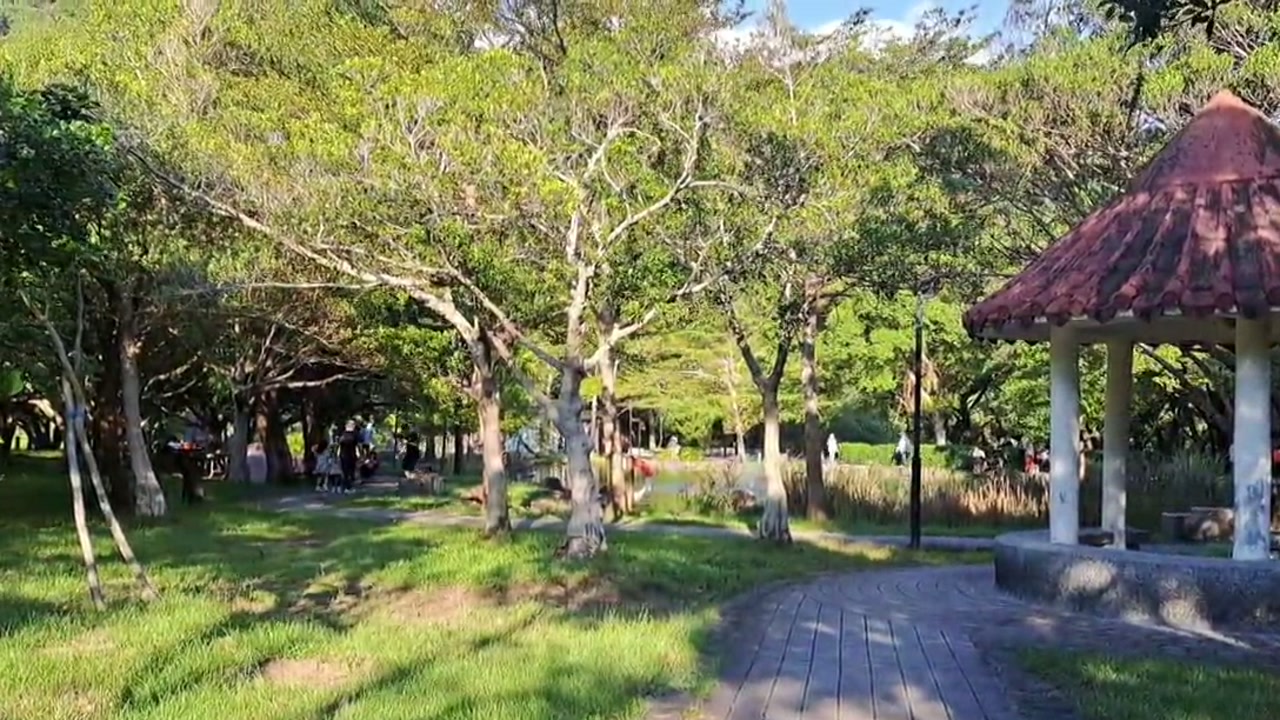
A repaired landscape returns to everyday life
Beyond the rock face, look towards the lawns, pavilion and pond. Places to sit, walk and pause reconnect the former extraction site with everyday use. Knowing where the landscape came from adds another layer to a quiet visit.
Stay on paths and observe without chasing wildlife or stepping into planted areas. Time under the trees can reveal more than a hurried attempt to cover every part of the park.
Bring the story, and leave the place for others
A possible viewing sequence is rock face, conservation interpretation, then a pause by the pond. This is an editorial sequence, not turn-by-turn navigation. Follow the day’s open areas and signs, and check weather and notices before leaving.
Facilities and access can change. Check current notices before visiting, keep to marked paths, take no geological or plant material, and carry rubbish out. Leave the same opportunities for the next person to observe the place.
Film, article and image sources
Archive views from a Guizikeng report published on 11 November 2025. These scenes do not confirm current access or facility conditions. Music is an added score, not location sound.
- The regeneration of Guizikeng
- Geology at Guizikeng
- Environmental education venue: Guizikeng
- Geology and conservation education at Guizikeng
- Guizikeng environmental education and park facilities
1. Zhou Huidan / PeoPo Citizen Journalism · recording year unstated
2. Zhou Huidan / PeoPo Citizen Journalism · recording year unstated
3. Zhou Huidan / PeoPo Citizen Journalism · recording year unstated
4. Zhou Huidan / PeoPo Citizen Journalism · recording year unstated
5. Zhou Huidan / PeoPo Citizen Journalism · recording year unstated
Music: 把時間留下 (AI-generated instrumental).