Cultural trails · Taichung
Wuqi: Walk into the Old Port Town
Begin with whole shop-house facades, then visit a former office and dormitory compound beside a temple. Read the old port town through its windows, courtyards and passages.
Wuqi: Walk into the Old Port Town
Begin with whole shop-house facades, then visit a former office and dormitory compound beside a temple. Read the old port town through its windows, courtyards and passages.
90 seconds · English captions in the film; optional English and Traditional Chinese CC.
Film sources and complete bilingual captions
This film uses real visits publicly uploaded by their original authors in2021 and2023; exact filming dates are not independently confirmed. They are not newly filmed2026 conditions. Businesses, displays and accommodation access may change. Recorded interior views do not establish current entry to every room.
00:00:00,100 --> 00:00:05,900
Wuqi: the Old Port Town
梧棲,沿著街屋走進港街
00:00:06,100 --> 00:00:09,900
Look up from the road
to the old arcades.
從街道抬頭,看見老屋的騎樓。
00:00:10,100 --> 00:00:14,900
Zhenwu Temple fits beside
a narrow brick lane.
真武宮,坐落在窄窄的磚巷旁。
00:00:15,100 --> 00:00:18,900
Carved timber rewards
a closer look.
走近一點,再看木雕的細節。
00:00:19,100 --> 00:00:23,900
The temples belong to
a working neighbourhood.
這些廟宇,仍在街坊的日常之中。
00:00:24,100 --> 00:00:26,900
Chaoyuan Temple.
梧棲朝元宮。
00:00:27,100 --> 00:00:33,900
A former police compound
stands beside the temple.
舊警察官署與宿舍,坐落在廟旁。
00:00:34,100 --> 00:00:38,900
The brick entrance leads
into a courtyard.
從磚造入口,走進院落。
00:00:39,100 --> 00:00:43,900
Raised floors and timber windows
shape the old dormitories.
架高的地板與木窗,構成舊宿舍的樣子。
00:00:44,100 --> 00:00:48,900
The buildings now hold
new uses and old details.
老建築裡,有新的使用,也留著舊細節。
00:00:49,100 --> 00:00:52,900
Pause for the eaves,
posts and window grids.
停下來,看屋簷、柱子與窗格。
00:00:53,100 --> 00:00:56,900
Passages connect
the different buildings.
幾條通道,把不同建築連在一起。
00:00:57,100 --> 00:01:02,900
Recorded interiors:
sliding screens frame the light.
原作參訪記錄裡,拉門框住了光。
00:01:03,100 --> 00:01:07,900
An outside wall becomes
a view through the window.
外頭的磚牆,成了窗裡的一幅景。
00:01:08,100 --> 00:01:12,900
Return past the tree
towards the street.
經過老樹,再走回街邊。
00:01:13,100 --> 00:01:16,900
A turn reveals
another brick passage.
轉個彎,又是一段磚牆小路。
00:01:17,100 --> 00:01:22,900
Look beyond one doorway
to the whole neighbourhood.
從一扇門往外看,讀一整個街坊。
00:01:23,100 --> 00:01:26,300
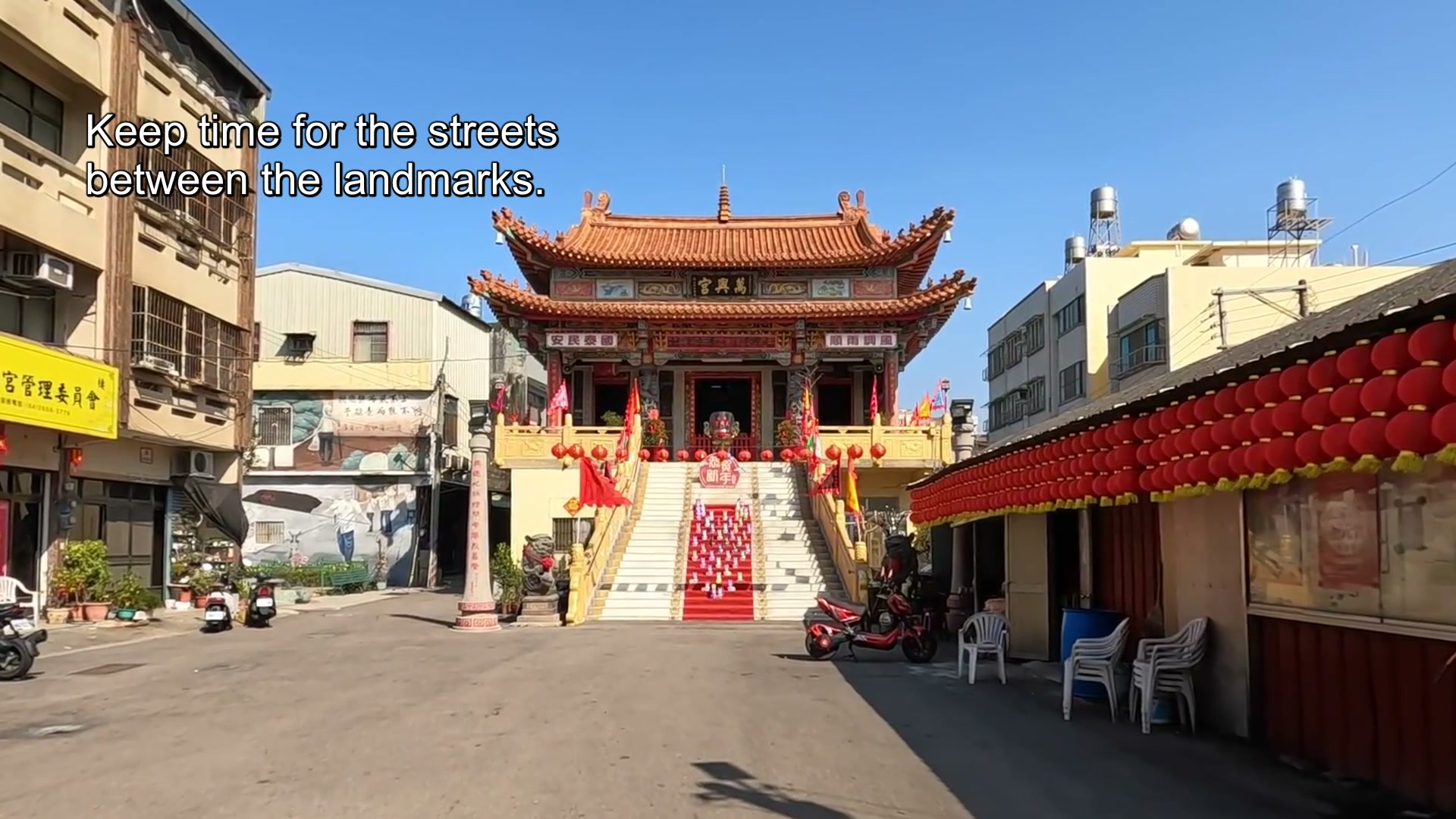
Keep time for the streets
between the landmarks.
也把時間,留給地標之間的街道。
00:01:26,500 --> 00:01:29,800
Taiwan, Layer by Layer
Follow a story. Step into Taiwan.
島嶼年輪
從故事認識臺灣,再走進現場。
1. Begin with the scale of a shop-house
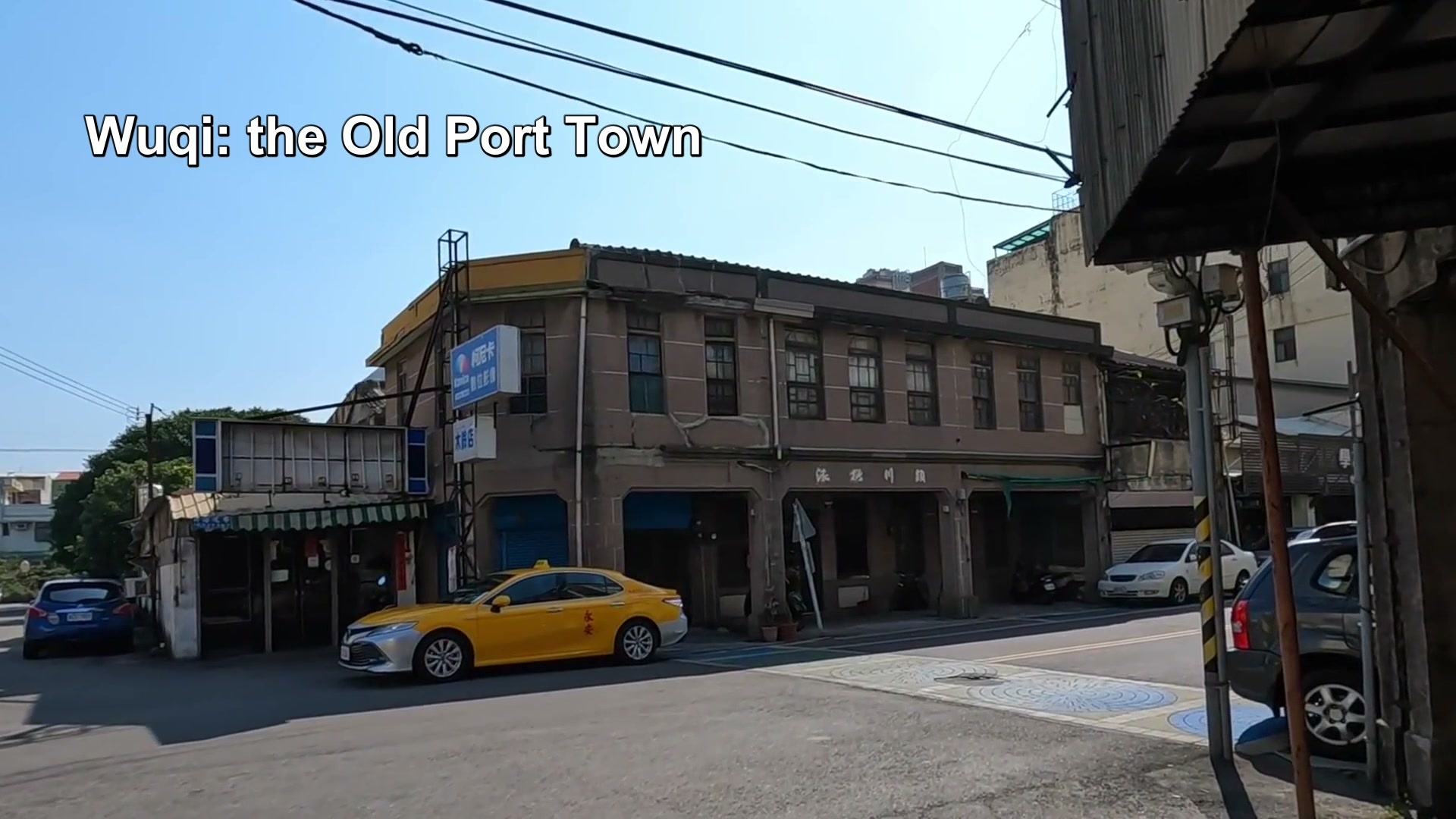
Start with an old building at a street corner. Upper windows, a turning facade and the arcade below form one place, while people and vehicles continue to pass. A little distance reveals how the building meets the road and brings homes, shops and movement close together.
Begin around Wuqi Road and Dingheng Street. Compare open businesses with closed doors, and look at the eaves, windows and arcades between them. Stay on public streets: an interesting old house need not be open to visitors.
2. Read temple and street before the carving
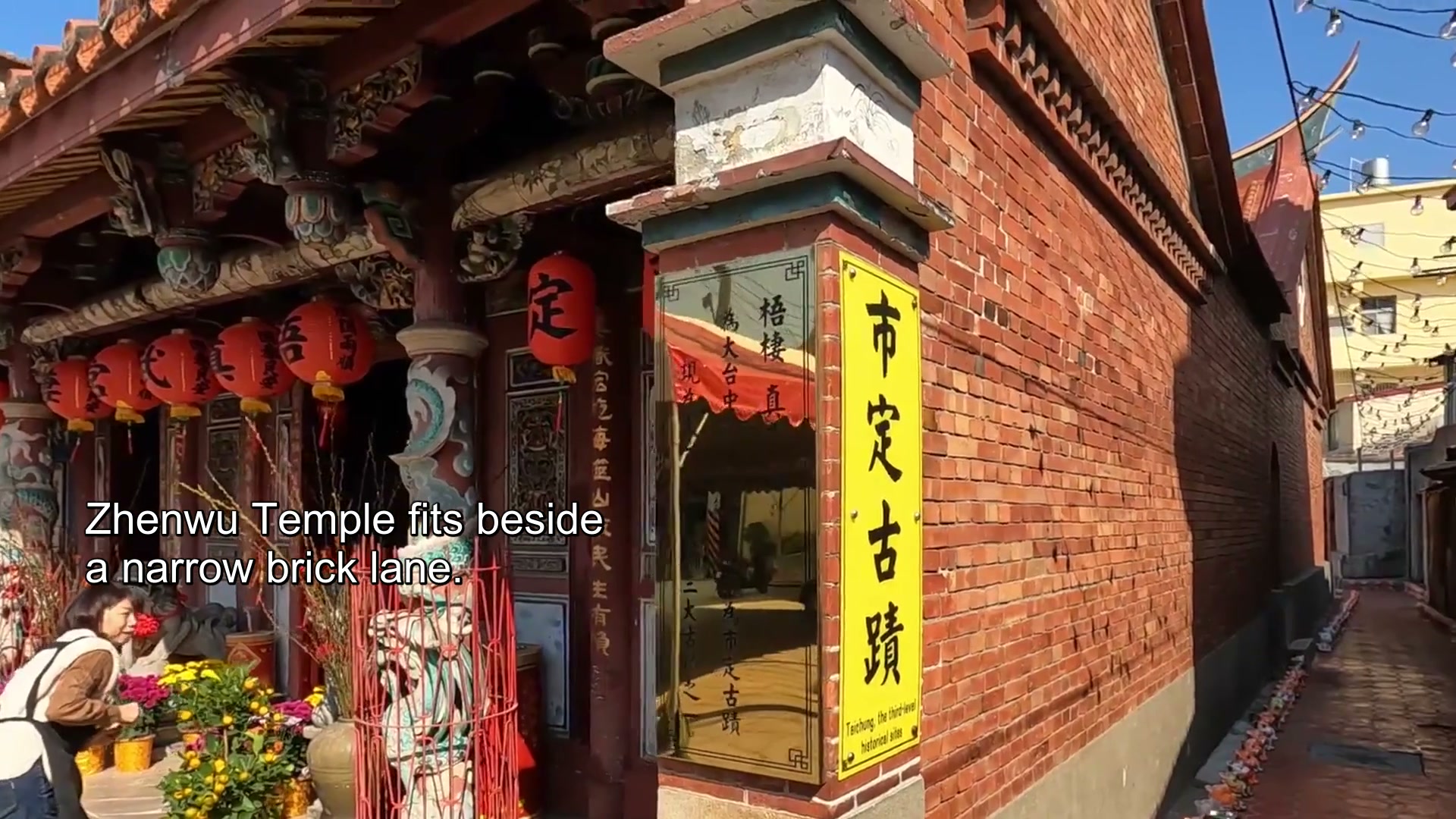
Zhenwu Temple sits beside a narrow brick lane. Approach along its side to understand the entrance, roof, columns and neighbouring houses together. Then look closer at the carved timber and plaque. The detail gains meaning from the place around it.
Chaoyuan and Wanxing temples offer other points of reference in the neighbourhood. Notice how their forecourts meet roads and everyday movement. Keep access clear, and let the buildings and streets lead your visit.
3. An office compound beside the temple
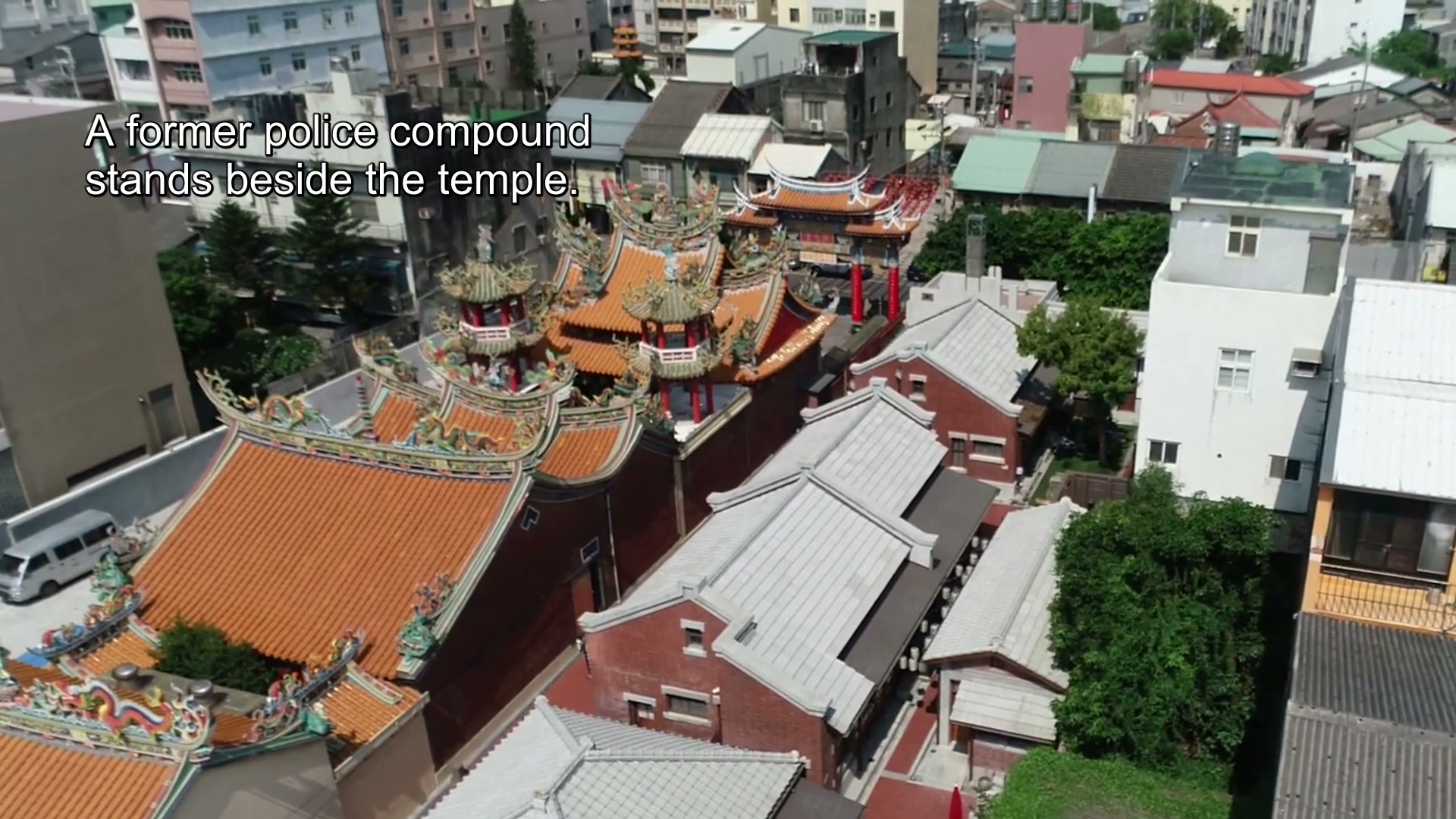
Beside Chaoyuan Temple, the Wuqi Cultural Branch Office occupies a former police office and dormitory compound. An elevated view shows their roofs together; the brick entrance and courtyard then bring the scale closer. Administrative work and domestic space once shared this group of buildings.
Begin with the relationship between the buildings, then enter only where current arrangements allow. Shops, exhibitions, activities and accommodation have their own access conditions. Historic status does not make every room a public visiting space.
4. Stay for the windows, raised floor and light
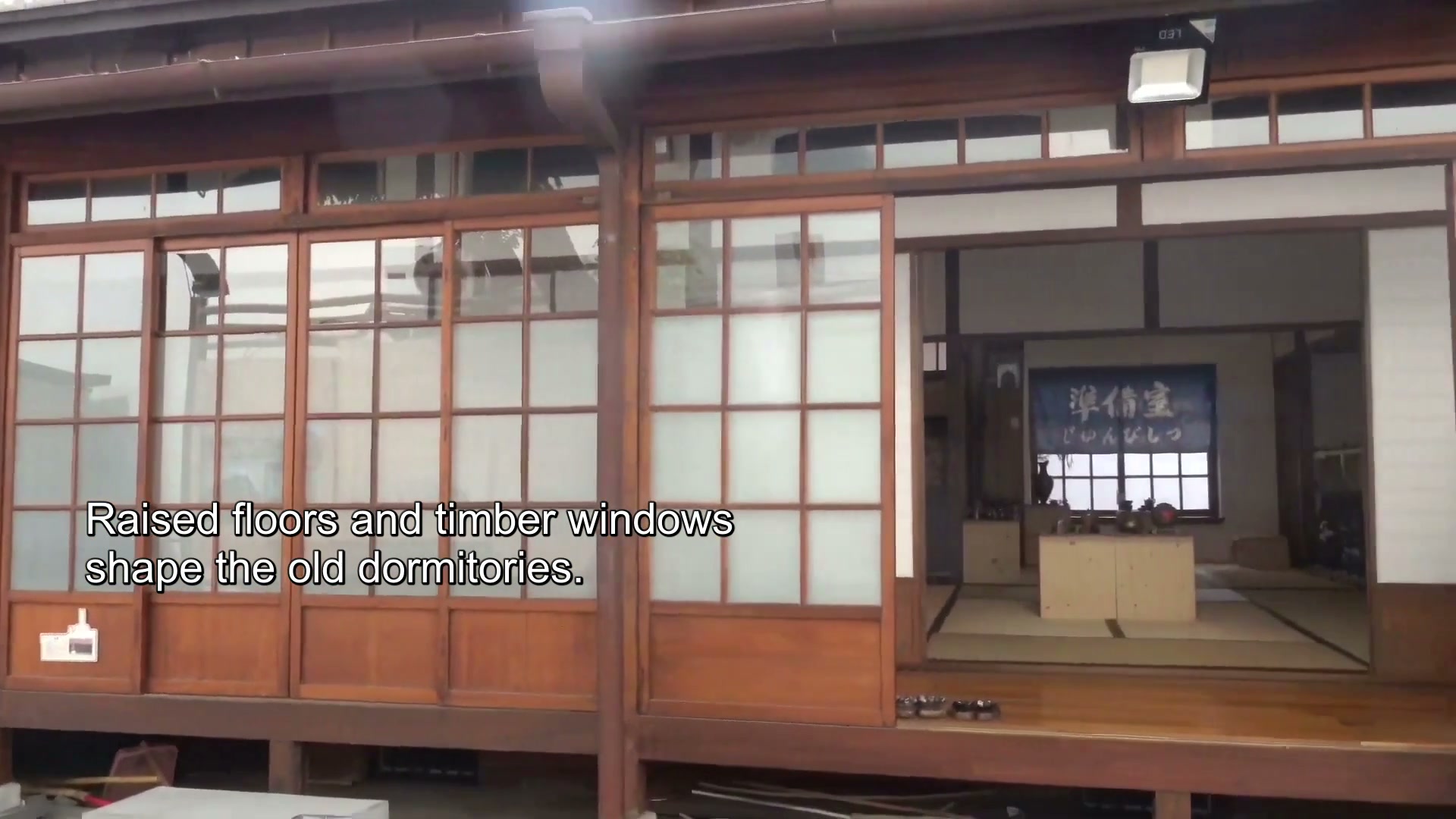
The timber buildings reward a second look. Read the long window grids, raised floor and eaves from outside, then follow the passages between brick walls. Fronts, sides and corners gradually reveal how different spaces were arranged.
In the original author’s recorded interior visit, sliding screens divide rooms and a brick wall outside becomes a view through the window. These images preserve that earlier visit. Confirm which exhibition rooms, businesses and accommodation areas are accessible today.
5. From one doorway back to the neighbourhood
After a room and a passage, return to the street. Temple forecourts, corner houses, shop arcades and trees connect different periods of use within one neighbourhood. Leave time between the landmarks to notice a town continuing with daily life.
For travel planning, the official Taiwan Tourist Shuttle 679 coastal route lists Wuqi Post Office and Wuqi (Chaoyuan Temple). Check the service direction, timetable and return connection separately. Plan the visit and transport separately. Read a story, then choose where to pause.
Article, image and music sources
This film uses real visits publicly uploaded by their original authors in2021 and2023; exact filming dates are not independently confirmed. They are not newly filmed2026 conditions. Businesses, displays and accommodation access may change. Recorded interior views do not establish current entry to every room.
- 梧棲老街|臺中市政府觀光旅遊局/觀光多媒體開放資料
- 梧棲文化出張所|臺中觀光旅遊網(日文原頁;中文:梧棲文化出張所)
- 679臺中活力海洋線|臺中觀光公車專區
- Tony Huang 梧棲老街~ 「梧棲」地名的起源, 原來如此!吾愛梧棲, 老街古廟古厝好多
- 謝秉錡 無人機教父 梧棲文化出張所Wuqi Cultural Branch Office(空拍) 謝秉錡 無人機 空拍
- 谷悠 台中梧棲景點:梧棲文化出張所。
Music: 把時間留下 · AI-generated instrumental.