Chelungpu Fault: Learn to Live with Earthquakes by Reading the Ground
At Zhushan’s fault-preservation park, a research trench opens questions about evidence, time and disaster awareness. The story is not confined to a damaged building or a dramatic simulation.
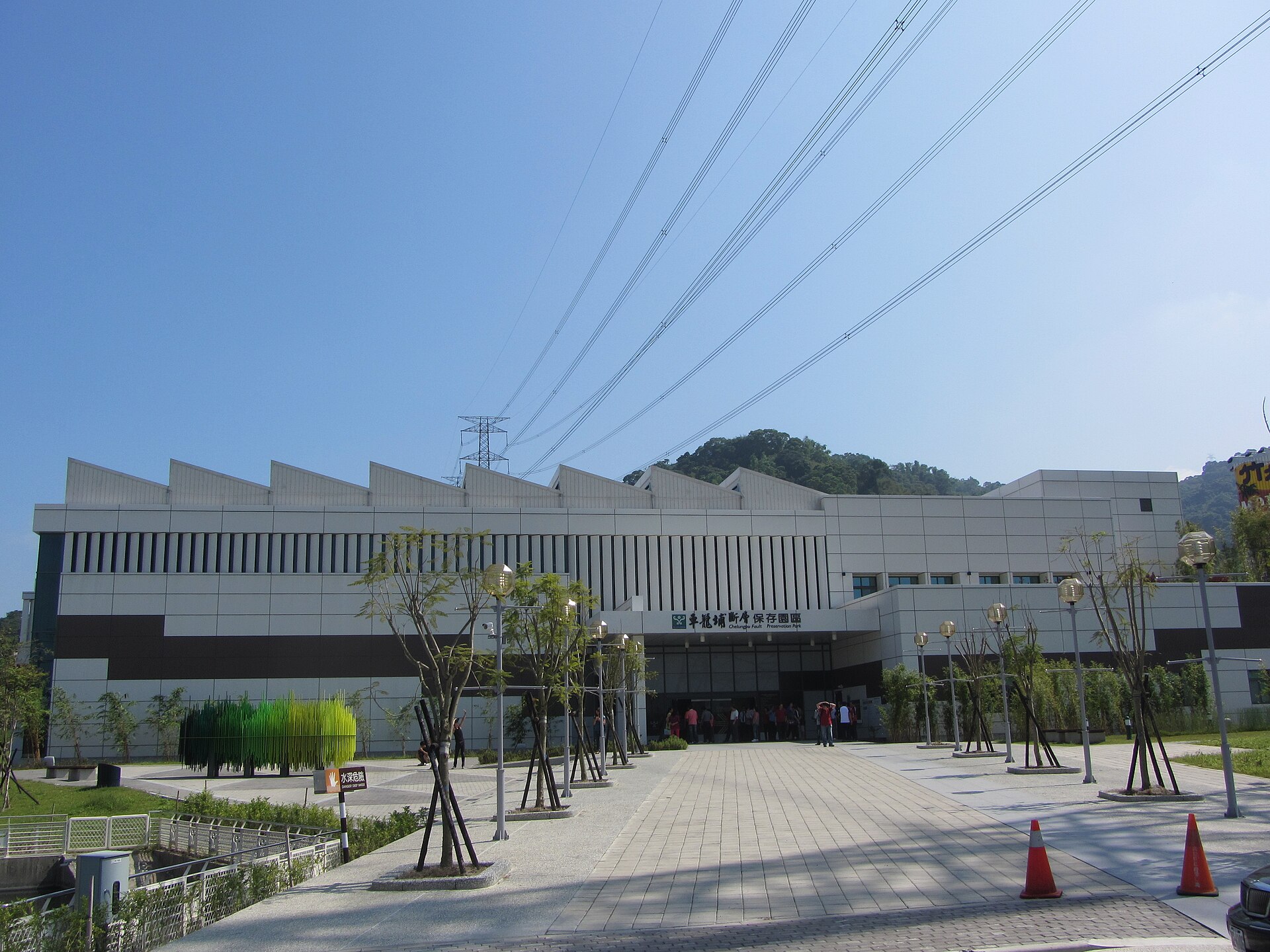
Image information

Historical photographic record, not a guarantee of current displays or access. Source image unchanged.
Why preserve a research site?
After the 1999 Chi-Chi earthquake, researchers opened trenches along the Chelungpu Fault to investigate earlier earthquakes. The Zhushan trench retained particularly useful evidence and was preserved as the park’s centrepiece. A visit is therefore about more than knowing an earthquake happened. It also concerns how researchers identify traces, compare them and develop explanations from the ground.
Look at the section before the animation
The preservation hall retains the excavated site and uses guiding and imagery to aid understanding. The ground is physical evidence; animation translates research into a more accessible form. Follow an explanation to identify one deformation, then consider how the moving image describes it. A reconstruction is not filmed footage of either the 1999 earthquake or an earlier event.
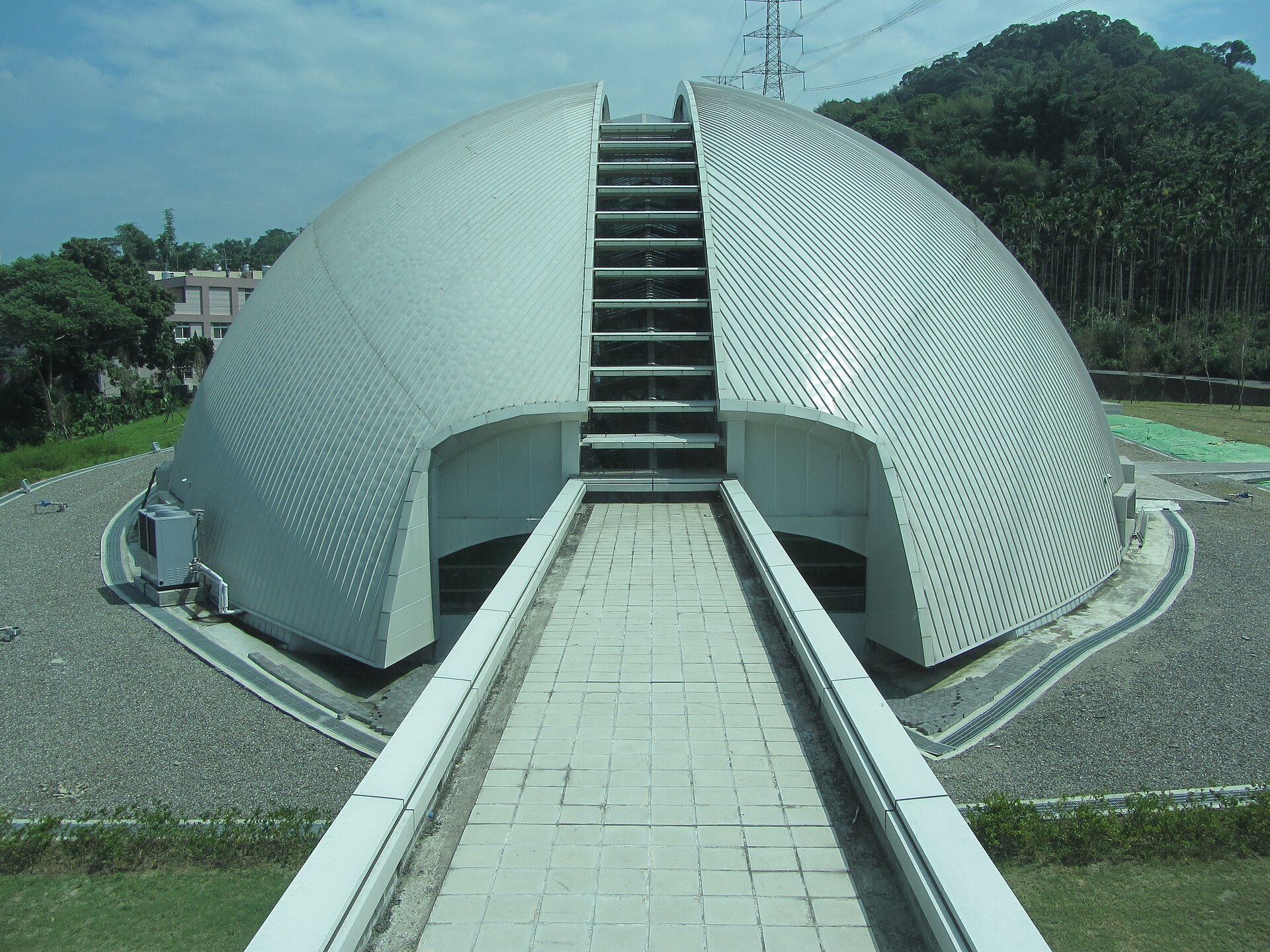
Image information

Historical photographic record, not a guarantee of current displays or access. Source image unchanged.
A building and a platform protect the act of looking
The domed hall and viewing arrangements protect the research site while making it accessible to audiences. The photographs show the geoscience and trench-preservation buildings, rather than standing in for a fault exposure. The museum records platform refurbishment in 2023–2024, another reason not to assume that an older photograph depicts every current barrier and route.
Take understanding home rather than seek a thrill
The exhibition does not predict the next earthquake, and disaster is not simply an exciting spectacle. Comparing evidence and interpretation helps explain the importance of continuing research and disaster education in Taiwan. Leave with an observation and a question. For specific household or travel preparedness, consult current official disaster information rather than treating a museum display as a personal forecast or complete response plan.
Before you go
Location and return
Go to No. 345 Jishan Road Section 2, Zhushan, not the Wufeng 921 museum. Official directions list Taichung Bus, Yuanlin Bus or Taiwan Tourist Shuttle Xitou services to the Zhushan interchange stop. Follow the local pedestrian approach, check the return stop and timetable, and never walk onto a motorway ramp.
Opening and guiding
Usual hours are Tuesday–Sunday, 09:00–17:00, with ticket sales ending at 16:30; Monday and specified holiday closures apply. Scheduled tours follow the activity calendar. Ask ahead for English guiding; ordinary entry does not guarantee an immediate tour.
Time and care
Allow 60–90 minutes and extra time to assemble for a tour. The trench is a preserved research site: do not enter, collect from or touch the exposed ground. Keep to viewing platforms. Confirm accessibility support and any special activity’s admission conditions before travelling.