Taiwan Hakka Museum: What Lies Beyond a Familiar Cultural Symbol?
In Tongluo, migration, language, industry and contemporary life offer several ways into Hakka culture. Putting a familiar visual symbol aside can make the people and choices within it easier to see.
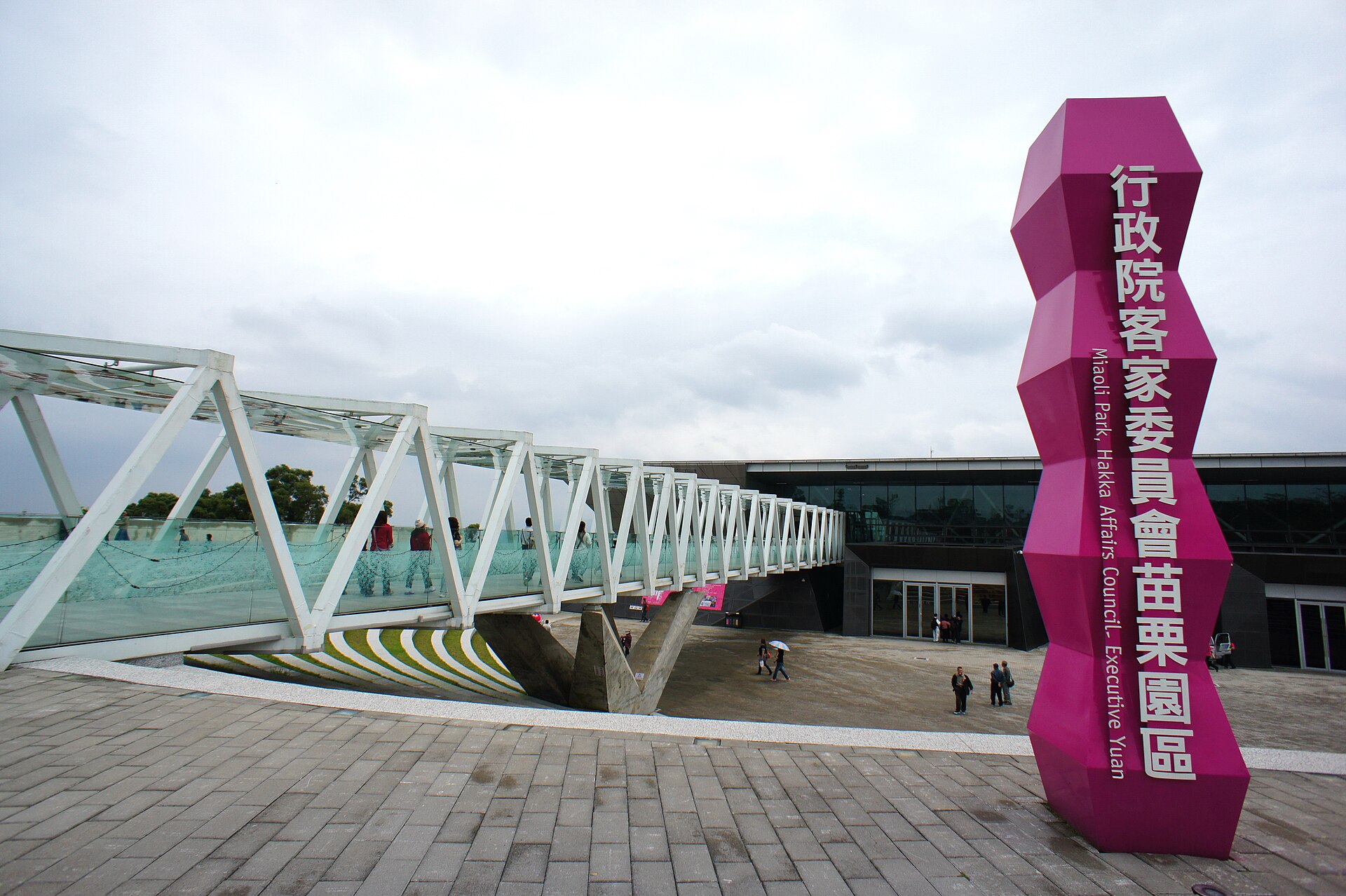
Image information

Historical photographic record, not a guarantee of current displays or access. Source image unchanged.
Understand what kind of museum this is
The museum in Miaoli’s Tongluo combines cultural preservation, research, exhibition and exchange. It is distinct from Liudui Hakka Cultural Park in Pingtung, with different exhibition programmes. Begin by treating Hakka culture as something studied and discussed, rather than an unchanging checklist of clothes, foods or personality traits stretching from the past to the present.
How everyday life is assembled after migration
The permanent displays introduce migration and changes in life in Taiwan. Follow one thread—language, housing or an industry—and consider how people organise work and family in a new environment. A model in a gallery is not the shared experience of every Hakka person. Region, period and individual decisions matter, and can make lives within one cultural label very different.
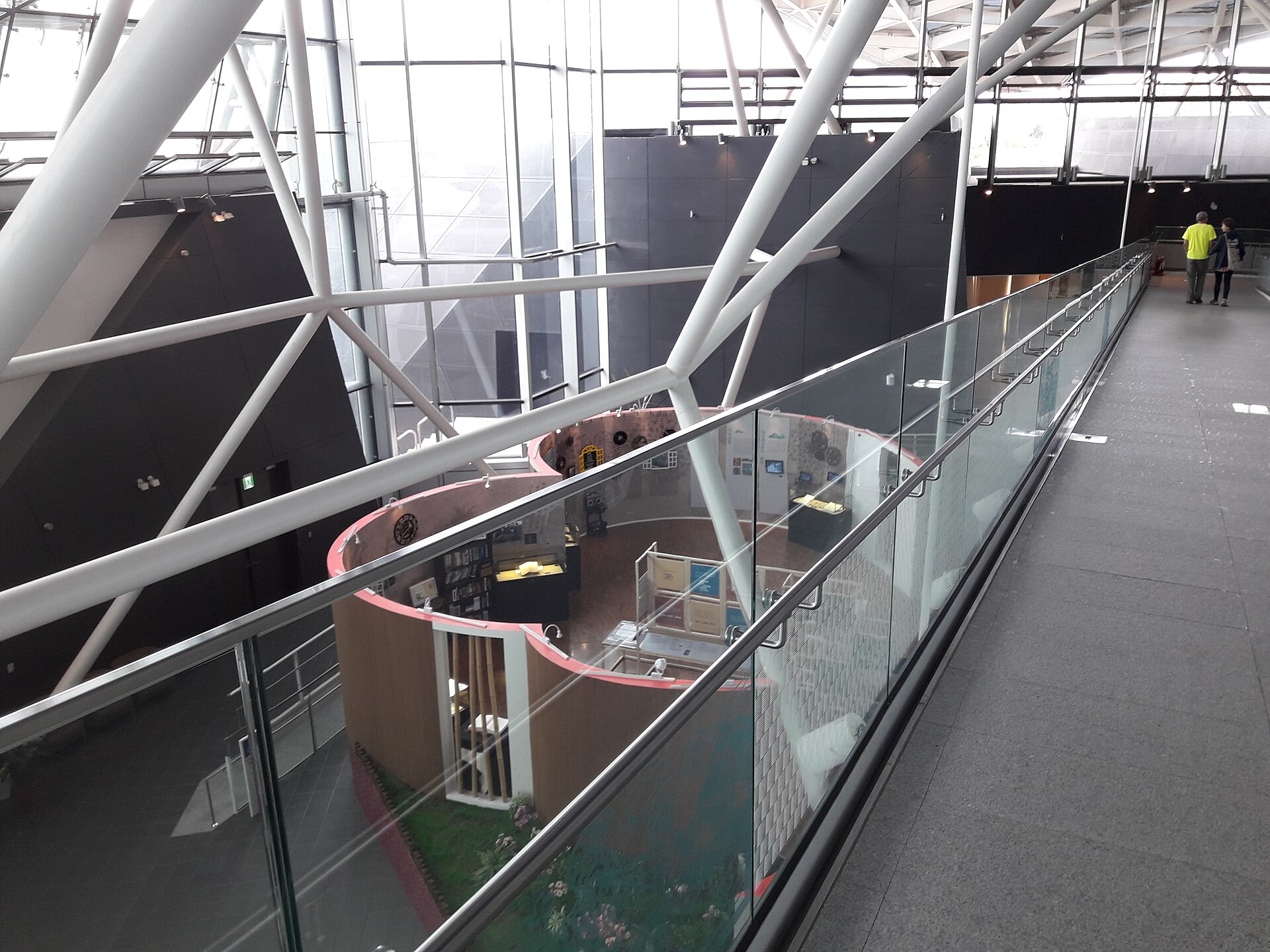
Image information

Historical photographic record, not a guarantee of current displays or access. Source image unchanged.
Architecture keeps the hill in view
The museum describes its buildings as responding to the hilly site, with paths, bridges and green spaces linking different areas. The photographs record the entrance bridge and an interior circulation space. Notice how a route draws you into an exhibition and where openings return your attention to the landscape. No architectural vocabulary is needed to see that a museum display and its environment can be related.
Consider transmission as something happening now
Research, teaching and creative work keep culture from being confined to a case. After viewing, ask which language, object or practice is being learned, adapted or used again. That is more specific than assigning one character trait to an entire people. The older photographs do not guarantee current displays or occupants, and activities still depend on the programme available during your visit.
Before you go
Arrival and return
The museum is at No. 6 Tongke South Road, Tongluo, Miaoli. Take a TRA train to Tongluo and arrange an onward taxi, or check the museum’s limited weekday community-bus and advance-booked shared-taxi options. Confirm dates and the return journey: the station is not beside the entrance, and free buses do not run all day every day.
Hours and admission
Usual hours are Wednesday–Monday, 09:00–17:00, with Tuesday and Lunar New Year’s Eve closures and holiday exceptions. General entry is currently free. Parking, theater and activities have separate arrangements. Free admission does not mean every service is free.
Time and photography
Allow 90 minutes to two hours. Follow the no-flash rule and respect other visitors’ privacy. Commercial filming has a separate application procedure. Ask ahead about accessibility or language assistance rather than assuming a particular service will be available on arrival.