Postal Museum: What Happens After a Letter Leaves Your Hand?
Writing an address and attaching a stamp do not deliver a letter. Taipei’s Postal Museum makes the work between sender and recipient—collection, sorting, transport and delivery—an engaging cultural and technical story.
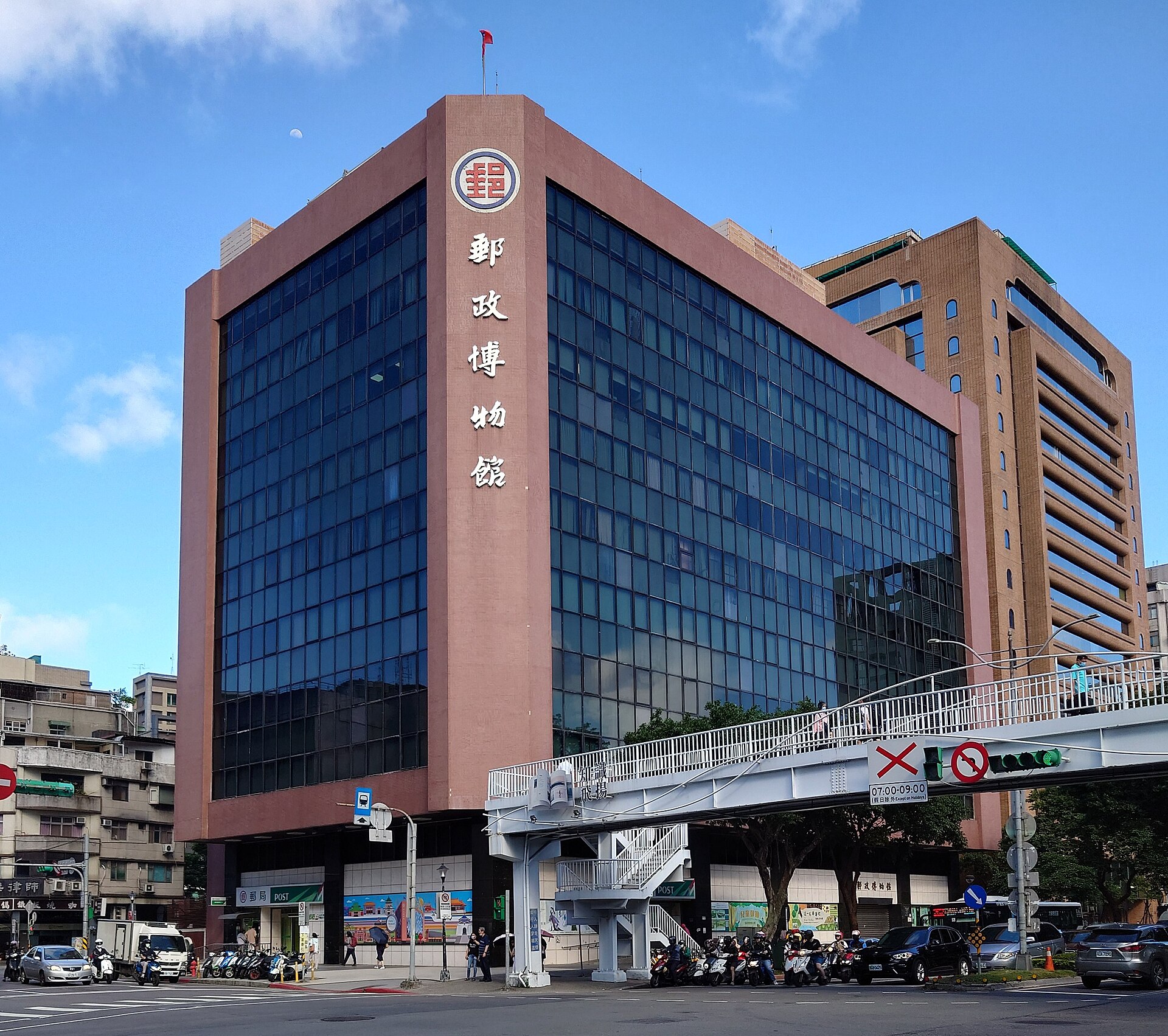
Image information

Historical photographic record, not a guarantee of current displays or access. Source image unchanged.
Look beyond the rare stamp
A stamp can be a collectible and the entry point to a service. The museum introduces postal systems, tools and processes, showing that many people and pieces of equipment take over after the sender lets go. Rather than beginning with the most valuable stamp, choose a postal tool and ask which job it performs. Then return the stamp to the wider task of moving a message.
How a system becomes dependable in daily life
Mailboxes, baskets, machinery and transport models turn an institutional history into physical work. Collection, dispatch, transport and delivery depend on one another. Compare a tool’s size, its way of sorting things and its place in a sequence. This offers a way to understand standardisation and handovers between workers without inventing a historical person’s letter, dialogue or feelings.
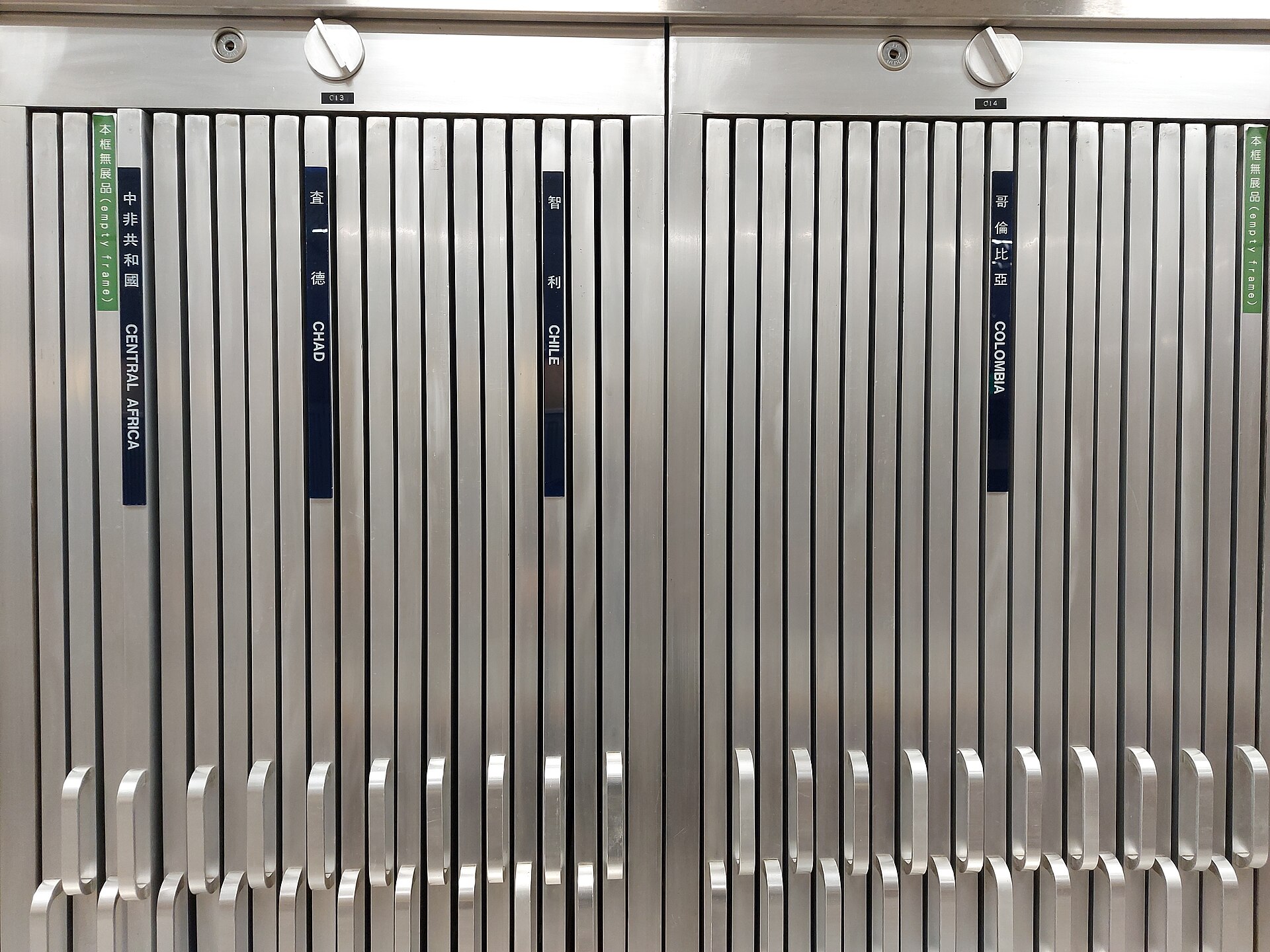
Image information

Historical photographic record, not a guarantee of current displays or access. Source image unchanged.
Originals, replicas and storage systems differ
The museum explains that some important stamps and covers are shown as replicas in permanent displays for conservation reasons. They remain useful for learning, but should be described accurately. The photographed stamp-viewing system also points to another task: arranging many small objects so they can be stored and read. Check labels before assuming that every piece of paper on display is an original.
Reopening does not make every old photograph current
The museum announced reopening of its second and third floors on 7 November 2026. Displays may differ from older photographs. Here the images identify the building and a stamp-viewing arrangement, not the position of every exhibit today. Before leaving, compare the steps behind a phone message with those behind a letter. Some service work has changed; some has simply become less visible.
Before you go
Choose the correct museum
This is the main museum at No. 45 Chongqing South Road Section 2, Taipei, not the Beimen Post Office branch. Take the MRT to Chiang Kai-shek Memorial Hall Exit 2, then walk along Nanhai Road towards Chongqing South Road for about five minutes. Return via the same station.
Opening and admission
The museum’s visit rules list Tuesday–Sunday, 09:00–17:00, with Monday and specified holiday closures. A separate postal-service listing gives different business hours; use the museum’s visitor rules for this visit. Recheck tickets, concessions and special closures before leaving.
Time and services
Allow about 90 minutes. Group guiding and ordinary admission are separate; confirm language support before relying on it. Follow instructions for interactive equipment, do not open collection-storage drawers unless invited, and follow restrictions on flash and sensitive paper displays.